What to Buy on Dhanteras: 5-Item List, Broom Vastu Included

What to buy on Dhanteras goes beyond gold and silver. The list has five more items: copper or brass kitchen utensils, a Lakshmi-Ganesha idol, a Gomti Chakra, a rudraksha or tulsi mala, and a new broom. Each one has its own ritual reason, separate from the gold and silver everyone already plans to buy.
Most shopping lists stop at jewellery and miss the broom entirely. It rarely feels like a Dhanteras item, and most people never learn why it belongs on the list at all.
The sections below cover each item in order, along with when to bring the new broom home and how to retire the old one before Diwali.
TL;DR
- If you're adding only one extra item this Dhanteras, make it the broom. Tradition treats it as a form of Goddess Lakshmi herself. Dhanteras is considered the single most auspicious day of the year to bring a new one home.
- The Lakshmi-Ganesha idol is the centerpiece for the main puja, since custom pairs wealth with the wisdom to use it well.
- A Gomti Chakra earns its place specifically if your home needs a Vastu correction; outside of that, it's a nice-to-have, not a must-buy.
- Store the new broom hidden in the north-west or west corner, never the north-east, and wait until the morning after Diwali, not Diwali day itself, to get rid of the old one.
Dhanteras Shopping List: 5 Things to Buy
Here's the full list, each item bought for its own reason:
- Copper or brass kitchen utensils: honoring Dhanvantari's arrival with the pot of nectar.
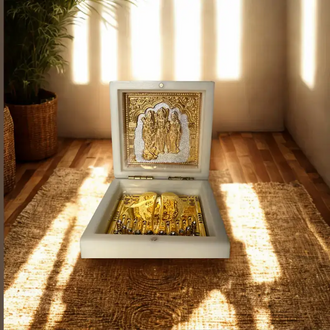
- A Lakshmi-Ganesha idol: wealth paired with the wisdom to use it.
- A Gomti Chakra: a Vastu fix that also draws fortune.
- Rudraksha, tulsi mala, and puja essentials: for daily worship, not just the one evening.
- A new broom: treated as Lakshmi herself, timed to a specific weekday.
The sections below explain each one, starting with the utensils.
Why Buy Copper and Brass Utensils on Dhanteras
New kitchen utensils sell briskly on Dhanteras for one specific reason, not a general belief that any new metal brings luck. During the Samudra Manthan, the churning of the cosmic ocean, Lord Dhanvantari rose from the waters carrying a pot of amrit, the nectar of immortality. Many households picture that pot as brass, which is why brass utensils, rather than any new metal, count among the day's most auspicious buys.
You don't need to replace your whole kitchen to honor the custom. A single new piece, even a small brass diya or copper glass, satisfies it. The point is freshness, not quantity.
Best for: An easy, low-cost first purchase for the day.
Key features: Tied directly to the Dhanvantari myth; brass carries the stronger ritual link; one small piece is enough.
For the fuller story behind Dhanteras itself, including its history and auspicious timings, see our guide to Dhanteras's significance and wealth worship.
Why Buy a Lakshmi-Ganesha Idol on Dhanteras
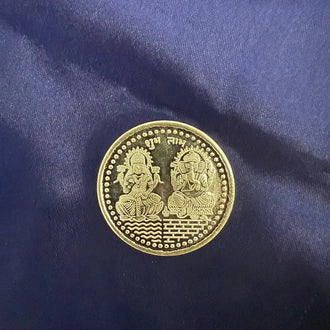
You buy a new Lakshmi-Ganesha idol because the two deities are never meant to be worshipped apart. Lakshmi brings the wealth, and Ganesha brings the sense to use it well. You choose the pair over Lakshmi alone. It's a deliberate move to invite both deities at once.
There's a sequencing reason behind it too. Ganesha holds the title of Pratham Pujya, meaning he is the first deity honoured in nearly every Hindu ritual. Even a puja built around Lakshmi opens with him. That's why the combined murti, not a solo Lakshmi idol, has become the standard centerpiece on the home mandir during Dhanteras and Diwali. For your own setup, this means the idol is the object the evening's prayers anchor around, not decoration. Getting the pair right matters more than size or material.
Best for: The main puja setup, since this idol anchors the evening's worship.
Key features: Pairs wealth with wisdom; Ganesha is worshipped first by tradition; works as a lasting mandir centerpiece, not a one-night prop.
Gomti Chakra: Why It's Bought and How to Pick a Real One
A Gomti Chakra is a naturally occurring, shell-like stone found in the Gomti River near Dwarka, Gujarat. One face carries a circular or spiral pattern. That spiral reads as the Sudarshan Chakra, Vishnu's discus. That reading is why people buy the stone alongside new idols on Dhanteras, rather than keep it as a passing curiosity.
People also use the same stone to correct Vastu dosh, an imbalance in a home's energy alignment, when they place it correctly. That dual purpose, myth and remedy, is why it shows up on shopping lists. Even people who already have gold and silver covered add it to their list. If you're buying one for the first time, choose a jeweller or puja store with a good reputation. That's a safer bet than an online listing. The Vastu benefit depends on the stone being genuine, not on how polished it looks in a photo.
Best for: Homes that need a specific Vastu correction, not a decorative extra.
Key features: Found only in the Gomti River near Dwarka; read as a Vishnu symbol; doubles as a Vastu remedy.

Rudraksha, Tulsi Mala, and Other Spiritual Buys
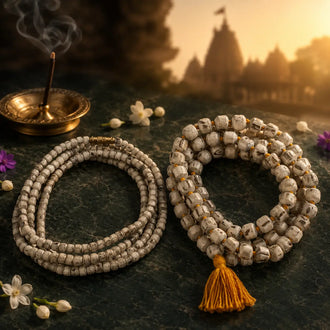
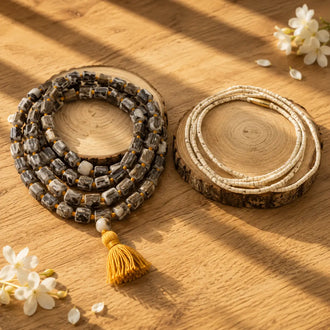
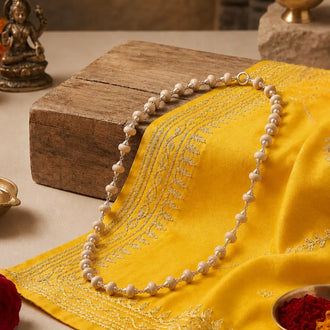
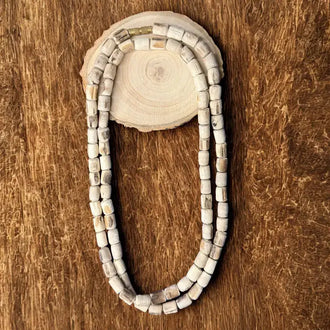
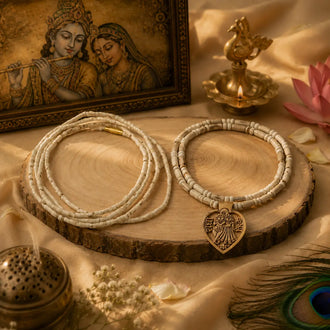
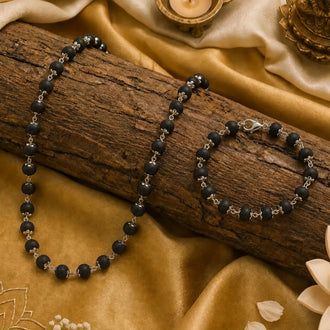
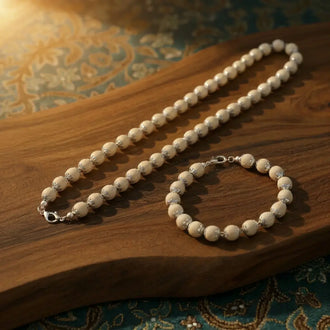
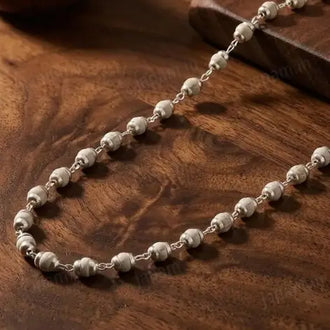
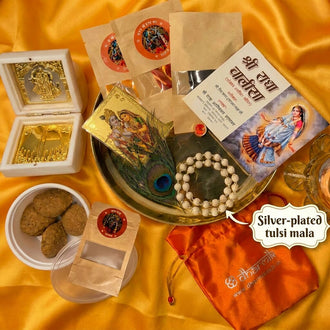
Devotees choose a 7 Mukhi Rudraksha, ruled by Goddess Lakshmi, specifically for wealth and for clearing financial obstacles. That's why it's a Dhanteras pick rather than an any-day purchase. Many devotees also swap in a fresh mala at this point in the lunar calendar. It's often a tulsi mala, valued for its purity and its ties to protection. Once consecrated, either one becomes part of your everyday routine, worn or used for chanting, rather than set aside until next Dhanteras.
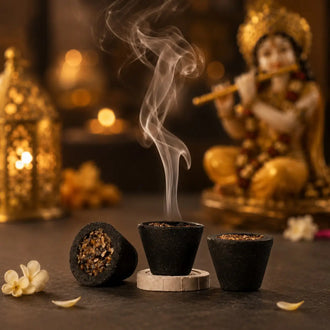
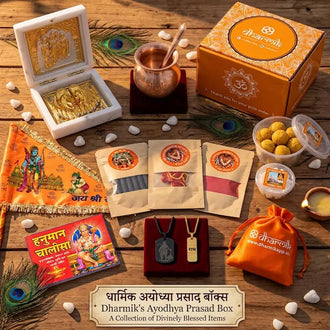
Neither replaces the rest of the puja setup. The Lakshmi-Ganesha worship doesn't run without them. Households also stock diyas, incense, flowers, a kalash, rangoli colors, and often a new brass plate for offerings.
Best for: Anyone restarting or refreshing a daily puja practice.
Key features: The 7 Mukhi Rudraksha targets wealth specifically; a fresh tulsi mala is the common swap; puja basics round out the set.

Why and When to Buy a New Broom on Dhanteras
A new broom is the fifth purchase on this list. It carries more weight than its price suggests. Tradition treats it not as cleaning equipment but as a form of Goddess Lakshmi herself [1]. That reading traces back to a story of her sweeping Vaikunth, Vishnu's home, clean on her arrival there [1]. That origin is why the broom is said to clear out bad energy rather than just dirt. It's also why Dhanteras counts as the single most auspicious day of the year to bring one home [1].
The weekday adds another layer. Tradition considers a Friday or a Tuesday especially lucky for this purchase [1], so if your calendar lines up, buy it on one of those days. If it doesn't, buying it on Dhanteras itself still satisfies the custom. The weekday is a bonus, not a requirement.
Best for: The single most important addition if you're only adding one item beyond gold and silver.
Key features: Treated as a literal form of Lakshmi; tied to the Vaikunth origin story; best bought on a Friday or Tuesday.
Where to Store the New Broom
Once the broom is home, where it sits matters almost as much as the day you bought it. Vastu Shastra favors the north-west or west corner of the house [1]. The north-east is the one direction to avoid outright. It's linked to financial instability and blocked energy.
Visibility matters too. Vastu holds that keeping the broom hidden, rather than leaning visibly near the door, is itself part of inviting Lakshmi's presence into the home [2]. If your home doesn't offer a clean north-west or west corner, aim for anywhere that isn't the north-east. Keep it tucked away from the kitchen and the puja space rather than out in the open.
When to Discard the Old Broom Before Diwali
Before the new broom does any cleaning, it should wait. Tradition holds that it's unlucky to use the new broom before the old one has been properly retired [3]. So treat the two as a single ritual, not as two separate errands on your to-do list.
The Right Morning to Retire It
A common mistake is buying the new broom a day before Diwali and then throwing out the old one on Diwali day itself. The better moment is the next morning, when women traditionally sweep daridra, or poverty, out of the home as part of that same post-Diwali ritual. If that window doesn't work for your household, any day shortly after Diwali is a reasonable substitute. The point is distance from Diwali day itself, not a single fixed hour.
Handling the Old Broom with Respect
Until it's gone, the old broom deserves the same care as the new one. Because it represents Goddess Lakshmi, you should never throw it forcefully, kick it, or burn it, under any circumstances [2]. Set it aside quietly in a covered corner instead. Let the formal discarding happen on the day you've chosen rather than in a rush on Diwali night.
Shopping This List With Confidence
If you're adding just two items beyond gold and silver this Dhanteras, make them the broom and the Lakshmi-Ganesha idol. Add the Gomti Chakra on top if your home needs a Vastu correction. Round things out with the rudraksha or tulsi mala if you're restarting a daily puja practice. At Dharmik, we source rudraksha, tulsi, crystals, and mandir decor directly from Vrindavan, Ayodhya, and Haridwar, each piece blessed before it ships. Browse our shop by collection to match pieces to your own Dhanteras list this season.
Frequently asked questions
What 5 things to buy in Dhanteras?
Dhanteras buying goes beyond gold and silver. It also includes copper or brass utensils, a Lakshmi-Ganesha idol, a Gomti Chakra, a rudraksha or tulsi mala, and a new broom. Each one has its own reason tied specifically to Dhanteras.
Which Dhanteras item matters most if I can only buy one?
Make it the broom. It's treated as a form of Goddess Lakshmi herself. Dhanteras is considered the single most auspicious day of the entire year on which to bring a new broom into the home.
Is a Gomti Chakra better than a rudraksha mala for Dhanteras?
They do different jobs. A Gomti Chakra corrects a Vastu imbalance and draws general fortune, while a 7 Mukhi Rudraksha targets wealth specifically. Pick whichever matches what you actually need.
Can I buy the five items without buying gold or silver on Dhanteras?
Yes, easily. Each item's ritual reasoning is tied to the date itself, not to gold or silver, so all five hold full significance even if you skip the metals entirely.
Do I need to buy new puja items every Dhanteras, or can I reuse last year's?
Buying fresh is the custom, especially for the broom and the mala. But no scriptural rule stops you from reusing idols or decor from previous years if they're still in good shape.
Sources
- https://www.hindustantimes.com/lifestyle/festivals/dhanteras-2025-why-you-should-buy-broom-on-dhanatrayodashi-know-significance-best-time-to-buy-and-rituals-to-follow-101760686210243.html
- https://gujarati.abplive.com/astro/buying-a-broom-on-the-day-of-dhanteras-is-very-auspicious-this-remedy-will-bring-good-luck-916099
- https://www.republicworld.com/lifestyle/art-culture/dhanteras-2025-why-is-buying-a-broom-considered-lucky-know-significance-and-vastu-tips