Ekadashi Vrat Kab Hai: 2026 Dates & Parana Timings

Ekadashi vrat is a fast observed on the eleventh day of each lunar fortnight, twice every month. The date tells you which day to fast. It does not tell you when to stop eating the night before or when you can eat again the next morning, because that window is set by the moon, not the clock.
This is where most people go wrong. They fast on the right date but eat at the wrong time, either eating too late the night before or breaking the fast too early. The rule that sets this window shifts with every Ekadashi, and getting it wrong is believed to undo the merit the fast was meant to earn.
This page lists every ekadashi vrat kab hai date for 2026, the day to break each fast, and the rule behind the exact timing, so there is no guesswork the morning after.
TL;DR
- Parana has to happen after sunrise on Dwadashi, once Hari Vasara has ended, and before Dwadashi tithi lapses. It is never a fixed clock time, so check that date's window in your local panchang rather than assuming last month's time still applies.
- That window can run from just over two hours to nearly 21 across the year, so on a tight month you need to act soon after sunrise rather than waiting until midday.
- The real fast begins at Ekadashi sunrise. The meal you eat on Dashami evening, the night before, only clears your stomach; it does not count toward the vow itself.
- Choose a fasting level that matches your health and strength, from Nirjala's complete abstention from food and water to a light non-grain meal, instead of defaulting to the strictest option out of obligation.
Ekadashi Vrat Ka Mahatva: Meaning and Significance
Ekadashi takes its name from the Sanskrit word for eleven, the day it falls on in each lunar fortnight. Hindus observe it twice a month, once in the waxing fortnight and once in the waning one. That rhythm is why the 2026 calendar carries 24 separate dates rather than twelve.
For a beginner, the vrat is less about rigid austerity than a monthly reset. It is a day set aside for devotion, discipline, and stepping back from excess. Most devotees build toward the stricter fasting levels over time, rather than attempting Nirjala, the hardest of them, on their first try.
Ekadashi Vrat 2026: Dates and Parana Time Calendar
The table below lists all 24 Ekadashi vrat dates for 2026 in order, with the tithi window for Delhi and the day you break the fast [4]. The exact parana minute shifts by city and by month, so the last column gives the day, and the two sections after the table explain the rule that sets the window. Confirm the exact minute in your local panchang the evening before.
| Ekadashi Name | 2026 Date | Day | Ekadashi Tithi (Delhi) | Break the Fast (Parana) |
|---|---|---|---|---|
| Shattila Ekadashi | Jan 14, 2026 | Wed | Jan 13, 3:17 PM to Jan 14, 5:52 PM | Jan 15, after sunrise |
| Jaya Ekadashi | Jan 29, 2026 | Thu | Jan 28, 4:35 PM to Jan 29, 1:55 PM | Jan 30, after sunrise |
| Vijaya Ekadashi | Feb 13, 2026 | Fri | Feb 12, 12:22 PM to Feb 13, 2:25 PM | Feb 14, after sunrise |
| Amalaki Ekadashi | Feb 27, 2026 | Fri | Feb 27, 12:33 AM to Feb 27, 10:32 PM | Feb 28, after sunrise |
| Papamochani Ekadashi | Mar 15, 2026 | Sun | Mar 14, 8:10 AM to Mar 15, 9:16 AM | Mar 16, after sunrise |
| Kamada Ekadashi | Mar 29, 2026 | Sun | Mar 28, 8:45 AM to Mar 29, 7:46 AM | Mar 30, after sunrise |
| Varuthini Ekadashi | Apr 13, 2026 | Mon | Apr 13, 1:16 AM to Apr 14, 1:08 AM | Apr 14, after sunrise |
| Mohini Ekadashi | Apr 27, 2026 | Mon | Apr 26, 6:06 PM to Apr 27, 6:15 PM | Apr 28, after sunrise |
| Apara Ekadashi | May 13, 2026 | Wed | May 12, 2:52 PM to May 13, 1:29 PM | May 14, after sunrise |
| Padmini Ekadashi | May 27, 2026 | Wed | May 26, 5:10 AM to May 27, 6:21 AM | May 28, after sunrise |
| Parama Ekadashi | Jun 11, 2026 | Thu | Jun 11, 12:57 AM to Jun 11, 10:36 PM | Jun 12, after sunrise |
| Nirjala Ekadashi | Jun 25, 2026 | Thu | Jun 24, 6:12 PM to Jun 25, 8:09 PM | Jun 26, after sunrise |
| Yogini Ekadashi | Jul 10, 2026 | Fri | Jul 10, 8:16 AM to Jul 11, 5:22 AM | Jul 11, after sunrise |
| Devshayani Ekadashi | Jul 25, 2026 | Sat | Jul 24, 9:12 AM to Jul 25, 11:34 AM | Jul 26, after sunrise |
| Kamika Ekadashi | Aug 9, 2026 | Sun | Aug 8, 1:59 PM to Aug 9, 11:04 AM | Aug 10, after sunrise |
| Shravana Putrada Ekadashi | Aug 23, 2026 | Sun | Aug 23, 2:00 AM to Aug 24, 4:18 AM | Aug 24, after sunrise |
| Aja Ekadashi | Sep 7, 2026 | Mon | Sep 6, 7:29 PM to Sep 7, 5:03 PM | Sep 8, after sunrise |
| Parsva Ekadashi | Sep 22, 2026 | Tue | Sep 21, 8:00 PM to Sep 22, 9:43 PM | Sep 23, after sunrise |
| Indira Ekadashi | Oct 6, 2026 | Tue | Oct 6, 2:07 AM to Oct 7, 12:34 AM | Oct 7, after sunrise |
| Papankusha Ekadashi | Oct 22, 2026 | Thu | Oct 21, 2:11 PM to Oct 22, 2:47 PM | Oct 23, after sunrise |
| Rama Ekadashi | Nov 5, 2026 | Thu | Nov 4, 11:03 AM to Nov 5, 10:35 AM | Nov 6, after sunrise |
| Devutthana Ekadashi | Nov 20, 2026 | Fri | Nov 20, 7:15 AM to Nov 21, 6:31 AM | Nov 21, after sunrise |
| Utpanna Ekadashi | Dec 4, 2026 | Fri | Dec 3, 11:03 PM to Dec 4, 11:44 PM | Dec 5, after sunrise |
| Mokshada Ekadashi | Dec 20, 2026 | Sun | Dec 19, 10:09 PM to Dec 20, 8:14 PM | Dec 21, after sunrise |
Hari Vasara is the rule behind most of those parana times. It decides when the earliest moment to break the fast actually falls.
Ekadashi Parana Time and the Hari Vasara Rule
How long the fast runs depends on where you start counting, and you will see both "almost two days" and "24 hours" used online. What matters for your plate is simpler. The fast governing what you eat runs all the way from Ekadashi sunrise to the parana window on Dwadashi. The single meal you eat on Dashami evening, the night before, only clears your stomach before that window opens. It is not part of the formal fast. It does not count toward your parana the next day [2].
The Correct Parana Timing Rule
Parana means breaking the fast. Hindu tradition sets clear limits on when it can happen. Parana must take place on Dwadashi, the lunar day right after Ekadashi. It can happen only after sunrise. Within that day sits a narrower window called Hari Vasara, roughly the first quarter of Dwadashi, and it is still considered to belong to Lord Vishnu [2][3]. Parana cannot happen while it is running.
In practice, you wait for sunrise and for Hari Vasara to end. Then you break the fast before Dwadashi itself lapses. The morning right after sunrise, called Pratahkal, is the preferred time. If Hari Vasara is still running, or a morning parana is not possible, the fallback is after midday [2]. Parana never happens during midday itself. Breaking the fast outside this window, or skipping it, is treated as reducing the merit the vrat earned. That is why you should look up the ekadashi vrat paran time for each date in your local panchang rather than estimate it.
Why the Parana Window Changes From One Ekadashi to the Next
The parana window is not a fixed number of hours. It is set by when Hari Vasara ends and when Dwadashi tithi ends. Both of those shift with the lunar calendar every month [3].
Across the 2026 calendar, that swing runs from a little over two hours to nearly 21. The longest window belongs to Parama Ekadashi in June [3]. Parama Ekadashi falls in Adhika Maas, an extra lunar month the calendar adds periodically to stay aligned with the moon. That is why its window runs so much longer than usual. On a short window, like the one after Dev Uthani Ekadashi in November, the panchang's parana muhurat is not a suggestion. It is the only safe guide, because the real boundary is always the end of Dwadashi tithi, not a clock time you can estimate.
How to Perform the Parana Ritual
The ritual itself is simple and short. On Dwadashi morning, once the window has opened, bathe and offer a brief prayer of gratitude to Lord Vishnu for completing the vrat. Then give water, fruit, or food to someone before you eat anything yourself.
Break the fast with Tulsi leaves and water first. Follow that with a light sattvic meal, such as seasonal fruit, milk, or a small portion of rice. A heavy or oily meal eaten quickly works against the purpose of the fast. So the ekadashi vrat vidhi for parana is meant to be followed slowly, not rushed through.

Ekadashi Fasting Rules and Tulsi Mala Japa Vidhi
The hours before that window follow fixed rules too, not personal preference. Those rules decide what the ekadashi vrat ke niyam allow you to eat, and who may ease the fast. They also decide how to count the mantra that anchors the vow itself.
The Five Fasting Modes and What They Allow You to Eat
Devotees choose one of five fasting levels based on strength and health. The levels run from strictest to most lenient. If you are wondering ekadashi vrat me kya khana chahiye, the answer changes completely depending on which level you pick.
- Nirjala: no food or water at all, held through the entire tithi. This is the level nirjala ekadashi vrat is named for, and the hardest of the five.
- Jalahar (water-only): water is allowed, but no food of any kind.
- Phalahari: limited to fruits such as mango, grapes, banana, almond, and pistachio, plus milk, with leafy vegetables excluded.
- Naktabhoji: one meal taken just before sunset, built from sabudana, singhada, sweet potato, potato, and groundnuts, with grains, wheat, rice, and pulses excluded.
- Three non-grain meals: the same non-grain foods eaten three times, as on an ordinary day, for anyone unable to go without food.
Across every level, devotees keep onion, garlic, and meat off the plate, because Ayurveda places them in the tamasic and rajasic categories, treated as dulling or overstimulating the mind.
Evening Meal Rules and Who Can Modify the Fast
If you are not attempting a waterless fast, you may eat a light meal after the evening prayer to Lord Vishnu. That meal is a concession for the evening itself. It never replaces the parana you still perform the next day.
Pregnant women, young children, the elderly, and anyone managing a chronic medical condition are generally exempt from the strict fast. They may eat fruit, milk, or a single light meal instead. If you modify or skip the fast under these circumstances, that reflects health and capacity, not weaker devotion.

How to Hold and Count a Tulsi Mala for Japa
Hold the mala in your right hand, draped over your middle finger. Use your thumb to pull one bead toward you every time you repeat the mantra. The index finger never touches the beads, because tradition links it to the ego and treats it as the wrong finger for japa, the practice of mantra repetition.
After 108 beads, you reach the guru bead again, finishing one round. Do not cross over it to start a second round. Instead, turn the mala around in your hand and chant back in the other direction. The count matters as much as the date, because a slip restarts your attention along with the beads.
Choosing The Right Tulsi Mala For Your Japa
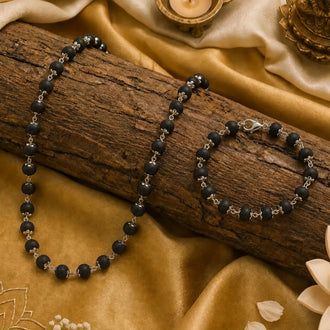
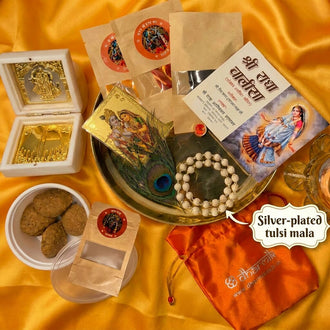
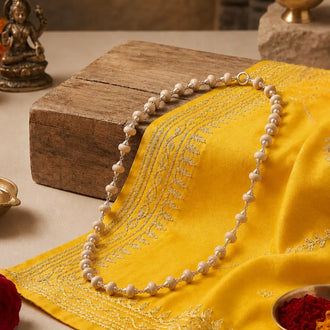
The mala in your hand is the only variable left, once the date, the parana window, and the fasting rules are clear. A mala that was never properly energized, or one that is worn and brittle, can break your focus. That happens right when the practice asks for the most attention. At Dharmik, our Tulsi Japa Mala is sourced from Vrindavan and abhimantrit before it reaches you. So the 108 beads you count carry that blessing from the first round. Knowing the date and the parana time is only half the practice; the other half is holding a mala made for it.
Frequently asked questions
इस महीने की एकादशी कब है?
October 2026 has two: Indira Ekadashi on Tuesday, October 6, and Papankusha Ekadashi on Thursday, October 22. Break each fast after sunrise the next morning.
एकादशी व्रत कब से शुरू करना चाहिए?
The fast begins at sunrise on Ekadashi itself, not the evening before. That evening meal just settles your stomach; it doesn't start the vow [2].
एकादशी का व्रत कब नहीं करना चाहिए?
Skip a new Ekadashi vrat during a family mourning period, or if you're acutely ill. Pick it back up once your normal rituals resume.
वैष्णव एकादशी कब है 2026 में?
Vaishnav groups such as ISKCON often observe Ekadashi a day later than the general calendar. Check your own tradition's panchang before you fast.
Sources
- https://timesofindia.indiatimes.com/religion/rituals-puja/when-is-yogini-ekadashi-2026-date-parana-time-puja-rituals-and-significance/articleshow/132238597.cms
- https://www.prokerala.com/festivals/ekadashi.html
- https://www.muhuratam.in/vrat-upvas/ekadashi/parama-ekadashi/coimbatore/2026
- https://www.drikpanchang.com/vrats/ekadashidates.html?year=2026