Nirjala Ekadashi Mistakes 2026: Divine Guide to Sacred Fasting

Are you feeling the divine calling to observe the most powerful fast of the year, yet find yourself trembling at the thought of the rigorous discipline required? Nirjala Ekadashi is not merely a test of physical endurance but a profound journey of karmic cleansing and spiritual awakening that demands absolute focus. In the pursuit of inner transformation, many well-meaning devotees inadvertently commit Nirjala Ekadashi mistakes that can cloud the spiritual clarity they seek to achieve. Why does one moment of forgetfulness feel like a heavy spiritual burden? This sacred day, occurring in the scorching heat of the Jyeshtha month, is designed to burn away lifetimes of impurities through the fire of austerity. However, without proper guidance, the path can become fraught with errors. In this comprehensive guide, we will explore the essential scriptural rules, the subtle nuances of fasting, and how to maintain a state of divine grace throughout your observance, ensuring your soul resonates with the eternal frequency of Lord Vishnu.
The Scriptural Foundation: Why Nirjala Ekadashi Mistakes Matter
The significance of Nirjala Ekadashi is rooted deep within the Mahabharata and the Padma Purana, illustrating that this is no ordinary ritual. It was Lord Vyasa who instructed Bhima, the second Pandava, on the singular power of this fast. Bhima, known for his insatiable appetite (Vrikodara), found it impossible to observe the twice-monthly Ekadashis. Vyasa Dev explained that by observing just one Nirjala Ekadashi with total purity and avoiding all Nirjala Ekadashi mistakes, one could reap the benefits of all twenty-four Ekadashis combined. This tradition is vibrantly alive in sacred dhams like Vrindavan and Kashi, where the air itself feels charged with the energy of thousands of fasting devotees. In today’s fast-paced world, this observance serves as a soul-level reset, pulling us away from material attachment and grounding us in the scriptural truth of the Bhagavad Gita, which teaches the mastery of the senses as the first step toward liberation.
When is Nirjala Ekadashi 2026?
| Date | Thursday, June 25, 2026 |
| Tithi | Jyeshtha Shukla Ekadashi |
| Timing / Muhurat |
Ekadashi Tithi Begins: June 24, 2026, at 6:12 PM Ekadashi Tithi Ends: June 25, 2026, at 8:09 PM Parana (Fast Breaking): June 26, 2026, from 5:25 AM to 8:13 AM |
| Location | Global Observance (Best energized in Vrindavan) |
| Ritual Highlights | Complete abstinence from water, Vishnu Sahasranama chanting, Tulsi Puja, and Charity |

The Core Pillars: Identifying Common Nirjala Ekadashi Mistakes in Fasting
Observing a fast without even a drop of water is the ultimate austerity, but the physical absence of liquid is only one part of the vow. The most frequent Nirjala Ekadashi mistakes often stem from a lack of mental preparation. Many people focus so much on the "not drinking" part that they forget the "not thinking" part - specifically, not thinking about worldly cravings. The fast begins from the moment you wake up on Ekadashi until the Parana time on Dwadashi. Common errors include consuming water while brushing teeth, or using mouthwash that contains moisture. Some devotees also fail to realize that certain fruits with high water content are technically prohibited during the 'Nirjala' (waterless) period of the fast. It is a day where the body must be forgotten, and the spirit must be fed through prayer.
- Accidental Sips: Forgetting the fast while washing the face or bathing is a common pitfall.
- Forbidden Ingredients: Using common salt instead of Sendha Namak in any pre-fast meals on Dashami.
- Sensory Distractions: Spending the day watching television or scrolling through social media instead of meditation.
- Irritability: Allowing hunger and thirst to manifest as anger toward family members, which destroys the merit of the fast.
- Improper Intent: Observing the fast for weight loss or social validation rather than for the pleasure of Lord Vishnu.
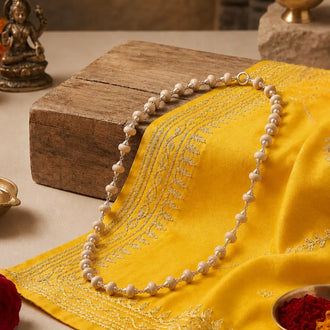
In the tradition of Vrindavan, the focus is always on Bhava (devotional emotion). If the mind is agitated, the fast is considered incomplete. To help focus your mind during these long hours, many devotees use a sacred tool. You can enhance your meditation with an Original Tulsi Japa Mala 108+1 Beads, 10 mm, Deep Meditation which helps channel your energy toward the Divine Name. Learn more about the science of spiritual focus in our detailed guide on The Science of Japa and Mantra.
Essential Rituals: Avoiding Nirjala Ekadashi Mistakes in Daily Practice
To ensure your fast is successful, you must follow a structured path of devotion. The Nirjala Ekadashi mistakes often happen when we treat the day like any other day, just without food. Instead, every hour should be dedicated to a specific spiritual activity. Starting with a Brahma Muhurta bath and ending with a night vigil (Jagran) is the gold standard for this Vrat. Neglecting the night vigil is a missed opportunity for immense grace. Chanting the Vishnu Sahasranama or the "Om Namo Bhagavate Vasudevaya" mantra is essential to keep the mind from wandering toward the kitchen or the water bottle. Proper hydration on the day before (Dashami) is also a practical step many overlook, leading to health issues on the fast day itself.
Key Steps for a Perfect Vrat:
- Sankalpa: Take a formal vow in front of your deity, clearly stating your intent to fast without water.
- Tulsi Seva: Worship the Tulsi plant, as she is the most beloved of Lord Vishnu.
- Charity: Donate water-filled pots (Kalash), fans, or umbrellas to the needy to alleviate their suffering from the heat.
- Scriptural Reading: Spend at least two hours reading the Srimad Bhagavatam or Bhagavad Gita.
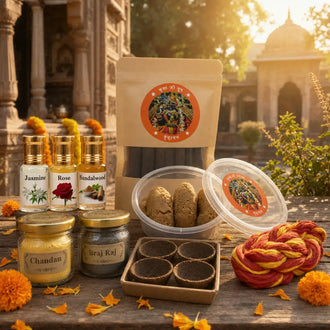
In Vrindavan, temples are filled with the sound of "Radhe Radhe" and the ringing of bells. This communal energy prevents individuals from succumbing to fatigue. To bring this sacred energy into your home, consider using a Monthly Vrindavan Puja Kit for sincere Krishna devotees, which contains everything you need to perform an authentic puja. For those interested in the details of temple rituals, check out our blog on The Secret Rituals of Braj Temples.
The Crucial Conclusion: Nirjala Ekadashi Mistakes during Parana
How you end the fast is just as important as how you keep it. The ritual of Parana (breaking the fast) must be done with precision. One of the most severe Nirjala Ekadashi mistakes is breaking the fast during 'Hari Vasara,' which is the first quarter of the Dwadashi Tithi. Breaking the fast too early or too late can result in the loss of the spiritual merit you worked so hard to accumulate. The tradition suggests breaking the fast by first offering water to a Brahmin or a deity, then consuming a small amount of Tulsi-infused water, followed by a light, grain-free meal. Jumping immediately into a heavy, oily meal is not only a health risk but also a sign of a lack of self-control, which contradicts the purpose of the fast.
Avoiding Post-Fast Errors:
- Timing Errors: Always check the local sunrise and Dwadashi end times for your specific city.
- Disrespecting the Prasad: The first meal should be taken as 'Prasadam,' with gratitude, not with greed.
- Neglecting Gratitude: Forgetting to thank Lord Vishnu for the strength to complete the fast.
- Dehydration: Drinking too much water too quickly after the fast can cause physical distress.
In Kashi and Vrindavan, devotees often break their fast with a simple charanamrita. This ensures the first thing entering the body is sanctified. You can receive such blessings at home with a Vrindavan Prasad Box (Small), which brings the dust of the holy land and the grace of the Lord to your doorstep. Explore the deep meaning of holy offerings in our post on The Significance of Mahaprasad.
Spiritual Depth: Refining Your Intent to Avoid Nirjala Ekadashi Mistakes
The journey of Nirjala Ekadashi is ultimately a mirror of your internal state. If you find yourself constantly checking the clock, your mind is still bound by time and hunger. The goal of this Ekadashi is to reach a state of 'Nishkama Bhakti' - devotion without desire. Many Nirjala Ekadashi mistakes are purely internal, such as feeling superior to those who cannot fast or judging others for their lack of austerity. Spiritual pride is a subtle poison that can ruin the purity of your Vrat. Instead, maintain a mood of humility, seeing yourself as a small servant of the Divine. This mental shift turns the physical pain of thirst into a sweet yearning for the presence of God.
- Mindfulness: Observe every thought and redirect it toward the lotus feet of Krishna.
- Silence (Mauna): Practicing silence for a few hours can prevent negative speech and conserve energy.
- Devotional Music: Listening to bhajans can help drown out the physical cues of the body.
In the holy city of Kashi, the focus is on the Mahakal aspect of Lord Shiva, who is the greatest devotee of Vishnu. Shiva himself observes these fasts to show the world the path of Tapasya. To align yourself with this powerful energy, wearing an Original 5 Mukhi Rudraksha Mala 108+1 Beads, 4 mm, Daily Meditation, Blessed in Kashi can provide the protection and courage needed to complete the waterless fast. Read more about the connection between Shiva and Vishnu in The Eternal Bond of the Divine.
Comparison of Fasting Levels to Avoid Nirjala Ekadashi Mistakes
| Type | Purpose | Best For | Recommended Product |
| Nirjala Vrat | Total purification and maximum karmic reset | Healthy adults with high spiritual willpower | Tulsi Japa Mala for 108 Beads Meditation |
| Phalahari Vrat | Sustenance for those who need energy for work | Professionals and the elderly with mild health needs | Chandan - Blessed from Vrindavan |
| Sajala Vrat | Water only, maintaining hydration while avoiding food | Those prone to dehydration or in extremely hot climates | Original Tulsi Kanthi Mala Triple Round |
Puja & Practical Preparation to Prevent Nirjala Ekadashi Mistakes
Preparation is the key to a mistake-free Ekadashi. If you wait until the morning of the fast to organize your puja samagri, you will likely encounter stress and fatigue. A calm mind is essential for a successful Vrat. Start by cleaning your mandir two days in advance and ensuring all your spiritual tools are ready. This physical preparation reflects your internal readiness to host the Divine in your heart.
Mandir Setup Process:
Ensure the deity of Lord Vishnu or Laddu Gopal is placed on a clean, yellow cloth. Surround the altar with fresh Tulsi leaves. Prepare a small copper Kalash filled with water, covered with a coconut and mango leaves, as a symbol of abundance and divinity, even if you are not drinking the water yourself.
Puja Samagri List:
- Pure Sandalwood paste (Chandan)
- Incense (Dhoop) and Ghee Lamp
- Fresh Yellow Flowers (Marigold or Jasmine)
- Tulsi leaves (plucked the day before, on Dashami)
- Yellow sweets (Besan Ladoo) for offering
- A Japa Mala for chanting
Step-by-Step Ritual Sequence:
- Brahma Muhurta Snana: Bathing before sunrise to purify the body.
- Sankalpa: Holding water and Tulsi in your hand and promising the fast to Lord Vishnu.
- Panchamrit Abhishekam: If you have a metal deity, perform a bath with milk, curd, ghee, honey, and sugar.
- Chanting: Minimum of 16 rounds of the Maha Mantra to stabilize the mind.
- Jagran: Staying awake part of the night to sing glories of the Lord.
- Parana: Breaking the fast on Dwadashi during the prescribed Muhurat with Tulsi water.

The Inner Transformation: Spiritual Resonance of Nirjala Ekadashi
As the hours pass and the thirst grows, a unique spiritual resonance begins to take hold. This is the moment where the 'Nirjala Ekadashi mistakes' of the past can be washed away by a single, sincere prayer. The physical void created by hunger and thirst creates a vacuum that the Divine is eager to fill. When you realize that the soul does not need water to survive, but only the nectar of devotion, you have truly mastered the Vrat. This realization brings a profound sense of peace and a detachment from the material world that lingers long after the fast is over. It is a state of being where you are in the world, but not of it. How would your life change if you could carry this clarity and strength into every single day of the year? This is the ultimate gift of Nirjala Ekadashi - a glimpse into your own eternal, spiritual nature.
Bring Nirjala Ekadashi Grace Home with Dharmik
At Dharmik, we understand that your spiritual journey requires the purest tools to ensure you avoid Nirjala Ekadashi mistakes and achieve your devotional goals. Our products are carefully sourced and energized to support your practice. Elevate your Vrat with these sacred essentials:
- Perform your meditation with the Original Tulsi Japa Mala 108+1 Beads, 10 mm, Deep Meditation, which is abhimantrit in the holy vibrations of Vrindavan.
- Prepare your forehead for prayer with Chandan - Blessed from Vrindavan, ensuring you carry the scent of the sacred dham.
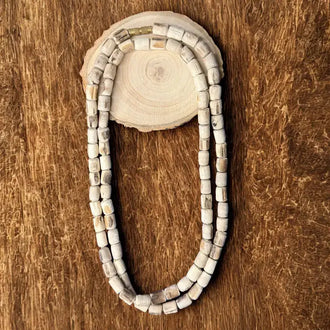
- Maintain your daily Bhakti with the Original Tulsi Kanthi Mala Triple Round, 6 mm, Daily Bhakti, Prayer, a constant shield of protection.
- Ensure a perfect puja with our Monthly Vrindavan Puja Kit, which provides all the traditional elements blessed in the land of Krishna.
Trust in the authenticity of Dharmik, where every item is lab-certified and energized in sacred dhams like Kashi and Vrindavan. We are committed to providing you with the spiritual support needed for a life of deep devotion. Experience the divine difference today.
Frequently Asked Questions About Nirjala Ekadashi Mistakes
What are the most common Nirjala Ekadashi mistakes?
The most common Nirjala Ekadashi mistakes include accidentally sipping water during bathing, consuming grains on the day of the fast, or breaking the fast at the wrong time on Dwadashi. Mental mistakes like getting angry or being proud of one's fasting also diminish the spiritual benefits.
What should I do if I accidentally drink water on Nirjala Ekadashi?
If you unintentionally break your fast by drinking water, do not panic. Immediately apologize to Lord Vishnu, perform extra rounds of Japa, and continue the fast for the remainder of the day. Sincere repentance and increased devotion can help mitigate the error.
Is sleeping during the day considered one of the Nirjala Ekadashi mistakes?
Yes, excessive sleeping during the day is generally discouraged as it leads to Tamas (lethargy). The time should ideally be spent in chanting, reading scriptures, or performing Seva to keep the consciousness elevated and focused on the Divine.
Can I use toothpaste or mouthwash during the Nirjala fast?
Using toothpaste or mouthwash is risky because they contain moisture and flavors that might be swallowed. Many traditional practitioners prefer using a Neem stick or simply rinsing with extreme care to avoid any liquid entering the throat.
Who is exempt from observing the strict Nirjala Ekadashi rules?
Pregnant women, children, the elderly, and those with serious medical conditions like diabetes are exempt from the strict waterless fast. They can observe a Phalahari fast or simply abstain from grains while following all other spiritual protocols.
What is the correct way to break the Nirjala Ekadashi fast?
The correct way to break the fast is during the Parana Muhurat on Dwadashi. Offer water and food to a Brahmin or your deity first, then take a few sips of Tulsi water, followed by a light, sattvic meal that includes grains.
Conclusion: Embracing a Pure and Focused Nirjala Ekadashi 2026
Observing Nirjala Ekadashi is a rare opportunity to accelerate your spiritual progress and demonstrate your love for the Divine. By being mindful and avoiding common Nirjala Ekadashi mistakes, you transform a physical challenge into a sublime spiritual victory. Remember that while the rules are strict, the heart’s intention is what Lord Vishnu values most. Use this sacred day to detach from the temporary and attach to the eternal. May your fast be successful, your mind be peaceful, and your soul be flooded with the light of Krishna’s grace. As you prepare for this auspicious day, let your environment reflect your devotion. Explore our collection of sacred essentials to ensure every ritual you perform is perfect. Visit Dharmik Now to bring home the purity of the sacred dhams and start your journey toward divine liberation.