Ganpati Visarjan 2026: Eco-Friendly Rituals and Home Vidhi

Ganpati Visarjan 2026: Eco-Friendly Immersion at Home Step by Step
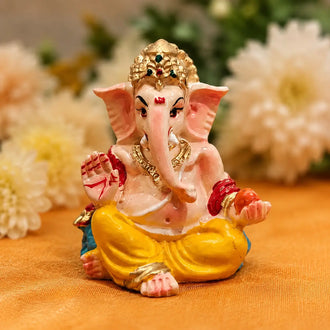
The sounds of the dhol (drum) echo through the streets of Mumbai as the ten-day festival nears its end. Many families now choose to bid farewell to the Lord of Beginnings within the quiet sanctity of their own balconies or gardens. For Ganesh Visarjan 2026, the final main immersion day (Anant Chaturdashi) falls on 25 September 2026, which is a Friday. This shift toward home rituals reflects a growing desire to protect our natural water bodies from chemical paints and plaster. You will learn how to perform the full uttar puja (concluding worship) and the final immersion with the same devotion as a riverbank ceremony. By following this guide, you can ensure your Bappa returns to the earth in a way that is both scripturally correct and environmentally kind. By following this guide, you can ensure your Bappa returns to the earth in a way that is both scripturally correct and environmentally kind.
Quick Takeaways
- The primary date for the final immersion in 2026 is Monday, 25 September.
- Home immersion requires a clean bucket or tub filled with fresh water.
- Perform the uttar puja with camphor, duba grass, and modaks before moving the idol.
- Ensure you use an idol made of shadu clay (natural earth) for proper dissolution.
| Step Number | Action to Perform |
|---|---|
| 1 | Perform the final Uttar Puja with aarti and flowers at the sthapana place. |
| 2 | Gently move the Ganesha idol forward to signify the start of the journey. |
| 3 | Prepare a large bucket or decorative tub with clean water and flower petals. |
| 4 | Carry the idol to the immersion spot while chanting Ganpati Bappa Morya. |
| 5 | Slowly lower the idol into the water three times before final immersion. |
| 6 | Wait for the clay to dissolve completely over the next few hours. |
| 7 | Use the remaining clay-rich water to nourish your home plants or garden. |
Why This Matters
The ritual of immersion represents the cycle of creation and dissolution that governs the entire universe. We bring the deity into a physical form to offer our love, and then we release that form back into the five elements. In the Ganesha Purana, Upasana Khanda, the importance of worship through clay is highlighted as a path to purification. This text teaches us that Ganesha is the master of the earth element, making the use of natural soil especially significant. When we perform visarjan, we are not saying goodbye to the Lord, but rather asking Him to return to His formless state within our hearts. In the tradition of Vrindavan, devotees often see this as a way of returning the soul to its source in the divine soil of Braj. Performing this at home allows the family to focus entirely on the emotion of the moment without the noise of large crowds. It ensures that the bhog (food offering) and the flowers remain sacred rather than being discarded in polluted public areas. You can find more about the start of this journey in our guide on Ganesh Chaturthi date and sthapana muhurat which explains the initial invitation to the Lord. This home-based approach maintains the sanctity of the ritual while honouring our duty to the Bhoomi (earth) that Ganesha protects.
The ganesh visarjan 2026 Home Guide
The process of ghar par visarjan kaise kare begins with a peaceful atmosphere and a clean heart. On 25 September 2026, gather your family around the altar for the final worship session. This concludes the period that began with the sthapana, which you can review in our Ganesh sthapana puja vidhi guide. Use this structured method to ensure every traditional requirement is met within your home.
The Uttar Puja Vidhi
Before moving the idol, you must perform the Uttar Puja. This is the formal "concluding worship" where we thank the Lord for His stay. Light a fresh ghee lamp and offer five items: gandha (sandalwood paste), dhupa (incense), deepa (lamp), naivedya (food), and pushpa (flowers). Offer a final plate of 21 modaks or laddoos. Sing the "Sukhakarta Dukhaharta" aarti with the full family. Once the aarti ends, the oldest member of the family should gently move the idol about an inch forward. This movement signifies that the Lord is now ready for His journey back to Mount Kailash.
Preparing for Eco Friendly Ganesh Visarjan
For a successful eco friendly ganesh visarjan, choose a large metal or plastic tub that is deep enough to submerge the idol fully. Fill it with clean tap water and add a few drops of Ganga Jal if you have it. Sprinkle some marigold petals and a bit of turmeric into the water. This transforms a simple bucket into a sacred kunda (pool). It is essential that your idol is made of shadu clay. If the idol contains plaster of paris, it will not dissolve, which creates a very painful situation for the devotee. Ensure the water is kept in a respectful corner of the balcony or a clean spot in the veranda.
The Final Immersion Process
The 1.5 day 5 day visarjan schedules follow the same logic as the 10-day one. Lift the idol with both hands, making sure the face is turned toward the family. Walk toward the water bucket while everyone chants "Ganpati Bappa Morya, Pudhchya Varshi Lavkar Ya" (O Father Ganesha, come back early next year). Lower the idol slowly. Do not drop it. Let the feet touch the water first. Submerge the idol three times partially before letting it rest at the bottom. Cover the bucket with a clean cloth and let the clay dissolve naturally over 24 to 48 hours.

Benefits of Choosing Home Immersion
- Environmental Protection: You prevent toxic lead and mercury from paints from entering our rivers and seas. Choosing natural clay instead of plaster of paris further supports this.
- Family Participation: Children and elderly family members can participate closely in Ganesh Visarjan without the physical strain of long processions.
- Sacred Disposal: The water and clay stay within your home, allowing you to use the remains to grow a plant in Ganesha's memory.
- Peaceful Reflection: The home environment allows for deep, silent prayer and final prayers that are often impossible in loud, crowded streets.
- Traditional Alignment: Following the Ganesha Purana, using earth-to-earth methods is the highest form of worship for the elephant-headed Lord.
- Cost Efficiency: You avoid the logistical expenses of transport and large-scale public arrangements while keeping the focus on bhakti (devotion).
Is immersing Ganesha in a bucket at home religiously acceptable?
Many devotees worry that performing Ganesh Visarjan in a bucket lacks the religious merit of a river or sea immersion. However, the Shastras (scriptures) emphasize the bhav (intent) and the elements over the size of the water body. When you add Ganga Jal or even a bit of sacred soil to your home bucket, it becomes a representative of all holy rivers. The key requirement is that the form of Ganesha must return to the elements of earth and water.
In modern cities where rivers are heavily polluted, immersing a sacred idol in sewage-filled water is often considered more disrespectful than using a clean vessel at home. Priests often suggest that a pure, dedicated home immersion is preferable to a chaotic public one where idols are often mishandled. If you use a shadu clay idol, the dissolution is complete and respectful. Once the clay has settled, you can use that soil in your garden. This ensures the Lord stays with you in the form of life-giving greenery.
Before beginning the immersion, clean the puja area, complete the final aarti, and perform uttarpuja according to your family tradition. The farewell follows the Ganesh Visarjan Vidhi, after Ganesh Sthapana, and may include Shodashopachara Puja, offering flowers, and durva grass to Bappa. Whether you observe Vinayaka Chaturthi or Ganesh Chaturthi 2026, the farewell should be performed with devotion and Ganapati Bappa Morya in your heart. If you have specific doubts about your family traditions, please consult your family priest, but rest assured that home immersion is a widely accepted practice today.

Common Mistakes to Avoid
- Plaster of Paris Idols: Using plaster of paris idols for home immersion is a mistake because they do not dissolve and can remain intact for months.
- Rushing the Dissolution: Do not try to break the idol by hand to speed up the melting process; let the water do its work naturally.
- Inappropriate Water Disposal: Never pour the visarjan water into a drain or a place where people walk; always pour it into clean soil or flower pots.
- Ignoring the Tithi: Performing the visarjan before the visarjan muhurat 2026 ends can be avoided by checking the local Panchang for your city and the Chaturdashi tithi and when the Chaturdashi tithi ends.
- Leaving the Cloth On: Remove any plastic or non-biodegradable decorations from the idol before you place it in the water bucket.
FAQ
When is the best time for ganesh visarjan 2026?
When is Ganesh Visarjan in 2026? The best time for Ganesh Visarjan 2026 is during the shubh muhurat on Friday, 25 September. You should check the Choghadiya timings for your specific city to find the most auspicious Choghadiya muhurat.
Can I do ghar par visarjan with a large idol?
You can do ghar par visarjan kaise kare with a large idol if you have a container big enough to submerge it. However, home immersion is most practical for idols under two feet in height to ensure complete dissolution.
What should I do with the visarjan water?
The visarjan water should be poured into your garden or into indoor plant pots like Tulsi or hibiscus. This water is considered blessed and should never be discarded in a bathroom drain or on a busy street.
Is 1.5 day 5 day visarjan different from the 10 day one?
The 1.5 day 5 day visarjan follows the same uttarpuja and immersion steps as the final day. The only difference is the duration of the stay, which depends on your family tradition or a specific vow you made. The concluding immersion may also coincide with Anant Chaturdashi for those observing the full period of Shukla Paksha.
What if the shadu clay does not dissolve quickly?
The shadu clay may take some time to dissolve depending on the thickness of the idol. Simply leave it undisturbed in the water for another day rather than trying to force the process, as patience is part of the ritual.
What is the significance of Ganesh Visarjan?
What is the significance of Ganesh Visarjan? It marks the symbolic return of Lord Ganesha to the natural elements after the festival, completing the cycle that began with Ganesh Sthapana. Devotees offer their final prayers and farewell with Ganapati Bappa Morya.
Conclusion
Taking the step toward a home-based farewell for Bappa is a beautiful way to blend ancient tradition with modern responsibility. Whether you are observing the 1.5 day or the full 10-day festival, the focus remains on the love you share with the Lord. By choosing the Ganesh Visarjan 2026 home method, you ensure that your celebration leaves the earth as pure as your prayers. Remember to complete the Ganesh aarti, make your offering flowers, and use the leftover soil to plant something new, keeping the energy of the festival alive in your home. For those still preparing for the start of the festivities, you can revisit the Ganesh sthapana puja vidhi to ensure your next year begins with the same perfect devotion.