Hanuman Chalisa 108 Times: Benefits, Rules & Tips

How to Chant Hanuman Chalisa 108 Times: Benefits, Rules, and Real Experiences
There are prayers you read. And then there are prayers where you live. Chanting the Hanuman Chalisa 108 times is not a task to be completed - it is a practice that, when followed with consistency and sincerity, has changed lives in ways that devotees across India describe as nothing short of miraculous. Whether you are dealing with fear, a difficult planetary period, persistent obstacles, or simply a restless mind, this practice has been prescribed by saints and tradition for centuries. In this guide, you will learn exactly why 108 times carries such significance, the rules that make your chanting most effective, the best timings, and the genuine experiences devotees report after completing this path.
What You Need to Know Before You Begin
|
Detail |
Information |
|
Hymn |
Hanuman Chalisa - 40 verses composed by Saint Tulsidas |
|
Number of verses |
40 Chaupais (couplets) + 2 Dohas |
|
Time for one recitation |
Approximately 8–12 minutes |
|
Time for 108 recitations |
Approximately 2.5 to 3 hours |
|
Most auspicious days |
Tuesday and Saturday |
|
Best timing |
Brahma Muhurta (pre-dawn, 4–6 AM) or at sunset |
|
Traditional mala count |
108-bead rudraksha or Tulsi mala |
|
Recommended for |
Fear, Shani dosha, obstacles, mental stress, protection |
Why 108? The Significance Behind the Number
The number 108 is not arbitrary. In Hindu and yogic tradition, 108 is considered a sacred number because ancient sages identified 108 energy channels (nadis) that converge at the heart chakra. Chanting any mantra or hymn 108 times is believed to activate these channels, aligning body, mind, and spirit with divine vibration.
In the context of Hanuman Chalisa path specifically, the tradition holds that completing 108 recitations in a single sitting - or across a dedicated period - creates an unbroken field of Hanumanji's protection around the devotee. The Chalisa itself contains a promise in its closing Doha: "Jo sat bar path kar koi, chhuthi bandi maha sukh hoi" - meaning one who recites it a hundred times is freed from bondage and attains great bliss. Chanting 108 times is understood as fulfilling and surpassing this promise in a single sitting.

The Real Benefits of Chanting Hanuman Chalisa 108 Times
Protection from Negative Energies and Fear
The Hanuman Chalisa contains the verse: "Bhoot pisach nikat nahin aavai, Mahavir jab naam sunavai" - meaning no negative force can come near one who chants Hanumanji's name. Chanting it 108 times is considered one of the most powerful practices for creating a protective shield. Devotees who chant consistently - particularly those going through Sade Sati or Shani Mahadasha - report a significant reduction in the feeling of vulnerability, fear, and unexplained anxiety. Read how Hanumanji worship relieves Shani dosha specifically
Mental Calm and Relief from Stress
The repetitive nature of the Hanuman Chalisa jaap has a measurable calming effect. The sound vibrations produced by chanting the same 40-verse hymn continuously engage the mind fully, preventing distraction and rumination. Devotees who practice this regularly describe it as a form of active meditation - one that leaves them calmer, more focused, and more capable of making clear decisions than before.
Removal of Obstacles and Fulfillment of Sankalpa
Many devotees undertake a 40-day or 108-day Anushthan (vow) of chanting Hanuman Chalisa 108 times daily, particularly when facing a persistent block - a delayed marriage, financial stagnation, or an unresolved health issue. The tradition holds that sincere, unbroken practice over this period invokes Hanumanji's direct intervention. Experiences shared by devotees across generations describe obstacles dissolving unexpectedly after completing such an Anushthan.
Spiritual Upliftment and Connection with Shri Ram
Hanumanji is the greatest devotee of Shri Ram. Praising Hanumanji is considered equivalent to reaching Ram's presence - as stated in the Chalisa itself: "Tumhare bhajan Ram ko pavai." Chanting 108 times deepens this connection, gradually shifting the devotee's inner state from restlessness to devotion, from fear to surrender.
Rules to Follow for Effective Chanting
Before You Begin
- Take a bath or wash your hands and face before sitting for the path
- Wear clean, preferably saffron or white clothing
- Sit facing east or north in a clean, quiet space
- Light a ghee or sesame oil diya before the Hanumanji idol or image
- Place flowers - red roses or marigolds are considered dear to Hanumanji
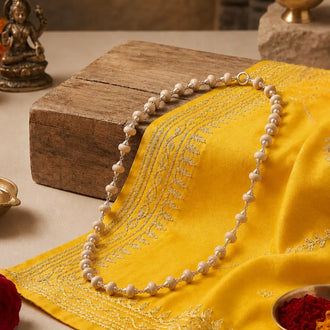
- Hold a 108-bead mala to keep count - rudraksha is traditionally used for Hanuman path
- During the Chanting
- Chant clearly - pronunciation matters more than speed
- Do not break the session abruptly; if interrupted, complete the current recitation before pausing
- Keep count using the mala - one bead per full recitation of the Chalisa
- Maintain focus on Hanumanji's form, qualities, or on Shri Ram throughout
- Do not eat or drink (except water) during the session
After Completing
- Offer prasad - jaggery (gud), bananas, or til ke laddoo are traditional
- Distribute prasad to family or neighbours
- On Tuesdays and Saturdays, lighting a sesame oil lamp specifically for Shani relief is additionally recommended

Best Times for Hanuman Chalisa Jaap
Brahma Muhurta - The Most Powerful Window
Brahma Muhurta is the 96-minute window before sunrise - approximately 4 AM to 5:30 AM. This is universally considered the most auspicious time for any spiritual practice. The world is quiet, the mind is free from the day's distractions, and the atmosphere carries a natural heightened spiritual charge. Completing your 108-time Hanuman Chalisa daily chanting during Brahma Muhurta is considered the most effective method by traditional practitioners.
Sunset - The Second Sacred Window
The twilight period at sunset is the second most recommended time. This is particularly significant for those using the practice as a Shani dosha remedy, as sunset marks the transition point associated with Saturn's energy. Chanting at this time with a sesame oil diya lit specifically for Shani relief amplifies the protective effect.
Can You Chant at Night?

Yes. There are no scriptural restrictions on chanting the Hanuman Chalisa at night. Many devotees who cannot complete 108 recitations in a single morning sitting divide the practice - completing a portion in the morning and the remainder at night. Night chanting before sleep is widely reported to improve sleep quality and reduce nightmares. The Sacred Wearables collection - particularly the Ram pendant blessed in Ayodhya - is worn by many devotees throughout the day and night as a continuous reminder of this protection.
What Devotees Report: Real Experiences
Devotee accounts from across India and the diaspora consistently describe the following after completing 108 times Hanuman Chalisa path regularly:
- A marked reduction in fear - particularly the persistent low-grade anxiety that comes during difficult planetary periods
- Unexpected resolution of problems that had remained stuck for months
- Improved sleep within the first week of consistent practice
- A sense of being "held" or protected - particularly when travelling or in unfamiliar situations
- Recovery from health difficulties that had not responded to conventional treatment, combined with medical care
- Greater mental clarity and the ability to act decisively where previously there was paralysis
These are not extraordinary claims - they are the lived experience of millions of devotees across centuries, consistent enough to have formed a documented tradition.
Which Sacred Item Supports Your Hanuman Chalisa Practice?
|
Your Need |
Recommended Item |
Why It Fits |
|
Daily path and jap counting |
Traditional mala for Hanuman devotion |
|
|
Shani dosha protection |
Ram's grace is the antidote to Saturn's test |
|
|
Negative energy shield |
Oxidized Black Hanuman Ji Engraved Pendant |
mantra engraving carries protective vibration |
|
Daily puja diya |
Ghee or sesame oil lamp is mandatory for effective Hanuman path |
|
|
Sacred offering after 108 path |
Offered at mandir after completing Anushthan - a traditional act of gratitude |

FAQ about Hanuman Chalisa
Q1.What are the benefits of chanting Hanuman Chalisa 108 times?
The benefits of chanting Hanuman Chalisa 108 times include protection from negative energies, relief from fear and anxiety, removal of obstacles, and spiritual upliftment. Devotees who complete this practice - particularly over 40 or 108 consecutive days - report the resolution of persistent blocks in career, health, and relationships. It is also one of the most widely recommended remedies for Shani dosha and Sade Sati.
Q2.What are the rules for chanting Hanuman Chalisa 108 times?
The rules for chanting Hanuman Chalisa 108 times begin with cleanliness - bathing before the session and sitting in a clean space facing east or north. Light a ghee or sesame oil diya, hold a 108-bead mala for counting, and chant each recitation clearly and completely. Do not eat during the session. Offer jaggery or banana as prasad after completing. Tuesdays and Saturdays are the most auspicious days.
Q3.How long does it take to chant Hanuman Chalisa 108 times?
Chanting Hanuman Chalisa 108 times takes approximately 2.5 to 3 hours in a single sitting, based on a pace of roughly 8–12 minutes per recitation. Many devoted practitioners begin at 4 AM during Brahma Muhurta and complete by 7 AM. For those unable to sit for the full duration, splitting the practice - a portion in the morning and the remainder at evening - is an accepted alternative.
Q4 .Can Hanuman Chalisa be chanted 108 times at night?
Yes, Hanuman Chalisa can be chanted 108 times at night. There are no scriptural restrictions on night chanting. Many devotees specifically chant before sleeping for protection and peaceful sleep. Night chanting is particularly recommended when using the practice as a remedy during Sade Sati or Shani Mahadasha, as lighting a sesame oil lamp at night and chanting is a traditional Shani relief method.
Q5.What is the significance of chanting Hanuman Chalisa for 108 days?
Chanting Hanuman Chalisa for 108 days - ideally 108 times each day - is called an Anushthan, a committed devotional vow. This practice is undertaken for specific purposes: overcoming a deep-rooted obstacle, completing Shani dosha relief, or fulfilling a heartfelt sankalpa. Tradition holds that consistent 108-day practice invokes Hanumanji's direct blessing and creates a lasting transformation in the devotee's inner and outer circumstances.
Conclusion
The practice of Hanuman Chalisa 108 times benefits every devotee differently - but what remains consistent across centuries of tradition and lived experience is this: sincerity and consistency matter more than speed or elaborateness. Begin with Brahma Muhurta on a Tuesday. Hold your mala. Light your diya. Let the 40 verses do what they have always done. For your Hanuman path, explore Dharmik's Pure Silver Hanuman Coin and the Gold Plated Ram Pendant blessed in Ayodhya - abhimantrit at India's holiest dhams, delivered free across India.
Read also: Mandir Essentials - how to set up your home puja space.