Holi 2026 Date, Muhurat, Significance & Rituals – Complete Guide
Holi 2026 is one of the most spiritually significant and culturally rich festivals in India. Celebrated as the festival of colors, Holi marks the victory of good over evil, devotion over arrogance, and love over hatred. Every year, millions of people search for the Holi date, Holika Dahan muhurat, Holi significance, and Holi rituals, making this topic highly relevant for spiritual and informational readers.
This blog covers everything you need to know about Holi 2026 in one place.
Holi 2026 Date & Holika Dahan Muhurat
One of the most searched questions every year is:
“Holi kab hai?”
- Holika Dahan 2026: 02 March 2026, Monday
- Rangwali Holi 2026: 03 March 2026, Tuesday
Holika Dahan is performed on Phalguna Purnima during the Pradosh Kaal, which is considered highly auspicious. Performing the ritual at the correct muhurat is essential, as it symbolizes the burning of negative energies and protection from evil forces.

What Is Holika Dahan & Why Is It Important?
Holika Dahan commemorates the divine story of Prahlad and Holika, where unwavering devotion protected Prahlad and destroyed arrogance and cruelty.
Spiritually, Holika Dahan represents:
- Destruction of ego and negativity
- Protection through faith
- Renewal of inner purity
Devotees offer coconut, grains, and natural materials into the sacred fire while chanting mantras for peace and protection.
Why Is Holi Celebrated? (Festival Significance)
Holi is not just about colors; it is deeply rooted in spiritual transformation.
Spiritual significance of Holi:
- Forgiveness and emotional cleansing
- Letting go of past resentment
- Strengthening human connections
- Awakening devotion and gratitude
Holi also celebrates divine love, especially associated with Radha and Krishna, symbolizing joy, devotion, and unity.

Holi Rituals & Puja Vidhi (Step-by-Step)
Holika Dahan Puja Vidhi:
- Clean the puja area and light the sacred fire
- Offer coconut, grains, and flowers
- Circumambulate Holika three or seven times
- Pray for the removal of negativity and inner strength
Rangwali Holi Rituals:
- Playing with natural colors
- Visiting temples
- Sharing sweets and blessings
- Seeking forgiveness and spreading joy
How to Celebrate an Eco-Friendly & Spiritual Holi
Modern celebrations are shifting towards mindful practices:
- Use herbal and natural gulal
- Avoid wastage of water
- Respect personal boundaries
- Focus on gratitude and inner joy
Celebrating Holi consciously enhances both spiritual merit and personal well-being.
Holi 2026 is an opportunity to align joy with spirituality. When rituals are performed with awareness, Holi becomes a festival of inner awakening, harmony, and devotion—not just external celebration.

Why Is Holi Celebrated? Spiritual Meaning & Mythological Story
“Why is Holi celebrated?” is one of the most searched Holi-related questions on Google every year.
Holi marks the triumph of devotion, righteousness, and divine love. Rooted in Hindu scriptures, the festival teaches powerful spiritual lessons relevant even today.
Mythological Story Behind Holi
The story of Prahlad and Holika forms the foundation of Holi. Despite facing cruelty from his father Hiranyakashipu, Prahlad’s unwavering devotion to God protected him, while Holika was destroyed in the fire.
This story teaches:
- Faith protects the righteous
- Arrogance leads to downfall
- Divine truth always prevails
Spiritual Meaning of Holi
Holi symbolizes:
- Burning of ego and anger
- Emotional cleansing
- Renewal of spiritual energy
- Acceptance and unity
Colors represent diversity, joy, and equality—everyone looks the same when covered in colors.

Holi and Divine Love
Holi is also deeply associated with Radha–Krishna, where colors express love, surrender, and devotion. Spiritually, it reminds us to approach life with innocence, joy, and compassion.
Modern Relevance of Holi
In today’s stressful world, Holi teaches us to:
- Let go of emotional burdens
- Reconnect with loved ones
- Choose forgiveness over resentment
Holi is not just a festival—it is a spiritual reminder that love, faith, and humility always overcome darkness.
Spiritual Dos & Don’ts on Holi (According to Hindu Traditions)
Holi is a sacred festival, and observing spiritual discipline enhances its true essence. Many devotees search for Holi dos and don’ts, especially related to puja, behavior, and purity.
Spiritual Dos on Holi:
- Wake up early and take a bath
- Wear clean or traditional clothes
- Perform Holika Dahan prayers with devotion
- Use natural and herbal colors
- Forgive consciously and seek blessings
- Chant mantras or meditate

Spiritual Don’ts on Holi:
- Avoid intoxication and aggression
- Do not disrespect elders or nature
- Avoid harmful chemical colors
- Do not force colors on anyone
- Avoid negativity, gossip, or anger
Importance of Using Pure & Authentic Puja Items
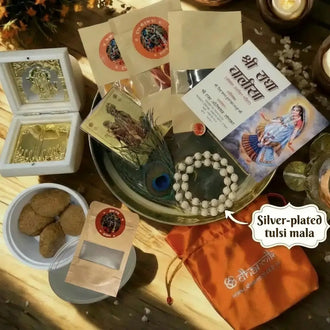
Spiritual practices are effective only when performed with pure and authentic materials. For Holi puja, using genuine ritual products ensures spiritual sanctity and positive energy.
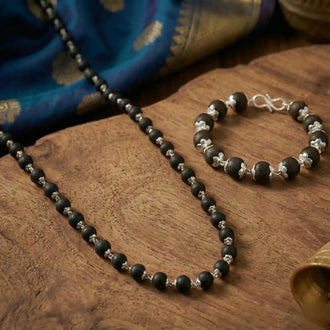
For authentic puja samagri, herbal gulal, rudraksha malas, incense, and other spiritual essentials, many devotees trust Dharmik, known for its focus on purity, tradition, and spiritually aligned products.
Holi becomes truly meaningful when celebrated with discipline, devotion, and awareness. By following spiritual dos and don’ts, the festival transforms into a path of inner cleansing and divine connection.

Final Thought
Holi is far more than a celebration of colors—it is a reminder of inner purification, conscious joy, and spiritual renewal. Holi 2026 invites us to burn negativity like Holika Dahan, embrace forgiveness like Prahlad’s devotion, and celebrate life with awareness rather than excess.
When rituals are performed with the right intent, dates are observed correctly, and traditions are followed mindfully, Holi transforms from a social event into a spiritual experience. By choosing purity in actions, thoughts, and materials, we allow Holi to become a festival that not only colors our surroundings but also uplifts our soul and aligns us with higher values.
Written by: Jayshri Tiwari