Holi Colors Meaning Types 2026: Sacred Guide to Braj Gulal

Exploring Holi Colors Meaning Types and Their Sacred Origins
Devotees gather at the Banke Bihari temple at 9:00 AM on Phalguna Purnima to witness the first splash of sacred gulal. Understanding the holi colors meaning types helps a seeker connect with the specific energies of the Dashavatar or the Gopis of Braj. Every shade used in the festival of colors carries a vibration rooted in ancient Vedic tradition and the pastimes of Lord Krishna. You will learn about the spiritual symbolism of seven key colors and how to use natural dyes for a pure celebration.
Quick Takeaways
- Natural gulal represents the five elements and connects the physical body to the divine soul.
- Red symbolizes strength and fertility while yellow represents the auspicious energy of Lord Vishnu.
- Authentic colors sourced from flowers like Palash ensure a skin-safe and spiritually uplifting experience.
- Traditional Braj Holi lasts for 48 days starting from the day of Vasant Panchami.
| Color Shade | Sanskrit Name | Deity/Energy | Natural Source | Spiritual Meaning |
|---|---|---|---|---|
| Red | Rakta | Durga / Shakti | Hibiscus / Rose | Purity and Valor |
| Yellow | Pita | Lord Krishna | Turmeric / Marigold | Knowledge and Peace |
| Blue | Nila | Lord Vishnu | Indigo / Blue Orchid | Infinite Consciousness |
| Green | Harit | Lord Rama | Henna / Spinach | New Beginnings |
| Orange | Kesari | Lord Hanuman | Palash Flowers | Sacred Renunciation |
Why This Matters
The use of colors during Holi is more than a social event; it is a ritualistic cleansing of the mind. In the sacred lands of Vrindavan and Mathura, the application of gulal represents the dissolving of the ego before the Lord. According to Bhagavata Purana 10.32.11, the Gopis engaged in divine play with Krishna, using fragrant powders to express their unalloyed devotion. This scripture describes how the dust of the ground mixed with the colors of the flowers to create a heavenly atmosphere during the Rasa Lila. By using specific shades, devotees invite the qualities of those colors into their meditation. For instance, the color blue reminds the practitioner of the vastness of the sky and the ocean, reflecting the nature of Krishna. In Kashi, the use of ash or Bhasma during Masan Holi serves as a reminder of the transient nature of life. Transitioning from synthetic chemicals to organic powders aligns with the principle of Ahimsa or non-harm. Preparing for this festival involves setting a sacred space, which you can learn about in this guide on how to prepare your home mandir for Holi puja. Authentic celebrations require purity in both heart and material.
The Main Guide to Holi Colors Meaning Types

The tradition of Holi involves specific rituals that vary across the 12 forests of Braj Mandal. To celebrate correctly, one must follow the sequence of offering colors first to the deity and then to fellow devotees. This ensures that the celebration remains a form of Bhakti rather than just a worldly party. The process begins on the Purnima Tithi, which is the full moon night of the Phalguna month.
1. Offering to the Ishta Devata
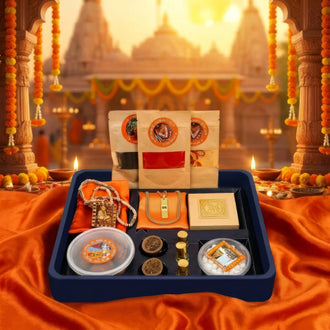
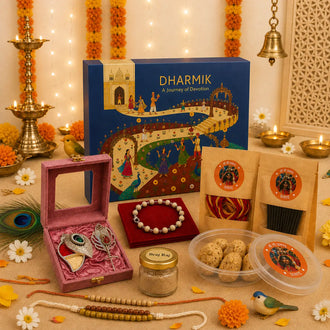
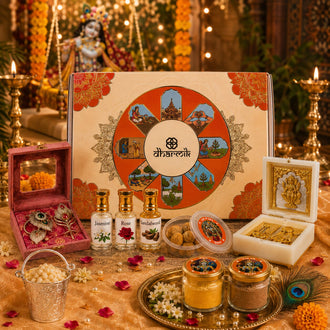
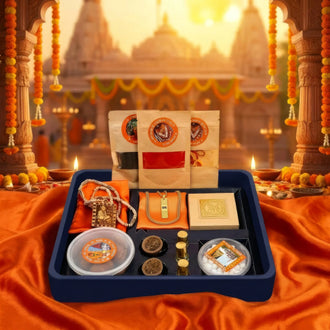
At 6:30 AM on the day of Holi, clean your altar and light a ghee lamp. Take a small amount of yellow gulal and apply it to the lotus feet of your Krishna or Vishnu deity. This act signifies that you are surrendering your senses to the Lord. Yellow is the color of the Pitambara, the silken garment worn by Krishna. You can find authentic materials in the Vrindavan's Divine Holi pack to ensure the highest purity for your deity. Always use your ring finger for this application as it is considered the most sacred finger in Vedic rituals.
2. The Use of Palash and Natural Dyes
Historically, the priests at the Radha Raman temple in Vrindavan used 500 kilograms of Palash flowers to create saffron-colored water. This water, known as Tesu, has medicinal properties that cool the body during the transition from winter to summer. To make this at home, soak 250 grams of dried flowers in 5 liters of water overnight. You can purchase Palash ke Phool to recreate this ancient tradition. The orange hue represents the fire of austerity and the path of the Sannyasi.
3. Applying Tilak to Elders
In Hindu culture, applying a dry gulal tilak to the feet of elders is a sign of respect. This is usually done between 10:00 AM and 12:00 PM. Use red or pink colors for this purpose. Red represents the energy of the heart and the warmth of family bonds. Ensure you do not use wet colors on elders or during the initial greeting. The spiritual energy of the festival is maintained when the application is gentle and respectful.
4. Celebrating with the Community
After the morning puja, devotees move to the streets or community halls. Use a Vrindavan Silver Bucket and Pichkari to spray colored water in a playful manner. This mimics the Lilas performed by Krishna and the cowherd boys of Gokul. The blue color is often favored here to represent the "Shyam" or dark-complexioned Lord. The community gathering should conclude by 2:00 PM to prepare for the evening cleaning and prayers.
Benefits of Using Natural Holi Colors
- Natural dyes like beetroot and turmeric protect the skin from rashes and allergic reactions common with chemical powders.
- Organic gulal is biodegradable and does not pollute the soil or water bodies in your local environment.
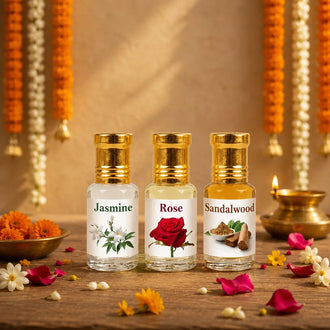
- The aroma of sandalwood and rose in natural colors acts as aromatherapy, reducing stress and anxiety.
- Using flower-based powders supports local farmers who cultivate traditional medicinal plants across India.
- Spiritual vibrations are higher in natural substances as they contain the Prana of the plant.
- Cleaning up after the festival is 40% faster when using non-staining herbal powders.
- You can gift a Vrindavan Holi Box to friends to encourage eco-friendly and spiritual celebrations.
What are the different Holi colors and their spiritual meanings?

The primary colors used in Holi each correspond to a specific spiritual frequency and a Vedic deity. Red is associated with the planet Mars and the Goddess Durga, representing the power of transformation and the destruction of evil. Yellow is the color of Jupiter and Lord Vishnu, signifying auspiciousness, wealth, and spiritual growth. Blue belongs to the infinite, much like the sky, and is the chosen color of Lord Krishna and Lord Shiva. Green represents the planet Mercury and is the color of nature, symbolising the life force or Prana that flows through all living beings. Orange or saffron is the most sacred color in the Sanatana tradition, representing the sacrifice of the ego and the fire of knowledge. White, though less common in powder form, is often represented by the white clothes worn by devotees to symbolize peace and purity. Each color acts as a tool for the mind to focus on a particular divine attribute. Devotees should choose colors that align with their personal spiritual goals for the year. Always consult a priest if you are performing specific Tantric pujas involving color during the night of Holi.
Common Mistakes to Avoid
- Applying color to the face of a deity before the feet is a breach of traditional puja protocols.
- Using silver or gold synthetic paints which contain heavy metals like lead and mercury that damage the skin.
- Starting the celebration before the Holika Dahan bonfire has occurred on the previous night.
- Mixing more than three colors at once which creates a dark, muddy shade that lacks spiritual clarity.
- Wearing dark or black clothing during the day as it absorbs negative energy instead of reflecting the joy of colors.
What is the holi color symbolism?
The holi color symbolism involves the representation of cosmic energies through physical pigments. For example, red stands for the active energy of Shakti, while yellow represents the stabilizing force of Vishnu. Each shade helps a devotee visualize different aspects of the Divine.
How are natural colors made?
Natural colors are made from botanical sources such as dried flower petals, ground spices, and vegetable extracts. Common ingredients include turmeric for yellow, beetroot for magenta, and henna powder for green. These materials ensure that the celebration remains healthy and eco-friendly.
What are the specific color meanings?
The specific color meanings relate to the psychological and spiritual impact they have on the human mind. Blue provides a sense of calm and infinity, while red evokes passion and courage. Using these meanings helps devotees set intentions during the Utsav.
Why is yellow important in Holi?
Yellow is important in Holi because it is the color of the Pitambara, which is the favored garment of Lord Krishna. It also represents the planet Jupiter, which governs wisdom and prosperity in Vedic astrology, making it a highly auspicious choice.
Which color is best for Lord Krishna?
Which color is best for Lord Krishna depends on the specific mood of the devotee, though blue and yellow are the standard choices. Blue represents His complexion, while yellow represents His clothing and the joy He brings to the residents of Vrindavan.
Conclusion
Understanding the holi colors meaning types transforms a simple festival into a deep spiritual practice. By choosing natural shades like those found in the Vrindavan's Divine Holi collection, you honor the environment and your health. Remember to offer the first color to the Lord and treat every devotee as a part of Krishna's family. For more information on why the dates for this festival shift each year, read our article on why Holi is celebrated on different dates. Let the holi colors meaning types bring peace to your soul.
By Rajesh Sharma