Holi Puja Muhurat and Panchang Guide: Date, Time & Rituals Explained
Holi is not just a festival of colors; it is deeply rooted in Hindu traditions, rituals, and sacred timings associated with Holi Puja. Knowing the correct Holi Puja muhurat is essential to perform Holika Dahan and related rituals in an auspicious way. As per Hindu scriptures, every ritual connected to Holi Puja should be done according to the Holi tithi Panchang, which helps align your worship with cosmic energies.
In this complete guide, you’ll learn everything about Holi Puja muhurat, Holi tithi, Panchang details, rituals, and common mistakes to avoid. Whether you are a beginner or someone who follows rituals every year, this guide will help you celebrate Holi Puja with clarity, confidence, and a deeper understanding of Holi Puja traditions.
What Is Holi Puja Muhurat?
The Holi puja muhurat refers to the most auspicious time to perform Holika Dahan puja. This muhurat is calculated using the Hindu Panchang and depends on:

- Holi tithi (lunar date)
- Bhadra kaal (inauspicious period)
- Sunset timing
- Local Panchang variations
Holika Dahan should always be performed after sunset and only after Bhadra kaal ends, as rituals during Bhadra are considered inauspicious.
Holi Festival Timeline Explained
Holi celebrations span over two main days:
Holika Dahan (Chhoti Holi)
- Observed on Phalguna Purnima tithi
- Performed in the evening after sunset
- Symbolizes the victory of good over evil
Rangwali Holi (Dhulandi)
- Celebrated the next day
- Devoted to colors, joy, and togetherness
Understanding this timeline helps avoid confusion regarding Holi puja muhurat and rituals.
Holi Puja Muhurat: Key Rules to Follow
When selecting the Holi puja muhurat, keep these rules in mind:
- Holika Dahan must be done after sunset
- Bhadra kaal must be completely avoided
- Prefer Pradosh kaal if available
- Local Panchang timings should be followed
Featured Snippet Tip:
Holi puja muhurat is the auspicious time after sunset on Phalguna Purnima, excluding Bhadra kaal, as per the Hindu Panchang.

How to Check Holi Tithi Panchang Correctly
To find accurate Holi timings, follow these steps:
- Check your local city Panchang
- Confirm Phalguna Purnima tithi start and end time
- Note Bhadra kaal duration
- Identify the Pradosh kaal window
Different cities may have slightly different Holi puja muhurat timings due to sunset variations.
Holika Dahan Puja Samagri List
Here’s a simple list of items needed for Holi puja:
- Cow dung cakes
- Dry wood
- Ghee
- Kumkum and haldi
- Raw cotton thread
- Mustard seeds
- Coconut
- Gangajal or Amrit Jal perfume
Using traditional samagri enhances the spiritual value of the ritual.

Step-by-Step Holika Dahan Puja Vidhi
Simple Holi Puja Procedure
- Clean the puja area and prepare the Holika pyre
- Apply kumkum and haldi to Holika
- Tie raw cotton thread around Holika 3 or 7 times
- Offer water, flowers, and coconut
- Light the fire during the correct Holi puja muhurat
- Pray for protection, positivity, and prosperity
Keep prayers simple and heartfelt.
Spiritual Significance of Holi Puja
Holi puja is not just symbolic; it carries deep spiritual meaning:
- Burns negativity and ego
- Invokes divine protection
- Encourages forgiveness and harmony
- Marks the transition from winter to spring
Performing rituals as per the Holi tithi Panchang amplifies these benefits.
Common Mistakes to Avoid During Holi Puja
Avoid these errors to maintain ritual purity:
- Performing Holika Dahan during Bhadra kaal
- Ignoring local Panchang timings
- Using plastic or harmful materials
- Treating rituals as a mere formality
Correct timing and intention matter more than elaborate arrangements.

Holi Puja for Beginners: Easy Tips
If you’re new to Holi rituals, follow these beginner-friendly tips:
- Keep the puja simple
- Focus on the correct Holi puja muhurat
- Chant basic prayers
- Avoid overthinking rituals
Devotion matters more than perfection.
FAQs on Holi Puja Muhurat and Panchang
Q1. What is the best time for Holika Dahan?
The best time is after sunset on Phalguna Purnima, excluding Bhadra kaal, as per the local Panchang.
Q2. Can Holika Dahan be done during the day?
No. Holika Dahan should always be performed after sunset.
Q3. Why is Bhadra kaal avoided during Holi puja?
Bhadra kaal is considered inauspicious and associated with negative outcomes in religious rituals.
Q4. Does Holi puja muhurat change every year?
Yes. Holi timings vary every year based on lunar calculations in the Hindu Panchang.
Q5. Is Holi puja compulsory before playing with colors?
Traditionally, yes. Holika Dahan puja is performed before Rangwali Holi.
Conclusion: Celebrate Holi the Right Way
Understanding the correct Holi puja muhurat and following the Holi tithi Panchang ensures your Holi celebrations are spiritually aligned and meaningful. Rituals performed at the right time bring positivity, protection, and peace into life.
If you want to celebrate Holi beyond colors—by honoring tradition and energy—start with the right muhurat.
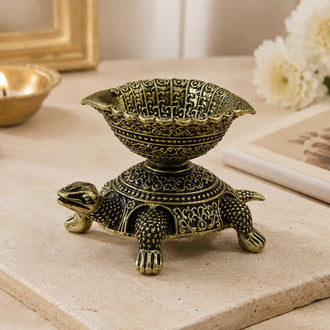
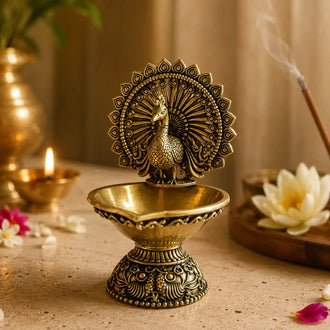
Buying products like a Havan Diya for Holi pujas enhances devotion and creates a sacred atmosphere.

Written by: Payal Mukherjee