Holi Puja Muhurat Panchang 2026: Exact Timings & Rituals

Complete Holi Puja Muhurat Panchang and Ritual Guide for 2026
Phalguna Purnima falls on March 3, 2026, marking a pivotal moment in the Vedic calendar for purification and joy. Understanding the holi puja muhurat panchang ensures that the fire of transformation burns during the correct celestial alignment to remove negativity. This guide provides the specific windows for Holika Dahan and the subsequent color celebrations in the Braj tradition. You will learn the exact timings, the role of Bhadra, and the necessary steps to perform a valid puja at home.
Quick Takeaways
- Holika Dahan must occur after the Bhadra Mukha period to avoid inauspicious results during the tithi.
- The Phalguna Purnima tithi begins early on March 3, 2026, and concludes on March 4.
- Performing the bonfire ritual during Pradosh Kaal ensures the strongest spiritual protection for the household.
- Preparation requires specific items like cow dung cakes, raw cotton thread, and Ganga water for purification.
| Event | Date | Tithi | Muhurat | Significance |
|---|---|---|---|---|
| Phalguna Purnima Start | March 3, 2026 | Purnima | 01:25 AM | Beginning of the sacred full moon night. |
| Bhadra Punchha | March 3, 2026 | Purnima | 02:40 PM - 03:50 PM | A time for preparation but not for lighting the fire. |
| Holika Dahan Timing | March 3, 2026 | Purnima | 06:22 PM - 08:48 PM | The most auspicious window for the bonfire ritual. |
| Holi (Dhulandi) | March 4, 2026 | Pratipada | Sunrise onwards | The celebration of colors and victory of devotion. |
Why This Matters: The Puranic Origins

The significance of this festival is rooted in the story of Bhakta Prahlad and his unwavering devotion to Lord Vishnu. According to Skanda Purana 2.4.18, the bonfire represents the destruction of demonic tendencies and the preservation of the righteous path. In the streets of Vrindavan, this day is not just a seasonal shift but a celebration of Krishna’s eternal play with the Gopis. The energy of the Phalguna Purnima is believed to cleanse the environment of the accumulated heaviness of winter. Devotees at the Banke Bihari temple observe these timings strictly to ensure the temple rituals align with the movement of the planets. Following the correct timings prevents the Dosha associated with Bhadra, which is a specific period in the lunar cycle where auspicious activities are restricted. You can learn more about how to prepare your home mandir for this transition. The heat of the Holika fire is symbolic of the fire of knowledge that consumes ignorance, as documented in the Bhagavata Purana. By honoring these ancient windows of time, you invite the grace of Narasimha Deva into your living space, protecting your family from internal and external obstacles throughout the coming year.
The Main Guide: Step-by-Step Holika Dahan Vidhi
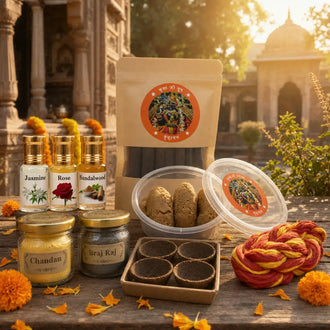
To perform the ritual correctly during the stipulated windows, you must follow a structured sequence. Start by cleaning the area where the bonfire will be lit with cow dung and water. This creates a purified base for the Agni. Use the Vrindavan Holi Box to ensure you have the necessary traditional elements for the sthapana. Follow these steps for the puja:
- Sankalpa: Sit facing East or North and take water in your right hand, chanting your name and the purpose of the puja.
- Ganesha Puja: Before lighting the fire, offer flowers and akshat to Lord Ganesha to remove any barriers to the ritual.
- Ambika and Narasimha Puja: Chant the names of Mata Ambika and Lord Narasimha, asking for protection and the destruction of evil.
- Circumambulation: Walk around the Holika pile three or seven times while wrapping raw cotton thread (mouli) around it.
- Arghya: Offer water, scents, and flowers to the fire once it is lit, reciting the Narasimha mantra for strength.
- Offering Grains: Place new grains like wheat or barley into the fire as a symbol of gratitude for the harvest.
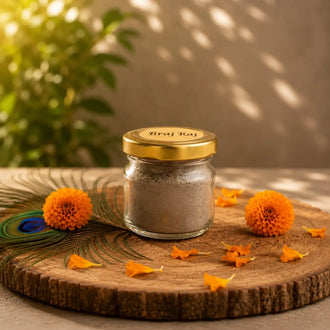
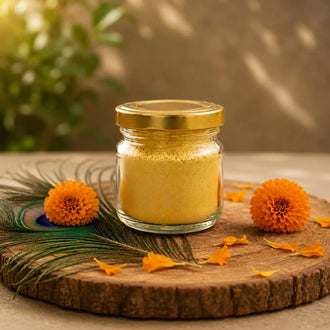
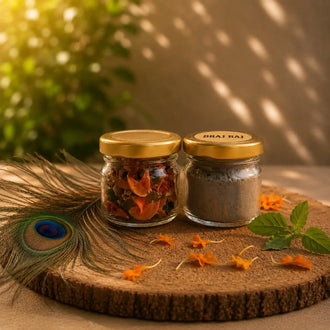
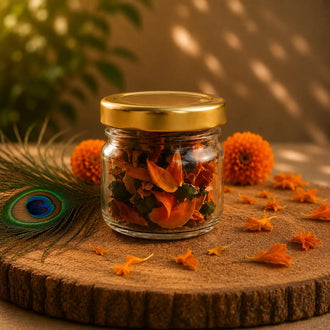
In the Braj region, devotees often bring back a small amount of the cooled ash the next morning. This ash is applied to the forehead as a protective mark. During the color play on the following day, using traditional materials is vital. Many use the Braj Raj and Palash combo to maintain the spiritual purity of the celebration. The use of Palash flowers to create yellow water is a tradition that dates back centuries in Mathura and Nandgaon. It is essential to wait for the exact timing for the bonfire, as lighting it during Bhadra Mukha is said to bring hardship to the community. The panchang calculation considers the longitude and latitude of your location, but the general Pradosh Kaal window remains the standard for most regions in India.
Detailed holi puja muhurat panchang for 2026

The technical aspects of the 2026 calendar show that the Purnima Tithi is quite long, stretching over 24 hours. However, the presence of Bhadra Karana on the afternoon of March 3 creates a restriction. Bhadra ends at 06:22 PM, which is why the Dahan is scheduled only after this time. In the tradition of Dharmik life, we emphasize that the spiritual vibration of the home is enhanced when rituals are synchronized with these cosmic shifts. Using Vrindavan Gulaal Packets for the next day's festivities ensures that the colors are as pure as the intent of the puja. For those performing the ritual for Kanha at home, the Vrindavan Silver Bucket and Pichkari adds a touch of traditional Braj elegance to the Bal Gopal seva.
Checklist for a Successful Holi Puja
Gathering the right materials beforehand avoids confusion during the narrow muhurat window. Ensure you have the following items ready at least two days before Phalguna Purnima:
- Cow dung cakes (Upla) and a tall wooden stick to represent Prahlad.
- A bowl of water for the Arghya and cleansing the area.
- Raw cotton thread (Mouli) for circumambulation.
- Incense sticks, clay lamps, and sesame oil for the initial aarti.
- Offerings like batasha, dry coconut, and seasonal fruits.
- Natural gulal made from turmeric or flowers to offer to the deities first.
- Ganga water for the final purification of the spot after the fire cools.
What is the exact Holi Puja Muhurat according to the Panchang?
The exact timing for the Holika Dahan puja in 2026 is between 06:22 PM and 08:48 PM on March 3. This window is determined by the intersection of the Purnima Tithi and the Pradosh Kaal, which is the period just after sunset. A crucial factor in this calculation is the avoidance of Bhadra. In Vedic astrology, Bhadra is the daughter of Surya Dev and is considered to have a harsh nature. Performing auspicious acts like lighting the Holi fire during her "Mukha" (face) period is strictly forbidden as it is believed to cause societal unrest or personal health issues. The panchang specifies that Bhadra stays in the "Pataal" or "Swarga" during certain tithis, but on this specific day, it resides in the "Bhuloka" (earth) for the first half of the evening. Only after 06:22 PM does the shadow of Bhadra lift, allowing the spiritual benefits of the fire to manifest without hindrance. For devotees following the Vrat, the fast should be broken only after the Dahan is completed. You should also understand why Holi dates change based on these lunar calculations to stay prepared for future years. Consulting a local priest for the exact second of sunset in your specific city is always a wise practice.
Common Mistakes to Avoid During Puja
- Lighting the bonfire before the Bhadra period has officially ended, which nullifies the spiritual protection of the ritual.
- Using synthetic or plastic waste in the Holika fire instead of natural wood and cow dung cakes.
- Neglecting to perform the circumambulation (Parikrama) in a clockwise direction during the mouli-tying phase.
- Breaking the Purnima fast before the fire is lit and the first offerings are made to the Agni Dev.
- Applying colors to others before offering the first pinch of gulal to the Ishta Devta on the following morning.
When is the best puja timing for Holika Dahan?
The best puja timing for Holika Dahan is during the Pradosh Kaal after the Bhadra period has ended. On March 3, 2026, this window opens at 06:22 PM and remains active until 08:48 PM for maximum spiritual benefit.
Is the exact timing for Holi the same everywhere?
The exact timing for Holi rituals varies slightly by city based on local sunset times. While the tithi start and end points are consistent, the Pradosh Kaal window must be calculated according to your specific geographical coordinates.
What does holika dahan symbolize in the panchang?
The holika dahan symbolizes the victory of the spirit over the ego and the end of the winter season. In the panchang, it marks the completion of the Phalguna month and the preparation for the Vedic New Year.
Can we perform puja during Bhadra Punchha?
Performing puja during Bhadra Punchha is generally avoided for major activities like lighting the fire. However, some traditions allow for the preparation of the site during this time, provided the actual Dahan happens after Bhadra Mukha passes.
Why is the Phalguna Purnima tithi so important?
The Phalguna Purnima tithi is important because it is the day of the miraculous protection of Prahlad. It is also the appearance day of Chaitanya Mahaprabhu, making it a day of immense significance for Krishna devotees worldwide.
Conclusion
Aligning your celebrations with the Vedic calendar brings harmony and divine protection to your household. By following the specific windows for Dahan and using authentic materials from the Braj region, you honor the ancient traditions of Lord Krishna. Remember to complete your preparations before the evening of March 3 to avoid the rush of the muhurat. Following the holi puja muhurat panchang brings peace and ensures the fire of purification works in your favor. For a truly authentic experience, consider using the Vrindavan Holi Box for your family rituals. Stay updated on other seasonal transitions by learning about how to prepare your home mandir for every festival.
By Ramananda Das