Temples Holika Dahan Celebration Ritual 2027: Spiritual Guide

Sacred Temples Holika Dahan Celebration Ritual Across India
The night air on Phalguna Purnima carries the scent of burning cow dung cakes and dried wood across Bharat. This temples holika dahan celebration ritual marks the annual victory of Bhakt Prahalad over the demonic energies represented by his aunt. You will learn the specific steps priests take to ignite the holy pyre and the local variations found from Kashi to Kanyakumari.
Quick Takeaways
- Rituals focus on the Pradosh Kaal Muhurat for burning the symbolic wood stack.
- Priests use dried cow dung cakes and sacred samagri to purify the atmosphere.
- Devotees circumambulate the fire seven times while chanting specific Vedic Sanskrit mantras.
- Ash from the sacred fire is collected the next morning for protection.
| Event | Date | Tithi | Muhurat | Significance |
|---|---|---|---|---|
| Holika Dahan 2027 | March 21, 2027 (Sunday) | Phalguna Purnima | 6:33 PM – 8:55 PM (commonly followed Holika Dahan Muhurat) | Victory of Good over Evil |
| Dhulandi (Holi) | March 22, 2027 (Monday) | Chaitra Krishna Pratipada | All Day | Brotherhood, Joy, and the Celebration of Spring |
| Holika Ashtak Ends | March 21, 2027 | Phalguna Purnima | Sunset | End of the Inauspicious Holashtak Period |
Why This Matters
The act of burning the wood stack represents the destruction of ego and internal impurities before the spring season begins. In the Skanda Purana 2.4.18, it is stated that those who perform the pradakshina of the sacred fire on this night receive relief from planetary afflictions. This fire is not a common flame but a representation of the Jataragni that consumes sins. In Vrindavan, the fire is treated as a guest, where residents offer grains and sugar candy to the flames. Temple priests in Kashi often start the fire with embers from a continuous dhuni to maintain the lineage of the flame. This ensures the energy remains pure and spiritually charged. Aligning your personal practice with these ancient temple traditions connects you to a lineage of devotees who have sought the protection of Lord Vishnu for millennia. Understanding the holika dahan 2027 puja vidhi helps you prepare for future celebrations with the correct mental attitude. The ritual creates a shield around the community, ensuring that the transition into the new lunar year happens under divine grace. Every spark represents a prayer for the welfare of the world.

The Main Guide to Temples Holika Dahan Celebration Ritual
The preparation for the ritual begins weeks in advance as temple volunteers collect specific wood types like Shami, Peepal, and Bargad. In North Indian temples, the structure is built around a central pole called the Prahalad Khamb, which represents the unwavering faith of the child devotee. Priests perform a Shodashopachara puja of the wood stack before sunset, offering haldi, kumkum, and akshat to the wood. The use of a Monthly Vrindavan Puja Kit ensures all basic items are available for such domestic or temple preparations. Once the tithi arrives, the Mukhya Pujari ignites the stack from the southern direction. Devotees then toss dried coconut and popcorn into the flames as a form of sacrifice.
Regional Customs in North India
In Kashi, the ritual involves the use of bhasma or ash from the Manikarnika ghat, symbolizing the cycle of life and death. The fire is huge and reaches heights of twenty feet in open temple squares. People sing folk songs that narrate the story of Narali Purnima and the protective nature of Lord Narasimha. Many carry a Vrindavan Holi Box to the temple to offer the included dry gulaal to the embers after the heat subsides. This act signifies the transformation of heat into the cool colors of spring.
South Indian Variations
In the southern states, the day is often celebrated as Kamadahana, focusing on the story of Lord Shiva and Kamadeva. The fire represents the burning of desire and the opening of the third eye of wisdom. Temples in Tamil Nadu and Kerala light lamps instead of massive bonfires in some specific traditions to keep the temple sanctum cool. They offer special neivedyam made of rice and jaggery to the deity before the outdoor fire ritual starts. The focus remains on the internal holika fire ritual of self purification and discipline.
Western India Traditions
In Rajasthan and Gujarat, the celebration includes a dance around the fire called the Gher. Men hold sticks and move in rhythmic circles, creating a protective vibration around the temple premises. They use cow dung toys called Goolari to decorate the bonfire, which are believed to absorb negative vibrations from the environment. Priests often distribute charred wheat stalks to the devotees as prasad, which are eaten for health and vitality in the coming year.
Benefits of Participating in Temple Rituals
- It cleanses the environment of bacteria and seasonal viruses through the smoke of herbs.
- Devotees experience a sense of community and collective prayer.
- The heat from the fire helps in balancing the Kapha dosha during the seasonal shift.
- Donating items like Palash ke Phool to the temple during this time earns spiritual merit.
- The ritual provides a psychological reset, allowing people to let go of past grudges.
- Observing the flames is said to improve eyesight according to local folk beliefs.
- Tying a yellow thread around the Holika stack protects the family from evil eye.
How do different temples across India celebrate Holika Dahan?
Different temples across India celebrate Holika Dahan by incorporating their specific local histories and agricultural cycles into the Vedic framework. For example, in the Banke Bihari temple of Vrindavan, the ritual is more about the joy of the Lord than the destruction of a demon. The fire is smaller, and the focus is on the sprinkling of colored water. In contrast, the royal temples of Rajasthan involve the local King lighting the fire, maintaining a centuries old administrative and spiritual link. In the tribal regions of Madhya Pradesh, the fire is used to predict the success of the upcoming harvest based on the direction of the wind. Some temples in Odisha integrate the Dola Purnima procession where the deity is carried on a palanquin to witness the fire. This diversity proves that while the core scripture remains the same, the expression of faith adapts to the geography. It is always wise to consult a local temple priest regarding specific timings, as the Purnima tithi can vary by a few minutes across different longitudes. This ensures your participation aligns with the local cosmic clock. For more details on the materials used, see the complete holika dahan puja samagri list for your local temple visit.

Common Mistakes to Avoid
- Burning the fire during Bhadra Kaal, which is considered highly inauspicious in the shastras.
- Using green or wet wood that causes excessive black smoke and irritates the eyes.
- Wearing synthetic clothes near the large bonfire, which poses a severe fire hazard.
- Walking barefoot in the area the next morning before the hot embers have cooled.
- Neglecting to offer a simple coconut or grain to the fire before starting your own prayers.
When is the best time for the holika fire ritual?
The best time for the holika fire ritual is during the Pradosh Kaal when the Purnima Tithi is prevailing. The holika fire ritual must not be performed during the Bhadra period to avoid negative results. Priests calculate this window based on the lunar calendar every year for the community.
Why are temple celebrations more significant than home bonfires?
Temple celebrations are more significant because they are led by priests who chant specific Vedic mantras during the lighting. These temple celebrations create a larger energy field that benefits the entire village or city. Public rituals also ensure that the tradition is passed down correctly to the next generation.
What regional customs are unique to the Braj region?
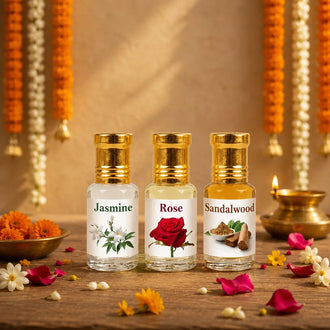
Regional customs unique to the Braj region include the use of Palash flowers and natural perfumes during the ritual. These regional customs also involve singing Samaj Gayan, which are traditional hymns dedicated to Radha and Krishna. Devotees often bring Braj Raj to the fire as a mark of respect.
Can anyone participate in the temples holika dahan celebration ritual?
Anyone can participate in the temples holika dahan celebration ritual regardless of their background or age. The temples holika dahan celebration ritual is a community event designed to foster unity and spiritual growth. Most temples welcome visitors to offer wood, grains, or simple prayers to the sacred bonfire.
What should I bring to a temple for Holika Dahan?
You should bring items like raw cotton thread, turmeric, moong dal, and a coconut to the temple. Many people also bring a Pack of Gulaal to offer to the deity after the fire is lit. Check with the local temple office for any specific donation requirements for the year.
Conclusion
The annual gathering at local shrines for the fire ceremony provides a powerful moment of reflection and renewal for every devotee. By understanding the regional variations and following the correct tithi, you ensure that your prayers reach the divine effectively. Remember to collect a small amount of ash the next morning to keep in your puja room for protection. Observing the temples holika dahan celebration ritual brings peace and prepares the heart for the colors of the following day. For more insights on the 2027 schedule, visit our Holi 2027 guide and keep your spirit high. Using an original Braj Raj during your prayers can further enhance your connection to the sacred land of Vrindavan.
By Raghav Das