Types of Holi Braj Regional Variations 2026: Sacred Guide

Understanding the Types of Holi Braj Regional Variations
The 40-day Holi celebration in Braj begins on Vasant Panchami when the temple priests at Banke Bihari apply the first gulal to the deity. Studying the types of holi braj regional variations allows devotees to understand the deep play of Krishna and his companions. You will learn about the specific rituals of Barsana, Nandgaon, and the hidden gems of Gokul.
Quick Takeaways
- Braj Holi starts on Vasant Panchami and lasts for forty days in local temples.
- Lathmar Holi represents the playful battle between the Gopis of Barsana and Nandgaon men.
- Phoolon Wali Holi at Banke Bihari temple uses flower petals instead of liquid colors.
- Huranga in Dauji is the most intense version involving the tearing of clothes.
- Phoolon Wali Holi
| Event | Date (2026) | Tithi | Muhurat | Significance |
|---|---|---|---|---|
| Lathmar Holi Barsana | February 24, 2026 | Phalguna Shukla Ashtami | 4:30 PM - 6:00 PM | Women hit men with wooden staves |
| Lathmar Holi Nandgaon | February 25, 2026 | Phalguna Shukla Navami | 4:00 PM - 5:30 PM | Response to Barsana invites |
| February 27, 2026 | Amalaki Ekadashi | 9:00 AM - 1:30 PM | Flowers offered at Banke Bihari | |
| Holika Dahan | March 3, 2026 | Phalguna Purnima | 6:15 PM - 8:40 PM | Burning of the demoness Holika |
| Main Dhulandi | March 4, 2026 | Chaitra Krishna Pratipada | All Day | General color play across Braj |
Why This Matters
The regional celebrations of Holi in the Mathura district are not just festivals but a living reenactment of the Dwapara Yuga. Every village around the Govardhan hill has a specific story tied to the childhood of Krishna. These local customs preserve the emotional connection between the creator and the devotee. Unlike the urban celebrations, these events focus on the mood of "Brava" or spiritual ecstasy. Bhagavata Purana 10.32.10 describes the Gopis meeting Krishna in the forest, which forms the basis for these interactions. In the narrow lanes of Vrindavan, the dust itself is considered sacred because it touched the feet of the Lord. Devotees often visit preparing their home mandirs before traveling to these holy sites. The atmosphere in Kashi and Ayodhya is different, but the Braj style remains the most famous for its variety. Understanding the theology behind the colors helps a practitioner move from physical enjoyment to spiritual realization. Every pinch of red powder symbolizes the love of Radha Rani for her Lord.

Exploring Types of Holi Braj Regional Variations Across Villages
1. Lathmar Holi of Barsana and Nandgaon
The tradition of Lathmar Holi begins in Barsana, the home of Radha Rani. On the day of Phalguna Shukla Ashtami, men from Nandgaon, known as Hurriyare, arrive at the Ladli Ji temple. The women of Barsana, representing the Gopis, wait with thick wooden sticks to beat the men. The men carry leather shields to protect themselves while singing folk songs. This event commemorates Krishna visiting Barsana to tease Radha and her friends. The next day, the same ritual occurs in Nandgaon where Barsana men visit the Krishna temple there. This exchange of playful defense and attack is a highlight of the braj holi traditions.
2. Phoolon Wali Holi in Vrindavan
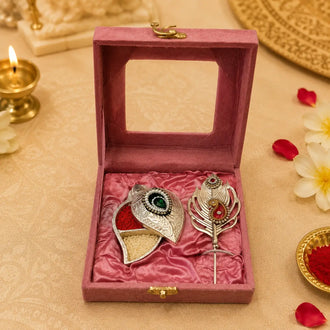
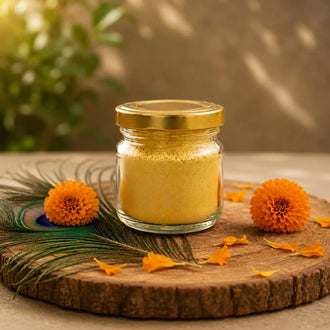
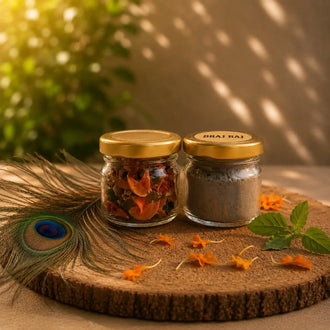
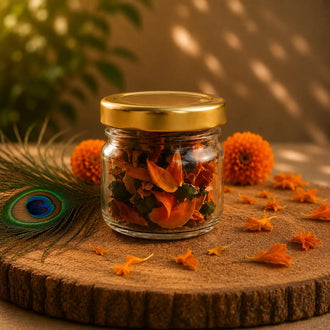
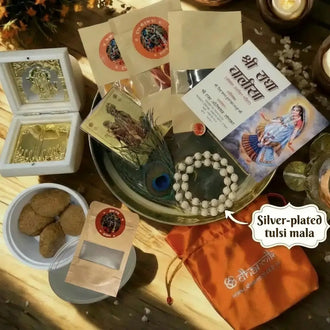
In the heart of Vrindavan, the Banke Bihari temple hosts Phoolon Wali Holi on Amalaki Ekadashi. For about 15 to 20 minutes, temple priests shower the devotees with petals of roses, marigolds, and chrysanthemums. This event is a gentle version of the festival compared to the water-based celebrations. It signifies the spring season where nature offers its best colors to the Lord. Many devotees use a Vrindavan Holi Box to bring this essence to their own homes. The fragrance of flowers mixed with sandalwood powder fills the entire temple hall during this short but powerful window.
3. Chadi Mar Holi of Gokul
Gokul celebrates Holi a bit differently because it was the childhood home where Krishna was a small toddler. Instead of heavy wooden staves, women use small sticks or "chadis" to playfully hit the men. This Chadi Mar Holi happens at the Gokulnath Ji temple. The logic is that since Krishna was small in Gokul, he should not be frightened by big sticks. It is a very sweet and maternal form of the festival. Priests distribute sweets and buttermilk to the visitors who gather at the banks of the Yamuna river.
4. Widows' Holi at Gopinath Temple
A few years ago, the tradition changed to include those who were previously excluded. At the Gopinath temple in Vrindavan, hundreds of widows break age-old taboos by playing with colors. They wear white sarees and celebrate with gulal and flower petals. This event has become one of the most emotional sights in the region. It represents the inclusive nature of Krishna's love, where every soul has a right to join the spring festivities. You can see the joy on the faces of the elderly mothers as they sing bhajans and dance in the temple courtyard.
5. Huranga at Dauji Temple
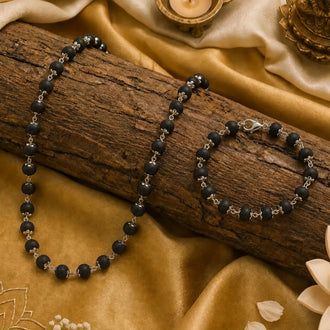
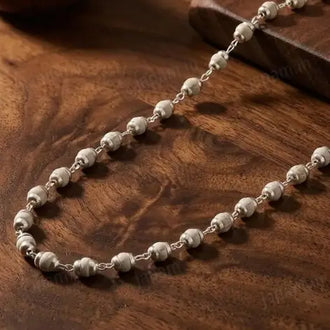
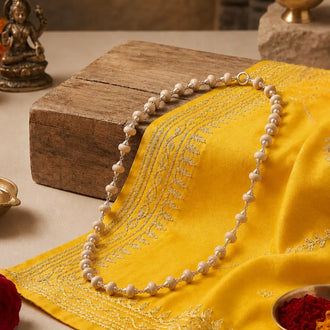
The most vigorous version of Holi happens at the Balram temple in Dauji, about 30 kilometers from Mathura. Known as Huranga, this happens the day after the main Holi. Women of the community tear the shirts of the men and use the cloth strips to playfully whip them. Men try to pour buckets of saffron-colored water over the women. This ritual is based on the authority of Balram, the elder brother of Krishna, who is the king of Braj. The intensity of this celebration is unmatched by any other village ritual. Devotees often wear an Original Tulsi Kanthi Mala for protection and peace while witnessing these high-energy events.
6. Laddu Holi at Barsana
Before the sticks come out, Barsana celebrates Laddu Holi. This happens when the invitation for Holi is accepted by the Nandgaon village. At the Radha Rani temple, priests throw thousands of yellow laddus from the top floor into the crowd. Devotees try to catch these as prasadam. This event is chaotic but filled with laughter and singing. It marks the formal start of the main festivities in the mountain region of Braj.
Checklist for a Sacred Braj Holi
- Carry natural Gulaal made from flowers or cornstarch to avoid skin irritation.
- Apply oil on your skin and hair before entering the temple crowds.
- Donate yellow clothes and sweets to the local priests on Phalguna Purnima.
- Visit the Yamuna river for a morning dip at Vishram Ghat in Mathura.
- Carry a Pack of 4 Gulaal Packets to share with fellow pilgrims.
- Offer "Bhog" of Gujiya and Thandai to your home deity before playing outside.
- Respect the local customs by following the specific timings of each village temple.

What are the different types of Holi celebrated in Braj region?
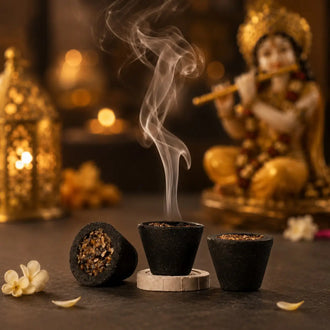
The Braj region celebrates over a dozen distinct types of Holi, each tied to a specific village and a past-time of Lord Krishna. The primary variations include the Lathmar Holi of Barsana and Nandgaon, where women use sticks for defense. In Vrindavan, the Phoolon wali Holi is famous for using flower petals at the Banke Bihari temple. Gokul observes Chadi Mar Holi, a gentler version using small sticks. Mathura features a massive procession or "Holi Gate" carnival with traditional folk performances. The town of Dauji is known for Huranga, a high-energy ritual in the Baldev temple. Falen village hosts a dangerous ritual where a priest walks through a bonfire to commemorate Prahlad’s victory over Holika. Each of these styles represents a different mood of devotion. It is best to consult a local guide or priest to understand the exact timings, as these can change by a few hours depending on the tithi. Always remember that while the play is vigorous, the intent is purely spiritual. For more context on sacred rituals, you can read about using natural dhoop during these festivals.
Common Mistakes to Avoid
- Wearing expensive jewelry or silk clothes in the temple crowds where they might get damaged.
- Using permanent chemical colors which are not allowed in several traditional Braj temples.
- Entering the inner sanctum of the temple during the color throwing with your shoes on.
- Trying to photograph the deity during the peak moments when cameras can be damaged by water.
- Arriving late for Lathmar Holi, as the roads to Barsana are often closed by noon.
How long does Holi last in Braj?
Holi lasts in Braj for forty days, starting from the day of Vasant Panchami until the day of Ranga Panchami. While the main national holiday is one day, the local temples follow a detailed calendar of daily color offerings.
Where is the best place to see Lathmar Holi?
The best place to see Lathmar Holi is the Ladli Ji temple in Barsana on the first day. On the second day, the action moves to the Krishna temple in Nandgaon, where the men from Barsana receive the same treatment.
What is the significance of the bonfire in Falen?
The significance of the bonfire in Falen is the reenactment of Prahlad surviving the fire of Holika. A local priest undergoes strict penance for several days before walking through the flames completely unharmed by the heat.
What is the meaning of Huranga?
The meaning of Huranga is a more intense and aggressive form of Holi played at the Dauji temple. It involves women tearing the clothes of men, symbolizing the dominance of the Gopis over the companions of Krishna during the festival.
Can outsiders participate in the local celebrations?
Outsiders can participate in the local celebrations by joining the crowds in the temple courtyards. However, it is important to follow the regional celebrations etiquette and respect the boundaries set by the local men and women in the villages.
Conclusion
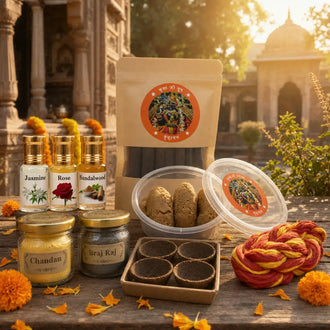
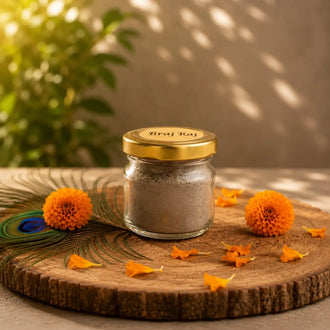
Celebrating the types of holi braj regional variations offers a glimpse into the eternal love of Radha and Krishna. From the sticks of Barsana to the flowers of Vrindavan, every ritual serves as a path to Bhakti. Ensure you prepare your heart and your puja space with authentic items like the Braj Raj and Palash ke Phool. By respecting these ancient traditions, you become part of a lineage that spans thousands of years. Learn more about festival preparations in our guide on setting up your home mandir for the spring season.
By Archana Devi