Why Holi Celebrated Meaning History Spiritual 2026 Guide

Understanding Why Holi is Celebrated it's Meaning and Spiritual History
Phalguna Purnima marks the transition from winter to the heat of the summer sun. Devotees often ask why holi celebrated meaning history spiritual to connect with the roots of their Vedic traditions. This exploration explains the triumph of Narasimha Dev over the demon Hiranyakashipu and the eternal leelas of Krishna and Radha in the groves of Vrindavan. You will find the exact dates for 2026 and the specific rituals required for a traditional home celebration. Understanding these ancient stories helps us prepare our hearts for the arrival of the spring season.
Quick Takeaways
- Holi marks the victory of Prahlad over the fire of Holika.
- The festival falls on the full moon day of the Phalguna month.
- Radha and Krishna initiated the use of colors in the Braj region.
- Rituals include Holika Dahan followed by the play of colors.
| Event | Date | Tithi | Muhurat | Significance |
| Holika Dahan | March 3, 2026 | Phalguna Purnima | 18:45 to 21:10 | Victory of good over evil |
| Dhulandi (Colors) | March 4, 2026 | Chaitra Krishna Pratipada | All Day | Unity and divine love |
| Rang Panchami | March 8, 2026 | Chaitra Krishna Panchami | 09:30 to 12:15 | Five elemental purification |
The Scripture Behind Why Holi Celebrated Meaning History Spiritual

The roots of this celebration reside in the ancient stories of our Puranas. One primary holi origin story involves the young devotee Prahlad. His father Hiranyakashipu claimed to be God and ordered everyone to worship him. Prahlad refused because he was a dedicated servant of Lord Vishnu. The king attempted to kill his son multiple times. Finally, the demon king ordered his sister Holika to sit in a fire with Prahlad. Holika had a boon that fire could not burn her. However, the flames consumed her while Prahlad remained safe through his unwavering faith. This event establishes the festival significance as a win for true bhakti. As stated in Skanda Purana 2.4.18, the act of circumambulating the sacred fire removes the sins of the past year. In Vrindavan, the tradition focuses on the union of the soul with the Paramatma. The play of colors represents the different moods of devotion. We look to the texts to find the correct timing for these events. This ensures our worship aligns with the planetary positions that influence human consciousness. Following the lunar calendar dates is essential for the spiritual potency of the day.
The Main Guide to Traditional Rituals
- Preparing the Holika Pyre: Gather dried wood, cow dung cakes, and seasonal grains. Construct the pyre in an open space facing the East or North. Place a symbolic idol of Prahlad made of non-combustible material in the center.
- Holika Dahan Puja: Offer water, rice, and flowers to the pyre before lighting it. Use a Braj Raj and Palash ke Phool combo to sanctify the space. Circle the fire seven times while chanting the Narasimha Maha Mantra.
- Offering the Harvest: Toss green gram and wheat stalks into the flames. This signifies gratitude for the spring harvest. Collect the cold ashes the next morning. Many families apply this ash to their foreheads for protection.
- Rangotsav Play: Begin the day of colors by offering Gulaal to the deities in your mandir. Use a Vrindavan Silver Bucket and Pichkari to bathe your Ladoo Gopal. This mimics the leelas performed by the gopis of Braj.
- Community Bonding: Visit neighbors and elders to apply tilak. Use natural powders to protect the skin and the environment. A Pack of 4 Gulaal Packets ensures you have authentic colors for the entire family.
The Role of Krishna Radha in Spring Traditions
In the villages of Nandgaon and Barsana, the celebration takes a romantic form. Krishna was concerned about his dark complexion compared to the fair skin of Radha. Mother Yashoda suggested he apply color to Radha's face to change her appearance. This playful act became the foundation of the Dhulandi tradition. The internal bond between krishna radha represents the highest form of spiritual surrender. When we play with colors, we forget our social status and ego. We become part of the divine play that happens eternally in the spiritual sky.
Checklist of Sacred Offerings and Benefits
- Offer Gulaal: Represents the spread of joy and the beauty of the creation.
- Donate Seasonal Fruits: Melons and mangoes help balance the Pitta dosha as the weather warms.
- Use Palash Flowers: These flowers create a natural yellow dye that cools the body during the spring heat.
- Distribute Gujiya: Sweet offerings signify the sweetness of speech and behavior toward others.
- Apply Braj Raj: The sacred dust of Vrindavan connects the devotee to the land of Krishna.
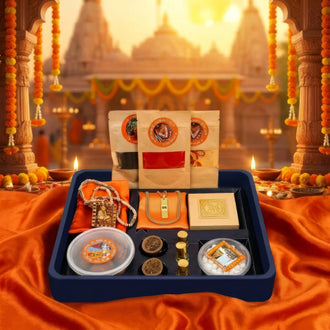
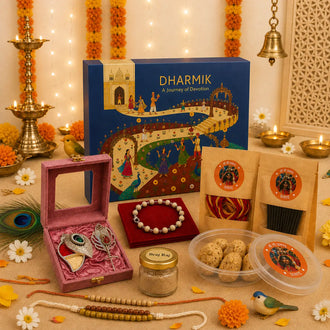
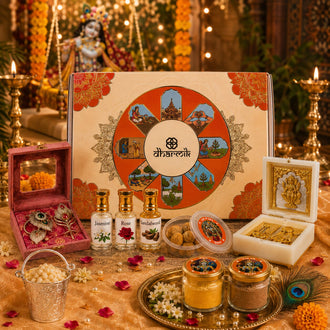
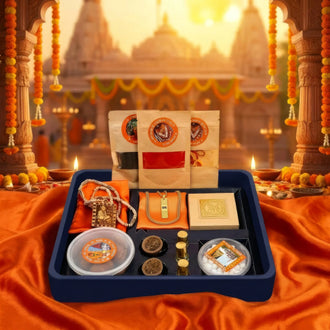
Using a Vrindavan Holi Box provides all the essential items for these offerings in one place. Each item is sourced carefully to maintain the purity required for Vedic worship.
Why do Hindus celebrate Holi and what is its spiritual significance?

The celebration serves as a spiritual cleansing of the mind and the surrounding environment. In the physical world, the fire of Holika Dahan destroys the bacteria that grow during the seasonal change. Spiritually, it represents the burning of negative traits like anger, greed, and jealousy. By remembering the story of Prahlad, we remind ourselves that the material world cannot harm a soul protected by the Divine. The transition to the color festival signifies the variety of life and the presence of God in every shade of existence. It is a day to forgive past grievances and start the new year with a clean heart. Many seekers use this time to renew their vows of daily sadhana. You should consult a local priest to find the specific tithi timings for your city to ensure maximum benefit. For those interested in home rituals, learning home mandir preparation can enhance the devotional atmosphere. This period is not just for social gathering but for deep internal reflection on the victory of light.
Common Mistakes to Avoid
- Lighting the Holika fire before the correct Bhadra Mukha time ends.
- Using chemical colors that damage the skin and pollute the local water sources.
- Consuming intoxicants which distract the mind from the spiritual meaning of the festival.
- Neglecting to offer the first colors to the household deity or Ishta Devta.
- Wasting water in areas where there is a shortage during the spring months.
How is the date of Holi determined each year?
The date of Holi is determined by the Hindu lunar calendar rather than the Gregorian solar calendar. It falls on the Purnima or full moon day in the month of Phalguna. This ensures the festival aligns with the exact transition of the seasons in the Indian subcontinent. The presence of the full moon during Holika Dahan symbolizes the illumination of the soul.
Who was Holika and why was she burned?
Holika was the sister of the demon king Hiranyakashipu and possessed a cloth that protected her from fire. She tried to use this power to kill her nephew Prahlad by sitting in a bonfire with him. Because her intentions were evil, the protection failed and she was burned to ashes. This story teaches us that spiritual powers must never be used for harm.
What is the importance of the color yellow in Holi?
The importance of the color yellow relates to the Palash flower and its connection to Lord Vishnu. Yellow signifies knowledge, learning, and the awakening of the intellect during the spring season. Traditional devotees in Vrindavan often prefer natural yellow powders made from turmeric or dried flowers. This color brings a sense of peace and auspiciousness to the household.
Can we celebrate Holi at home without a community fire?
Celebrating Holi at home is possible by performing a small symbolic Holika puja in a brass bowl or a designated small pit. You can offer cow dung cakes and grains to a small fire while following all safety protocols. The internal meditation on the story of Prahlad is more important than the size of the physical fire. Many urban devotees choose this path to maintain their traditions.
Why is Holi called the festival of love in Vrindavan?
Holi is called the festival of love because it commemorates the transcendental relationship between Radha and Krishna. In the Braj region, the focus is on the emotional connection between the devotee and the Lord. The colors represent the various rasas or spiritual flavors of devotion that a seeker experiences. It is a time when the boundaries between the creator and the created seem to vanish.
Conclusion
The transition into spring offers a chance to refresh our spiritual practice through the lessons of the Puranas. We see that faith can overcome any obstacle, as shown by the safety of Prahlad in the fire. This study of why holi celebrated meaning history spiritual reminds us that every color and ritual has a deeper purpose. Whether you are using natural powders or attending a temple bonfire, keep the focus on the victory of truth. Consider using a Braj Raj - Blessed from Vrindavan to stay connected to the holy land. For more insights, read about natural dhoop for puja to complete your festival preparations.
By Aditi Sharma