Jagannath Rath Yatra History Origins Sacred: 2026 Puri Guide

Jagannath Rath Yatra History Origins Sacred and Puri Traditions
King Indradyumna stood on the white sands of Odisha, watching a divine log of wood float toward the Puri shore. This miraculous event forms the spiritual core of the jagannath rath yatra history origins sacred and the construction of the three wooden deities. Devotees will learn about the evolution of the world's oldest chariot festival and the deep scriptural roots of the Blue Hill shrine.
Quick Takeaways
- The festival commemorates the journey of Lord Jagannath from the main temple to Gundicha temple.
- Rituals include the King of Puri sweeping the chariots to demonstrate humility before the Lord.
- Each chariot is built from scratch annually using specific wood from the local Dashapalla forests.
| Event | Date | Tithi | Muhurat | Significance |
|---|---|---|---|---|
| Snana Yatra | June 1, 2026 | Jyeshtha Purnima | 08:15 AM | Bathing ceremony of the deities. |
| Rath Yatra Start | July 17, 2026 | Ashadha Dwitiya | 04:30 PM | Beginning of the chariot procession. |
| Bahuda Yatra | July 25, 2026 | Ashadha Dashami | 03:45 PM | Return journey of the Lord. |
| Suna Besha | July 26, 2026 | Ashadha Ekadashi | 05:00 PM | Adorning the deities in gold. |
The Scriptural Foundation of the Festival
The historical background of this festival is recorded in various Vedic texts that emphasize the liberation granted by seeing the Lord on his chariot. The Skanda Purana 2.4.18 states that anyone who sees the face of the Lord during the chariot festival will not have to take birth again in this material world. This verse underscores the spiritual urgency felt by millions of pilgrims who gather in the city of Puri each year to pull the ropes of the massive chariots. The ancient tradition dictates that even the highest social figures must serve the Lord as a commoner during these holy days. Historical records from the Ganga dynasty indicate that King Anantavarman Chodaganga Deva formalised many of these rituals in the 12th century. The temple itself stands as a symbol of unity where all barriers of caste are removed in the presence of the Lord. You can read more about the Jagannath idol replacement process to understand how the wooden forms are renewed every few years. This renewal process reflects the eternal nature of the soul versus the temporary nature of the physical body. Every ritual performed today follows the exact manual laid down by ancient seers thousands of years ago.

The Historical Timeline of the Chariot Festival
The Ganga Dynasty and Temple Expansion
The construction of the current temple structure began under King Anantavarman Chodaganga Deva in the 11th century. This king was a great devotee who ensured that the temple became a center of culture and spiritual learning. He established the Mahari dance tradition and the complex kitchen systems that serve thousands daily. During this period, the rath yatra became a massive state event that demonstrated the power and devotion of the Kalinga Empire. The royal family started the tradition of the Gajapati Maharaja acting as the first servant of the Lord. This act of sweeping the chariots with a golden broom is known as Chhera Pahanra and continues today. Historical accounts from this era describe the massive crowds that would travel for months just to catch a glimpse of the Lord.
The Maratha Influence and Protection
In the 18th century, the Marathas took control of Odisha and provided significant patronage to the Puri temple. They ensured that the rituals remained uninterrupted despite political shifts in the region. The Marathas introduced specific administrative reforms that helped manage the large number of pilgrims. They also donated vast lands to the temple to ensure a steady supply of resources for the daily bhog and the annual chariot construction. During this time, the sacred journey became a symbol of resistance and cultural preservation for the local population. The records from the Maratha administration provide a detailed view of the expenses involved in building the three chariots. These chariots are named Nandighosha for Jagannath, Taladhwaja for Balabhadra, and Darpadalaan for Subhadra.
British Records and Global Recognition
When the British East India Company arrived in Odisha in 1803, they were fascinated by the scale of the festival. They referred to the Lord as Juggernaut, a word that entered the English language to describe an unstoppable force. Early British administrators like Charles Groeme wrote detailed reports on the temple management and the chariot dimensions. These colonial records inadvertently helped document the consistency of the rituals over the last two hundred years. The British initially tried to tax pilgrims but eventually handed over the management to the local King of Puri. Today, the festival is broadcast to millions around the world, making it a global spiritual event. You can prepare for your own home puja using a Monthly Vrindavan Puja Kit to maintain a daily connection with the Lord.
Chariot Construction and Sacred Dimensions
The building of the chariots begins on the auspicious day of Akshaya Tritiya. This process follows strict architectural rules found in the Shilpa Shastras. No metal nails are used in the construction of these massive structures. Instead, wooden joints and pegs hold the entire frame together. The chariot of Lord Jagannath, Nandighosha, stands 45 feet tall and has 16 wheels. Each wheel represents a different aspect of the cosmic cycle. The chariot of Balabhadra is 44 feet tall with 14 wheels, while Subhadra's chariot is 43 feet tall with 12 wheels. The colors of the cloth used to cover these chariots are also specific. Yellow and red are for Jagannath, blue and red for Balabhadra, and black and red for Subhadra. The wood is sourced from specific trees like Phasi and Asana, which are marked by temple officials months in advance. The carpenters, known as Maharana Sevayats, have been doing this service for generations as a hereditary duty.

Essential Benefits of Observing the Rath Yatra
- Gaining spiritual merit by witnessing the Lord in his moving temple.
- Developing humility by observing the King sweep the chariot path.
- Participating in the collective energy of millions of chanting devotees.
- Understanding the cycle of life through the ritual of Nabakalebara.
- Receiving the Mahaprasad which is said to be directly blessed by Lakshmi Devi.
- Supporting the traditional artisans who maintain the chariot building craft.
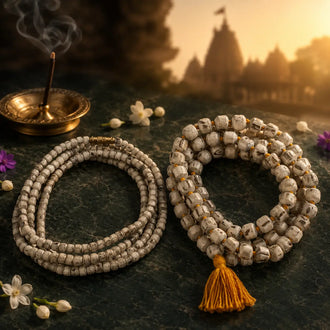
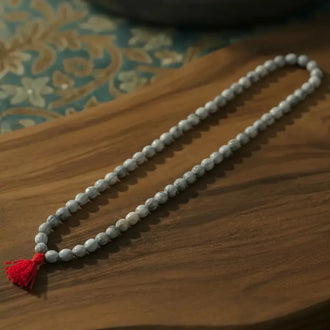
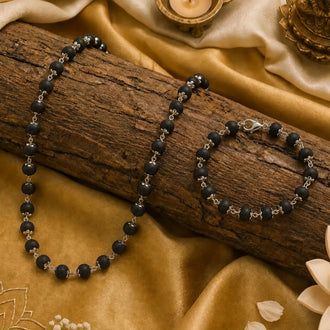
Devotees often keep a Tulsi Japa Mala with 108 Original Big Beads for Meditation to chant the Maha Mantra during the procession. This helps in focusing the mind amidst the large crowds and loud music of the festival.
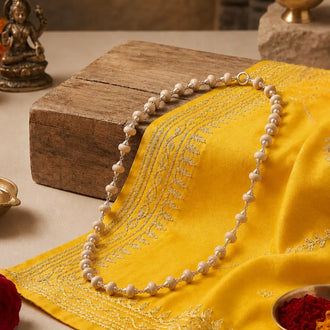
Another powerful tool for protection during long pilgrimages is the 5 Mukhi Original Rudraksha Mala which is blessed in Kashi. These items help the devotee maintain a state of internal worship while experiencing the external grandeur of Puri.
What is the historical and sacred origin of Jagannath Rath Yatra?
The historical and sacred origin of the festival is rooted in the Puranic era, specifically involving King Indradyumna of Malwa. According to the Skanda Purana, the King was instructed in a dream to find the Blue God, Neela Madhava. When the original deity disappeared, the King performed a thousand horse sacrifices to please Lord Brahma. Eventually, a divine log appeared on the shore, and the celestial architect Vishwakarma arrived in the form of an old carpenter to carve the deities. He set a condition that no one should open the temple doors for twenty-one days. However, the impatient Queen Gundicha forced the doors open early, finding the idols incomplete without hands or feet. The Lord then spoke to the King, explaining that he wished to reside in this form to show that he can accept offerings even without physical limbs. The rath yatra was established to commemorate the Lord's visit to the Queen's garden house. Devotees should consult a local priest for specific local traditions if they plan to visit Puri for the first time. For more on the rituals, see the Rath Yatra puja vidhi guide.
Common Mistakes to Avoid
- Entering the inner circle of the chariots without following the proper dress code.
- Trying to pull the chariot ropes in the opposite direction of the crowd flow.
- Wearing leather belts or wallets while standing near the sacred chariots.
- Forgetting to remove footwear before stepping onto the chariot platforms during darshan.
- Neglecting the specific timings of the Pahandi ritual which starts very early.
What is the meaning of the word Jagannath?
The meaning of the word Jagannath refers to the Lord of the Universe, derived from the Sanskrit words Jagat and Nath. This name signifies that the deity in Puri is the supreme sustainer of all living beings across the cosmos. This concept is central to the temple's universal philosophy.
Why are the idols made of wood instead of stone?
The idols are made of wood because the Lord specifically manifested as Daru Brahma, or the Supreme Truth in the form of wood. This material choice allows for the periodic renewal of the deities through the Nabakalebara ritual. Wooden forms remind devotees of the organic and changing nature of the physical world.
What is the significance of the Chhera Pahanra ritual?
The significance of the Chhera Pahanra ritual is to demonstrate that all humans are equal servants before the eyes of the Lord. When the Gajapati King sweeps the chariot with a golden broom, he shows that even royal status is secondary to divine service. This ritual promotes social equality and spiritual humility.
How long does the Rath Yatra last in Puri?
The Rath Yatra lasts for nine days, starting from the second day of the bright fortnight of the month of Ashadha. During this time, the deities stay at the Gundicha temple, which is considered their aunt's house. The festival concludes when the deities return to the main temple during Bahuda Yatra.
Can anyone pull the chariot of Lord Jagannath?
Anyone can pull the chariot of Lord Jagannath regardless of their religion, caste, or nationality during the public street procession. This is the only time when the Lord comes out of the temple to meet those who are not allowed inside. This accessibility makes the festival a symbol of universal brotherhood.
Conclusion
The jagannath rath yatra history origins sacred and the enduring devotion of the Odia people show the power of ancient faith. From the 12th-century stone carvings to the modern-day global broadcasts, the Lord continues to draw millions to the dusty streets of Puri. By understanding these roots, a seeker can participate in the festival with a deeper sense of purpose and connection. You can carry a piece of this spiritual energy with you by using a Tulsi Japa Mala for your daily prayers. Discover more about the Jagannath temple kitchen secrets to learn how the Lord is served every day. Protecting the jagannath rath yatra history origins sacred ensures that future generations can experience this divine journey.
By Ipshita Gawande