Jagannath Rath Yatra Significance 2026: A Divine Guide

Understanding the Jagannath Rath Yatra Significance in 2026
Have you ever wondered about the profound spiritual energy that envelops Puri, Odisha, during one of Hinduism's most revered festivals? The Jagannath Rath Yatra, often called the Car Festival, is more than just a procession; it's an annual journey of Lord Jagannath, an embodiment of divine love and mercy, to His birthplace. This auspicious festival draws millions from across the globe, eager to pull the sacred chariots of Lord Jagannath, Lord Balabhadra, and Goddess Subhadra. It represents a unique opportunity for devotees to witness the Lord stepping out of His abode and showering His blessings universally. In this divine guide, you will learn about the deep spiritual meaning, historical context, and traditional rituals that make the Jagannath Rath Yatra significance so potent, helping you connect with its divine essence and experience profound spiritual renewal.
The Sacred Origins and Spiritual Context of Rath Yatra
The roots of the Ratha Yatra are deeply embedded in ancient Hindu scriptures, particularly the Skanda Purana and Brahma Purana, which extol the glory of Lord Jagannath and the significance of His annual journey. This divine chariot festival originates from Puri, Odisha, a sacred Dham where Lord Jagannath resides in the famed Jagannath Temple. It is believed that Lord Krishna, along with His elder brother Balarama (Lord Balabhadra) and sister Subhadra, once visited Mathura from Dwarka on a chariot, a journey replicated during the Rath Yatra. Witnessing this car festival or even pulling the ropes of the three chariots is considered an act of immense spiritual merit, promising devotees an eternal heavenly abode and liberation from the cycle of birth and death. The festival transcends social barriers, emphasizing the Lord's universal accessibility to all His devotees.
This annual journey symbolizes Lord Jagannath’s desire to visit His birthplace, the Gundicha Temple, known as His aunt’s home. The act of darshan (seeing the deities) during the Rath Yatra is considered especially potent, offering spiritual renewal and purification. The lunar month of Ashadha, specifically the Shukla Paksha Dwitiya Tithi, marks the beginning of this most important nine-day festival, inviting devotees worldwide to partake in this grand spiritual spectacle and experience the profound Jagannath Rath Yatra significance firsthand. It is a time for introspection, devotion, and celebrating the divine presence.
When is Jagannath Rath Yatra 2026? Key Dates & Timings
For those planning to experience the profound spiritual merit of the Rath Yatra 2026, understanding the precise dates and timings is crucial. This auspicious festival follows the Hindu lunar calendar, beginning on the Dwitiya Tithi (second day) of the bright fortnight (Shukla Paksha) in the month of Ashadha. The primary celebrations take place in Puri, Odisha, drawing millions, but echoes of the car festival resonate in various parts of India, including New Delhi, and even globally. The precise observation of these dates allows devotees to align their spiritual practices with the divine energy of the festival.
| Event | Date (2026) | Tithi | Muhurat | Location |
|---|---|---|---|---|
| Snana Yatra | 29 June 2026 (Monday) | Jyeshtha Purnima | Morning onwards | Jagannath Temple, Puri |
| Rath Yatra (Start) | 16 July 2026 (Thursday) | Ashadha Shukla Dwitiya | Morning onwards | Jagannath Temple to Gundicha Temple, Puri |
| Hera Panchami | 20 July 2026 (Monday) | Ashadha Shukla Panchami | Evening | Gundicha Temple, Puri |
| Bahuda Yatra (Return Journey) | 24 July 2026 (Friday) | Ashadha Shukla Dashami | Morning onwards | Gundicha Temple to Jagannath Temple, Puri |
| Suna Besha | 25 July 2026 (Saturday) | Ashadha Shukla Ekadashi | Evening | Jagannath Temple, Puri |
The Snana Yatra, preceding the main Rath Yatra, is a bathing festival where the three deities are given a grand ceremonial bath. Following this, they are believed to fall ill and remain in seclusion for 15 days, a period known as Anasar, before reappearing for the divine chariot procession. This period of 'illness' symbolizes the human experience of the divine, making the deities even more relatable. The return journey, known as Bahuda Yatra, concludes the nine days of festivities, bringing the deities back to their main abode, the Jagannath Temple, amidst ecstatic chants and devotion. These rituals underscore the deep Jagannath Rath Yatra significance.

The Spiritual Essence of Rath Yatra: An Annual Journey of Faith
The Jagannath Rath Yatra is not merely a procession of idols; it is a profound expression of devotion, embodying the Lord's accessibility to all. The primary keyword, Jagannath Rath Yatra significance, lies in the belief that Lord Jagannath, along with Lord Balabhadra and Goddess Subhadra, emerges from the sanctum sanctorum to bless His devotees, irrespective of caste, creed, or social status. This annual journey to the Gundicha Temple symbolizes the Lord's willingness to step out of His grand abode and meet His devotees wherever they may be. It offers a chance for millions to participate directly in the divine sport, pulling the sacred chariots, and thus earning immense spiritual merit. This car festival is a celebration of inclusion, unity, and unwavering faith, making it a most important event in the Hindu calendar. The very act of pulling the chariots is considered an act of profound surrender and devotion, connecting the devotee directly to the divine.
The Sacred Chariots and Divine Deities of Jagannath Rath Yatra
The heart of the rath yatra lies in its magnificent three chariots, each meticulously constructed new every year for the three deities. Lord Jagannath’s chariot, Nandighosa, is vibrant in red and yellow, featuring 16 wheels and adorned with specific designs and the emblem of Garuda. Lord Balabhadra's chariot, Taladhwaja, is marked by red and green, possessing 14 wheels and bearing the emblem of a palm tree. Goddess Subhadra travels in Darpadalana (or Devadalana), with 12 wheels and a striking red and black color scheme, featuring a lotus emblem. These sacred chariots are not just vehicles; they are considered living embodiments of the deities themselves, carrying the divine chariot energy. Witnessing them in their full glory as they are pulled by millions of fervent devotees is an experience of a lifetime, attracting spiritual seekers from all corners of the globe. Each chariot’s construction is a detailed, traditional art form, symbolizing the transient nature of material existence and the eternal presence of the divine. For those unable to visit Puri, creating a sacred space at home can help connect with this divine energy. Consider enhancing your puja altar with authentic items like this Krishna Murti Gold-Plated Lord Krishna Idol (Blessed in Vrindavan), which resonates with the presence of Lord Jagannath, an incarnation of Krishna. You can also read more about devotional practices in our blog post on The Power of Daily Puja Rituals. Spiritual Insight: The meticulous construction and adornment of each chariot reflect the immense love and devotion of humanity towards the divine, transforming wood and cloth into a vessel of sacred presence.
The Journey to Gundicha Temple and Bahuda Yatra in Rath Yatra 2026
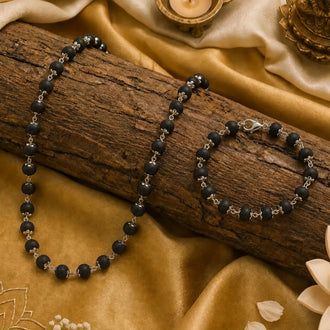
The annual journey begins with the procession from the Jagannath Temple to the Gundicha Temple, traversing approximately three kilometers along the Bada Danda (Grand Road). This journey is known as Rath Yatra 2026 or the Car Festival. The deities reside in the Gundicha Temple for nine days, a period filled with devotion, bhajan, kirtan, and various rituals. This stay symbolizes a visit to their 'aunt's home,' where they are treated to special delicacies and offerings. The divine promise is that whoever witnesses the deities during this stay or helps pull the chariots attains liberation and freedom from worldly suffering. After their stay, the bahuda yatra or return journey takes place, bringing Lord Jagannath, Lord Balabhadra, and Goddess Subhadra back to their main temple. This back-and-forth symbolizes the cyclical nature of existence, the Lord's continuous interaction with His creation, and His constant showering of grace upon all beings. It is a powerful reminder that the divine is always accessible and actively participates in the lives of devotees. To prepare your mind and spirit for such a profound experience, daily meditation is key. A Tulsi Japa Mala with 108 Original Big Beads for Meditation can be an excellent aid for focusing your devotion and chanting mantras dedicated to Lord Jagannath. For more insights on spiritual journeys, explore our article on The Significance of Sacred Piligrimages. Spiritual Insight: The journey to Gundicha Temple signifies the Lord's desire to reach out to all devotees, especially those who may not always visit the main temple, emphasizing His boundless compassion and universal love.
Rituals and Traditions of the Grand Festival
The Jagannath Rath Yatra 2026 is replete with unique rituals and traditions that add to its profound Jagannath Rath Yatra significance. These ceremonies are performed with utmost devotion and precision, passed down through generations of temple servitors. From the Snana Yatra where the deities are ceremonially bathed, leading to their Anasar period, to the Chera Pahara ritual performed by the king, each step carries deep symbolism. The festival is a vibrant tapestry of spiritual practices, community participation, and divine grace. Devotees from places like New Delhi and beyond partake in this grand spectacle, reinforcing its role as a beacon of faith and spiritual awakening. Each ritual is designed to deepen the devotee's connection with Lord Jagannath.
Chera Pahara: The Royal Sweeping Ritual of the Chariot Festival
One of the most unique and symbolic rituals of the chariot festival is Chera Pahara. During this ceremony, the Gajapati King of Puri, considered the first servant of Lord Jagannath, sweeps the platforms of the sacred chariots with a golden broom. He then sprinkles sandalwood water and chandan paste on the ground, signifying the humility of even the highest ruler before the Lord. This ritual underscores the principle that all are equal in the eyes of the divine, and devotion transcends all worldly distinctions of power and status. It's a powerful reminder of selfless service and surrendering one's ego to Lord Jagannath. The simplicity of the ritual, despite the grandeur of the setting, highlights the essence of spiritual humility and the purity of devotion required to serve the Lord. This act by the king sets an example for all devotees, teaching them the importance of humbleness. To engage in daily acts of devotion and spiritual practice, a Chandan - Blessed from Vrindavan can be used in your home pujas, symbolizing purity and devotion, and evoking the sacred atmosphere of Puri. Discover more about the spiritual significance of various puja items on our blog, Essential Puja Samagri for Daily Worship. Spiritual Insight: Chera Pahara teaches us that true leadership and devotion are found in humility and selfless service, where even a king becomes a servant of the divine.
Bahuda Yatra: The Sacred Return Journey of Lord Jagannath
After the nine days stay at the Gundicha Temple, the deities embark on their return journey known as Bahuda Yatra. This marks the conclusion of the main rath yatra festivities. On this day, the chariots proceed back to the Jagannath Temple, greeted by millions of cheering devotees. The spiritual energy during this phase is equally fervent, with devotees eager to pull the divine chariot back to its abode. An important ritual during Bahuda Yatra is Hera Panchami, observed on the fifth day after the start of Rath Yatra, when Goddess Lakshmi, the consort of Lord Jagannath, goes to the Gundicha Temple to meet her Lord, expressing her divine jealousy over His long stay. This adds a beautiful, human-like dimension to the divine play. The culmination of this lunar month festival brings immense joy and a sense of spiritual accomplishment to all participants, reinforcing the profound Jagannath Rath Yatra significance. The return journey is a poignant reminder of the loving relationship between the devotee and the divine. To invite auspiciousness and divine presence into your home, consider an idol that embodies divine grace. A Ram Darbar - Gold Plated (Blessed in Ayodhya) can serve as a beautiful focal point for your devotion during this period. To understand the cyclic nature of divine celebrations, you can explore our blog on Understanding the Cycles of Divine Festivals. Spiritual Insight: The Bahuda Yatra signifies the completion of a spiritual cycle, bringing the Lord's blessings back to His devotees and reinforcing the eternal bond of love and devotion.
Suna Besha and Poda Pitha: Adornment and Offerings during Rath Yatra
Following the Bahuda Yatra, the deities observe the Suna Besha, a magnificent ritual where Lord Jagannath, Lord Balabhadra, and Goddess Subhadra are adorned in golden ornaments. This grand attire, often featuring intricate jewelry, crowns, and a variety of gold ornaments, is displayed on their sacred chariots outside the main temple, before they re-enter. Millions gather to witness this dazzling spectacle, believing that a glimpse of the deities in this resplendent form brings immense blessings and spiritual merit, symbolizing divine royalty and prosperity. Another traditional offering associated with the chariot festival is Poda Pitha, a type of baked cake with a slightly burnt crust, which is Lord Jagannath's favorite. This sweet delicacy is prepared with rice flour, jaggery, coconut, and cardamom, offered to the deities, and later distributed among devotees as prasad, believed to carry the Lord's special blessings. These elements contribute greatly to the Jagannath Rath Yatra significance, enriching the experience for devotees and showcasing the unique cultural heritage of Puri. For your home altar, consider a Gold Plated Om Pendant With Chain to symbolize divine connection and invite prosperity. To learn more about traditional offerings and their spiritual depth, read our post on The Importance of Prasad in Hindu Traditions. Spiritual Insight: Suna Besha reminds us of the divine opulence and glory of the Lord, while Poda Pitha signifies His simple, heartfelt connection with His devotees through offerings of love.
The Bhakti and Unity of Devotees: A Global Celebration of Jagannath Rath Yatra
Beyond the grand rituals and historical narratives, a core aspect of Jagannath Rath Yatra significance lies in the overwhelming wave of devotion and unity it fosters among millions of devotees. The festival is a powerful display of collective faith, where people from all walks of life, transcending caste, creed, and nationality, come together to participate. The air resonates with chants of 'Jai Jagannath,' 'Hare Krishna,' and devotional songs, creating an electrifying atmosphere of spiritual ecstasy. This collective energy transforms the experience from a mere observation into a profound spiritual immersion. Many international organizations and communities organize their own smaller Rath Yatras, spreading the message of Lord Jagannath's universal love and accessibility across the globe. Witnessing or participating in this global celebration connects individuals to a larger spiritual family, reinforcing the timeless values of love, compassion, and shared devotion. It is a testament to the unifying power of spirituality and the enduring appeal of Lord Jagannath. The sense of camaraderie and shared purpose in pulling the sacred chariots exemplifies the essence of Bhakti-yoga, devotion through selfless service. To carry a symbol of this collective devotion and protection, consider wearing a Silver Plated Tulsi Bracelet 17 Beads, 10 mm, Daily Protection, which offers peace and divine grace. For further insights into the power of communal worship, explore our article on Community and Devotion: The Power of Collective Worship. Spiritual Insight: The unified participation of millions in the Rath Yatra underscores the truth that devotion knows no boundaries, and collective faith can create an unparalleled spiritual force.

Comparing Devotional Offerings for Jagannath Rath Yatra
Choosing the right devotional items can enhance your connection to the Jagannath Rath Yatra 2026, whether you're participating in Puri or observing from home. Dharmik offers a range of authentic puja products directly from Ayodhya and other sacred dhams. Here's a comparison to help you select items that deepen your spiritual renewal during this auspicious time, allowing you to bring the divine atmosphere of the festival into your personal space and sadhana.
| Product Type | Key Benefit for Rath Yatra | Usage/Description | Recommended For |
|---|---|---|---|
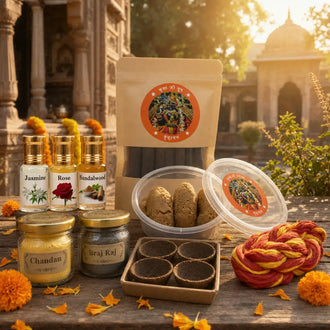
| Vrindavan Prasad Box (Braj Raj included) | Bringing the blessings of a sacred Dham home and connecting with divine energy. | Contains authentic prasad, revered soil (Braj Raj), and spiritual items for devotion. | Devotees seeking a tangible connection to sacred places and Lord Jagannath's energy during the festival. |
| Tulsi Japa Mala with 108 Original Big Beads for Meditation. | Enhancing Japa and focused meditation during the nine days of the festival. | Facilitates chanting of mantras dedicated to Lord Jagannath, Krishna, or other deities with concentration. | Individuals desiring focused mantra recitation, deeper meditation, and spiritual concentration during the auspicious period. |
| 5 Mukhi Original Rudraksha Mala 108 Beads + 1 Guru Bead, Blessed in Kashi | Offering spiritual protection and fostering inner peace amidst festive environments. | Worn for general well-being, blessings of Lord Shiva, and enhanced focus during spiritual practices. | Anyone seeking overall spiritual protection, a calming influence, and enhanced meditative focus amidst the festivities and beyond. |
Practical Preparations for Observing Rath Yatra at Home
Even if you cannot be in Puri for the Rath Yatra 2026, you can still create a sacred atmosphere at home to honor the divine chariot festival and partake in its spiritual renewal. Preparing your mandir for Lord Jagannath involves simple yet profound steps that invite the blessings of the three deities. This most important festival, celebrated in the month of Ashadha, offers a unique opportunity for heartfelt devotion and a personal connection to the divine. By establishing a sacred space, you can truly absorb the essence of the festival from anywhere.
- Cleanse Your Mandir: Begin by thoroughly cleaning your puja altar and surrounding area. Use Ganga Jal or purified water to sanctify the space, purifying both the physical and energetic environment. Ensure all deity idols and pictures are clean and well-maintained, ready to receive divine energy.
- Decorate with Auspicious Items: Adorn your mandir with fresh flowers, particularly jasmine and marigolds, known for their auspiciousness and pleasing fragrance. Use vibrant clothes for your deities, reflecting the joyous mood of the car festival. You can use a Radha Rani Chunri Divine Grace from Vrindavan for your deity to invoke divine feminine energy and beauty.
- Prepare Offerings (Bhog): Offer traditional sweets and savories, especially those made from rice and coconut, reminiscent of poda pitha. Simple offerings like fresh fruits, milk, and water are also highly regarded and accepted with love by the deities.
- Incense and Lamps: Light traditional ghee lamps (diyas) and incense sticks. The aroma of sandalwood, jasmine, or rose is particularly pleasing to deities and creates a serene environment conducive to meditation and prayer, purifying the air and elevating the senses.
- Chant and Meditate: Engage in chanting the Mahamantra (Hare Krishna, Hare Krishna, Krishna Krishna, Hare Hare / Hare Rama, Hare Rama, Rama Rama, Hare Hare) or other mantras dedicated to Lord Jagannath. Use a japa mala for focused meditation during the nine days of the festival, connecting deeply with the divine names.
These preparations transform your home into a miniature Jagannath Temple, allowing you to absorb the full Jagannath Rath Yatra significance from wherever you are, fostering a powerful personal spiritual connection.
The Spiritual and Emotional Layer of Jagannath Rath Yatra
Beyond the grand spectacle and ancient rituals, the Jagannath Rath Yatra taps into a deep spiritual and emotional connection that resonates with millions of devotees. This chariot festival is a vivid reminder of Lord Jagannath's profound mercy and accessibility. The very act of pulling the sacred chariots allows devotees to feel a direct, physical connection to the divine, transcending the usual distance between worshipper and worshipped. It represents a journey of the soul towards its eternal heavenly abode, guided by the Lord himself, a journey of self-discovery and ultimate surrender. The atmosphere is charged with devotional fervor, where every chant, every step, and every tear of joy contributes to a collective wave of spiritual renewal and shared ecstasy. The belief that simply witnessing the Rath Yatra can lead to salvation imbues the festival with immense spiritual weight, encouraging deep introspection and faith.
The nine days of the festival, from the initial rath yatra to the bahuda yatra and suna besha, are a period of intense spiritual upliftment, culminating in the deep satisfaction of having served the Lord. It’s an opportunity to shed worldly attachments, release ego, and immerse oneself fully in divine love, experiencing a profound purification of the heart. The raw emotion and genuine devotion displayed by millions create an energetic field that can be felt by all, fostering a sense of universal brotherhood and spiritual connection. In what ways does participating in such a grand festival, even from afar, deepen your personal spiritual connection and understanding of divine grace?
Bring the Blessings of Rath Yatra Home with Dharmik
Experience the profound Jagannath Rath Yatra significance and bring its divine blessings into your home with authentic puja products from Dharmik. We understand the importance of genuine items for your spiritual journey, offering products that are abhimantrit in Vrindavan and other holy places. For example, our Vrindavan Prasad Box (Big) allows you to partake in the sanctity of a sacred Dham, perfect for enhancing your home puja during the festival with revered items and the essence of Vrindavan. This brings the sacred energy of the Dham directly to your doorstep, enriching your spiritual practice.
Connect with the spiritual energy of Lord Jagannath and the three deities by incorporating elements of the chariot festival into your daily sadhana. Our carefully curated collections, like the Tulsi Kanthi Mala Original 8mm Small Beads | 1-Round, 2-Round & 3-Round or the Original Prem Tulsi Mala Double Round, 10 mm, Divine Love and Harmony, can provide spiritual tools for meditation and chanting throughout the nine days of Rath Yatra 2026 and beyond. These malas are not just accessories but powerful conduits for divine energy, aiding in concentration and devotion. With free shipping and guaranteed authenticity, Dharmik ensures that divine grace is just a click away, making your spiritual renewal effortless and profound. Trust Dharmik to deliver genuine, blessed items that deepen your faith and enhance your devotional journey.
Frequently Asked Questions About Jagannath Rath Yatra
What is the Jagannath Rath Yatra significance?
The Jagannath Rath Yatra significance lies in Lord Jagannath’s annual journey to His birthplace, symbolizing His accessibility to all devotees, promoting spiritual merit, renewal, and unity. Witnessing the sacred chariots is believed to grant immense blessings and liberation, making it a pivotal event.
Which deities are part of the Rath Yatra?
The deities part of the Rath Yatra are Lord Jagannath, along with His elder brother Lord Balabhadra and sister Goddess Subhadra. These three deities travel on their individually constructed sacred chariots, revered by millions of devotees.
What is the Gundicha Temple's role in the festival?
The Gundicha Temple's role in the festival is to serve as the Lord's aunt’s home and temporary abode. After the main procession, Lord Jagannath, Lord Balabhadra, and Goddess Subhadra reside here for nine days before their return journey.
What is Bahuda Yatra?
Bahuda Yatra is the return journey of Lord Jagannath, Lord Balabhadra, and Goddess Subhadra. After their nine-day stay at the Gundicha Temple, the deities return to their main abode, the Jagannath Temple, marking the conclusion of the Rath Yatra festivities.
What is the meaning of Snana Yatra?
The meaning of Snana Yatra is a ceremonial bathing festival that precedes the main Rath Yatra. During this ritual, the three deities receive a grand public bath, after which they are believed to fall ill and remain in seclusion for 15 days, before reappearing.
CONCLUSION:
The Jagannath Rath Yatra significance extends far beyond its vibrant chariots and fervent crowds; it is a profound journey of faith, humility, and divine accessibility. This annual festival provides an unparalleled opportunity for spiritual renewal and connection with Lord Jagannath, Lord Balabhadra, and Goddess Subhadra. From the historical context rooted in ancient scriptures to the intricate rituals like Chera Pahara and Suna Besha, every aspect of the Rath Yatra 2026 holds deep spiritual meaning and transforms participants. By understanding and embracing its essence, devotees can truly partake in the blessings of this most important car festival, whether in Puri or through home devotion. Explore Dharmik’s authentic collection of puja products to bring the divine grace of this sacred festival into your home and elevate your spiritual practice.
By Dharmik