2026 Janmashtami Rangoli Design and Festive Home Decor Tips

Traditional Janmashtami Rangoli Design and Home Decor for 2026
Devotees in Braj start their preparations for the birth of Lord Krishna by cleaning every corner of their homes. A bright janmashtami rangoli design serves as a welcome mat for Bal Gopal on his appearance day. This article explains how to create a beautiful spiritual atmosphere in your own living space. You will learn how to arrange a traditional jhanki and decorate with symbols that please Thakurji.
Quick Takeaways
- Use yellow and orange marigolds to match the pitambari dress of Lord Krishna.
- Place small footprints leading from your main door to the temple area.
- Set the swing or jhula at the centre of your Gokul village scene.
- Finish all decorations before the Nishita Kaal muhurat on 4 September 2026.
| Feature | Detail |
|---|---|
| Primary Event | Krishna Janmashtami 2026 |
| Date | 4 September 2026 (Friday) |
| Tithi | Bhadrapada Krishna Ashtami |
| Main Ritual | Nishita Kaal Midnight Puja |
| Core Theme | Gokul Village and Bal Leela |
| Essential Decor | Jhula, Morpankh, and Matki |
Why This Matters
Celebrating the birth of the Lord is a way to invite his presence and protection into your family life. The janmashtami home decor 2026 season allows us to meditate on the sweet pastimes of Bal Krishna in Gokul. By creating a physical representation of his home, we turn our own houses into a temporary Vrindavan. This practice of outer cleanliness and beauty reflects our inner desire to host the Divine with love and devotion.
Scripture highlights the importance of creating a protective and joyful environment for the child Krishna.
Preparing your home also involves focusing on the small details that Kanha loves. Using peacock feathers and fresh butter in your display connects you to the natural beauty of the forest. You can learn more about specific symbols like the krishna charan footprints home traditions to deepen your understanding. These small acts of service build a stronger bond between the devotee and the Lord.
Essential Steps for a Janmashtami Rangoli Design
Creating the Traditional Jhanki
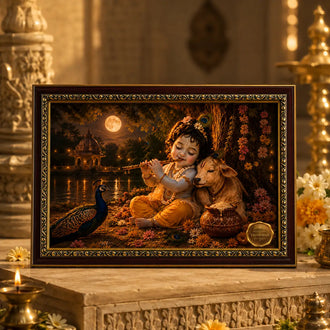
A jhanki is a miniature landscape that tells the story of Krishna's life. Start by choosing a wide table or a corner of your floor for the Gokul scene. Use green cloth or moss to represent the forests of Braj and brown sand for the banks of the Yamuna. Place small clay figures of cows, gopis, and shepherds around a central point. The focus should be on the cradle where Laddu Gopal will sit at midnight. You can use cotton wool to create clouds or small mirrors to act as ponds for your jhanki decoration ideas.
Designing the Krishna Footprints
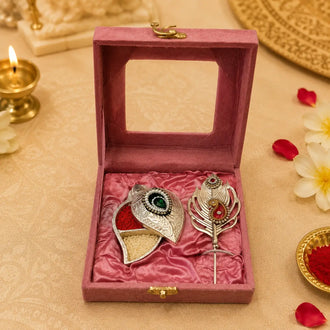
The charan chinh or footprints are the most vital part of the entrance decor. Use a paste made of rice flour and water to draw small, delicate feet. Start at the threshold of your home and continue the trail all the way to the puja room. This symbolizes the Lord walking into your house to bless the family. Some families prefer using a gold plated footprints set for a permanent and shiny addition to their home altar. Ensure the toes always point toward the temple and never toward the exit.
Using Organic Materials for Rangoli
Natural colours are always preferred for festivals involving the child Krishna. Use turmeric for yellow, kumkum for red, and dried leaves for green shades. Create a circular pattern around the base of the jhula using these powders. You can also use flower petals like rose and marigold to give a three dimensional look to the design. This method is safer for children and pets who might be moving around the house during the celebrations. Aim for krishna rangoli designs easy enough for the whole family to participate in together.
Lighting and Flower Arrangements
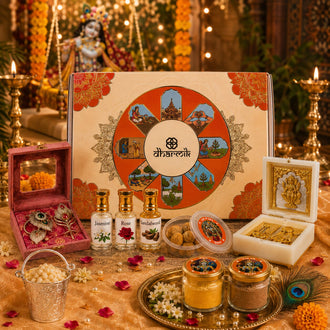
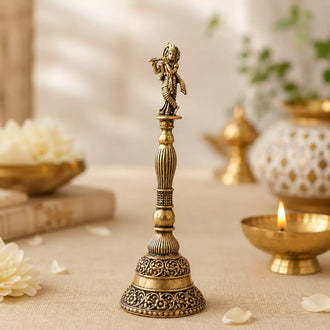
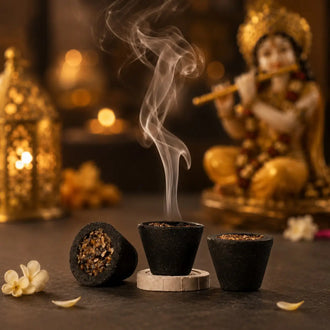
Fairy lights add a magical touch to the nighttime celebrations, but traditional oil lamps are irreplaceable. Place a diya at each corner of your jhanki to highlight the main figures. Hang garlands made of marigold and Ashoka leaves over the doorways to signify a festive occasion. A small flute and peacock feather showpiece can serve as a beautiful centerpiece on your coffee table or side shelf. These elements create a sensory experience that reminds everyone of the forest of Vrindavan.

Checklist of Decoration Items
Organising your materials early ensures a stress free celebration on the big day. Use this list to gather your janmashtami decoration ideas at home before the festival starts.
- Rice Flour: for drawing the footprints and base patterns of the rangoli.
- Marigold Garlands: to drape over the main door and the house temple.
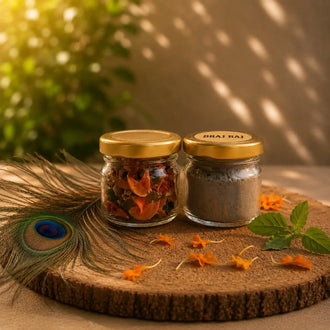
- Peacock Feathers: to place behind the idol and inside the jhanki.
- Small Clay Pots: to represent the matki filled with butter or white cotton.
- Decorative Cloth: silk or velvet pieces in yellow to cover the puja platform.
- Oil Lamps: at least five to eleven diyas for the midnight aarti.
- Fairy Lights: to hang around the window frames and the balcony.
- Wooden Swing: a sturdy jhula that is decorated with flowers and beads.
You can find more inspiration for the swing by reading about laddu gopal jhula decoration styles. Having these items ready will help you focus on the bhajan and kirtan as the birth hour approaches.
How do you decorate for Janmashtami in a small flat with limited space?
Small apartments require a vertical approach to decoration rather than spreading things across the floor. Use your window sills and bookshelves to create mini jhanki scenes instead of a large table. Hanging decor like paper lanterns, strings of morpankh, and light marigold chains can transform a room without taking up foot space. You can use a single shelf in your existing wall unit to place the Laddu Gopal jhula. This keeps the sacred area elevated and protected from the daily rush of a small household.
Door frames are excellent places for detailed art that does not occupy space. Apply your designs to the sides of the frame using washable chalk or stickers. For the rangoli, consider a floating version in a small brass bowl filled with water and petals. This can be placed on a dining table or a side stool. Always ensure that any lit diyas or candles are placed away from curtains or low hanging decorations. Consult a local priest for specific placement of your altar if you follow Vastu principles in a restricted layout.

Common Mistakes
- Using artificial colours that stain the floor permanently or irritate the skin of children.
- Placing the charan chinh pointing away from the temple toward the main exit door.
- Forgeting to clean the morpankh which can collect dust and dull the altar appearance.
- Using heavy decorations on a small jhula that might cause it to tilt or break.
- Starting the rangoli too late and rushing through the sacred symbols before the muhurat.
FAQ
What are the best colours for a janmashtami rangoli design?
The best colours for a janmashtami rangoli design are bright yellow, deep blue, and earthy green. Yellow represents the pitambari cloth of Krishna, while blue matches his shyamal complexion. Green symbolizes the lush forests of Vrindavan where he spent his childhood.
How can I make a simple jhanki at home?
You can make a simple jhanki by using a small tray covered in green cloth. Place a few toy cows, a small clay matki, and the Krishna idol in the center. Add some real grass or leaves to make it look like a forest.
Which flowers are used for janmashtami decoration ideas at home?
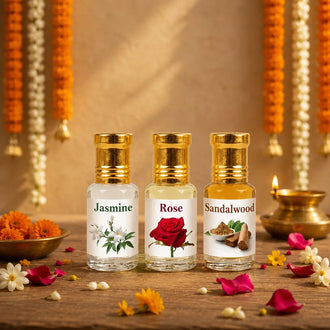
Marigolds, jasmine, and roses are the most common flowers used for janmashtami decoration ideas at home. Marigolds are sturdy and stay fresh for the whole day. Jasmine adds a sweet fragrance that is said to be very dear to Lord Krishna.
When should I finish the janmashtami home decor 2026?
You should aim to finish the janmashtami home decor 2026 by the evening of 4 September. This allows the family to sit together for bhajans before the midnight aarti. Ensure the oil lamps are filled and ready before the sun sets.
Are there any krishna rangoli designs easy for kids to do?
The most krishna rangoli designs easy for kids involve making small dots for footprints. Children can also help by filling in large geometric shapes with flower petals. This keeps them involved in the seva while teaching them about the festival traditions.
Conclusion
Preparing your home for the arrival of Kanha is a joyous task that unites the entire family. By focusing on traditional elements like the jhula and floral patterns, you create a space that feels like Gokul. Remember to keep the atmosphere peaceful and filled with the sound of bhajans while you work. Starting your janmashtami rangoli design early helps you focus on the midnight aarti without any stress. For more tips on preparing your altar, read our guide on krishna charan footprints home rituals to welcome the Lord perfectly.