Dahi Handi 2026: Date, Muhurat and Maharashtrian Traditions

Rituals and Traditions of Dahi Handi 2026
Rain lashes the streets of Mumbai and Thane as thousands of young men form tall human pyramids to reach a clay pot. This celebration of dahi handi 2026 brings this joy to the streets of Maharashtra to honour the mischievous acts of Krishna. You will learn the exact timings for the festival and the steps to observe this ritual in your own home or community.
Quick Takeaways
-
-
The festival occurs on 5 September 2026 during the Bhadrapada Krishna Ashtami tithi window of the Hindu lunar calendar.
-
Participants known as Govinda Pathaks build human pyramids that require physical strength and coordination to reach and break a suspended earthen pot filled with curd.
-
Rituals include the preparation of Gopalkala, a mixture of dahi, butter, and sometimes puffed rice made from traditional dairy products.
-
The event marks Nandotsav, celebrating the joy felt by Nanda Baba after Krishna's birth and strengthening community spirit.
Krishna Dahi Handi 2026 falls on Friday, 4 September for Smarta followers and Saturday, 5 September for Vaishnava devotees. The celebration coincides with the Bhadrapada Krishna Ashtami tithi and the birth anniversary of Lord Krishna. Devotees should perform the Nishita Kaal puja during the midnight window as per the local Panchang or local Drik Panchang timings for their specific city or region before joining the celebrations held on public streets or in open spaces with great enthusiasm .
-
Why This Matters
The dahi handi festival celebrates the childhood leelas of Lord Krishna, the eighth avatar of Lord Vishnu, in the village of Vrindavan during Krishna Janmashtami, the birth anniversary of Lord Krishna observed according to the Hindu lunar calendar. He was known as the child Krishna, mischievous yet endearing, because of his playful habit of stealing butter and curds from the homes of the Gopis. The dahi handi significance lies in the spirit of collective effort, as the festival symbolizes teamwork, resilience, and community spirit. When Krishna and his friends and their pastoral community could not reach and break the earthen pot filled with butter, they formed a human pyramid to succeed. This teaches devotees that collective effort can overcome any obstacle in the path of devotion while strengthening community bonding and societal collaboration.
This tradition is a physical recreation of the events described in the scriptures and reflects Indian culture and mythology. The Bhagavata Purana 10.9 describes the makhan chori leela, where Yashoda Maiya tries to bind the restless Krishna. It shows that the Supreme Lord is only bound by the love of his devotees and contains teachings about life that remain rich in teachings for every generation. In the Indian state of Maharashtra, this story transformed into a massive public event led by Govinda Pathaks during the 20th century to unite people across caste, class, and social divisions. Today, it stands as a vibrant, spirited festival that celebrates courage, playfulness, and the essence of unity and victory of vritue over evil. For many families, keeping a Bal Gopal makhan chor image in the home reminds them of this sweet bond between the Lord and his friends. You can read more about the Janmashtami date nishita muhurat to plan your main puja before the street celebrations begin.

The Main Guide to Dahi Handi 2026
The Formation of the Govinda Pathak
The core of the street celebration involves the Govinda Pathak or the group of participants. These groups spend weeks practicing their balance, physical strength and coordination, and teamwork in local grounds across Pune and Mumbai. On the day of the Dahi Handi festival, they travel across the city in trucks to challenge different suspended earthen pots filled with curd on public streets or in open spaces. Each layer of the human pyramid is called a tier. Some large groups can reach up to nine or ten tiers in height, demonstrating immense teamwork and solidarity. The person at the very top is usually one of the young boys and men, or in some traditions a young child, representing child Krishna as he climbs to reach and break the pot, celebrating his playful tradition of stealing butter.
Preparing the Matki
The matki or earthen pot is filled with a mixture of curd, milk, butter, and fruits. In some regions, people also add coins or silver ornaments as prizes for the winning team. The pot is decorated with flower garlands and tied at a significant height between two buildings or on a metal frame. Before the breaking begins, the local priest often performs a small puja of the pot. This ensures the safety of all the participants during the energetic matki phod janmashtami events.
Observing Nandotsav at Home
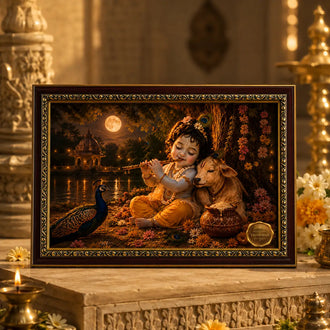
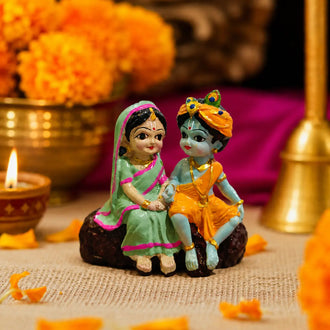
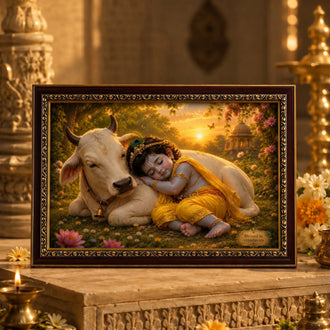
Families who do not participate in street events celebrate Nandotsav at home. You can hang a small decorative pot in your puja room or balcony. Children in the family dress up as Krishna and Radha to break the pot using a small stick. After the pot breaks, the contents are distributed as prasad. Many devotees place a baby Krishna photo frame near the pot to invoke the presence of the Lord. The atmosphere should be filled with songs like Govinda Ala Re to match the energy of Gokul.
Cultural Significance of dahi handi 2026
The following list highlights the key components and benefits of participating in the Dahi Handi festival, one of India's rich heritage celebrations rooted in Indian mythology:
- Physical Strength: The human pyramid requires immense teamwork and solidarity, physical strength and coordination, and balance from every member.
- Teamwork: No single person can reach and break the earthen pot without the support of the base layers, reflecting friendship, teamwork, and mutual support.
- Prasad Distribution: The Gopalkala mixture of dahi, butter, and sometimes puffed rice represents the equality of all devotees before the eyes of Krishna and strengthens community bonding.
- Cultural Identity: For Maharashtrians, this is a defining festival that showcases local grit and bravery while preserving India's rich heritage and rustic life and customs.
- Spiritual Joy: It commemorates the happiness of Nanda Baba and the residents of Gokul, inspiring the pursuit of knowledge and wisdom through Krishna's divine leelas.
- Social Unity: People from all caste, class, and social divisions join the Govinda Pathaks to celebrate together, fostering community spirit, shared cultural experiences, and a strong sense of belonging.
Bringing a Radha Krishna celestial love frame into your home during this time helps maintain the festive spirit. The focus remains on the pure joy of the Vraja residents when they realised Krishna was safe and happy in their midst.
Why is Dahi Handi celebrated the day after Janmashtami?
Janmashtami marks the birth of Krishna which takes place at the stroke of midnight. While the birth is a solemn and meditative time for fasting, the day after is reserved for the celebration of his arrival. This second day is known as Nandotsav. It represents the time when Nanda Baba distributed sweets and clothes to the people of Gokul to celebrate the birth of his son. The practice of breaking the pot specifically mirrors Krishna's toddler years when he began his butter-stealing adventures. Since the birth happens late at night, the community gathering and public festivities naturally move to the following morning. This allows the entire town to participate in the joy without the restrictions of the birth fast. It is always wise to consult your local family priest if you are unsure about the specific tithi timings for your household rituals.
Common Mistakes
- Breaking the fast too early: Many devotees forget that the dahi handi day is for feasting only after the Janmashtami fast is complete.
- Ignoring safety gear: Govinda pathaks sometimes skip helmets or chest guards which can lead to injuries during falls.
- Using plastic pots: Traditional rituals require a clay matki to respect the earth and the original Gopi traditions.
- Wrong direction: When hanging the pot at home, ensure it is not placed in the south direction of the room.
- Wasting food: Ensure the curd mixture is caught and consumed as prasad rather than letting it spill entirely on the ground.
FAQ
What is the dahi handi date 2026 for Mumbai?
The dahi handi date 2026 for Mumbai is 5 September 2026. This celebration follows the Krishna Janmashtami rituals held the previous night. Most public events and competitions in the city start in the morning and continue until late evening.
What does a govinda pathak do during the festival?
A govinda pathak is a group of devotees who travel to different locations to break curd pots. They build human pyramids by standing on each other's shoulders. Their goal is to reach the suspended matki and break it with a coconut.
What is the dahi handi significance in Hindu tradition?
The dahi handi significance lies in celebrating the playful nature of Lord Krishna. It reminds us of his childhood in Gokul where he stole butter from Gopis. The act symbolizes the destruction of ego and the importance of working together.
What items are used for matki phod janmashtami celebrations?
For matki phod janmashtami celebrations, you need an earthen pot, curd, milk, honey, and puffed rice. The pot is decorated with marigold flowers and mango leaves. A long rope is used to hang the pot at a high level.
How is Gopalkala prepared for the festival?
Gopalkala is prepared by mixing thick curd with flattened rice, puffed rice, cucumber pieces, and pomegranate seeds. Salt and green chillies are added for flavour. This mixture is believed to be what Krishna ate with his cowherd friends.
Conclusion
Celebrating the birth of Krishna is incomplete without the vibrant energy of the human pyramids. As you prepare for Dahi Handi 2026, keep the spirit of Bal Gopal in your heart and focus on the strength of your community. Whether you watch the large events in Thane or break one of the traditional pots of curd at home, the goal is to experience the joy of Gokul while promoting youth empowerment and community. This vibrant, spirited festival serves as a bridge, connecting the past with the present through cultural exchanges, inspiring victory of virtue over ego and division. Ensure your preparations follow the traditional timings and use pure ingredients for the prasad while supporting safety cheers, songs, and a sense of youth empowerment, and community cohesion throughout the celebrations.