Gokulashtami vs Janmashtami 2026: Date and Differences Explained

Gokulashtami vs Janmashtami: Key Differences and Observance
Devotees across South India and Maharashtra prepare for the arrival of Bal Krishna on 4 September 2026. This celebration of gokulashtami marks the precise moment when the eighth avatar of Vishnu appeared in the Rohini Nakshatra. While the northern states often use the term Janmashtami, the essence of the festival remains centered on the birth of the Lord. You will soon understand how to identify the correct date for your specific regional tradition and lineage.
Quick Takeaways
- The festival falls on 4 September 2026 for Smarta followers and 5 September 2026 for Vaishnavas.
- Regional names include Sri Krishna Jayanti in Tamil Nadu and Ashtami Rohini in Kerala.
- Calculations depend on either the Ashtami Tithi or the appearance of the Rohini Nakshatra.the the
- Rituals vary from drawing tiny footprints in the South to Dahi Handi in Maharashtra.
| Factor | Gokulashtami | Janmashtami |
|---|---|---|
| Primary Region | South India and Maharashtra | North and Central India |
| Naming Origin | Celebration of Krishna's birth and childhood in Gokul | Birth on the eighth (Ashtami) lunar day |
| Calendar Focus | Often Nakshatra based (Rohini) | Primarily Tithi based (Ashtami) |
| Main Ritual | Footprints and Seedai offerings | Midnight Puja and Jhulan |
| Standard Date | 4 September 2026 | 4 or 5 September 2026 |
Why This Matters
The appearance of Lord Krishna is not a regular birth but a cosmic event described in detail in the Bhagavata Purana 10.3. According to this text, the Lord appeared at midnight while the moon was entering the constellation of Rohini. This specific alignment creates the spiritual potency of the day. In the sacred land of Vrindavan, where the Lord spent his childhood, the festivities span across several days. Understanding the distinction between names helps a devotee align their sankalpa with their ancestors.
The distinction between the names often reflects the focus of the devotee. Those who call it Sri Krishna Jayanti emphasize the birth (Jayanti) of the supreme personality. In Kerala, the term Ashtami Rohini highlights the conjunction of the eighth lunar day (Ashtami) and the Rohini constellation (Nakshatra). This alignment is considered the most auspicious for performing abhishekam. Many families follow the Smarta tradition, which generally observes the festival on the day the eighth lunar day (Ashtami tithi) is prevailing at midnight. Others follow the Vaishnava or ISKCON system, which strictly prioritizes the combination of both the tithi and the Rohini Nakshatra prevailing at midnight during the Nishita Kaal.
Whether you reside in Chennai, Mumbai, or Kochi, the internal connection to the Lord remains the priority. You can learn more about the specific timings in our guide on Janmashtami date and Nishita Muhurat. Each name carries a slightly different flavour of devotion, yet they all lead to the same divine presence that graced Mathura and Gokul thousands of years ago.

The Main Guide to Regional Observances
The Tithi and Nakshatra Calculation
The gokulashtami janmashtami difference usually stems from how the local Panchang calculates the day. North Indian traditions look for the Ashtami Tithi of the Krishna Paksha in the month of Bhadrapada. In contrast, many South Indian calendars wait for the Rohini Nakshatra to coincide with the day. Because the moon moves through different constellations, the nakshatra might start a few hours after the tithi. This is why you may see two different dates listed on your wall calendar for the same festival.
Traditions in Tamil Nadu and Kerala
In Tamil Nadu, the festival is celebrated as Sri Krishna Jayanti 2026. Families clean their homes and draw small footprints using rice flour paste from the entrance of the house to the puja room. These prints represent Bal Krishna entering the home to bless the family. In Kerala, the ashtami rohini 2026 celebrations are prominent at the Guruvayur Temple. Devotees offer Appam and Paal Payasam to the Lord. The focus remains on the Bala Leela or the childhood pastimes of the Lord in the cowherd village of Gokul.
Maharashtra and the Dahi Handi Spirit
Maharashtrian households observe Gokulashtami with a mix of fasting and vibrant public displays. The Dahi Handi event takes place the day after the midnight birth. This tradition mimics the way Krishna and his friends would form human pyramids to reach the butter pots hung high by the Gopis. Inside the home, mothers prepare Gopalkala, a mixture of beaten rice, curd, cucumber, and pomegranate. Placing a small Lord Krishna idol in a decorated cradle is a central part of the domestic ritual here.
Choosing the Right Date for 2026
For the gokulashtami 2026 date, most Smarta families will observe the fast on Friday, 4 September. The Nishita Kaal puja, which is the exact midnight window, is the most powerful time for prayers. If your family follows the Ramanuja or Madhwa Sampradaya, you might celebrate on the following day. It is always best to check with your family priest or follow the schedule of the temple where your family usually offers prayers. You can find a detailed breakdown of these variations in our post about Janmashtami dates for 2026.
Checklist for Offerings and Daan
Giving in charity on this day brings immense spiritual merit. Devotees often focus on items that were dear to the Lord during his time in the forest of Vrindavan. You can prepare these items for your own altar or for distribution at a local temple or orphanage.
- White Butter and Misri: The most essential offering for the Makhan Chor.
- Seedai and Murukku: Traditional salty and sweet snacks prepared in South Indian homes.
- Yellow Vastram: Donating yellow silk or cotton clothes to the needy or the temple deity.
- Milk and Curd: Symbolic of the dairy-rich environment of Gokul.
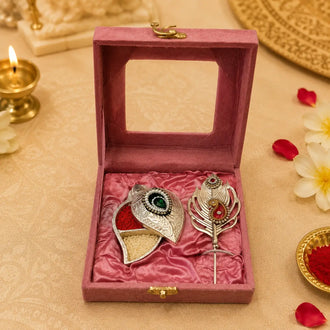
- Flutes and Ornaments: Offering a silver plated bansuri to Thakurji at the temple.
- Fruits: Specifically Jamun, Guava, and Pomegranate which are in season.
-
Rice and Jaggery: Basic staples for the poor to ensure no one goes hungry on the Lord's birthday.

Are Gokulashtami and Janmashtami the same festival under two names?
Yes, Gokulashtami and Janmashtami refer to the same event: the birth of Lord Krishna. The difference is purely linguistic and regional. In North India, the name Janmashtami focuses on the Tithi or the eighth day of the lunar cycle. In South India and Maharashtra, the name Gokulashtami highlights the arrival of the Lord in the village of Gokul. While the names differ, the core rituals like fasting, singing bhajans, and the midnight puja remain identical across the country.
The only practical difference occurs when the Rohini Nakshatra and the Ashtami Tithi do not overlap perfectly. In such years, different regions might celebrate on two consecutive days. If you are confused about which day to pick, you should follow your local community temple or the tradition passed down by your elders. For those living abroad, following the Drik Panchang timings for your specific city is the most accurate method. Please consult a qualified priest if you have specific questions about your birth chart or ancestral vows regarding this fast.
Common Mistakes
- Breaking the fast before the midnight Nishita Kaal window has concluded.
- Confusing the Smarta date with the Vaishnava date without checking your family lineage.
- Setting the Krishna idol facing the South direction during the main puja.
- Using stale or chemically processed butter instead of fresh, homemade white butter.
- Ignoring the importance of the Rohini Nakshatra when celebrating in the South Indian tradition.
FAQ
What is the gokulashtami 2026 date for South India?
The gokulashtami 2026 date for South India is Friday, 4 September 2026. Most temples in Tamil Nadu and Kerala will perform the main abhishekam and puja during the midnight window on this day according to the local Panchang.
What is the gokulashtami janmashtami difference in terminology?
The gokulashtami janmashtami difference is mainly regional where North India uses Janmashtami and South India uses Gokulashtami. Janmashtami refers to the eighth lunar day, while Gokulashtami celebrates the arrival of the infant Krishna in the village of Gokul.
When is sri krishna jayanti 2026 celebrated?
The sri krishna jayanti 2026 celebration falls on 4 September 2026 for those following the Smarta tradition. This name is widely used in Tamil Nadu where devotees decorate their homes with rice flour footprints to welcome the Lord.
Why is ashtami rohini 2026 important in Kerala?
The ashtami rohini 2026 date is important because it marks the specific alignment of the Ashtami Tithi and Rohini Nakshatra. Kerala temples like Guruvayur follow this calculation strictly to determine the most auspicious time for the divine birth anniversary.
Can I keep the gokulashtami fast if I am travelling?
You can keep the gokulashtami fast while travelling by consuming fruits, water, and milk throughout the day. If you cannot perform a full puja, simply chanting the Hare Krishna mahamantra or reading the Bhagavata Purana is sufficient for the Lord.
Conclusion
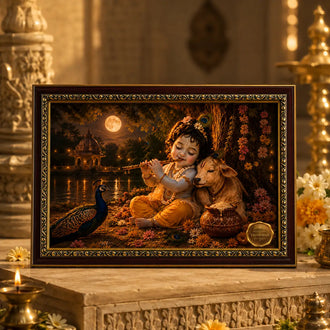
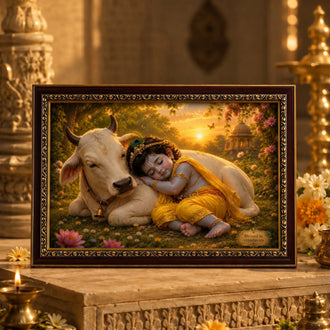
Celebrating the birth of the Lord brings peace and prosperity to every household. Whether you follow the traditions of Tamil Nadu, Maharashtra, or Vrindavan, the focus remains on the love for Bal Gopal. Remember that the gokulashtami 2026 date may vary slightly by region, so checking your local temple schedule is always wise. You might find a Bal Gopal photo frame a helpful focus for your meditation. Keep your heart pure and your devotion steady as you welcome the Lord. For more details on ritual timings, read our guide on Janmashtami date and Nishita Muhurat to ensure a blessed gokulashtami this year.