Janmashtami 2026: Exact Date, Midnight Puja Timings and Muhurat

Complete Guide to Janmashtami 2026 Date and Timings
Devotees in Mathura begin their fast as the sun rises over the Yamuna river to welcome the eighth avatar of Vishnu. Preparing for Janmashtami 2026 requires understanding the specific alignment of the lunar eighth tithi and the moon position. This year, the festival spans two days because the tithi begins late at night on the first day. You will learn the exact timings for the midnight abhishekam (ritual bath) and how to prepare your home altar for Laddu Gopal. This guide ensures your seva follows the tradition of Vrindavan precisely.
Quick Takeaways
- The primary Vaishnava and ISKCON celebration falls on Friday, 4 September 2026.
- Perform the main midnight puja during the Nishita Kaal window starting at 11:58 PM.
- Smarta householders generally observe the fast and rituals on Thursday, 3 September 2026.
- Wait for the Rohini Nakshatra to conclude before performing the parana (fast-breaking) ritual.
| Event | Date | Tithi | Muhurat | Significance |
|---|---|---|---|---|
| Smarta Janmashtami | 3 September 2026 | Bhadrapada Krishna Ashtami | 11:58 PM to 12:44 AM | First day for householders |
| Vaishnava Janmashtami | 4 September 2026 | Bhadrapada Krishna Ashtami | 11:58 PM to 12:44 AM | Main temple celebrations |
| Ashtami Tithi Begins | 3 September 2026 | Krishna Paksha Ashtami | 09:15 PM | Start of the lunar day |
| Ashtami Tithi Ends | 4 September 2026 | Krishna Paksha Ashtami | 10:48 PM | Conclusion of the lunar day |
| Nishita Kaal Puja | 4 September 2026 | Madhya Ratri | 11:58 PM to 12:44 AM | Time of Krishna's birth |
Why This Matters
The appearance of Lord Krishna occurs when the world is under the cover of darkness, signifying the arrival of spiritual light. This specific tithi, known as Bhadrapada Krishna Ashtami, carries immense weight because it marks the moment the supreme being entered the material plane in Mathura. According to Bhagavata Purana 10.3 (Krishna's birth at midnight), the Lord appeared in his four-armed form before Vasudeva and Devaki in the prison cell of Kansa. This scripture details how the cosmic elements aligned to welcome the child who would later reside in the groves of Vrindavan. Many devotees struggle to choose between the two dates provided in calendars, but the distinction usually rests on whether one follows the Smarta or Vaishnava rules. You can learn more about these differences in our article on Janmashtami 3 or 4 September date choices. For a Vaishnava devotee, the presence of the Ashtami tithi at sunrise (Udayatithi) is the deciding factor for the celebration. Observing this day with a pure heart helps the devotee develop a personal connection with the Bal Leela (childhood pastimes) of the Lord. It is a day to reset one's spiritual clock and commit to a life of dharma and devotion.
The Main Guide
Observing the krishna janmashtami 2026 date requires a structured approach to the puja at home. Whether you are a long-time devotee or this is your first year inviting Laddu Gopal into your home, following the sequential vidhi brings peace and clarity to the household. The energy of the festival peaks at midnight, the nishita kaal muhurat 2026, which is the exact time to perform the primary rituals.
Setting the Altar
Clean your puja room and the surrounding area thoroughly on the morning of 4 September. Place a clean yellow cloth on a wooden chowki (raised platform) and arrange the flowers. The idol of Laddu Gopal should be placed in the centre of this altar. Many families choose to install a gold plated Krishna idol to serve as the focal point for the evening aarti. Ensure the face of the deity is looking towards the East or North for the best spiritual alignment. Surround the deity with fresh tulsi leaves, as Krishna never accepts any offering without tulsi.
The Midnight Abhishekam
As the clock nears 11:58 PM, prepare the Panchamrit, a mixture of milk, curd, honey, sugar, and ghee. This is the core of the janmashtami puja time rituals. Gently bathe the deity with this mixture while chanting "Om Namo Bhagavate Vasudevaya" or the Hare Krishna Mahamantra. After the Panchamrit bath, use warm water to clean the idol and pat it dry with a soft, clean cotton cloth. Many devotees also place a silver plated flute in the hands of the Lord after the bath to complete his Shringar (decoration).
Bhog and Aarti
Once the deity is dressed in new clothes, offer the Chappan Bhog (56 items) or a simple plate of Makhan-Mishri (butter and sugar candy). Krishna loves the white butter made fresh at home. Light a ghee lamp and perform the aarti while ringing a small bell. It is common to sing "Aarti Kunj Bihari Ki" during this time. For those with a larger altar, a sacred Krishna darbar arrangement can be decorated with peacock feathers and fresh jasmine garlands to recreate the atmosphere of a Vrindavan temple.
Sankalpa and Vrat Vidhi
The fast begins at sunrise. Before starting, take water in your right hand and make a Sankalpa (solemn vow) to observe the fast with sincerity. Most devotees observe a Nirjala (waterless) or Phalahari (fruit-based) fast until midnight. If you have health concerns, consult a doctor before attempting a strict waterless fast. The fast is broken only after the midnight puja is completed and the bhog is distributed as prasad.

Checklist of Daan and Benefits
Performing charity on this day is considered highly auspicious and multiplies the spiritual merits of the devotee. Following the ashtami tithi 2026, you should consider these specific actions for your family's well-being.
- Donate milk and curd to a local temple or to the needy to honour Krishna's love for dairy.
- Offer yellow clothing to a Brahmin or a temple priest to symbolise the Pitambara (yellow garment) of the Lord.
- Feeding cows (Gau Seva) with fresh green fodder and jaggery is especially beneficial on this tithi.
- Distribute panjiri (sweetened wheat flour) as prasad to neighbours and friends after the midnight aarti.
- Installing a sacred Krishna footprints set at the entrance of your home brings the feeling of the Lord entering your space.
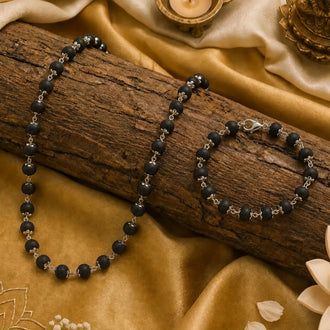
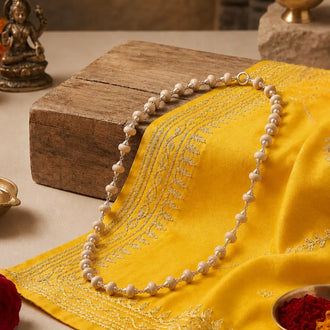
- Chanting one extra round of the japa mala helps in focusing the mind amidst the festival noise.
- Donating grains such as rice or wheat at a gaushala (cow shelter) helps in balancing the family's karma.
Why does Janmashtami fall on two different dates in 2026?
This situation arises because the Hindu calendar relies on the lunar cycle, which does not align perfectly with the 24-hour solar day. In 2026, the Ashtami tithi begins on the night of 3 September after 9:15 PM. For Smarta householders, the rule is to observe the festival on the day the tithi prevails during the midnight hour. Since the tithi is present at midnight on 3 September, they celebrate then. However, the Vaishnava tradition, followed by ISKCON and the temples of Vrindavan, prioritises the Udayatithi. This means they look for the day when the Ashtami tithi is present at the moment of sunrise. In 2026, the sun rises during the Ashtami tithi on 4 September. Therefore, the Vaishnava community observes the fast and the midnight birth on the second day. Both traditions are valid within their respective lineages. If you are unsure which one to follow, it is best to consult your family priest or follow the schedule of the temple you visit most frequently. Both dates offer a sincere opportunity for devotion.

Common Mistakes
- Breaking the fast exactly at 12:00 AM instead of waiting for the full Nishita Kaal puja to conclude.
- Using copper vessels for offerings containing milk or curd, which can react and become toxic.
- Facing the South direction while performing the aarti, which is generally avoided in Vedic rituals.
- Forgeting to include Tulsi leaves in the bhog, as the Lord is said to ignore offerings without them.
- Washing the deity with very cold water, as the ritual should be performed with the same care one gives a child.
FAQ
When is Janmashtami 2026?
Janmashtami 2026 falls on two dates, with Smarta householders celebrating on Thursday, 3 September and Vaishnavas observing it on Friday, 4 September. Most temples in Vrindavan and Mathura will celebrate on 4 September following the Udayatithi tradition for the Lord.
What is the Nishita Kaal muhurat 2026?
The nishita kaal muhurat 2026 for the midnight puja starts at 11:58 PM and ends at 12:44 AM on the night of 4 September. This 46 minute window is the most auspicious time for the abhishekam and shringar rituals.
Can I break my fast at midnight?
You can break your fast after the midnight puja is completed and the prasad has been offered to the deity. However, many devotees choose to wait until the next morning sunrise to perform the parana ritual after the tithi ends.
What should I offer to Laddu Gopal?
You should offer a combination of white butter (makhan), sugar candy (mishri), and various sweets like panjiri or makhana kheer. The janmashtami puja time is the ideal moment to offer these items with a fresh Tulsi leaf on top.
Is Rohini Nakshatra mandatory for the puja?
While Rohini Nakshatra is the star Krishna was born under, it does not always perfectly coincide with the Ashtami tithi every year. In such cases, the tithi takes precedence over the nakshatra for determining the official day of the fast.
Conclusion
Preparing your heart and home to observe Janmashtami 2026 brings the essence of Brij Bhoomi into your daily life. By following the correct Nishita Kaal timings and the traditional abhishekam process, you align yourself with millions of devotees around the world. Ensure you have your puja samagri ready by the morning of 4 September to avoid any last-minute stress. You can find more detailed instructions on the ritual steps in our Janmashtami puja vidhi midnight guide. May the appearance of Lord Krishna bring peace and prosperity to your entire family this year.