Krishna Janmashtami 2026: Rakhi Utarna Aur Krishna Ko Rakhi Chadhayein

Janmashtami Rakhi Utarna Aur Krishna Ko Rakhi Chadhane Ki Vidhi
Many brothers in North India wait for the moon to rise on Bhadrapada Krishna Ashtami before removing their raksha sutra. This process of janmashtami rakhi utarna marks the end of the protective cycle started on Raksha Bandhan. According to Braj tradition, the thread tied by a sister is finally offered to Thakurji on his birthday. On 4 September 2026, many families will gather at midnight to perform this transition. This guide helps you understand the ritual steps and the correct way to handle the thread after removal.
Quick Takeaways
- Remove the sacred thread only after the midnight Janmashtami puja is complete.
- The best place for the removed thread is at the feet of a Krishna idol.
- Use 3 September 2026 for Smarta rituals and 4 September for Vaishnava traditions.
- Avoid using metal scissors to cut the thread as it is considered disrespectful.
| Step Number | Action to Take | Significance |
|---|---|---|
| 1 | Perform Midnight Snaan | Purification before touching the sacred thread. |
| 2 | Apply Chandan Tilak | Honouring the deity and the brother's bond. |
| 3 | Untie the Rakhi | Releasing the sankalpa of Raksha Bandhan. |
| 4 | Offer at Charan | Surrendering the protection to Lord Krishna. |
| 5 | Perform Visarjan | Returning the natural fibers to the earth. |
Why This Matters
The tradition of wearing a rakhi until the Lord birth is not a modern trend. In the Krishna-centric culture of Vrindavan and Mathura, the raksha sutra represents a bond that Krishna himself protects. We look at the infant leelas of Kanha for guidance on protection rituals. The Bhagavata Purana 10.6 records how the Gopis used cow dung, urine, and sacred chants to protect Bal Krishna after the Putana incident. This shows that protection is a central theme of his early life. You can read more about this in our guide on when to remove rakhi safely.
When a brother wears a rakhi for eight days, it absorbs the positive vibrations of his sister prayers. Offering this thread at the feet of Lord Krishna on Janmashtami ensures that the divine takes over the responsibility of that protection. It is a symbolic handover of the sister wish to the supreme protector. In temples like Banke Bihari, priests often suggest that any sacred thread worn during this period should be surrendered to the deity before taking a new sankalpa. This keeps the sanctity of the thread intact instead of letting it break or fall off in an unclean place. On 5 September 2026 12:45AM to 1:30AM, this ritual will align with the Nishita Kaal timing.

Sahi Vidhi for janmashtami rakhi utarna
Removing the rakhi requires a calm mind and a clean body. Follow these steps during the midnight hour of Janmashtami to ensure the ritual is complete. Most devotees in Mathura wait for the birth announcement before they touch the thread on their wrist.
Pre-puja Preparation
Before you begin the removal, ensure you have taken a bath and are wearing clean clothes. This is essential because the rakhi has been part of your body for eight days. Prepare a small thali with chandan blessed from Vrindavan and a small lamp. Light the diya with ghee to create a sattvic atmosphere. You should sit facing East or North while performing this task. If the rakhi is too tight, do not use a knife or scissors. Try to untie the knot gently with your fingers to maintain the integrity of the cotton threads.
Offering at Thakurji Feet
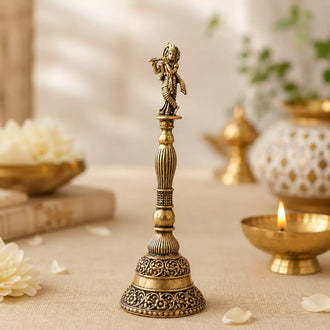
Once the thread is off your wrist, hold it in your right palm. Close your eyes and pray to Lord Krishna to protect your sister and your family. Place the rakhi at the krishna charan gold plated idol or any image of Laddu Gopal you have at home. This act signifies that you are placing your life and your bonds in his hands. Many devotees also offer makkhan and mishri at this time. This is the core of the krishna ko rakhi chadhana ritual that connects two major festivals. For the full procedure, check our janmashtami puja vidhi midnight post.
Wearing a New Thread
After offering the old rakhi, your wrist should not remain empty for long. It is a common practice in Braj to tie a simple yellow or orange mouli after the old one is removed. This new thread is often dipped in panchamrit or touched to the deity's flute. It serves as a prasadi raksha sutra. You can wear this until it falls off naturally or until the next major lunar event. This ensures the flow of divine energy remains constant in your life.
Daan and Benefits of Offering Rakhi
Offering your rakhi to Krishna is not just a cleaning ritual. It brings mental peace and strengthens the spiritual connection with the deity. During Krishna Janmashtami 2026, devotees may combine this practice with a sankalp for devotion and family wellbeing. Here is what you should donate along with this ritual:
- Yellow Clothes: Donate peetambar to a local priest to please Lord Krishna.
- Ghee and Sugar: Offering these items helps in resolving family disputes.
- Cowshed Service: Donating fodder at a Gaushala on Krishna Janmashtami morning is highly meritorious.
- Dharmik Samagri: Giving incense or chandan to a temple ensures a fragrant home life.
The main benefit of this practice is the removal of the ego. By surrendering a symbol of your own protection to the Lord, you acknowledge that he is the ultimate guardian. This practice is especially popular among those who follow the Pola traditions or regional customs in Maharashtra and Madhya Pradesh. It bridges the gap between the brotherhood of Raksha Bandhan and the devotion of Janmashtami. The festival is associated with the birth of Krishna, who is traditionally described as born at midnight during Krishna Paksha in the month of Bhadrapada. Keeping the thread on beyond this date without a specific reason can lead to the thread becoming dirty or damaged, which is avoidable through this vidhi.

Rakhi utar kar usko kahan rakhein ya kahan visarjit karein?
This is a common question among devotees who fear disrespecting the sacred thread. After you have offered the rakhi at the feet of Lord Krishna, it should not stay there forever. Once the Janmashtami celebrations end the next morning, collect the offered threads. The most respectful way is to bury them in clean soil, perhaps in a flower pot where a Tulsi plant or a flowering shrub grows. This allows the cotton to return to the elements without being stepped on by anyone.
If you have access to a river like the Yamuna or a clean water body, you can perform visarjan there. Ensure the rakhi does not contain plastic or non-biodegradable beads before doing this. If it has metal parts, remove them and keep them in your puja room. Never throw the sacred thread in a general dustbin or leave it under a tree in a public park where animals might trample it. Respecting the thread after it is removed is just as important as the time you wore it. If you are unsure about the material, burying it in your own garden is the safest and most dharmik option.
Common Mistakes
- Timing: Removing the rakhi on the afternoon of Janmashtami instead of waiting for the midnight puja.
- Disposal: Throwing the thread in the household trash alongside kitchen waste.
- Tools: Using iron scissors to cut the thread, which is considered an inauspicious metal for this purpose.
- Purity: Untying the rakhi without taking a bath or washing hands after a meal.
- Neglect: Leaving the thread on the floor or a shelf where it can collect dust after removal.
FAQ
Janmashtami par rakhi kab utare?
Janmashtami par rakhi kab utare is a common doubt for many. You should remove the rakhi on 4 September 2026 after the nishita puja and nishita kaal puja are over. This ensures the thread completes its full cycle from one festival to the next.
Kya Krishna ko rakhi chadhana zaroori hai?
Krishna ko rakhi chadhana is a beautiful tradition that signifies surrendering your protection to the Lord. While it is not a compulsory Vedic rule, it is a deeply rooted custom in Braj and North Indian households for spiritual growth. It can be observed during Gokulashtami as well.
Rakhi utarne ki vidhi kya hai?
Rakhi utarne ki vidhi involves taking a bath, lighting a ghee diya, and untying the thread with clean hands. You must then offer the thread at the feet of a Krishna idol while chanting a small prayer for your family. Devotees may perform the midnight ritual after the prescribed Ashtami Tithi and observe the customary night puja.
Janmashtami par rakhi kya kare agar tut jaye?
Janmashtami par rakhi kya kare if it breaks early is a frequent concern. If your rakhi breaks before the festival, keep it safely in your puja ghar and offer it to Krishna on the midnight of Janmashtami with the same devotion. This may be done while remembering Rohini Nakshatra, according to the tradition followed by your family.
Rakhi kab utare janmashtami ke din ya baad mein?
Rakhi kab utare janmashtami is best answered by looking at the Tithi. You should remove it during the Ashtami Tithi itself, specifically after the Nishita Kaal ritual, when breaking the fast or completing the night observance according to your tradition. Devotees following ISKCON may follow their own calendar and ritual timings.
Conclusion
Completing the cycle from Raksha Bandhan to Janmashtami strengthens the bond between a brother, a sister, and the Divine. By following the steps for janmashtami rakhi utarna, you ensure that the sacred thread is handled with the reverence it deserves. Offer your prayers at the charan of Thakurji and move forward with his blessings. For more details on maintaining your sacred items, you can visit our guide on when to remove rakhi. May Lord Krishna protect your family always.