Janmashtami Vrat Rules 2026: Fasting Guide and Parana Time

Janmashtami Vrat Rules 2026: What to Eat, What to Avoid and Parana Time
Devotees celebrate the birth of Lord Krishna on the eighth day of the waning moon in the month of Bhadrapada. In 2026, this sacred tithi falls on 4 September for Smarta observers and 5 September for the Vaishnava tradition. Following the Janmashtami vrat rules ensures that your mind remains fixed on the advent of Bal Gopal in Mathura. Whether you are observing a strict fast or a fruit-based diet, understanding these traditions helps you maintain the sanctity of your sankalp throughout the day. This guide explains the specific procedures for a successful fast and the correct way to break it.
Quick Takeaways
- Observe the fast on 5 September 2026 if you follow the Vaishnava or ISKCON tradition.
- Choose between a waterless fast or a fruit-based diet depending on your physical health.
- Avoid all grains, cereals, and regular table salt during the entire fasting period.
- Perform the main Nishita Kaal puja at midnight to mark the birth of Thakurji.
| Step | Action | Purpose |
|---|---|---|
| 1 | Snana and Sankalp | Purify the body and state your intention for the fast. |
| 2 | Phalahar Selection | Choose fruits and roots like potato or sweet potato. |
| 3 | Avoid Grains | Strictly stay away from rice, wheat, and pulses. |
| 4 | Nishita Kaal Puja | Offer prayers at midnight, the time of Krishna's birth. |
| 5 | Parana Ritual | Break the fast at the designated time on the following day. |
Why This Matters
The observance of this fast is not merely a physical restriction but a way to align our consciousness with the divine pastimes of Krishna. Devotees in Vrindavan begin their preparations days in advance to welcome Laddu Gopal into their homes. The fast serves as a penance that purifies the senses and prepares the heart for the midnight darshan. Scriptural authority for the birth and significance of the Lord is found in Bhagavata Purana 10.3. This text describes the appearance of Lord Vishnu as Krishna to Vasudeva and Devaki in the prison of Kansa. By fasting, we participate in the anticipation felt by the residents of Mathura and Braj. It is a time for chanting, kirtan, and reading about the Lord's arrival. Following the correct janmashtami fasting rules helps a devotee stay disciplined. In the temples of Kashi and Mathura, priests emphasize that the quality of our devotion is more important than the intensity of the hunger. However, sticking to the traditional rules provides a structure that has supported seekers for generations. You may use a braj raj packet to apply a tilak before starting your morning prayers. This connection to the dust of Vrindavan reminds us of the land where the Lord performed his childhood lilas.

Understanding Janmashtami vrat rules
Selecting Your Fasting Level
Devotees usually choose from three levels of fasting based on their health and capacity. The most rigorous is the nirjala vrat krishna, where one consumes no water or food until the midnight puja. This is often observed by seasoned practitioners or those with strong physical resolve. The second level is the sajala vrat, which allows for water, coconut water, or fresh fruit juices. The third and most common level is the phalahar diet. In this version, you can eat fruits, milk products, and specific non-grain items like kuttu or singhara. It is important to consult a doctor before attempting a waterless fast, especially for diabetics or the elderly. You can enhance your prayer space with vrindavan pushp attar to create a sattvik atmosphere during the day.
Permitted Foods and Ingredients
Knowing janmashtami vrat mein kya khaye is essential to avoid accidental mistakes. Use only sendha namak instead of regular iodized salt for your meals. Roots like potatoes, sweet potatoes, and colocasia (arbi) are permitted as they are not considered grains. Many devotees prepare a special panjiri using coriander seeds or coconut, which is offered as bhog. You can find detailed instructions for this in our panjiri recipe guide. Milk, curd, and makhana (fox nuts) are excellent sources of energy during the day. Avoid garlic and onions entirely, as these are tamasic and disturb the meditative state required for the vrat.
The Midnight Puja and Parana
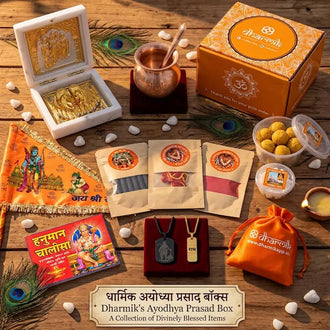
The fast reaches its peak during the Nishita Kaal, which is the midnight window when Krishna was born. After the birth ceremony and aarti, some devotees consume the prasad offered to the deity. However, the formal breaking of the fast, known as parana, usually happens the next morning. The janmashtami parana time 2026 depends on whether you follow the Smarta or Vaishnava calendar. For Smarta observers, the fast often ends after the midnight puja if the Ashtami tithi has ended. Vaishnava devotees typically wait until sunrise the next day or after the Rohini Nakshatra has passed. Using a vrindavan prasad box during your midnight offering brings the essence of the holy dhama to your home altar.

Checklist of Benefits and Daan
- Spiritual Discipline: Fasting helps control the senses and focuses the mind on Lord Krishna.
- Internal Purification: A sattvik diet during the vrat cleanses the digestive system and improves clarity.
- Charity and Daan: Donating clothes or grains to the needy on this day is highly meritorious.
- Community Bonding: Participating in group kirtans and temple visits strengthens the devotee community.
- Divine Grace: Sincerely following the rules is believed to bring the practitioner closer to the Lord.
- Mindfulness: The restrictions on food act as a constant reminder of the sacred nature of the day.
When exactly should the Janmashtami fast be broken?
The timing for breaking the fast is a common point of confusion for many devotees. There are two primary schools of thought: the Smarta and the Vaishnava traditions. Smarta followers usually observe the fast on the first day the Ashtami tithi prevails at midnight. They may break the fast after the midnight puja if the tithi or the Rohini Nakshatra has ended. In contrast, the Vaishnava and ISKCON traditions follow the Udayatithi, observing the fast on the day the tithi is present at sunrise. For these devotees, the parana is strictly done after sunrise the following day, once the midnight celebrations are complete. In 2026, Vaishnavas will observe the fast on 5 September. The parana should ideally happen when either the Ashtami tithi or the Rohini Nakshatra has concluded, whichever comes first. If both continue late into the next day, the fast is broken after sunrise. It is always wise to consult a local priest or a trusted Panchang for the exact minute-to-minute timings in your specific city.
Common Mistakes to Avoid
- Consuming Grains: Accidentally eating wheat, rice, or semolina (suji) breaks the fast immediately.
- Using Regular Salt: Always use sendha namak, as common sea salt is processed and not allowed in vrat.
- Wrong Tithi: Observing the fast on the wrong day by not checking the Smarta versus Vaishnava difference.
- Angry Temperament: Losing your temper or using harsh words nullifies the spiritual benefits of the penance.
- Sleeping During Sandhya: Avoid sleeping during the evening hours as this is the time for lighting lamps and chanting.
FAQ
What can I eat during the Janmashtami fast?
You can eat fruits, dairy products, and dishes made from kuttu (buckwheat) or singhara (water chestnut) during the fast. Root vegetables like potatoes and sweet potatoes are also allowed. Ensure all food is prepared with sendha namak and without any grains.
Can I drink water during a Janmashtami fast?
You can drink water if you are observing a sajala vrat or a phalahar fast. Only those observing the nirjala vrat krishna should avoid water until the midnight puja. If you have health concerns, always stay hydrated and avoid extreme fasting.
When is Janmashtami parana time 2026?
The janmashtami parana time 2026 for Vaishnava devotees will be on the morning of 5 September after sunrise. Smarta observers may break their fast after the midnight puja on 4 September if the Ashtami tithi has ended. Check local timings for your city.
Is tea or coffee allowed during the vrat?
Tea and coffee are generally accepted by most devotees during the phalahar fast, provided they do not contain grain-based whiteners. However, for a more sattvik experience, many practitioners prefer herbal teas or fresh fruit juices to keep their minds calm and focused.
Can I use rock salt for vrat meals?
You must use rock salt, known as sendha namak, for all your vrat meals. Regular table salt is not permitted under traditional janmashtami fasting rules. Sendha namak is considered pure and unprocessed, making it suitable for offerings to the Lord.
A Final Thought for Devotees
Observing the fast for Laddu Gopal is a beautiful way to express your love and dedication. By adhering to the Janmashtami vrat rules, you create a sacred space within yourself to welcome the Divine. Remember that the goal is to remember Krishna and never forget Him, even while managing your hunger. Whether you celebrate in a grand temple or a small home altar, your sincerity is what reaches the Lord. For more details on the specific midnight windows, read our post on Janmashtami Nishita Kaal timings. May your fast be successful and bring you closer to the grace of Shyamsundar.