Laddu Gopal Shringar for Janmashtami: Complete 2026 Guide

Completing Your Laddu Gopal Shringar for Janmashtami 2026
By Devotional Content Lead. Last updated: 24 July 2026
In the temples of Vrindavan, the preparation for Krishna Janmashtami starts weeks in advance as sevaks (devotees in service) select the finest silk and stones. Performing a proper Laddu Gopal shringar is not just a ritual but a way to express our love for the infant Krishna. This year, the main celebrations fall on 4 September 2026, and every household with a Bal Gopal deity will seek to recreate the splendor of Mathura. By understanding the correct sequence and materials, you will be able to perform a complete devotional shringar at home.
Quick Takeaways
- Perform the abhishek (ritual bath) with panchamrit exactly at the start of the tithi.
- Select lightweight fabrics for the deity to ensure comfort during the long festival night.
- Sequence the ornaments from the feet upwards to avoid displacing the primary dress.
- Use natural ingredients like sandalwood and pure saffron for the forehead markings.
| Step | Action | Item Used | Significance |
|---|---|---|---|
| 1 | Abhishek | Panchamrit | Purifying the deity for the festival |
| 2 | Vastradharan | Janmashtami Poshak | Dressing the Lord in festive attire |
| 3 | Alankar | Mukut and Kundal | Crowning the infant King of Braj |
| 4 | Shringar | Chandan and Kajal | Enhancing the beauty of the Lord |
| 5 | Aayudha | Bansuri | Offering the flute for the final look |
Why This Matters
The act of decorating the Lord is deeply rooted in the vatsalya bhava, the sentiment of parental affection that defines the relationship between a devotee and Laddu Gopal. When we perform shringar, we are not merely dressing a brass murti; we are serving the living presence of Krishna as a child. This tradition finds its roots in the Bhagavata Purana 10.6, where the ladies of Braj protect and adorn the infant Krishna after his miraculous feats in Gokul. The text describes how the gopis used various natural elements to bless and beautify the child to keep him safe from harm. In Vrindavan, the shringar at the Banke Bihari temple is so detailed that it takes hours of meditation and precision. Each item, from the peacock feather to the waist belt, carries a specific meaning. The morpankh represents the beauty of nature, while the flute signifies the call of the soul. By focusing on these details on 4 September 2026, you connect your home altar to the eternal pastimes of the Lord. It is a moment where the physical decoration becomes a spiritual meditation. For more on the fundamentals, you can read about laddu gopal daily seva beginners to build your foundation before the big festival.
What You'll Need
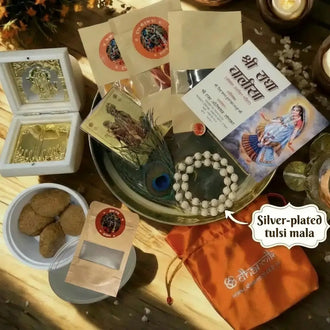
Preparing for Janmashtami requires specific items to ensure the deity looks his best for the midnight appearance.
The essentials
- Poshak: the main decorative dress for the deity, usually in yellow or bright red.
- Bansuri: the symbolic flute that stays with the Lord. silver flute
- Chandan: for applying the sacred tilak on the forehead. Vrindavan chandan
- Morpankh: the peacock feather that must be placed on the crown.
- Jhula: the swing where the Lord sits after the midnight birth.
If you are doing the full vidhi
- Kajal: for decorating the eyes with care using a thin stick.
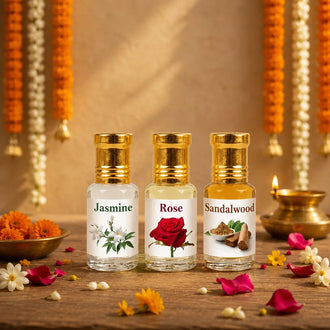
- Attar: for providing a sweet fragrance to the deity after the bath.
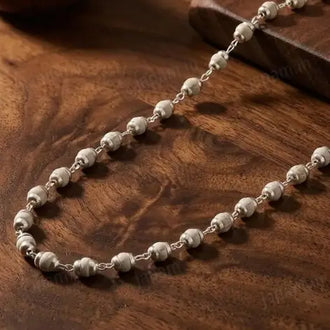
- Ornaments: including necklaces, bangles, and small waistbands.
- Premium Flute: a gold-plated option for the midnight festival. gold plated bansuri
Explore our full range in the festive collection.

Step-by-Step Laddu Gopal shringar Vidhi
The Ritual Bath and Preparation
Before any decoration begins, the deity must undergo a ritual bath known as abhishek. On 4 September 2026, this should ideally happen during the Nishita Kaal window around midnight. Prepare a mixture of milk, curd, honey, sugar, and ghee. Use a soft cloth to gently dry the deity after the bath. It is essential to ensure the murti is completely dry, especially in the joints, before applying any clothes or jewellery. Many sevaks use a small amount of Vrindavan chandan as a base layer on the skin to provide a cooling effect before the heavy festive dress is worn.
Selecting and Tying the Poshak
The laddu gopal poshak janmashtami is usually the most elaborate dress of the year. Choose a size that matches your deity, typically ranging from size 0 to size 6. For the festival, yellow is the preferred colour as it represents the Pitambara form of Krishna. The dress often features heavy embroidery or stone work. First, tie the inner vastra if the dress is a two-piece set. Ensure the velcro or strings are secure but not overly tight. The dress should allow the deity to sit comfortably on the singhasan (throne) or jhula (swing) without the fabric bunching up at the neck.
Applying Tilak and Eye Decoration
The face is the most vital part of the shringar. Using a thin wooden stick or a silver needle, apply a small dot of kumkum or chandan between the eyebrows. For Janmashtami, many devotees create a "U" shaped tilak with a small leaf pattern. Use a natural, chemical-free kajal to define the eyes. This requires a steady hand and a meditative mind. If your deity has painted eyes, you can simply use a drop of ghee to make them shine. This step completes the facial features before the heavy jewellery is added.
Sequence of Ornaments and Crown
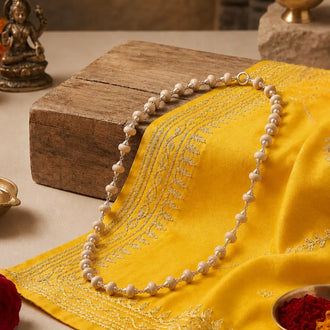
Start with the small ornaments like the payal (anklets) and the kamarbandh (waistband). These anchor the dress in place. Move to the necklaces, starting with the shortest and ending with the longest mala that reaches the deity's lap. The mukut (crown) should be placed last. Ensure it is tilted slightly to the right, as is the tradition in many Braj temples. Secure the morpankh into the crown. Finally, place the flute in his hands. This complete mukut bansuri set gives the Lord his iconic appearance for the Janmashtami night.

Benefits of Proper Shringar and Daan
- Creating a beautiful environment for the Lord helps the devotee focus their mind during the midnight puja.
- Using natural materials like sandalwood and flowers prevents damage to the brass or ashtadhatu murti over time.
- Offering a new poshak on Janmashtami is a traditional way to mark the start of a new spiritual year for the household.
- Donating old dresses or food to local temples on 4 September 2026 brings joy to the wider community.
- Following the traditional sequence of dressing helps maintain the sanctity and discipline of the daily puja.
- Including a silver flute in the shringar is considered auspicious for bringing peace to the home.
In what order should Laddu Gopal be dressed and decorated?
The traditional order of dressing Laddu Gopal follows a logic of "inside-out and bottom-to-top." After the abhishek and drying, you must first apply a light coat of scent or attar. The first physical item should be the nappy or the inner garment, followed by the main dress or poshak. Once the clothes are secure, you begin the alankar (ornamentation). Start with the anklets and the waistband. These items sit closest to the body and are often covered partially by the dress. Next, move to the necklaces, followed by the armlets and bangles. The ear studs (kundal) come next. Only after all body jewellery is in place should you fix the crown or mukut. The very last items are always the morpankh and the bansuri. This order ensures that you do not have to reach under the crown or through necklaces to fix a dress string, which could displace the fine facial decorations. If you are new to this process, it helps to keep a janmashtami puja samagri list nearby to ensure no small ornament is missed during the process. Always consult your family priest if you are unsure about regional variations in the sequence.
Common Mistakes
- Choosing a dress size based on guess rather than measuring the deity from head to foot, leading to a poor fit.
- Applying heavy jewellery directly onto a wet murti, which can lead to tarnishing or green spots on the metal.
- Forgetting to secure the mukut with a small piece of beeswax or cotton, causing it to fall during the midnight swing.
- Using industrial glues to fix ornaments instead of temporary adhesives that do not ruin the deity's finish.
- Placing the flute in the wrong hand or at an angle that blocks the view of the Lord's face.
FAQ
How to do laddu gopal ka shringar kaise kare at home?
To do laddu gopal ka shringar kaise kare at home, start with a clean deity and a peaceful mind. Follow the sequence of bathing, dressing in a fresh poshak, and then adding ornaments like the mukut and bansuri set carefully.
What color is best for laddu gopal poshak janmashtami?
The best color for laddu gopal poshak janmashtami is traditionally yellow, as it is Lord Krishna's favorite color. You may also use bright red, orange, or green fabrics adorned with gold embroidery to match the festive midnight spirit of 2026.
Which items are in a complete mukut bansuri set?
A complete mukut bansuri set includes a decorated crown, a peacock feather, and a matching flute. Some sets also include matching earrings and a necklace to ensure the deity's jewelry has a uniform theme for the Janmashtami celebrations.
How to arrange bal gopal decoration in the temple?
To arrange bal gopal decoration, place the deity on a decorated jhula or singhasan. Use fresh flowers like marigolds and jasmine around the base. Ensure the lighting is soft and directed towards the deity's face to highlight the shringar.
What time is the Janmashtami puja in 2026?
The Janmashtami puja in 2026 is scheduled for 4 September. The most auspicious time is the Nishita Kaal at midnight. Devotees should check the exact muhurat for their city on Drik Panchang to ensure the shringar is completed before then.
Conclusion
Performing the Laddu Gopal shringar on Janmashtami is a high point of the devotional year. By selecting the right fabrics and following the correct order of ornamentation, you create a beautiful offering for the Lord. Remember to use pure ingredients like chandan and to handle the deity with the care of a parent. As you prepare for the 4 September 2026 festival, focus on the love behind each action. For more details on the items required, check the janmashtami puja samagri list to stay organized. May your seva bring peace and joy to your home this year.