Makhan Mishri Bhog: Krishna's Favourite Recipe and Significance

Makhan Mishri Bhog for Lord Krishna: Tradition and Meaning
On the midnight of 4 September 2026, devotees across Gokul and Vrindavan prepare to welcome Bal Gopal. Preparing a fresh bowl of makhan mishri bhog is the most essential part of this midnight celebration. This simple offering represents the pure love that Yashoda Maiya had for her little Kanha in the courtyards of Braj. Every devotee wants to serve the same fresh, white butter that the Lord famously stole from the pots of the Gopis. You will learn the exact steps to prepare this naivedya according to authentic tradition.
Quick Takeaways
- Fresh white butter is the essence of milk and represents the purity of a devotee's heart.
- Always use unsalted homemade butter rather than yellow commercial blocks for the Lord.
- The combination of cooling sugar and soft fat provides a balanced offering for the Bal Swaroop.
- Tulsi leaves must be placed on top for the offering to be accepted by Krishna.
| Step | Action |
|---|---|
| 1 | Collect fresh milk cream for five days and store it in a cool clay pot. |
| 2 | Add one teaspoon of fresh curd to the cream to begin the fermentation. |
| 3 | Use a wooden mathani to churn the mixture until the butter solids separate. |
| 4 | Pour in sheetal jal or cold water to help the butter float to the top. |
| 5 | Gather the navneet with clean hands and wash it twice in fresh water. |
| 6 | Mix with crushed dhaga mishri and a fresh tulsi patra before the midnight puja. |
Why This Matters
The tradition of offering white butter to Krishna is rooted in the playful pastimes of Gokul. In the Braj region, milk and curd were the primary wealth of the community, but the best portion was always meant for the Lord. Churning curd is not just a kitchen chore but a meditative act that Yashoda Maiya performed every morning during the Brahmamuhurta. She would sing about the beauty of her son while the wooden churner made a rhythmic sound against the clay pot. This process is described in Bhagavata Purana 10.9, where the Lord is seen breaking the pots to taste the fresh butter.
Devotees often ask krishna ko makhan kyu pasand hai as they prepare for the festival. The answer lies in the nature of the butter itself, which is called navneet in Sanskrit. It is the final essence that remains after the milk is boiled, curdled, and churned. This represents a soul that has been purified through the trials of life until only soft, sweet love remains for the Divine. Unlike store-bought butter, this homemade version is free from salt and additives, making it the most sattvic offering possible. You can read more about the elaborate offerings in our guide on 56 bhog dhaniya panjiri recipe to see how butter fits into the larger feast.
Steps to Prepare the Perfect Makhan Mishri Bhog
Collecting the Malai
The quality of your bal gopal bhog depends entirely on the cream you use. For five days, collect the thick layer of malai that forms on top of boiled cow's milk. Store this in a clean container in the refrigerator to prevent it from turning sour. If you have access to a local dairy that provides raw A2 milk, that is the most traditional choice for this recipe. Ensure the container is covered tightly so the cream does not absorb other smells from your kitchen.
The Fermentation and Churning
Before you begin the janmashtami makhan bhog vidhi, the cream needs a little bit of culture. Take the collected malai out of the fridge and let it reach room temperature. Stir in a small spoonful of fresh curd and let it sit for six hours. Once the cream has set slightly, transfer it to a large bowl or a traditional handi. This fermentation gives the butter its characteristic light tang and makes it easier for the fat to separate from the buttermilk.
Using the Mathani
To follow the authentic makhan mishri recipe bhog, use a wooden mathani or churner. Place the churner in the center of the bowl and rotate it rapidly between your palms. After about ten minutes of consistent effort, you will see small yellow-white grains forming in the liquid. This is the moment to add a cup of very cold water. The cold temperature causes the butter fat to clump together, allowing it to float on top of the thin buttermilk. Lift the butter out gently and press it into a smooth ball.
Mixing with Dhaga Mishri
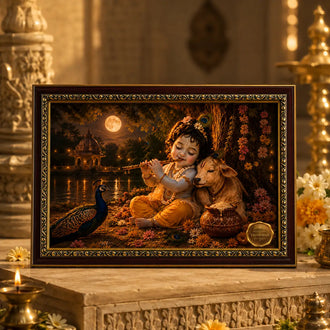
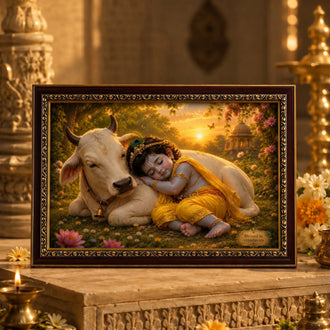
The final step involves the addition of sweetness. Instead of using refined white sugar, use dhaga mishri, which is unrefined thread sugar candy. Grind the mishri into small pieces about two millimeters in size. You want the crunch of the sugar to contrast with the silkiness of the butter. Mix the mishri into the navneet just before the offering so it does not melt. Place the final mixture in a small silver or clay bowl, as these materials are preferred in the temples of Vrindavan. To remember these beautiful pastimes daily, many families keep a Bal Gopal Makhan Chor photo frame in their kitchen or puja room.

Benefits of Offering Navneet
- Cultivates a sense of vatsalya bhava or parental love toward the deity in your home.
- The cooling nature of mishri is said to balance the digestive fire after a long day of fasting.
- Homemade butter provides a pure source of healthy fats for children who share the prasad.
- This ritual follows the specific instructions for naivedya found in the Hari Bhakti Vilasa.
- Using a wooden churner provides a physical connection to the ancient lifestyle of the Gopis.
- The leftovers, known as chach or buttermilk, can be consumed as a cooling drink.
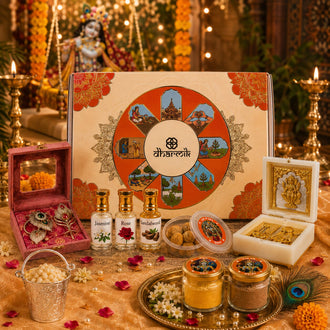
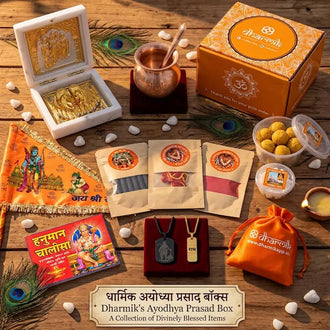
For those who cannot make it from scratch, our Vrindavan prasad box contains items that help complete your puja tray with the right bhav. Always remember that the Lord values the effort of the churning more than the quantity of the butter produced.
Should the makhan offered to Krishna be homemade or is shop butter acceptable?
Devotees should always try to offer homemade makhan to the Lord whenever possible. Commercial butter sold in shops is almost always salted, and it often contains artificial yellow colouring and preservatives. In the Vaishnava tradition, we do not offer salt to the Lord in his milk-based sweets or fresh dairy offerings. The purity of the butter represents the purity of the mind, and the effort you put into churning the cream yourself is a form of physical service. If you are physically unable to churn butter due to health or time constraints, you may purchase unsalted white butter from a local dairy. However, ensure it is fresh and has not been stored for many days. If you find yourself in a situation where only store-bought options exist, choose the most natural, unsalted version available. The Lord looks at the devotion in your heart, but following the traditional vidhi brings a different level of spiritual satisfaction. For complex puja questions, it is always helpful to consult a qualified priest or an elder in your family.

Common Mistakes
- Using salted butter from a supermarket which is never used for sweet naivedya.
- Forgetting to wash the butter in cold water, which leaves behind sour buttermilk.
- Using a metal blender at high speeds which can heat the butter and ruin the texture.
- Offering the bhog without a Tulsi leaf, as the Lord does not accept food without it.
- Preparing the butter too many days in advance, causing it to lose its fresh fragrance.
FAQ
How do you make Krishnas favourite butter at home?
To make Krishnas favourite butter at home, you must collect full-fat cream for several days and ferment it with curd. Churn this mixture with a wooden mathani until the fats separate, then wash the solids in cold water to form navneet.
Why is Tulsi always placed on the bhog?
Tulsi is always placed on the bhog because Lord Krishna does not accept any food offering without a leaf from the sacred Tulsi plant. This tradition ensures that the food is purified and offered with the highest level of devotion.
What kind of mishri is best for the offering?
The best kind of mishri for the offering is dhaga mishri or thread sugar candy because it is unrefined and sattvic. You should crush it into small pieces so that it adds a pleasant crunch to the soft, fresh white butter.
Can I use store-bought butter for Laddu Gopal?
You should avoid using store-bought butter for Laddu Gopal because it usually contains table salt and chemical preservatives. If you cannot make it at home, look for unsalted white butter from a dairy that does not add any extra ingredients.
What is the best time to offer this naivedya on Janmashtami?
The best time to offer this naivedya on Janmashtami is during the Nishita Kaal or the midnight window when the Lord appeared. Most devotees perform the abhishekam first and then offer the fresh butter as the primary midnight meal.
Conclusion
Preparing the navneet at home is a beautiful way to connect with the traditions of Braj during the festival. By following the correct steps and avoiding common errors like using salt, you ensure that your offering is pleasing to the Lord. Always remember to add the Tulsi leaf and the mishri just before the aarti begins. Offering makhan mishri bhog links your home to the courtyards of Gokul and brings a sense of joy to the entire family. For more details on the full festival schedule, check our guide on Janmashtami puja vidhi midnight to prepare your altar correctly.