Shankh Puja Rules: How to Place and Use the Shell in Your Mandir

How to Follow Shankh Puja Rules for Your Home Mandir
At 4:45 AM, the first naad (sound) of the shell echoes through the narrow lanes of Vrindavan. This sound signals the start of mangala aarti and clears the air for the morning prayers. Understanding the shankh puja rules helps a devotee maintain the purity and energy of their personal worship space correctly. You will learn the difference between blowing shells and offering shells to ensure your rituals align with ancient Vedic traditions. This guide provides the exact steps to place, clean, and use the shankh for Lord Krishna during Janmashtami or daily puja.
Quick Takeaways
- Keep two separate shells if you intend to both blow the naad and perform deity abhishek.
- Place the opening of the shell facing the ceiling or towards the deity during worship sessions.
- Never blow a Dakshinavarti shankh as it is reserved solely for wealth and bathing rituals.
- Wash the shell with Ganga jal or fresh water after every single use to maintain shuddh.
| Factor | Vamavarti Shankh | Dakshinavarti Shankh |
|---|---|---|
| Opening Side | Opens towards the left hand side | Opens towards the right hand side |
| Primary Use | Blowing to create the sacred naad | Performing abhishek and storing holy water |
| Deity Relation | Associated with Lord Shiva and Durga | Associated with Goddess Lakshmi and Vishnu |
| Placement | Kept on a cloth or simple stand | Placed on a brass or silver tripod |
| Sound | Produces a loud and resonant vibration | Generally silent and not meant for blowing |

Why This Matters
The shankh is one of the four main symbols held by Lord Vishnu in his four arms. It represents the origin of the universe through sound and is considered the brother of Goddess Lakshmi. Both emerged from the Ksheer Sagar (Ocean of Milk) during the Samudra Manthan (churning of the ocean) process. When we bring a shankh into our home, we are inviting the presence of the ocean-born siblings into our mandir. This connection makes it essential to treat the shell with the same reverence we show to a murti. Bhagavata Purana 10.3 describes the appearance of the Lord with his divine weapons and symbols during his birth in Mathura. The sound of the shell is said to destroy negative energies within a radius of several meters. For Krishna devotees, the shell reminds us of the Panchajanya Krishna carried during the Mahabharata war at Kurukshetra. Using it correctly ensures that the vibrations in your home remain sattvic and conducive to dhyana (meditation). You can learn more about preparing for deity worship in our guide on janmashtami puja samagri list for your home altar. Proper handling of these items creates a bridge between the physical ritual and the internal state of bhakti.
What You'll Need
Setting up your shankh requires specific items to ensure the shell stays pure and stable on your altar.
The essentials
- Vamavarti Shankh: for blowing during the start and end of the aarti.
- Brass Stand: to keep the shell from rolling or touching the bare floor.
- Ganga Jal: for the initial purification and daily cleaning of the shell.
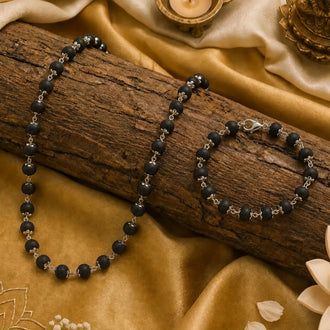
- Red Cloth: for placing underneath the stand to maintain a clean boundary. Radha shankh tulsi mala
If you are doing the full vidhi
- Dakshinavarti Shankh: for performing the ritual bath of Laddu Gopal.
- Sandalwood Paste: for applying a tilak on the shell before starting puja.
- Fresh Flowers: for offering to the shell as it represents a form of Lakshmi.
- Silver Chain: for wearing a protective symbol of the Lord during your daily travels. Krishna mantra shankh pendant
Explore our complete range of blessed items in the spiritual jewellery collection blessed from holy places for your daily sadhana.

The Main Guide to Shankh Usage
To use the shankh correctly, you must distinguish between the shell used for sound and the shell used for water. Following the shankh puja rules ensures that the energy of the mandir remains balanced and respectful. Follow these steps for your daily or festival worship.
Establishing the Daily Puja Routine
Start by cleaning the area where the shell will sit. If you are using a blowing shankh, wash your mouth first. A devotee should never blow the shell without internal purity. Hold the shell with both hands and bring it to your lips. Blow with a steady breath to create a long, consistent sound. This sound should happen three times: at the start of aarti and at the end. After blowing, wash the shell immediately with fresh water. Never place the shell back on the altar while it still has traces of saliva. This is a vital rule of shuddhi (purity) in Vaishnava traditions.
Performing Abhishek with the Dakshinavarti Shankh
The right-handed shell is used specifically for bathing the deity. Fill the shell with water, milk, or panchamrit. You can follow the detailed steps in our guide on panchamrit abhishek laddu gopal to get the proportions right. Hold the shell over the deity and pour the liquid in a thin, continuous stream. This shell should never be brought to the mouth. Its energy is receptive and cooling, unlike the active energy of the blowing shell. When not in use, keep this shell filled with water and a few tulsi leaves. This water becomes charanamrit by the next morning and can be sprinkled around the house for purification.
Placement and Direction Rules
The direction of the shell on the altar is very specific. The pointed end of the shankh should always face the deity. The open part or the belly of the shell should face upwards. If you have two shells, keep them on separate stands. The blowing shankh is usually kept on the left side of the deity from your perspective. The abhishek shankh is kept on the right side. Never keep two blowing shells together in one mandir as their vibrations may conflict. Ensure the stands are made of wood, brass, or copper rather than iron or plastic.
Benefits of Proper Shankh Seva
Maintaining a shankh according to the shastras brings specific spiritual and physical advantages to the household. These benefits are noted in various Puranic texts and regional traditions across India.
- Sound Purification: The naad produced by blowing the shell is said to clear the surroundings of negative vibrations.
- Lakshmi Presence: Keeping a Dakshinavarti shankh is believed to invite the grace of the Goddess of wealth into the home.
- Bacterial Control: Storing water in a shell overnight has been traditionally used to create a natural alkaline solution.
- Mental Focus: The act of blowing the shell requires deep breath control, which helps in calming the nervous system.
- Spiritual Discipline: Following the strict rules of cleaning and placement builds a sense of mindfulness in the devotee.
- Aura Strengthening: Regular use of the shell during aarti creates a protective shield of sound around the prayer room.
Which shankh should never be blown, and which should never be used for abhishek?
A common point of confusion for home practitioners is whether any shell can be used for any purpose. The Dakshinavarti shankh, which opens to the right, must never be blown. Its structure is not designed for airflow, and more importantly, it is considered the dwelling place of Goddess Lakshmi. Blowing into it is viewed as a mark of disrespect to the Goddess. On the other side, a shell that has been used for blowing should never be used for the abhishek of a deity. Once a shell touches the lips and carries saliva, it is no longer considered pure enough to pour water over the Lord. Even if you wash it, the primary function of the shell remains fixed. You must keep your blowing shankh and your puja shankh completely separate. If you only have one shell and it is a Vamavarti (left-opening), use it only for blowing. For abhishek, it is better to use a simple copper lota if a dedicated right-handed shell is unavailable. Always consult a qualified priest or your family guru if you find an antique shell and are unsure of its type or previous usage history.
Common Mistakes in Shankh Handling
Even dedicated devotees sometimes overlook the finer points of shell maintenance in a busy household. Avoiding these errors will help you maintain the sanctity of your worship space.
- Wrong Direction: Placing the pointed end of the shell facing away from the deity or towards the door.
- Mixed Usage: Using the same shell for blowing and then using it to pour water over Laddu Gopal.
- Touching the Floor: Leaving the shell directly on the ground instead of using a proper wooden or metal stand.
- Neglecting Shuddhi: Failing to wash the blowing shell after use, which allows dried saliva to remain on the sacred object.
- Improper Tithi: Buying or installing a new shankh on an inauspicious day instead of a Friday or a festival like Janmashtami.
FAQ
Shankh ghar mein rakhne ke niyam kya hain?
Shankh ghar mein rakhne ke niyam state that the shell must always be kept on a clean stand. It should never touch the floor directly. You must wash it with Ganga jal daily and keep the pointed end facing the deity.
Shankh bajane ke fayde kya hote hain?
Shankh bajane ke fayde include the purification of the air and the removal of negative energies. The sound creates a meditative atmosphere. Physically, it improves lung capacity and helps in regulating the breath during the morning and evening aarti.
Dakshinavarti shankh benefits kya hain?
Dakshinavarti shankh benefits are primarily focused on attracting prosperity and the grace of Goddess Lakshmi. When kept in the mandir or locker, it is believed to stabilize wealth. Using it for deity abhishek brings peace and spiritual growth.
Panchajanya krishna ka mahatva kya hai?
Panchajanya krishna is the name of the divine shell blown by the Lord to signal the victory of dharma. It represents the control over the five elements. Keeping a shell in your mandir reminds you of this divine protection.
Kya mahilaye shankh baja sakti hain?
Kya mahilaye shankh baja sakti hain is a question with varying regional customs. While some traditions restrict it, many Vaishnava families allow women to blow the shell if they follow all purity rules. Always follow the specific traditions of your own family.
Final Thoughts on Shankh Seva
The presence of a shell in your home mandir brings a piece of the cosmic ocean into your daily life. By following the shankh puja rules, you ensure that this sacred object remains a source of positive vibration and grace. Whether you are blowing the Vamavarti to start your day or using a Dakshinavarti for the bath of Laddu Gopal, do it with a heart full of bhakti. Remember to keep your tools clean and your intentions pure. For more details on preparing your altar, read our guide on janmashtami puja samagri list. May the naad of your shell bring peace to your home and strengthen your connection to Lord Krishna.