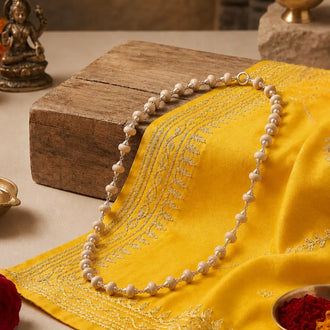
Tulsi Mala for Krishna: Wearing One This Janmashtami 2026
 tulsi mala for janmashtami">
Wearing a Tulsi Mala for Krishna on Janmashtami
Vrindavan priests at the Radha Damodar temple begin tying kanthi malas for pilgrims as early as 4:00 AM on Janmashtami morning. This festival on 4 September 2026 marks the appearance of Lord Krishna and provides the most auspicious energy for spiritual commitments. Many devotees decide to wear a tulsi mala for krishna during this sacred Bhadrapada month to signify their surrender. Wearing these sacred beads is a physical sign of your identity as a servant of the Divine. You will understand how to properly sanctify and wear your beads to stay connected to Vrindavan daily.
Quick Takeaways
- Begin wearing the kanthi during the Nishita Kaal muhurat on 4 September 2026.
- Ensure the beads are authentic Ocimum tenuiflorum wood sourced from holy land.
- Commit to a vegetarian diet without onion or garlic before putting them on.
- Cleanse the beads in Ganga jal and Panchamrit to remove any manufacturing impurities.
 tulsi mala for krishna">
Spiritual Advantages of a Tulsi Mala for Krishna
| Benefit | What it means | Source |
|---|---|---|
| Spiritual Protection | The beads act as a shield against negative energies and Yamadutas. | Padma Purana |
| Mental Clarity | Tulsi wood helps stabilize the mind during daily meditation and prayers. | Vrindavan Tradition |
| Physical Purity | Contact with the wood is believed to purify the physical body continuously. | Ayurvedic Texts |
| Divine Remembrance | The sensation of beads on the neck serves as a constant reminder of Krishna. | Gautamiya Tantra |
| Removal of Sins | Simply wearing the beads is said to eradicate past karmic burdens. | Skanda Purana |
Why This Matters
Wearing the wood of the Tulsi plant is not a fashion choice but a formal entrance into Vaishnava life. The beads represent the presence of Tulsi Devi, who is the most beloved devotee of Lord Krishna. When you wear her wood around your neck, you are constantly under her protection and guidance. This practice is especially significant in Vrindavan where every leaf is considered a witness to the Lord's pastimes. We believe that Yamaraja, the lord of death, cannot approach a person who wears these beads.
The scripture states: Padma Purana (Tulsi mahatmya). This text explains that even a person with many sins becomes purified simply by the touch of Tulsi wood. It creates a shield of spiritual energy that helps you resist negative habits and worldly distractions. By wearing these beads on Janmashtami, you align your personal growth with the massive spiritual outpouring of the festival. You can learn more about starting your home practice in our guide on Laddu Gopal daily seva for beginners. This connection to the wood reminds you of your eternal relationship with the Supreme Person every time you look in the mirror.

What You'll Need
Preparing for your Janmashtami sankalp requires specific items to ensure the beads are properly sanctified before they touch your body.
The essentials
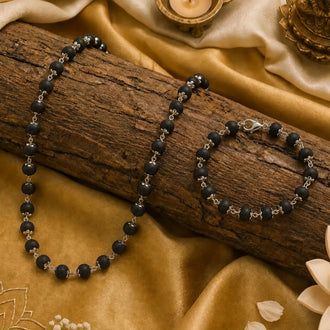
- Triple round kanthi: for the traditional three-layered look worn by Gaudiya Vaishnavas. triple round kanthi
- Ganga jal: for the initial purification of the wooden beads.
- Ghee lamp: for performing a small aarti to the mala before wearing it.
- Yellow or white chandan: for applying a small dot to the large bead of the mala.
If you are doing the full vidhi
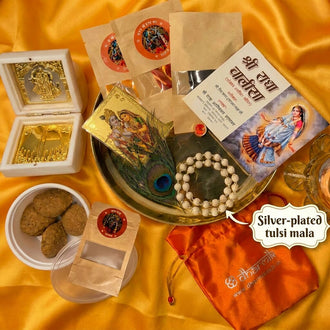
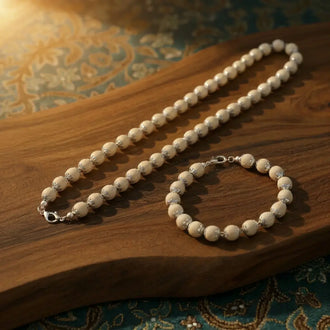
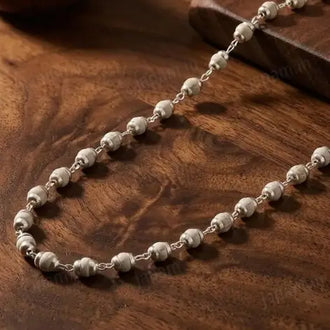
- Silver plated mala: for a more durable option that withstands daily bathing. silver plated mala
- Pendant mala: for those who wish to keep a small deity image close to their heart. pendant mala
- Panchamrit: a mixture of milk, curd, honey, sugar, and ghee for traditional abhishek.
- New cotton cloth: to dry the beads after the ritual bath.
Explore our full range of sanctified tulsi malas to find the right size for your neck.
The Main Guide
Choosing your beads for Janmashtami 2026
The first step is selecting the right count and size of beads. Most devotees prefer the 2 mm to 4 mm size for a kanthi that sits comfortably against the skin. If you are a beginner, a single round is common, but many in the Vrindavan tradition prefer the triple round. The triple round represents the three aspects of the devotee's surrender. Ensure the beads are hand-carved and not plastic or neem wood imitations. You can test authenticity by the natural, woody scent. Real tulsi wood floats in water initially but sinks once it absorbs moisture.
The purification ritual on 4 September
Wait until the afternoon or early evening of 4 September 2026 to begin the purification. Place your new mala in a clean copper or brass bowl. First, wash the beads with Ganga jal while chanting the Hare Krishna mahamantra. If you have Panchamrit ready, dip the beads into the mixture. This removes any energy from the craftsmen who carved the wood. After the bath, dry the beads with a clean, unused soft cloth. Apply a small amount of chandan to the beads and offer them to a picture or deity of Lord Krishna. Ask for the Lord's permission to wear His devotee's wood.
The timing and sankalp
The best time to put on the mala is during the Nishita Kaal muhurat, which occurs between 00:01 and 00:48 on 4 September. At this midnight hour, sit before your altar and hold the mala in your hands. Recite a simple prayer or sankalp, stating your intention to serve Krishna and follow the rules of a Vaishnava. Place the mala around your neck. Once worn, the kanthi should ideally not be removed, even during sleep or bathing. The water that flows over the beads during your bath is considered Ganga jal, further purifying your body each morning. If the thread breaks later, simply replace them with a new set after a similar purification.
Daily Rules and Benefits
- Spiritual Shield: The wood acts as a constant reminder of the Lord's presence, reducing the urge to engage in negative talk or actions.
- Physical Purity: According to the Ayurveda traditions in Vrindavan, wearing tulsi wood helps balance the kapha and vata doshas in the body.
- Focus in Japa: Having the kanthi around your neck makes your mind more steady during morning meditation on the 108 beads of the japa mala.
- Protection from Nightmares: Many devotees find that wearing the beads during sleep provides a sense of calm and prevents disturbing dreams.
- Vaishnava Identity: It serves as a silent signal to other devotees, fostering a sense of community and shared purpose in bhakti.
- Continuous Seva: Since Tulsi is always at the neck, you are technically performing a form of seva to the Lord's beloved at all times.
The combo mala set offers a versatile way to keep these benefits close while traveling or at work.
Are there rules about what you must give up after wearing a tulsi mala?
Yes, wearing these beads is a serious commitment that requires changes in your lifestyle. The most important rule is the complete avoidance of non-vegetarian food, including eggs. In the Vaishnava tradition, we also give up onion and garlic, as these are considered tamasic foods that disturb the mind during meditation. You must also refrain from intoxicants like alcohol and tobacco. These rules are not meant to be a burden but to keep your body and mind clean enough to host the sacred wood of Tulsi Devi.
If you find these changes difficult, do not feel guilty or anxious. You can start by slowly reducing these items in the weeks leading up to Janmashtami 2026. However, once the mala is around your neck, you must strictly follow these dietary habits. If you accidentally consume these items, you should remove the mala, perform a small prayaschit fast, and put on a fresh mala after a bath. If you have medical conditions requiring specific diets, please consult a doctor or a qualified priest before making drastic changes.
Common Mistakes
- Wearing beads made of neem or plastic instead of authentic Tulsi wood from a reliable source.
- Taking the mala off during bathing, which actually misses the opportunity for the water to be sanctified by the wood.
- Putting on the beads without a proper sankalp or purification, treating them like a mere decorative necklace.
- Choosing a mala with too many sharp edges that irritate the skin, causing the devotee to stop wearing it.
- Failing to replace the thread when it becomes frayed, leading to the beads being lost during daily activities.
FAQ
Tulsi mala kab pehne?
Tulsi mala kab pehne is a question with a clear answer: Janmashtami on 4 September 2026 is the ideal time. You should wear it during the Nishita Kaal midnight muhurat after purifying the beads in Ganga jal and offering them to Krishna.
Why vaishnavas wear tulsi mala?
Why vaishnavas wear tulsi mala is because it signifies their complete surrender to the service of Lord Krishna. It acts as a spiritual connection to Tulsi Devi, providing protection and reminding the devotee of their eternal path of bhakti and devotion.
What are the primary tulsi kanthi mala rules?
The primary tulsi kanthi mala rules involve maintaining a strict vegetarian diet and avoiding onion, garlic, and all forms of intoxication. Once you wear the beads, they should stay on your body continuously to maintain the spiritual connection and protection.
What are the main tulsi mala benefits?
The main tulsi mala benefits include mental clarity, spiritual protection from negative energies, and the balancing of bodily doshas. Many devotees also find that it helps them stay focused during their daily rounds of japa and other devotional services.
Can I wear a tulsi mala for krishna without initiation?
You can wear a tulsi mala for krishna even if you are not formally initiated by a guru. While diksha is important, any devotee can wear a kanthi as long as they are committed to following the dietary and moral rules.
Conclusion
Starting your journey with a tulsi mala for krishna this Janmashtami is a powerful step toward a more disciplined spiritual life. By following the purification vidhi on 4 September 2026, you invite the grace of Tulsi Devi into your heart. Remember to maintain the dietary rules and treat the beads with the same respect you would show a deity. If you are also interested in other sacred items, you might read about the differences between rudraksha and tulsi rakhi for your family. Wearing the kanthi is a lifelong vow that connects you to the eternal soil of Vrindavan.