Bhai Dooj vs Raksha Bandhan: What’s the Difference?

Bhai Dooj vs Raksha Bandhan: What’s the Difference?
Bhai Dooj is one of the most beloved festivals in India, emphasizing the brother-sister festival significance by celebrating the bond between siblings. On Bhai Dooj, sisters perform a ceremonial tilak on their brother’s forehead, highlighting the spiritual essence of the festival. The rituals performed during Bhai Dooj differ from other festivals, reflecting cultural diversity and deep devotion.
When people compare Bhai Dooj vs Raksha Bandhan, they often think both festivals are exactly the same because both celebrate the bond between a brother and sister. However, the rituals, dates, religious meaning, and emotional expressions are different. Raksha Bandhan is centered around tying the sacred rakhi, while Bhai Dooj is centered around tilak, aarti, sweets, blessings, and prayers for the brother’s long life.
Both festivals carry deep brother-sister festival significance, but they are celebrated in different months and with different customs. Understanding the difference between Bhai Dooj and Rakhi helps families celebrate each festival with the right rituals, devotion, and cultural respect.
For meaningful festive gifting, you can explore silver coins for puja and gifting from Dharmik.

Bhai Dooj vs Raksha Bandhan: Understanding the Difference
When comparing Bhai Dooj vs. Raksha Bandhan, the key difference lies in timing and rituals. Raksha Bandhan occurs in the month of Shravan and involves tying a sacred thread (rakhi), while Bhai Dooj is celebrated during Diwali with ceremonial tilak and prayers. Understanding the difference between Bhai Dooj and Rakhi helps families honor each festival in its unique spiritual and cultural context.
Raksha Bandhan represents the promise of protection through the rakhi, while Bhai Dooj represents blessings through the sister’s tilak and aarti. In both traditions, the sister prays for her brother’s well-being, and the brother expresses love, care, and responsibility towards his sister.
When Is Bhai Dooj Celebrated?
Bhai Dooj is celebrated after Diwali, usually on the second lunar day of Shukla Paksha in the month of Kartik. This timing makes the festival a beautiful part of the Diwali celebrations, where families come together after Lakshmi Puja and Govardhan Puja.
The post-Diwali timing gives Bhai Dooj a warm family feeling. Homes are already decorated, lamps are lit, sweets are prepared, and families gather to complete the festive season with love, blessings, and togetherness.
When Is Raksha Bandhan Celebrated?
Raksha Bandhan is celebrated in the month of Shravan. Sisters tie rakhi on their brothers’ wrists and pray for their protection and happiness. Brothers, in return, offer gifts and promise lifelong support.
Unlike Bhai Dooj, Raksha Bandhan is not connected to Diwali. It has its own sacred place in the Hindu calendar and is celebrated with rakhi, tilak, sweets, prayers, and gifting.
Main Ritual Difference
The biggest ritual difference between Bhai Dooj and Raksha Bandhan is that Raksha Bandhan centers around tying a rakhi, while Bhai Dooj focuses on applying tilak, performing aarti, offering sweets, and praying for the brother’s long life and prosperity.
In Raksha Bandhan, the rakhi becomes the main symbol of protection. In Bhai Dooj, the tilak becomes the main symbol of blessing. This is the simplest way to understand Bhai Dooj vs Raksha Bandhan.
Brother Sister Festival Significance
The brother-sister festival significance of Bhai Dooj is reflected in the blessings, love, and protection shared between siblings. Sisters pray for their brothers’ prosperity, and brothers vow to protect their sisters, reinforcing lifelong familial bonds. Both Bhai Dooj and Raksha Bandhan emphasize emotional connection and devotion, making these festivals culturally and spiritually meaningful.
These festivals remind families that sibling relationships are not only emotional but also spiritual. The rituals create a sacred moment where love is expressed through prayer, blessings, sweets, gifts, and traditional customs.
Spiritual Meaning of Bhai Dooj
Bhai Dooj is not only a family festival but also a spiritual ritual of blessings. The tilak placed by the sister is considered a symbol of protection, love, and divine grace. It reflects the wish that the brother’s life remains filled with health, success, and positivity.
The aarti performed during Bhai Dooj represents light, purity, and protection. It is believed to remove negativity and invite divine blessings into the brother’s life.
Spiritual Meaning of Raksha Bandhan
Raksha Bandhan represents the promise of protection. The rakhi is a sacred thread that symbolizes love, responsibility, and emotional connection. This is why Raksha Bandhan is celebrated with devotion across India and among Hindu families worldwide.
The rakhi also carries the sister’s prayers and blessings. It is not just a decorative thread; it is a symbol of trust, care, and lifelong support between siblings.
Difference Between Bhai Dooj and Rakhi
The difference between Bhai Dooj and Rakhi is mainly in the ritual symbol. Rakhi uses a sacred thread, while Bhai Dooj uses tilak as the central ritual. Both festivals celebrate sibling love, but their traditional expressions are different.
Another difference is the timing. Raksha Bandhan comes during Shravan, while Bhai Dooj comes after Diwali. This makes Raksha Bandhan a separate festival, while Bhai Dooj becomes part of the larger Diwali celebration.
Bhai Dooj Rituals at Home
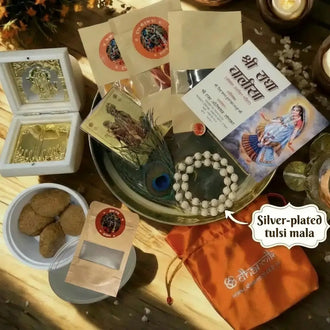
On Bhai Dooj, sisters prepare a puja thali with roli, rice, diya, sweets, and flowers. They apply tilak on their brother’s forehead, perform aarti, offer sweets, and pray for his long life. The brother then gives gifts as a token of love and gratitude.
Some families also include coconut, dry fruits, silver coins, or sacred gifts in the ritual. The celebration may be simple or elaborate, but the emotion behind it remains the same: blessings, protection, and love.
For puja preparation, you can also browse puja essentials for home rituals and festive use.
Raksha Bandhan Rituals at Home
During Raksha Bandhan, sisters tie rakhi on their brother’s wrist, apply tilak, perform aarti, and offer sweets. Brothers give gifts and promise protection. This ritual strengthens the emotional and spiritual connection between siblings.
The rakhi ceremony is often followed by family meals, blessings from elders, and gift exchanges. In many homes, sisters also tie rakhi to cousins and close family members, making the festival a larger celebration of family bonds.
Modern Gifting Traditions
Gifting is an integral part of both festivals, enhancing the Bhai Dooj vs. Raksha Bandhan celebrations. The Darbar Coin Gift Set is perfect for gifting during Bhai Dooj or Raksha Bandhan, symbolizing blessings, prosperity, and protection. By choosing meaningful gifts, siblings honor the Brother-Sister Festival's significance in a modern, spiritual way.
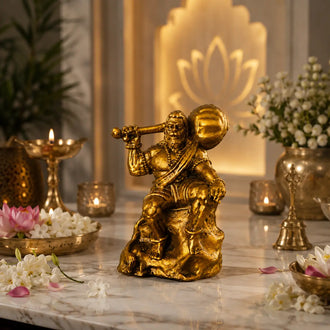
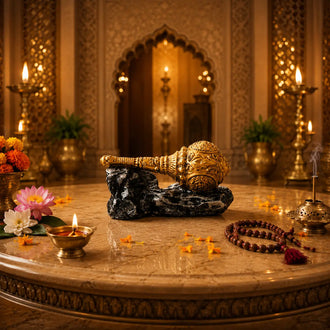
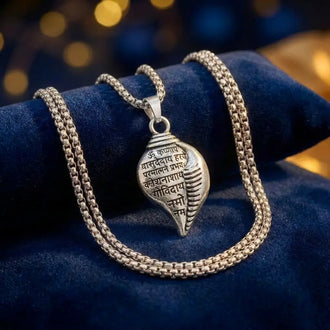
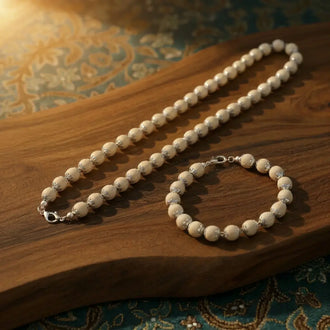
Today, many people prefer gifts that feel useful, emotional, and spiritual. Instead of giving ordinary items, families often choose silver coins, puja sets, idols, malas, and devotional gifts that stay meaningful for years.

Why Spiritual Gifts Are Meaningful
Spiritual gifts carry blessings and emotional value. Instead of giving only decorative items, many families now choose coins, idols, puja items, and devotional products that can be used in daily worship or kept as a symbol of divine protection.
A spiritual gift also connects the festival to faith. When a brother or sister receives a sacred gift, it becomes a reminder of blessings, tradition, family love, and divine protection.
Best Gifts for Bhai Dooj
For Bhai Dooj, meaningful gifts include silver coins, Ram Darbar sets, puja essentials, sweets, devotional idols, and personalized spiritual gifts. Since the festival is connected with blessings after Diwali, gifts with divine meaning feel especially suitable.
A silver coin or Darbar Coin Gift Set can be kept in the home mandir, used during puja, or gifted as a sacred keepsake. This makes it a thoughtful choice for siblings who value tradition.
Best Gifts for Raksha Bandhan
For Raksha Bandhan, gifts often include sweets, clothes, accessories, jewelry, silver coins, and spiritual products. Brothers usually give gifts to sisters after the rakhi ceremony, while sisters may also give devotional items as blessings.
Spiritual products from Dharmik can make the festival more meaningful because they connect gifting with devotion and family blessings. You can explore more spiritual products for festive gifting.
Which Festival Is More Ritual-Based?
Bhai Dooj is often considered more connected to post-Diwali rituals, while Raksha Bandhan is centered around the rakhi ceremony. Both festivals have deep emotional importance, but Bhai Dooj has a stronger connection with Diwali celebrations and family prayers.
If we compare rituals, Raksha Bandhan has the rakhi as its central symbol, while Bhai Dooj has tilak, aarti, sweets, and blessings as its main focus. This makes both festivals unique in their own way.
Which Festival Is Better for Gifting?
Both festivals are ideal for gifting. Raksha Bandhan gifts are often exchanged after tying rakhi, while Bhai Dooj gifts are given after tilak and aarti. Spiritual gifts like silver coins, Ram Darbar sets, and puja essentials work beautifully for both occasions.
The best gift is the one that carries love, blessings, and usefulness. For families that value tradition, devotional gifts are a beautiful way to celebrate both Bhai Dooj and Raksha Bandhan.
Bhai Dooj and Raksha Bandhan in Modern Families
In modern families, siblings may live in different cities or countries, but the emotion behind Bhai Dooj and Raksha Bandhan remains strong. Many sisters send rakhi or gifts online, while brothers send blessings, money, or spiritual gifts to their sisters.
Even when the rituals are performed through video calls or online gifting, the purpose remains the same: to honor the sacred brother-sister relationship with love and devotion.
How to Celebrate Bhai Dooj Simply
To celebrate Bhai Dooj simply, prepare a clean puja thali with diya, roli, rice, flowers, and sweets. Apply tilak, perform aarti, offer sweets, and pray for your brother’s well-being. The ritual does not need to be grand; it only needs devotion.
You can also keep a small sacred gift ready, such as a silver coin, idol, or puja item. This adds a devotional touch to the celebration.
How to Celebrate Raksha Bandhan Simply
To celebrate Raksha Bandhan simply, choose a rakhi, prepare a small thali, apply tilak, tie the rakhi, perform aarti, and offer sweets. Brothers can give a thoughtful gift and take blessings from elders.
The beauty of Raksha Bandhan lies in its simplicity. A sacred thread, a sincere prayer, and a heartfelt promise are enough to make the festival meaningful.
Common Similarities Between Bhai Dooj and Raksha Bandhan
Both festivals celebrate sibling love, family unity, protection, blessings, sweets, prayers, and gifts. Both give families a reason to come together and express emotions that are often left unsaid in daily life.
Both festivals also carry spiritual value. They are not only social customs but also sacred traditions that connect family relationships with divine blessings.
Quick Comparison of Bhai Dooj and Raksha Bandhan
Bhai Dooj is celebrated after Diwali, while Raksha Bandhan is celebrated in Shravan. Bhai Dooj uses tilak as the main ritual, while Raksha Bandhan uses rakhi. Bhai Dooj focuses on the sister’s prayers for her brother’s long life, while Raksha Bandhan focuses on the sacred promise of protection.
Still, both festivals carry the same emotional core: love between siblings, respect for family traditions, and the wish for each other’s happiness.
FAQs about Bhai Dooj and Raksha Bandhan
1. What is the main difference between Bhai Dooj and Raksha Bandhan?
The main difference between Bhai Dooj and Rakhi is that Bhai Dooj is celebrated during Diwali with tilak rituals, whereas Raksha Bandhan occurs in Shravan with the tying of a sacred thread.
2. Why is Bhai Dooj important?
Bhai Dooj celebrates the lifelong bond between brothers and sisters, reinforcing blessings, protection, and family love.
3. Can gifts be exchanged during both festivals?
Yes, gifting during Bhai Dooj vs. Raksha Bandhan strengthens sibling ties, and spiritual gifts like the Darbar Coin Gift Set carry divine blessings.
4. How is Bhai Dooj celebrated in different regions?
In North India, Bhai Dooj rituals involve tilak and sweets, while in other regions, variations exist, reflecting local culture and customs.
5. What are recommended gifts for Bhai Dooj or Raksha Bandhan?
Spiritual gifts such as the Darbar Coin Gift Set symbolize protection, prosperity, and devotion, perfectly honoring the brother-sister festival significance.
Reflections on the Festival
Both Bhai Dooj and Raksha Bandhan highlight the unique ways siblings express love, protection, and respect for one another. Celebrating these festivals strengthens family bonds and ensures that traditions remain alive across generations. Choosing meaningful gifts, such as the Darbar Coin Gift Set, adds spiritual significance while keeping the essence of Bhai Dooj alive.
If you want a devotional gifting option for siblings, you can also browse spiritual products from Dharmik.
👉 Shop your Darbar Coin Gift Set here

Written by Bhamidipati Ratna Satya Sripada