The Power of Incense Cups and Fragrance in Rituals

The Power of Incense Cups and Fragrance in Rituals
The gentle aroma of chandan (sandalwood) often fills the air around the ancient temples of Vrindavan, signaling an offering in progress. Devotees worldwide seek to infuse their sacred spaces with the pure aroma of incense cups for fragrance rituals. This post will guide you through understanding the spiritual essence of incense cups and how their sacred aroma can elevate your daily puja and meditation practices.
Quick Takeaways
- Incense cups purify spaces, preparing them for devotion and spiritual focus.
- Natural fragrances foster a deeper connection to deities during prayers.
- Regular use of puja fragrance cultivates a peaceful and uplifting atmosphere.
- Selecting quality offerings enhances the sincerity of your spiritual practices.
Key Information for Enhancing Rituals
- Purpose: Incense cups are primarily used to purify the environment and offer aromatic reverence to deities.
- Sacred Aroma: The fragrances released are believed to elevate one's mood and facilitate deeper meditation and prayer.
- Connection: The rising smoke symbolizes prayers ascending to the heavens, fostering a sense of divine connection.
- Traditional Ingredients: Many traditional incense cups are crafted from natural resins, herbs, and flowers, ensuring purity.
- Mindfulness Aid: The consistent scent serves as a gentle anchor for the mind, aiding concentration during spiritual activities.
Why Incense Cups Matter in Devotion
In Hindu tradition, the offering of fragrance, known as sugandha, holds deep spiritual significance. It is not merely about pleasant smells; it is a profound act of purification and devotion. As devotees prepare for puja, they first cleanse themselves and their surroundings. The lighting of incense cups or authentic incense cups plays a vital role in this purification, transforming the mundane into the sacred. This practice helps to dispel negative energies and invite divine presence into the worship area, making it ideal for a home temple purification. For further guidance on maintaining a sacred space, consider reading our Home Temple Purification Guide.
The very act of offering a sacred aroma is mentioned in ancient scriptures. As stated in the Garuda Purana 1.207.21, "The offering of incense pleases the deities and removes all obstacles." This verse highlights the long-standing belief in the power of fragrance to invoke blessings and create an auspicious environment. In places like Vrindavan, where every corner resonates with devotion, the sweet perfume from countless temples and homes is a constant reminder of this ancient tradition. The particular fragrance of flowers like jasmine, lotus, or rose often chosen for offerings, carries specific energies believed to attract certain deities or states of mind, enhancing the devotee's experience.
When selecting incense for your puja, consider its composition and origin. For example, traditional dhoop cups, crafted from natural herbs and resins, are revered for their authentic and uplifting aromas. These are often blessed in sacred places, like the temples of Kashi, before reaching devotees. The conscious choice of pure, natural ingredients ensures that the offering remains untainted, aligning with the spiritual principles of cleanliness and sincerity in worship. This attention to detail elevates the simple act of lighting incense into a meaningful part of a broader spiritual practice.

The Main Guide to Incense Cups in Your Fragrance Ritual
Incorporating incense cups and their sacred aroma into your daily spiritual practice is a simple yet impactful way to enhance your devotion. Here is a step-by-step guide to elevate your fragrance ritual, making each puja more meaningful.
1. Selecting the Right Incense Cups and Fragrances
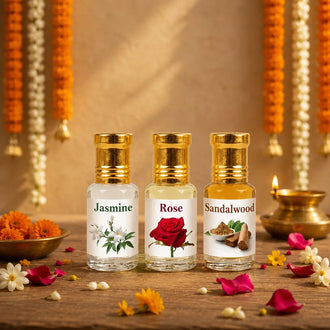
The effectiveness of your incense cups fragrance ritual begins with selection. Choose natural, high-quality incense cups, often made from resins like frankincense or myrrh, or fragrant woods like sandalwood. Each type offers a distinct puja fragrance. For example, loban (benzoin) is known for its purifying qualities, while guggul is believed to invite positive energies. Consider the specific deity you are worshipping; some deities are associated with particular scents. For instance, Lord Shiva is often offered sandalwood, while Goddess Lakshmi prefers rose. You might also find pure Vrindavan attar to dab on your deity, adding another layer of aromatic offering.
2. Preparing Your Sacred Space
Before lighting your incense, ensure your puja area is clean and tidy. The fragrance ritual is about creating an environment conducive to spiritual connection. Light a diya (lamp) and arrange your deity idols. The selection of deities and their placement also plays a role in the overall energetic balance of your sacred space. Our Vastu Devotion Guide offers valuable insights into arranging your home temple, including fragrance selection tips. A clean space enhances the perception of the sacred aroma and prevents any lingering smells from interfering with your new offering.
3. The Act of Lighting and Offering
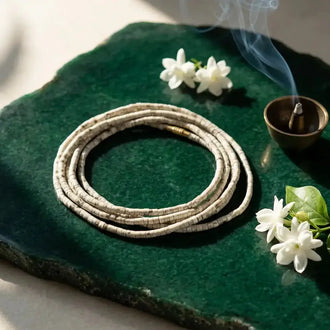
Hold the incense cup with reverence. Using a matchstick or camphor, light the top edge of the cup until it glows. Gently fan out any flames, allowing it to smolder and release its sacred aroma. Place it in a dedicated incense holder. As the smoke rises, offer your prayers and intentions. Visualize the fragrance purifying the atmosphere and carrying your devotion to the divine. Many devotees perform arati (waving of lamps) while offering incense, circulating the divine aroma throughout the space. The act itself should be performed with a meditative focus.
4. Daily Practice and Consistency
Regularly incorporating incense cups into your daily puja helps to maintain a consistent sacred atmosphere in your home. This consistency deepens your spiritual discipline and makes your personal space a haven for peace and meditation. Whether it's morning prayers or evening contemplation, the familiar puja fragrance becomes a cue for your mind to enter a devotional state. Consider a complete puja kit for all your daily needs, ensuring you have quality incense and other essentials ready for your practice.
Benefits of a Sacred Aroma Ritual
Integrating the sacred aroma of incense cups into your daily life offers numerous benefits beyond simple fragrance. These practices enhance both the ritualistic aspect and your personal spiritual journey.
- Purifies the Atmosphere: The smoke from traditional incense cups is believed to cleanse the air, removing stale energies and inviting freshness. Many varieties, like those made with neem or guggul, have historical uses for their purifying properties.
- Elevates Mood and Focus: Specific scents, such as sandalwood or rose, have been traditionally used in Ayurveda for their calming and uplifting effects, aiding concentration during meditation.
- Deepens Spiritual Connection: By consistently associating certain fragrances with puja, your mind naturally enters a devotional state upon encountering these scents. This strengthens your ritual incense practice.
- Creates an Auspicious Environment: A space filled with a pleasant puja fragrance is considered auspicious, attracting positive energy and divine blessings for residents.
- Aids in Stress Reduction: The calming effect of natural aromas can significantly reduce stress and anxiety, promoting inner peace after a busy day.
- Symbolic Offering: Lighting incense is a symbolic offering of devotion and respect to the deities, showing reverence through sensory engagement. You can find quality incense cups for your offerings.

How do incense cups and fragrance enhance spiritual rituals and puja?
Incense cups and their associated fragrance deeply enhance spiritual rituals and puja by engaging multiple senses, thereby creating a more immersive and focused devotional experience. From a practical standpoint, the aromatic smoke purifies the immediate physical environment, dispelling any lingering negative odors and replacing them with a sacred aroma that is conducive to worship. This purification extends beyond the physical; it is believed to cleanse the subtle energies of the space, making it more receptive to divine presence.
Psychologically, the consistent use of a particular puja fragrance during rituals creates a powerful associative link. Over time, the scent itself becomes a cue for the mind to shift into a meditative and devotional state. This helps devotees to quiet the incessant chatter of worldly thoughts and focus solely on their prayers and the deity. For example, in Vrindavan, the distinct fragrance of jasmine and tulsi leaves frequently accompanies Krishna bhajans, helping devotees enter a state of deep bhakti. While incense and fragrance are powerful aids, devotees should always consult with a respected priest or spiritual guide for specific ritualistic guidance suited to their tradition. The selection of natural and authentic fragrances is paramount for the efficacy and purity of the ritual, helping to bridge the earthly and the divine.
Common Mistakes to Avoid
- Using Artificial Fragrances: Avoid incense with synthetic chemicals; opt for natural, traditional ingredients to maintain purity.
- Overpowering the Space: Too much incense can be overwhelming; use a moderate amount to create a subtle, pleasing sacred aroma.
- Ignoring Ventilation: Always ensure adequate ventilation to prevent smoke accumulation and allow the fragrance to dissipate gently.
- Incorrect Placement: Place incense cups on a stable, fire-safe surface, away from flammable materials and drafts.
- Lack of Intent: Lighting incense without focused intention reduces its spiritual impact; approach the act with reverence.
FAQs
What are incense cups used for in puja?
Incense cups are used in puja to purify the atmosphere, create a sacred ambiance, and offer a symbolic gift to the deities. Their fragrant smoke is believed to carry prayers and intentions to the divine, enhancing spiritual focus and devotion during worship.
How does puja fragrance influence the spiritual environment?
Puja fragrance influences the spiritual environment by calming the mind and senses, making it easier to concentrate on prayers and meditation. The sacred aroma purifies the space, inviting positive energy and creating an atmosphere conducive to deep spiritual connection with the deities.
Can any type of fragrance be used for sacred aroma in rituals?
Not just any fragrance can be used for sacred aroma in rituals. Traditionally, natural fragrances derived from specific flowers, herbs, and resins like sandalwood, rose, jasmine, or guggul are preferred. Chemical scents are generally avoided to maintain the purity of the ritual.
What is the importance of choosing quality ritual incense?
Choosing quality ritual incense is important because it ensures a pure, consistent fragrance without harsh chemicals. High-quality incense burns cleanly, providing a steady sacred aroma that truly enhances the spiritual atmosphere and supports the devotee’s focus during prayer and meditation.
What is a fragrance ritual?
A fragrance ritual involves the deliberate use of specific scents, like those from incense cups or attar, to prepare a space and mind for spiritual practice. It is an intentional act to create a pure and uplifting environment, deepening one's connection to the divine during worship or meditation.
Conclusion
The subtle yet powerful presence of a sacred aroma, emanating from pure incense cups, is an indispensable element in spiritual practices. By selecting authentic ingredients and performing your offerings with intent, you can transform your devotional space into a sanctuary of peace and divine connection. Embrace the tradition of using incense cups fragrance ritual in your daily devotion, and experience a deeper sense of presence. Explore Dharmik's range of incense cups to elevate your spiritual journey, and learn more about creating a sacred home with our Best Idols for Home guide.
By Vibhu Airan