Kalash Significance: Understanding Kalash Significance and Its Power in Hindu Rituals
The significance of the kalash is deeply rooted in Hindu scriptures, where the sacred pot represents the universe, fertility, purity, and divine presence. Across households and temples, devotees often emphasize the importance of kalash in Hindu rituals because it symbolizes auspicious beginnings.
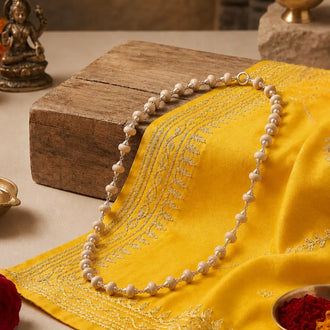
Its placement during puja also highlights why kalash is used in pooja for inviting prosperity and spiritual protection. Many families place a 5 Mukhi Original Rudraksha Mala near the Kalash to invoke peace, protection, and spiritual grounding.

The Symbol of Purity, Creation & Divine Energy
The sacred pot represents life-giving energy and cosmic creation. The leaves, water, and coconut inside the pot reflect the interconnected elements of nature. Devotees also recognize the importance of the kalash in Hindu rituals, as it embodies Lakshmi’s grace and pure consciousness. Rituals performed with it radiate purity and strength, supported by the ancient belief in kalash water benefits.
Why the Kalash Is Placed in Major Pujas
During ceremonies like Griha Pravesh, Navratri, Lakshmi Puja, and weddings, a Kalash marks the entry of divine force. Scriptures explain why kalash is used in pooja, especially during sankalp and initiation rituals. Placing it at the mandir entrance is believed to activate spiritual vibration and enhance kalash water benefits through its energizing presence.
Elements That Make the Kalash Sacred
Each part of the Kalash symbolizes a divine element:
-
Water inside → symbolizes life
-
Coconut → represents divine consciousness
-
Mango leaves → denote the five elements
-
Metal pot (copper, brass, silver) → channels spiritual energy
This composition is also linked to why kalash is used in pooja, as each component carries a deeper symbolic meaning aligned with universal creation.
The Spiritual Energy Held Within Kalash Water
Many devotees believe that the water inside absorbs divine vibrations during the ritual. This is why the pot is placed near idols or yantras. When energized, the kalash water benefits include purification of the home environment and the removal of negative energies. Drinking or sprinkling it after puja is considered spiritually healing.
Before filling the Kalash, the area can be purified using Amrit Jal Spray, which enhances the sattvic energy during rituals.

Cultural & Traditional Uses Across India
The role of a Kalash varies across regions, yet its essence remains the same:
-
South India: Used for Kalasha Sthapana before major rituals
-
North India: Represents Goddess Lakshmi during Diwali and Navratri
-
Maharashtra: Seen in marriage rites as a symbol of prosperity
-
West Bengal: Integral to Durga Puja ceremonies
These customs reflect the lasting importance of the kalash in Hindu rituals across diverse traditions.
How to Prepare a Kalash for Rituals
A properly prepared Kalash is believed to carry divine blessings. Follow this simple method:
-
Clean the pot thoroughly.
-
Fill it with fresh, clean water.
-
Add a coin or rice grains for prosperity.
-
Insert five mango leaves around the rim.
-
Place a coconut wrapped in red cloth on top.
This act itself deepens the spiritual experience connected to the kalash significance in puja.
Benefits of Keeping a Kalash in Your Home Temple
Keeping a Kalash in your mandir during major rituals enhances positivity. The water inside absorbs mantras, while the pot radiates divine vibrations throughout the day. This traditional practice amplifies kalash water benefits and strengthens devotion.
During mantras chanted around the Kalash, devotees often use an authentic Rudraksha Mala with a brass Damru & Trishul pendant to deepen focus and connect with Shiva’s energy.

FAQs about kalash significance
1. What metal is best for a Kalash?
Copper and brass are commonly used because they hold spiritual energy and purify water.
2. Can we reuse the Kalash?
Yes, the pot can be reused, but the water and offerings should be refreshed for each ritual.
3. Where should the Kalash be placed?
Place it near the central deity or at the entrance of your mandir during pujas.
4. Can we drink Kalash water?
Yes, if prepared hygienically—traditionally it is sprinkled or consumed as a blessing.
5. Is a Kalash necessary for every puja?
While not mandatory for daily worship, it is essential for major rituals and auspicious ceremonies.
Final Thoughts
Understanding the kalash's significance helps devotees appreciate the deeper spiritual energy behind this traditional vessel. Whether placed during festivals, housewarming rituals, or daily worship, the Kalash symbolizes purity, abundance, and divine presence. By honoring this sacred pot, devotees welcome cosmic blessings, strengthen spiritual intention, and bring harmony into their home temple.
Order Your Radha Rani Chunri—Divine Grace from Vrindavan—Here:

Written By- Niyati Phogat