Puja Ritual Kit Essentials: Essential 2026 Mandir Setup

Selecting Authentic Puja Ritual Kit Essentials for Home Mandirs
In the Braj region, a devotee begins the day by lighting a ghee lamp at 4:30 AM before the sun touches the Yamuna. Selecting the right puja ritual kit essentials ensures that your daily interaction with the divine remains uninterrupted and pure. This article explains which items form the core of a Vedic altar and how to arrange them for maximum spiritual benefit.
Quick Takeaways
- Standard copper or brass vessels maintain the highest level of ritual purity for daily use.
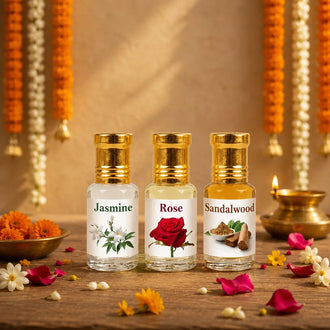
- Natural ingredients like pure sandalwood and hand-rolled incense create a calm atmosphere for meditation.
- A structured kit saves time during morning rituals and prevents the omission of key steps.
- Every item must be cleaned and stored in a specific North-East direction for Vastu.
| Mandir Category | Essential Item | Quantity | Spiritual Purpose |
|---|---|---|---|
| Aarati | Brass Diya | 1 Unit | Represents the element of fire and light. |
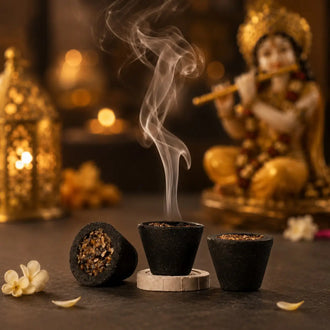
| Fragrance | Natural Dhoop | 1 Pack | Purifies the air and removes stale energy. |
| Tilak | White Chandan | 50 Grams | Cooling agent for the third eye chakra. |
| Abhishek | Copper Panchpatra | 1 Set | Holding sacred water for purification rites. |
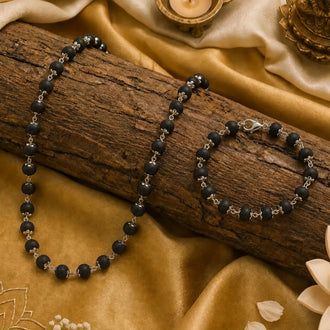
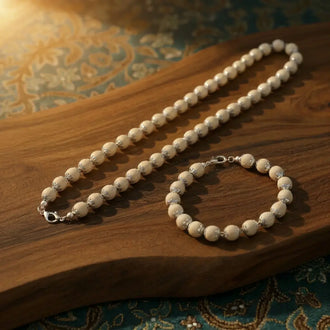
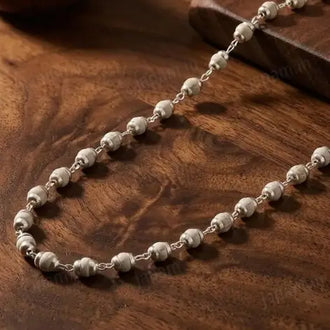
| Chanting | Tulsi Japa Mala | 108 Beads | Counting mantras to focus the wavering mind. |
Why This Matters
Establishing a sacred space requires more than just physical objects. It requires ritual supplies that carry the correct energetic frequency. The purity of these items determines the quality of the vibration in your home. According to Skanda Purana 2.4.18, a devotee who offers even a single leaf or flower with pure vessels attains the same merit as an elaborate sacrifice. This text emphasizes that the intention and the cleanliness of the tools are inseparable. In places like Kashi and Vrindavan, priests follow strict rules regarding the metal type and the source of ingredients used in worship. Using synthetic or impure materials can distract the mind and reduce the efficacy of the prayers. By investing in authentic items, you align your home with the ancient traditions practiced in the world's oldest living temples. For more on preparing your space, read our home temple purification guide which covers the basics of mandir hygiene.

How to Organize Your Puja Ritual Kit Essentials
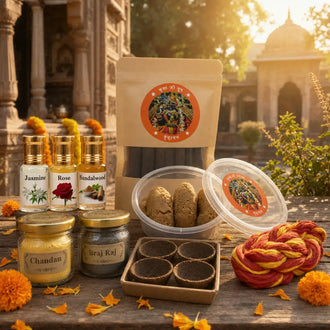
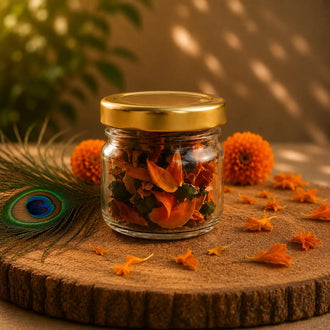
A well-prepared devotee never scrambles for matches or water once the prayers begin. Organizing your puja necessities starts with a dedicated tray or wooden stand. Place the heavier metal items like the Panchpatra and bell on the left side. The right side should hold the diya and incense burner, as these represent the active element of heat. Your pooja items checklist should always include fresh flowers, but the permanent items must be kept in a dry, dust-free box. Many families find that a Monthly Vrindavan Puja Kit provides a steady supply of consumables like ghee wicks and dhoop. When you sit for worship, face East or North. These directions are aligned with the flow of solar energy. Ensure that your japa mala is stored in a clean cotton bag, never on the bare floor. For those focusing on Shiva bhakti, adding an Original 5 Mukhi Rudraksha Mala to the kit helps in grounding the energy after aarti. Consistency in your setup leads to a more focused state of dhyana, allowing the mind to settle quickly into the rhythm of the mantras.
History of Ritual Supplies in Vedic Culture
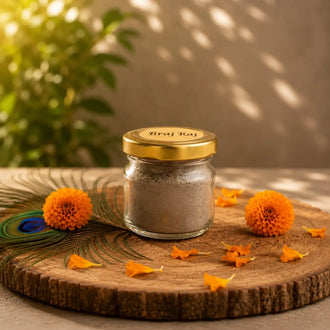
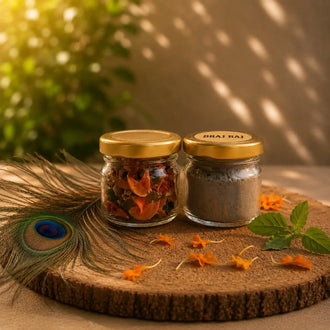
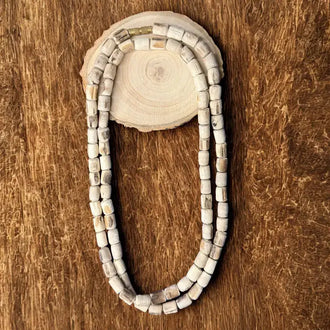
The use of specific tools for worship dates back over 5,000 years to the early Vedic period. In those times, ritual supplies were limited to items found in nature, such as clay, wood, and stone. As metallurgy advanced, copper and brass became the standard for temple use because of their antimicrobial properties. The Agni Purana details how different metals react with the water used in abhishek. Today, the modern devotee uses a blend of ancient wisdom and modern convenience. While the materials have evolved from simple clay pots to polished brass, the Sanskrit mantras used to consecrate them remain the same. In Vrindavan, the tradition of using Braj Raj or sacred soil in daily kits remains popular. This connects the devotee to the land of Shri Krishna. Adding a small portion of Chandan - Blessed from Vrindavan to your kit brings this historical lineage into your own home. Understanding the history of these items transforms a simple task into a conscious act of link to the past.
Regional Variations in the Puja Items Checklist
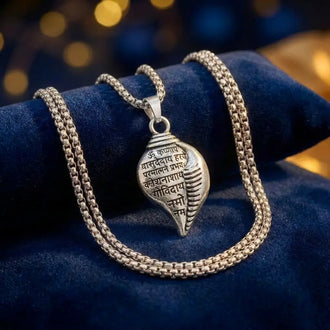
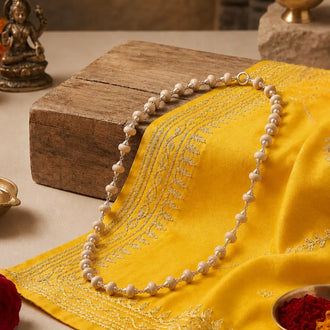
Depending on which part of India your family hails from, the pooja items checklist may vary significantly. In South India, the use of large bronze lamps called Nilavilakku is common. These lamps are often the centerpiece of the ritual kit. In Bengal, the blowing of the Shankh or conch shell happens at the start and end of every puja to drive away negative energy. Devotees in the North often prioritize the use of Tulsi leaves and yellow sandalwood. Those following the Vaishnava path usually keep an Tulsi Japa Mala as a primary tool for daily chanting. In the Shakta tradition, vermilion and red flowers take precedence. Despite these regional differences, the core elements of water, fire, air, and earth remain universal. You can learn more about specific items for different times of the year in our festival puja items list. Each region adds its unique flavor, but the ultimate goal remains the same. The diversity of these rituals reflects the vastness of the Sanatana Dharma, allowing every practitioner to find a method that resonates with their heart.
Benefits of Using High Quality Ritual Supplies
- Longevity: Brass and copper items last for generations and become family heirlooms.
- Health: Pure incense without charcoal reduces smoke irritation in small rooms.
- Aesthetic: A beautiful mandir setup encourages family members to participate in daily prayers.
- Focus: When tools are reliable, the devotee spends less time fixing things and more time in meditation.
- Vibration: Items abhimantrit in holy cities like Vrindavan carry a specific charge that helps in spiritual progress.
- Connection: Using a Vrindavan Prasad Box keeps the memory of the Dham fresh in the devotee's mind.

What items should I include in a complete Puja kit for home worship?
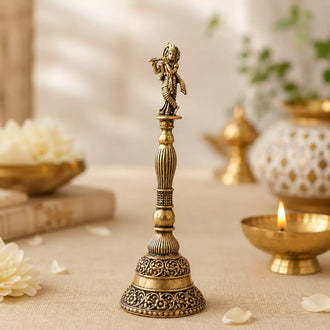
A complete puja kit for home worship must include several specific categories of items to be considered Vedic. First, you need a physical container for water, such as a copper Lota or Panchpatra, which represents the life-giving force. Second, a source of light like a Ghee Diya or oil lamp is mandatory for Aarti. Third, the kit should contain aromatic offerings including agarbatti, dhoop, and sandalwood paste. Fourth, a bell or Ghanti is required to alert the senses and signal the start of the ritual. Finally, a clean cloth for the deity and a small plate for offerings or Bhog are necessary. You may also include a mala for japa and a small book of prayers. It is important to remember that the size of the items does not matter as much as their cleanliness and the devotion with which they are used. If you are unsure about the specific metal or material for a certain deity, you should consult a priest for guidance. Always ensure that any food items used in the kit are replaced daily to maintain hygiene and sanctity within the mandir space.
Common Mistakes to Avoid
- Using plastic containers to store sacred water or kumkum instead of metal or glass.
- Placing the puja kit on the floor rather than on a raised wooden platform or chowki.
- Leaving burnt matches or used incense sticks inside the mandir area after the ritual.
- Mixing the spoon used for offering water with the spoon used for personal consumption.
- Pointing the spout of the water vessel toward the South direction during the ritual.
Does the metal of the puja vessels matter?
The metal of the puja vessels matters because different materials have distinct energetic properties in Vedic science. Copper and brass are preferred for daily use as they are considered sattvic. Avoid using iron or aluminum for direct worship rituals.
How often should I clean the ritual items?
You should clean the ritual items at least once a week using natural cleaners like lemon or pitambari. Items used for offering food or water must be washed daily. Maintaining cleanliness is a form of respect toward the deity.
Can I reuse the same flowers in my kit?
You cannot reuse the same flowers once they have been offered to the deity or have wilted. Fresh flowers represent the blossoming of devotion and must be replaced daily. Dried flowers should be composted or immersed in water.
Where is the best place to store the kit?
The best place to store the kit is inside the home mandir or in a clean cabinet nearby. It should be kept in the North-East corner of the house. Proper storage follows the guidelines mentioned in the vastu devotion guide for better energy flow.
Is a japa mala necessary for a basic kit?
A japa mala is not strictly necessary for a basic kit but it is highly recommended for meditation. Counting mantras on a mala helps discipline the mind. It is a vital tool for those practicing daily nama-smarana.
Conclusion
Building a sacred space starts with gathering the right tools. By focusing on puja ritual kit essentials, you create an environment where spiritual growth can happen naturally. High quality materials like copper and natural resins ensure that your daily practice remains pure and effective. Remember to keep your items clean and follow the correct Vastu directions for the best results. A small but authentic setup is always better than a cluttered, low quality one. Visit our collection of Monthly Vrindavan Puja Kit options to find everything you need in one place. For further reading, check our home temple purification guide for maintenance tips. Investing in your puja ritual kit essentials is the first step toward a more disciplined and peaceful devotional life.
By Rehan