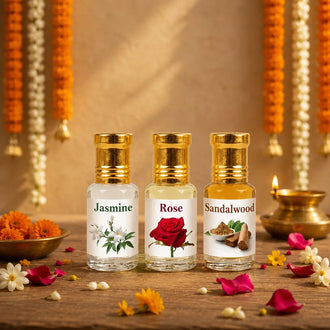
The Sacred Role of Non Alcoholic Perfume Indian Culture

The Sacred Role of Non Alcoholic Perfume Indian Culture
The morning bell at Banke Bihari temple rings while the scent of fresh marigolds fills the air. The presence of non alcoholic perfume Indian culture helps maintain the sanctity of our altars and homes. Devotees use these natural oils to invoke a sense of calm and purity during their daily rituals. Unlike chemical sprays, these traditional scents do not interfere with the sattvic energy of a prayer room. You will learn how these fragrances support meditation, the history of their creation, and why they remain essential for every Hindu household today.
Quick Takeaways
- Natural oils ensure that sacred spaces remain free from chemicals during daily prayer rituals.
- Traditional scent extraction methods preserve the energetic properties of flowers like rose and jasmine.
- Alcohol free options prevent skin irritation and are safe for applying on deities.
- Scent plays a central role in the sixteen steps of traditional Shodhopachara puja.
| Feature | Traditional Attar | Modern Alcohol Perfume |
|---|---|---|
| Base Material | Sandalwood oil or carrier oil | Ethyl alcohol and water |
| Extraction Method | Steam distillation in copper degs | Chemical solvent extraction |
| Puja Suitability | 100% pure for deity application | Prohibited due to impurities |
| Longevity | 8 to 12 hours on skin | 2 to 4 hours due to evaporation |
| Spiritual Impact | Calms the mind for dhyana | Often causes sensory distraction |
Why This Matters
The use of fragrance in Bharat is not a matter of vanity but a spiritual requirement for purification. Ancient texts suggest that the sense of smell is connected to the earth element, which grounds a seeker during meditation. Scent acts as an invitation for the deity to reside within the home during the puja ceremony. According to Skanda Purana 2.4.18, the offering of gandha or fragrance is one of the essential offerings that pleases the Lord and purifies the devotee. In places like Vrindavan and Kashi, the air is thick with the smell of chandan and rose, creating an atmosphere where the mind naturally turns toward the divine. Using a perfumes for devotion ensures that the physical environment matches the internal state of prayer. When we choose non-alcoholic options, we respect the traditional laws of Shaucha, or cleanliness, which are vital for any Vedic ritual. This practice connects us to a lineage of sages who understood the vibrational power of botanical extracts long before modern chemistry existed.

The Significance of Gandha in Shodhopachara
In the sixteen steps of worship known as Shodhopachara, the offering of Gandha comes after the deity is bathed. A small drop of oil is applied using the ring finger of the right hand to the chest or feet of the idol. This step symbolizes the surrender of our ego and the spreading of sweetness in our lives. Many families in Uttar Pradesh still follow the tradition of applying Hina or Shamama attar during the winter months to keep the deity warm. This practice shows the personal bond between the devotee and the divine. For your daily rituals, you can use Vrindavan Pushp Attar (3 Fragrance) to experience this traditional method.
Step-by-Step Application for Personal Devotion
- Perform your morning bath and wear clean cotton clothes before entering the puja room.
- Take a single drop of concentrated attar on your wrist and rub it gently against the other wrist.
- Apply the remaining oil behind your earlobes to allow the scent to rise during your japa meditation.
- If you are using it for an idol, use a clean cotton bud or your ring finger to apply it to the base of the murti.
- Ensure that the bottle is capped immediately to prevent the volatile oils from losing their potency.
Traditional Methods of Creation in Kannauj
The city of Kannauj has been the heart of the fragrance industry for over 400 years. Artisans use large copper vessels called Degs to steam distill flowers like Damask Rose and Bela. The steam travels through bamboo pipes into a receiver filled with sandalwood oil. This slow process can take up to fifteen days for a single batch of high-quality scent. This method ensures that the cooling properties of the flowers are preserved without the use of harsh chemicals or preservatives. Using Chandan - Blessed from Vrindavan provides a similar grounding effect that helps in focusing the mind during long chanting sessions.
Choosing the Right Scent for Each Deity
Different deities are traditionally associated with specific botanical profiles in the Shastras. Lord Shiva is often offered the cooling scent of Sandalwood or the earthy smell of Khus to balance his fiery nature. Goddess Lakshmi is pleased by the sweet and royal fragrance of Rose or Lotus, which signifies prosperity and grace. Lord Krishna in Vrindavan is famously associated with Kadamba flowers and various forest scents. Selecting a Amrit Jal Perfume allows you to maintain this traditional alignment in your modern household. By matching the scent to the deity, you create a resonance that enhances your spiritual experience.
Historical Roots of Non Alcoholic Perfume Indian Culture
The history of scent in India dates back to the Indus Valley Civilization, where terracotta distillation jars have been found by archaeologists. By the 6th century, Varahamihira wrote about the science of odors in the Brihat Samhita, detailing how to mix perfumes for royal courts. This knowledge was later codified into the Gandhashastra, which treats fragrance as a tool for healing and mental clarity. In ancient Kashi, perfumes were used not just for the body but to scent the waters of the holy rivers during festivals. The transition to alcohol-based scents only occurred during the colonial era, making the return to attars a form of cultural reclamation. Today, many seek eco-friendly perfumes to honor these ancient roots while protecting the environment. This shift reflects a growing desire to live according to Vedic principles in a modern world.
Benefits of Traditional Indian Fragrances
- Non-alcoholic bases do not dry out the skin or cause rashes during long hours of wear.
- Pure botanical extracts provide aromatherapeutic benefits like stress reduction and improved focus.
- Traditional oils are highly concentrated, meaning a 10ml bottle can last for several months of daily use.
- These scents are considered Shuddha (pure) and can be worn while performing sensitive rituals or Yagnas.
- Using Incense Cups - Purity, Blessings & Peace alongside attar creates a multi-sensory environment for prayer.
- Natural fragrances do not contain phthalates or synthetic musks that can disrupt hormonal balance.

Why are non-alcoholic perfumes traditional in Indian culture?
The tradition of using non-alcoholic perfumes in Bharat is rooted in the concept of ritual purity and the science of Ayurveda. In the Vedic tradition, alcohol is categorized as a Tamsic substance that can cloud the mind and pollute the sanctity of a ritual space. Since puja requires a Sattvic or pure environment, any substance containing alcohol is viewed as an impurity that breaks the connection between the devotee and the deity. Furthermore, traditional Indian scents are derived through hydro-distillation, a process that captures the soul of the plant. This method requires a stable base, usually sandalwood or oil, which holds the fragrance for years. Alcohol, being volatile, causes the scent to disappear quickly, which contradicts the Indian idea of a fragrance that lingers like a blessing. In Indian households, the scent is often applied to the pulse points to interact with body heat, a practice that dates back to the Charaka Samhita. It is always best to consult a priest regarding specific offerings for your family deity. This cultural preference ensures that our olfactory experiences remain as pure as our intentions during prayer.
Common Mistakes to Avoid
- Never spray alcohol-based perfumes directly onto a lit Diya or Agnihotra fire as they are highly flammable.
- Avoid applying attar with dirty hands, as this introduces bacteria into the concentrated oil bottle.
- Do not store your perfume bottles in direct sunlight, as heat breaks down the natural molecular structure of the oils.
- Avoid mixing multiple strong scents during a single puja, as this can lead to sensory overload and lack of focus.
- Never apply perfume to the deity before the formal Snana or bathing ritual is completed.
What is the difference between attar and perfume?
The difference between attar and perfume lies primarily in the base liquid and the method of extraction used. Attars are 100% natural oils derived from flowers and herbs through steam distillation, whereas modern perfumes use alcohol and synthetic chemicals. Non-alcoholic perfumes are preferred for all spiritual activities.
Can I wear non-alcoholic perfume during a fast?
You can wear non-alcoholic perfume during a fast because these natural oils do not contain any prohibited substances. In many traditions, applying a cooling scent like sandalwood is actually encouraged to keep the mind calm while fasting. It helps in maintaining a meditative state throughout the day.
How should I store my traditional Indian attar?
You should store your traditional Indian attar in a cool, dark place away from moisture and direct heat. Most authentic attars come in glass vials which help in preserving the chemical integrity of the botanical extracts. Keeping the lid tightly sealed ensures the fragrance heritage remains intact for years.
Is non-alcoholic perfume better for sensitive skin?
Non-alcoholic perfume is better for sensitive skin because it lacks the drying ethyl alcohol that often causes redness and itching. The natural carrier oils used in these fragrances provide a moisturizing effect while delivering a long-lasting scent. This makes them ideal for daily use in Indian household fragrance routines.
Which fragrance is best for daily meditation?
The fragrance that is best for daily meditation is usually Sandalwood or Frankincense due to their grounding properties. These scents help in slowing down the breath and focusing the internal gaze during japa. Many practitioners find that a subtle, earthy cultural perfume creates the perfect environment for dhyana.
Conclusion
The use of non alcoholic perfume Indian culture is a bridge between our physical world and the spiritual plane. By choosing natural extracts over synthetic sprays, we honor the ancient traditions of Kannauj and the wisdom of the Shastras. These scents purify our homes and prepare our minds for deep devotion and peace. Using a Vrindavan Pushp Attar (3 Fragrance) is an easy way to bring this heritage into your daily life. You can explore more about ideal non-alcoholic scents to find the perfect match for your spiritual needs
Written by- Anushka Jain