Why Light Diya Spiritual Scientific Significance: A Devotional Guide

Why Light Diya Spiritual Scientific Significance: A Devotional Guide
A single mustard oil lamp placed at the threshold of a home during the Sandhya hour serves as a silent guardian against negative energies. Understanding why light diya spiritual scientific significance matters helps us connect with the ancient wisdom of our ancestors. This ritual is a bridge between the physical and the metaphysical worlds. In this guide, you will learn the specific reasons for this practice, the correct direction for placement, and the benefits of different fuels like cow ghee or sesame oil.
Quick Takeaways
- Lighting a lamp daily helps clear the mental space and improves focus during prayers.
- Ghee represents the sattvic quality and attracts positive vibrations into the home mandir.
- Placing the flame toward the North or East direction brings health and spiritual growth.
- Science suggests that ghee lamps help in reducing harmful bacteria in the immediate environment.
| Feature | Ghee Lamp (Deepam) | Oil Lamp (Deepam) |
|---|---|---|
| Primary Element | Sattva (Purity) | Rajas (Activity) |
| Best Time | Brahma Muhurta (4:00 AM) | Sandhya Kaal (Sunset) |
| Significance | Spiritual Knowledge | Protection from Evil |
| Wick Type | Single or Double Cotton | Thick Cotton or Red Thread |
| Direction | East (Health) | North (Wealth) |
Why This Matters
The lamp is the physical representation of the soul or the Atman. In every Hindu household, the lamp is lit before any other ritual begins because fire is the purest element. It consumes impurities without being soiled itself. The Skanda Purana 2.4.18 states that the gift of a lamp is the best of all gifts, as it provides the light of knowledge to those in the darkness of ignorance. In the temples of Vrindavan, the Mangala Aarti at 4:15 AM starts with the lighting of large ghee lamps to wake the deity. This act is not just a tradition but a way to invite the Tejas or the divine heat into our lives. Using the right aarti items ensures that the energy generated is contained and directed toward the practitioner. The spiritual importance of this light is linked to the removal of Tamas or the darkness of the mind. By lighting a lamp, a devotee declares their intention to move toward the Truth.

The Reason Why Light Diya Spiritual Scientific Significance Matters Today
The process of lighting a lamp involves three main components: the container, the fuel, and the wick. Each has a specific spiritual meaning. The container represents the human body, the oil or ghee represents our Vasanas or latent desires, and the wick represents the ego. When we light the lamp with the fire of knowledge, the desires are slowly burnt away, and the ego finally perishes, leaving only the light of the soul. For a proper lamp lighting ritual, one should follow these steps:
- Clean the lamp area and place a small mandir vastra or a few grains of rice beneath the Diya.
- Use a clean cotton wick, preferably hand-rolled, which represents the single-pointed mind.
- Fill the lamp with pure cow ghee or til oil. For those seeking mental peace, cow ghee is the best choice.
- Light the wick while chanting the "Deepam Jyoti Parabrahma" shloka to set a sacred intention.
- Place the lamp on a steady surface. You can use Incense Cups - Purity, Blessings & Peace alongside your lamp to create a scent that aids concentration.
- Ensure the flame is steady and not flickering, as a steady flame indicates a stable mind.
- If you are performing a special ceremony, consider using a Monthly Vrindavan Puja Kit (for sincere Krishna devotees) - Restocking on 1st June which includes all necessary Samagri.
From a scientific perspective, burning ghee produces a smoke that acts as a natural air purifier. It releases negative ions into the air, which help in reducing indoor pollutants. The magnetic field created by the heat of the flame interacts with the human aura, helping to calm the nervous system. The carbon particles produced by traditional oils like mustard oil have been used in Ayurveda to treat certain respiratory issues when inhaled in very small, controlled amounts.

Checklist of Benefits
- Purifies the air by removing harmful microbes and bacteria through the combustion of ghee.
- Enhances the Sattva Guna in the room, making it easier to sit for long meditation sessions.
- Improves eyesight and mental clarity by providing a steady point of focus for Trataka meditation.
- Protects the home from negative planetary influences when lit during Rahu Kaal or Shani Hora.
- Builds a sense of discipline and routine in the daily life of a practitioner.
- Connects the devotee to the lineage of sages who used fire as the primary medium of worship.
- Wearing a 5 Mukhi Original Rudraksha Mala 108 Beads + 1 Guru Bead, Blessed in Kashi while lighting the lamp helps in grounding the energy generated during the ritual.
Why do we light a Diya in Hindu rituals and what is its significance?
Lighting a Diya serves as an invitation to the deity to reside in the home and witness the prayers of the devotee. In Hindu thought, fire is the messenger that carries our prayers to the heavens. The significance lies in the transition from darkness to light, as mentioned in the Upanishadic prayer "Tamaso Ma Jyotir Gamaya." This means "Lead me from darkness to light." When we light a lamp, we are performing a physical act that mirrors an internal change. We are asking for the light of wisdom to enter our hearts and remove the shadows of anger, greed, and attachment. This practice is essential for simple rituals that keep the energy of a home temple vibrant. It is also believed that the ancestors are satisfied when a lamp is lit in their name during the evening hours. The Diya acts as a beacon for positive energy, ensuring that the household remains under divine protection. Always consult a priest for specific Tithi-based lamp lighting if you are performing a Vrat or a specific Sankalpa.
Common Mistakes to Avoid
- Lighting the Diya with a matchstick and then using that same matchstick to light another lamp or incense.
- Placing the lamp directly on the floor without a base of rice, leaf, or cloth.
- Using cracked or broken clay lamps, as they are considered Ashubh or inauspicious.
- Blowing out the lamp with your breath, which is disrespectful to the Agni Devta.
- Leaving the lamp unattended in a place where it might be extinguished by a strong draft of wind.
What is the best time to light a lamp?
The best time to light a lamp is during the Brahma Muhurta, which is approximately one and a half hours before sunrise. Lighting a lamp during this period helps in capturing the high levels of Prana available in the atmosphere. You can also light it during the evening Sandhya Kaal at sunset.
Can we use sunflower oil for lighting a Diya?
We should avoid using sunflower oil for lighting a Diya because it is not considered a traditional or Sattvic fuel in Hindu scriptures. Traditional choices include cow ghee, sesame oil, or mustard oil. These fuels have specific spiritual properties that sunflower oil lacks for ritual use.
Which direction should the Diya flame face?
The Diya flame should face the East or North direction for the best results. Facing the flame toward the East promotes health and long life, while facing it toward the North is believed to bring wealth and success in worldly endeavors. Avoid facing the flame South.
Why do we use two wicks in one lamp?
We use two wicks in one lamp to represent the union of the soul and the supreme consciousness. It is also believed that using two wicks provides a stronger flame that can better withstand the wind. This practice is common in South Indian temple traditions for daily puja.
Is it necessary to light a lamp every day?
It is highly recommended to light a lamp every day to maintain a positive energy flow in your living space. Daily lamp lighting creates a protective shield around the home. It ensures that the space remains purified and ready for any spiritual activity or meditation.
Conclusion
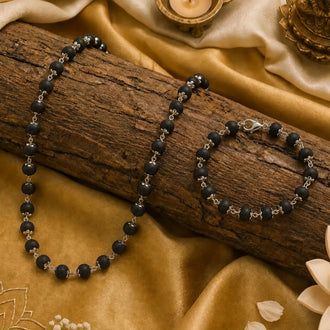
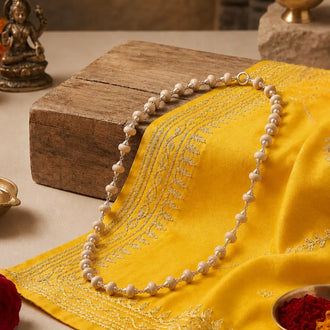
Lighting a lamp is a simple yet powerful way to bring peace, health, and prosperity into your life. By understanding why light diya spiritual scientific significance is vital, your daily aarti becomes a conscious act of surrendering the ego. This ritual purifies the environment and focuses the mind on the divine. Whether you use ghee for its purity or oil for its protective qualities, the act itself is what connects you to the source of all light. You may wear an Original Tulsi Kanthi Mala Double Round, 6 mm, Daily Bhakti, Prayer to stay connected to your devotion throughout the day. Learn more about mandir essentials to enhance your practice.
Written by- Ipshita Jain