Ashadha Maas 2026: Spiritual Significance, Rituals & Sadhana Guide

Have you ever felt a deep, soulful yearning to pause the chaotic rhythm of worldly life and reconnect with the divine presence that resides within? The arrival of Ashadha Maas 2026 offers exactly that-a sacred sanctuary in time designed for spiritual introspection, purification, and heightened devotion. As the summer heat begins to fade and the first monsoon clouds gather, the Hindu calendar transitions into one of its most mystical and spiritually potent months. Ashadha is not merely a month on the calendar; it is a gateway to the profound four-month retreat known as Chaturmas. For the sincere seeker, Ashadha Maas 2026 represents a golden opportunity to reset their spiritual compass and embark on a journey of disciplined sadhana that can lead to transformative inner peace. In this expansive guide, we will delve into the metaphysical depths of this holy period, exploring its ancient scriptural roots, the essential rituals that define it, and the practical tools you need to elevate your consciousness. You will learn about the pivotal dates for 2026, the specific fasting guidelines that purify the body, the potent mantras that resonant with the frequency of the divine, and the vital role of charity (Daan) in building spiritual merit.
The Scriptural and Spiritual Foundation of Ashadha Maas
Ashadha Maas holds a place of high esteem in the Vedic tradition, primarily because it serves as the foundation for the spiritual edifice of Chaturmas. This holy month is deeply linked to the sacred lands of Vrindavan and Ayodhya, where the energy of Lord Krishna and Lord Ram permeates the very air. According to the Padma Purana, Ashadha is the month when the soul begins its journey toward the inner self, mirroring the outward change in the environment. It is during this month that the sun moves into the Dakshinayana phase, marking a period that is highly conducive for spiritual practices rather than material acquisitions. Shastric references suggest that even a small act of devotion performed during Ashadha, such as lighting a lamp or chanting a mantra, is magnified a thousandfold because of the unique cosmic alignment during this period. The spiritual significance of Ashadha lies in its dual nature; it is a time of transition where the heat of summer gives way to the life-giving rains, symbolizing the washing away of accumulated karmic impurities. By aligning our personal practices with this natural cycle, we invite the grace of the Supreme to flow into our lives like the monsoon rains, nourishing our parched spirits and allowing the seeds of Bhakti to sprout. Whether you are in the bustling streets of a modern city or the quiet corners of a temple in Vrindavan, the spiritual potency of Ashadha remains accessible to all who approach it with a pure heart.
Ashadha Maas 2026: When is the Sacred Month?
For those planning their spiritual calendar, identifying the exact Tithis and Muhurats is the first step toward a successful Vrata. Ashadha Maas 2026 is characterized by several high-frequency dates that are ideal for initiating long-term spiritual commitments. The following table provides a precise snapshot of the commencement of this sacred month.
| Spiritual Milestone | Date in 2026 | Tithi (Lunar Phase) | Muhurat Timings | Spiritual Focus |
|---|---|---|---|---|
| Ashadha Shukla Pratipada | June 12, 2026 | Pratipada (Day 1) | 11:30 AM (June 12) to 01:45 PM (June 13) | Setting Sankalpa (Intention) for the Month |
| Devshayani Ekadashi | June 26, 2026 | Ekadashi | Auspicious for Vishnu Puja | Beginning of Lord Vishnu's Yoga Nidra |
| Guru Purnima | July 10, 2026 | Purnima (Full Moon) | Peak Spiritual Energy | Honoring the Guru and Lineage |
The Onset of Chaturmas: A Period of Divine Rest
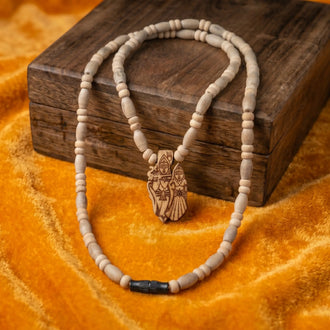
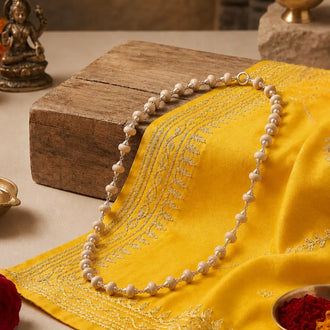
One of the most defining characteristics of Ashadha Maas is the occurrence of Devshayani Ekadashi. This specific Tithi marks the day when Lord Vishnu is said to enter Yoga Nidra (divine sleep) on the cosmic serpent Shesha Naag in the Ksheer Sagar (ocean of milk). This event signals the beginning of Chaturmas, a four-month period where traditional festive ceremonies like weddings are put on hold so that the collective focus of humanity can shift toward the internal world. During this period, the atmosphere becomes heavy with spiritual energy, making it easier for practitioners to enter deep meditative states. It is a tradition in Vrindavan for devotees to limit their travel and stay in one place to perform constant Harinam Sankirtan. This "retreat" is not about stagnation; it is about gathering one's energy, much like a seed gathers strength under the soil before bursting into a plant. By observing the start of Chaturmas in Ashadha, you align your biological and spiritual clock with the rhythm of the cosmos. To stay connected to this divine vibration, many use a Tulsi Japa Mala with 108 Original Big Beads for Meditation. to maintain a steady count of their daily prayers. For more on how these sacred beads impact your energy, read our guide on the Importance and Benefits of Wearing a Tulsi Mala. The spiritual insight here is that when the Lord "rests," the devotee must "work" harder on their internal garden, ensuring that the light of awareness never flickers.

Purification Through Vratas: Fasting Rules for Ashadha Maas
Fasting during Ashadha Maas is a scientific method of detoxifying the body while simultaneously disciplining the mind. In the Vedic lifestyle, the monsoon season brings a change in the digestive fire (Jatharagni), necessitating a lighter diet to maintain health and mental clarity. The Vratas (vows) of Ashadha are designed to help you master your senses. Common practices include the "Ekana" (eating only once a day) or "Phalahar" (consuming only fruits and milk). Many devotees specifically avoid leafy vegetables during the first month of Chaturmas (Ashadha to Shravan) because of the Ayurvedic belief that they carry excess "Vata" energy during the rains. Beyond the physical, these fasts serve as a test of will. Every time you resist a craving, you build "Tapas" or spiritual heat, which burns through layers of ego and attachment. It is also a period for "Maun Vrat" or the vow of silence, where one refrains from unnecessary speech to conserve energy for mantra chanting. To support your disciplined lifestyle, wearing an Original 5 Mukhi Rudraksha Mala 108+1 Beads, 4 mm, Daily Meditation, Blessed in Kashi can help maintain the focus required for such rigorous self-control. Learn more about these sacred seeds in our blog on The Power of Rudraksha: Its Significance and Types. The spiritual insight is that fasting is not about starving the body, but about feasting the soul on the nectar of divine remembrance.
Mantras and Meditative Practices for Ashadha
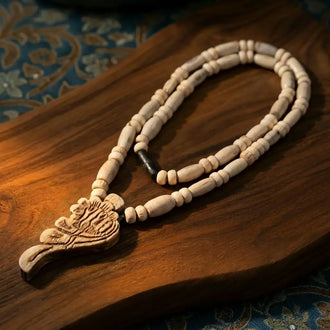
Sound is the most powerful medium for transformation in the Vedic tradition, and during Ashadha Maas 2026, the vibration of specific mantras can act as a bridge to the divine. Since this month is dedicated to Lord Vishnu and Lord Shiva, chanting the 'Om Namo Bhagavate Vasudevaya' or the 'Mahamrityunjaya Mantra' is highly recommended. These mantras are not just words; they are sonic blueprints that realign your chakras and clear the aura of negative influences. For the best results, sadhana should be performed during the "Brahma Muhurta" (the 48-minute period before sunrise), when the sattvic quality of the environment is at its peak. Consistency is the key to unlocking the power of these sounds. By dedicating a specific time and place for your Japa, you create a "Siddha" space where the energy of the mantra becomes localized and accessible. To further enhance the success of your spiritual goals, consider using an Original Vaijanti Mala Natural Beads, 9 mm, Peace & Victory, which is traditionally associated with Lord Krishna's victory over the senses. Check out our post on Mantras for Daily Peace and Prosperity for a deeper dive into these ancient sounds. The spiritual insight here is that your voice is a sacred instrument; when tuned to the frequency of Ashadha, it can harmonize the discord of modern life.
The Esoteric Power of Daan: Charity in the Month of Rains
In the Hindu tradition, Daan (charity) is one of the pillars of Dharma, and during Ashadha, its importance is magnified by the onset of the rainy season. Historically, this was the time when wandering monks (sadhus) would cease their travels to seek shelter from the rains, and the laity would provide them with food and clothing. This act of supporting those on the spiritual path generates immense positive karma. During Ashadha Maas 2026, focus on "Anna Daan" (giving food) and "Vastra Daan" (giving clothes). Providing water (Jal Daan) is also considered highly meritorious, as it mirrors the life-giving nature of the monsoon. The secret to effective Daan is "Nishkama Bhava" - giving without the expectation of anything in return. When you give from a place of abundance, you acknowledge that everything you own actually belongs to the Divine. This practice helps dissolve the "I" and "Mine" complex, which is the primary obstacle to liberation. An Authentic Rudraksha Mala with Brass Damru & Trishul Pendant Blessed in Kashi serves as a beautiful reminder of the balance between the protective energy of Shiva and the generosity of the heart. For more insights into the ethics of giving, read The Importance of Charity in Hinduism. The spiritual insight is that Daan is the ultimate tool for heart-cleansing, turning material wealth into spiritual currency.
Choosing Your Spiritual Companions: A Comparison Table
To help you decide which spiritual aid is best suited for your Ashadha Maas 2026 goals, we have compared the primary tools used during this holy month.
| Spiritual Tool | Elemental Association | Primary Benefit | Recommended For |
|---|---|---|---|
| Tulsi Japa Mala | Earth & Devotion | Increases Bhakti and Mental Peace | Devotees of Lord Vishnu/Krishna |
| 5 Mukhi Rudraksha | Fire & Protection | Balances Blood Pressure and Focus | Serious Meditators & Shiva Bhaktas |
| Vaijanti Mala | Water & Victory | Attracts Positivity and Success | Overcoming Obstacles in Sadhana |
How to Prepare Your Mandir for Ashadha Maas
Preparing your sacred space at home is essential for maintaining the sanctity of your Ashadha Vrata. A clean and energized mandir acts as a spiritual battery that recharges your soul daily. Follow these steps to prepare your home for Ashadha Maas 2026:
Steps for Mandir Preparation:
- Deep Cleansing: Remove all items from your altar and clean the surfaces with a mixture of water and Ganga Jal. Dust all idols and frames with a soft, clean cloth.
- Sattvic Decoration: Use fresh yellow or white flowers, as these colors are auspicious for Lord Vishnu. Draw a Swastika or Om symbol using sandalwood paste on the altar.
- Aromatic Purification: Light high-quality dhoop or incense to clear the stagnant energy of the home. Sandalwood and Jasmine are excellent choices for this month.
- The Akhand Jyot: If possible, maintain an Akhand Jyot (a lamp that burns continuously) for the duration of the month, or at least during your morning and evening sadhana.
- Puja Samagri Check: Ensure you have a fresh supply of ghee, honey, curd, and milk for Abhishek. Keep your Japa Mala in a dedicated "Gomukhi" bag to maintain its purity.
For a complete setup, the Monthly Vrindavan Puja Kit (for sincere Krishna devotees) provides everything you need to bring the essence of Braj into your home. You can also explore How to Set Up a Home Mandir for more professional tips. The spiritual insight is that a well-maintained mandir is a physical manifestation of your internal devotion; as you clean the altar, you are cleaning your mind.

The Emotional Landscape of Ashadha: A Time for Surrender
Beyond the technicalities of Tithis and fasts, Ashadha Maas 2026 is an emotional journey. It is a month that asks us to embrace the quality of "Sharanagati" or total surrender. Just as the parched earth surrenders to the downpour of the monsoon, we are invited to surrender our worries, our egos, and our desires to the divine will. The rainy season often brings a sense of nostalgia and longing (Viraha), which in the path of Bhakti, is transformed into a deep longing for the Divine. This "sweet pain" of separation is what fuels the most profound prayers. It is a time to reflect on where we have been and where we are going on our spiritual path. Are we growing? Are we becoming more compassionate? The atmosphere of Ashadha, with its grey skies and rhythmic rain, provides the perfect backdrop for this soul-searching. It is a period of "Garbha" (womb-like) gestation, where our spiritual aspirations are nurtured in the silence of our hearts, ready to be birthed into action in the months to follow. How might your life change if you viewed every raindrop this Ashadha as a personal blessing from the Supreme?
Bring Ashadha Blessings Home with Dharmik
Dharmik is dedicated to bridging the gap between sacred traditions and your daily life. As you prepare for the spiritual rigors of Ashadha Maas 2026, we offer a curated selection of tools that are abhimantrit in the holy land of Vrindavan or lab-certified for absolute purity. Whether you are looking for a Tulsi Japa Mala with 108 Original Big Beads for Meditation. or a protective Original 5 Mukhi Rudraksha Mala 108+1 Beads, 4 mm, Daily Meditation, Blessed in Kashi, our products are energized to support your specific Sankalpa. We believe that spiritual tools should be as authentic as your devotion, which is why we source directly from traditional artisans and ensure every item is blessed in a sacred Dham. With free shipping and a commitment to quality, Dharmik is your partner in this sacred journey of Ashadha Maas.
When does Ashadha Maas 2026 begin?
Ashadha Maas 2026 begins on June 12, 2026, starting with the Shukla Pratipada Tithi. This day marks the official commencement of the lunar month and is the ideal time to set your spiritual intentions and begin your monthly fasts.
What is the significance of Ashadha Maas?
The significance of Ashadha Maas lies in its role as the precursor to Chaturmas and the month of Guru Purnima. It is a period dedicated to deep purification, internal retreat, and honoring the divine lineages of Vishnu, Shiva, and the Guru.
What are the key fasting rules during Ashadha Maas?
The key fasting rules during Ashadha Maas involve eating sattvic meals once a day and avoiding tamasic foods like onion and garlic. Many devotees also avoid leafy greens and specific pulses to align with Ayurvedic seasonal health recommendations during the monsoon.
Why is Daan (charity) important in Ashadha Maas?
Daan (charity) is important in Ashadha Maas because it helps practitioners practice detachment during a period of spiritual retreat. Giving food, water, or clothes to the needy during the rains generates immense positive karma and purifies the heart for meditation.
Can I wear a Tulsi Mala during Ashadha?
To wear a Tulsi Mala during Ashadha is highly recommended as it keeps you connected to the energy of Lord Vishnu. Ensure the mala is purified with Ganga Jal and chanted upon to maintain its high spiritual vibration throughout the month.
What is Devshayani Ekadashi?
Devshayani Ekadashi is the eleventh day of the bright fortnight in Ashadha, marking the day Lord Vishnu begins his four-month cosmic sleep. It is the most important Ekadashi of the month, requiring strict fasting and intense prayer for all devotees.
How does Ashadha Maas impact our health?
Ashadha Maas impacts our health by marking the transition into the rainy season, which weakens digestion. Following the traditional Vratas and dietary restrictions of this month helps in maintaining physical balance and preventing common monsoon-related illnesses through sattvic living.
Conclusion: Embracing the Divine Flow of Ashadha
As we have explored, Ashadha Maas 2026 is far more than just a transition of seasons; it is a profound invitation to elevate your existence. By aligning with the Tithis, observing the Vratas, and engaging in sincere Daan, you transform the mundane acts of daily life into a continuous stream of devotion. This month offers the rare gift of spiritual stillness in an otherwise loud world. Whether you are chanting with a Tulsi Mala or preparing your mandir for the rains, remember that every effort counts in the eyes of the Divine. Let the sacred period of Ashadha Maas 2026 be the time you finally commit to your highest self. We invite you to explore our full collection of Malas and Puja Essentials to find the perfect companion for your journey. May this Ashadha bring you peace, purpose, and profound spiritual awakening.
By Dharmik