Budh Pradosh 2026: Date, Significance & Shiva Puja Guide

Have you ever felt a profound yearning to connect with the divine, seeking solace and strength from the cosmos? For millions of devotees, the sacred observance of Pradosh Vrat offers a powerful conduit to Lord Shiva's boundless grace. When this auspicious fast falls on a Wednesday, it becomes Budh Pradosh 2026, amplifying its spiritual potency manifold. This unique alignment of planetary energies and Shiva's blessings promises enhanced spiritual benefits, fulfillment of desires, and alleviation of suffering. This powerful alignment, known as Pradosh Vrat Benefits, holds immense promise for those seeking inner harmony and divine intervention. In this comprehensive guide, you will learn about the dates, profound significance, detailed Shiva Puja Vidhi, powerful mantras, and charitable practices associated with Budh Pradosh, helping you embark on a truly transformative spiritual journey. We will delve into how to perform these rituals with utmost devotion and explore the spiritual insights that make this day so special for seekers of Lord Shiva's blessings.
The Sacred Essence of Budh Pradosh: A Divine Connection to Kashi
Pradosh Vrat, a fortnightly observance dedicated to Lord Shiva, holds immense spiritual significance, particularly when the celestial energies align during the twilight period (Pradosh Kaal). When this period coincides with a Wednesday (Budhwar), it is known as Budh Pradosh, combining the blessings of Lord Shiva with the positive influences of Budh Dev (Mercury). This specific alignment is believed to bestow wisdom, intelligence, prosperity, and spiritual liberation upon the devotee. The spiritual traditions surrounding Pradosh Vrat are deeply rooted in ancient Hindu scriptures, particularly the Shiva Purana Teachings. It is mentioned that observing Pradosh Vrat with utmost devotion can mitigate negative karmas, fulfill righteous desires, and lead one towards Moksha. The reverence for Lord Shiva during Pradosh is heightened in sacred Dhaams like Kashi (Varanasi), the spiritual capital of India, where His divine presence is eternal. Devotees often feel a unique resonance with Shiva’s energy, especially during this sacred time. The observance of pradosh vrat budhwar significance is not merely a ritual but a spiritual practice designed to cleanse the mind, body, and soul, inviting divine grace into one's life. It is a time for introspection, prayer, and connecting with the cosmic energy of Lord Shiva, who is the ultimate giver of boons and destroyer of sorrow.
Spiritual Insight:
The spiritual merit gained from observing Budh Pradosh Vrat is believed to be multiplied manifold, offering devotees a rare opportunity to seek Lord Shiva’s blessings for both material and spiritual well-being. This powerful combination of Shiva's grace and Mercury's auspicious energy makes Budh Pradosh a truly special day for devotees to strengthen their spiritual resolve and purify their inner selves.
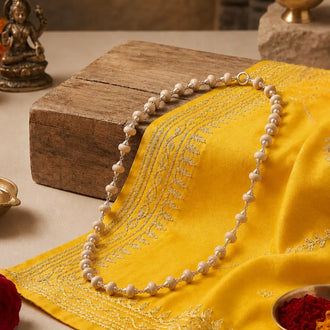
For enhancing your Shiva Puja experience, consider offering a Authentic Rudraksha Mala with Brass Damru & Trishul Pendant Blessed in Kashi.
When is Budh Pradosh 2026? Key Dates & Timings
Understanding the precise timings for Budh Pradosh is crucial for devotees to observe the Vrat correctly and maximize its spiritual benefits. Pradosh Vrat is observed on the Trayodashi Tithi (13th day) of both Krishna Paksha (waning moon phase) and Shukla Paksha (waxing moon phase) in the Hindu lunar calendar. The "Pradosh Kaal" is the most auspicious period for Shiva Puja, which typically begins 45 minutes before sunset and lasts for 45 minutes after sunset. This specific window is when Lord Shiva is believed to be in His most joyous and benevolent mood, readily granting boons to His devotees. The alignment of these Trayodashi Tithis with a Wednesday marks the special occasion of Budh Pradosh. Below is a comprehensive table outlining the anticipated dates and auspicious timings for Budh Pradosh in 2026, allowing you to plan your devotion effectively and delve into the Understanding Hindu Tithis for optimal observance.
| Date | Tithi (Paksha) | Pradosh Puja Muhurat (Approx.) | Specific Significance |
|---|---|---|---|
| February 11, 2026 | Magha Krishna Trayodashi | 6:00 PM - 8:30 PM | Early year blessings for new beginnings |
| March 25, 2026 | Chaitra Krishna Trayodashi | 6:15 PM - 8:45 PM | Aligns with spring, spiritual cleansing |
| July 29, 2026 | Shravana Krishna Trayodashi | 7:00 PM - 9:30 PM | Highly auspicious during Shravan Maas |
| October 21, 2026 | Kartik Krishna Trayodashi | 6:00 PM - 8:30 PM | Blessings for prosperity and protection |
| December 16, 2026 | Pausha Krishna Trayodashi | 5:45 PM - 8:15 PM | Year-end spiritual renewal |
Spiritual Insight:
Observing the Pradosh Vrat during these specific timings ensures that your prayers and offerings reach Lord Shiva directly, enhancing the efficacy of your spiritual practice and drawing immense divine grace. The timing is paramount to harness the true energy of this auspicious day.
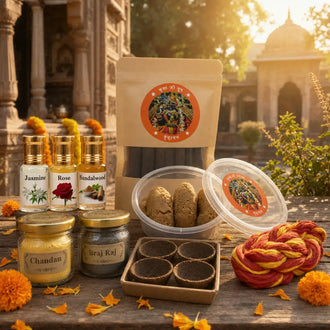
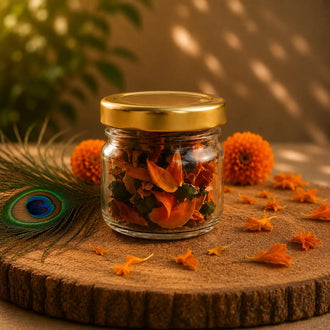
To prepare your sacred space for puja, explore our Monthly Vrindavan Puja Kit (for sincere Krishna devotees) - Restocking on 1st June which contains various authentic samagri for your daily worship.
Deepening Your Devotion: Shiva Puja Vidhi on Budh Pradosh
Performing Shiva Puja on Budh Pradosh involves a meticulous yet heartfelt set of rituals designed to invoke the blessings of Lord Shiva. The shiva puja vidhi pradosh focuses on purifying oneself and offering devotion with sincere intention. This sacred practice is typically performed during the Pradosh Kaal, as detailed in the previous section. Preparation is key: ensure your puja area is clean, and you have all the necessary samagri. The puja begins with a vow (sankalp) to observe the fast and perform the puja for a specific purpose or for general well-being. Devotees often observe a fast throughout the day, breaking it only after the evening puja. The core of the puja involves various offerings and the chanting of powerful mantras, creating a spiritual ambiance that invites divine presence. For a more comprehensive guide on setting up your sacred space, refer to our blog on Essential Puja Items.
Essential Samagri for Pradosh Puja
Before you begin, gather these essential items to ensure a complete and authentic puja:
- Idol/Lingam: A Shiva Lingam or idol of Lord Shiva and Goddess Parvati.
- Water: Ganga Jal (holy water), plain water for Abhishek.
- Milk: Unboiled cow's milk.
- Yogurt, Ghee, Honey: For Panchamrit Abhishek.
- Sandalwood Paste: Chandan for applying to the Lingam.
- Flowers: White flowers, Bael Patra (Bilva leaves), Dhatura flowers, Aak flowers.
- Incense & Lamp: Dhoop (incense sticks), Diya (oil lamp) with ghee.
- Sweets/Fruits: Naivedyam (offerings) like modak, fruits, or any sweet.
- Other: Betel leaves, betel nuts, cloves, cardamom, camphor for Aarti.
Ensure you have all the sacred items for your puja, including pure Chandan - Blessed from Vrindavan for an authentic experience.
Step-by-Step Shiva Abhishek Vidhi
The Abhishek (ritual bathing) of the Shiva Lingam is the central act of devotion during Pradosh Puja. Follow these steps for a spiritually enriching experience, understanding the The Power of Abhishek in its full glory:
- Purification: Begin by sprinkling Ganga Jal over yourself and the puja area, chanting "Om Apavitrah Pavitro Va Sarvasthanam Gatoapi Va. Yah Smaret Pundarikaksham Sa Bahyabhyantarah Shuchih."
- Sankalp (Vow): Take a small amount of water in your right hand, state your intention for the Vrat, and then offer the water.
- Invocation: Invoke Lord Shiva, Goddess Parvati, Lord Ganesha, and other deities by chanting their respective mantras.
- Ganga Jal Abhishek: Gently pour Ganga Jal over the Shiva Lingam while continuously chanting "Om Namah Shivaya."
- Panchamrit Abhishek: Perform Abhishek with Panchamrit – a mixture of milk, yogurt, ghee, honey, and sugar. Pour each ingredient one by one, cleansing the Lingam with water after each offering.
- Water Abhishek: After Panchamrit, perform a final Abhishek with pure water to cleanse the Lingam.
- Alankaran (Adornment): Apply sandalwood paste (Chandan) to the Lingam, adorn it with Bael Patra, Dhatura, and other flowers.
- Dhoop & Deep: Light the incense sticks and oil lamp, offering their fragrance and light to Lord Shiva.
- Naivedyam: Offer fruits, sweets, and other food items as Naivedyam.
- Mantra Chanting: Sit in meditation and chant powerful Shiva mantras (see next section) for an extended period.
- Aarti: Conclude the puja by performing Aarti with camphor, singing praises of Lord Shiva.
- Pranam & Kshama Prarthana: Offer prostrations and seek forgiveness for any unintentional errors during the puja.
Spiritual Insight:
Each step in the Shiva Abhishek Vidhi is imbued with symbolic meaning, representing the purification of the self, the offering of one's essence to the divine, and the seeking of divine grace for spiritual evolution. Performing it with full concentration transforms the ritual into a profound meditative experience.
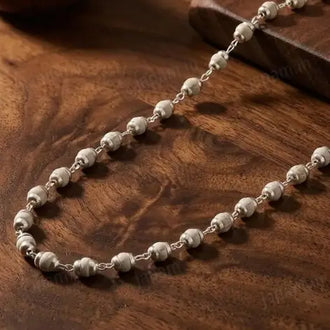
For an authentic chanting experience, use an 5 Mukhi Original Rudraksha Mala 108 Beads + 1 Guru Bead, Blessed in Kashi.

Mantras for Budh Pradosh & Their Benefits
Chanting specific mantras during Budh Pradosh amplifies the spiritual vibrations and helps devotees connect deeply with Lord Shiva and Budh Dev. The pradosh mantra benefits are numerous, ranging from mental peace and removal of obstacles to spiritual growth and fulfillment of desires. Understanding the Benefits of Mantra Chanting can further enhance your spiritual practice.
- Om Namah Shivaya: The Panchakshari Mantra, the most fundamental and potent Shiva mantra. Chanting this purifies the mind, body, and soul, bestowing peace and spiritual awakening.
- Maha Mrityunjaya Mantra: "Om Tryambakam Yajamahe Sugandhim Pushtivardhanam, Urvarukamiva Bandhanan Mrityor Mukshiya Maamritat." This powerful mantra is chanted for longevity, health, and protection from untimely death and illnesses.
- Budh Beej Mantra: "Om Bram Brim Braum Sah Budhaya Namah." Chanting this mantra helps to strengthen the planet Mercury, improving intellect, communication skills, and decision-making abilities, aligning with the "Budh" aspect of Budh Pradosh.
Spiritual Insight:
The power of sound (Mantra Shakti) is immense. When chanted during the sacred Pradosh Kaal, these mantras create a protective shield, purify the environment, and draw forth the specific blessings associated with Lord Shiva and Budh Dev, paving the way for spiritual progress and worldly success.
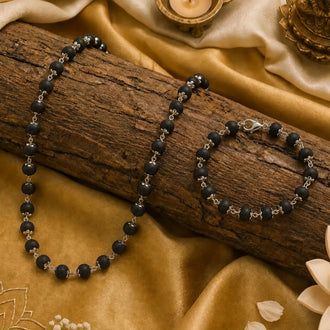
To deepen your meditation and chanting, consider the Premium and Authentic Rudraksha Mala & Panch Mukhi Rudraksha Bracelet Combo - Blessed in Kashi.
The Spiritual Power of Daan (Charity) on Budh Pradosh
Daan, or charitable giving, is an integral part of Hindu spiritual practices, and its significance is profoundly elevated on auspicious days like Budh Pradosh. The act of giving, when performed with a pure heart and without expectation of return, helps cleanse one's karma, accumulates spiritual merit (punya), and attracts divine blessings. On Budh Pradosh, specifically, performing Daan is believed to appease both Lord Shiva and Budh Dev, ensuring their combined benevolence. It is a powerful way to express gratitude for the blessings received and to share one's good fortune with those in need. The scriptures emphasize that true charity lies not just in the material value of the offering, but in the sincerity and compassion behind the act. By engaging in Daan on this sacred day, devotees not only uplift others but also purify their own consciousness, fostering a deeper connection with the divine principle of selfless service. This practice aligns with the universal spiritual truth that by giving, one also receives manifold blessings. Explore the Importance of Charity in Hinduism for a deeper understanding.
Recommended Items for Offering
When performing Daan on Budh Pradosh, certain items are considered particularly auspicious for offering, believed to amplify the positive effects of charity. These items are often associated with the deities or the planetary influence of the day.
- Green Gram (Moong Dal): Associated with Budh Dev, offering green gram is believed to enhance intellect, improve communication, and bring prosperity.
- Green Clothes: Donating green garments to the needy is also considered highly beneficial for strengthening Mercury's positive influence.
- Sesame Seeds (Til): Offering black sesame seeds to the poor or to temples is a traditional practice to alleviate negative karmas and seek blessings from Lord Shiva.
- Rudraksha Malas: Donating Rudraksha malas to sadhus or sincere devotees is a highly meritorious act, as Rudraksha is sacred to Lord Shiva.
- Food & Water: Providing wholesome meals and clean drinking water to the less fortunate is a timeless act of compassion that always brings immense spiritual reward.
Spiritual Insight:
The act of Daan on Budh Pradosh is not merely about giving away possessions; it is about cultivating detachment, compassion, and a sense of interconnectedness with all beings. It reflects the understanding that all wealth and resources are ultimately divine gifts to be shared for the welfare of the world.
Consider offering a Original 5 Mukhi Rudraksha Mala 33 Beads, 8 mm, Blessed in Kashi as a divine gift of charity.
Unraveling the Budh Pradosh Katha (Vrat Story)
Every significant Vrat in Hindu tradition is accompanied by a Katha or a sacred narrative that elucidates its origins, spiritual potency, and the virtues it embodies. The Budh Pradosh Katha, like other Pradosh stories, serves not just as a mythological tale but as a source of inspiration and moral guidance for devotees. These stories often illustrate the immense power of devotion to Lord Shiva and the specific benefits accrued from observing the Pradosh Vrat. Listening to or narrating the Katha during the puja is an integral part of the ritual, helping devotees to internalize the spiritual teachings and strengthen their faith. The stories often highlight Shiva's compassionate nature and his willingness to bless those who sincerely seek his refuge, regardless of their past actions or circumstances. To discover more such narratives, explore our collection of Vrat Kathas for Spiritual Growth.
The Legend of Somdev and Lord Shiva
One of the prominent Kathas associated with Pradosh Vrat tells the story of Somdev, the Moon God. It is said that Somdev was afflicted by a curse from King Daksha, which caused him to wane and lose his luster. Distraught, Somdev sought refuge with Lord Shiva and Goddess Parvati. On the Trayodashi Tithi, when the moon's phase was at its weakest, Lord Shiva intervened and granted Somdev a boon, partially relieving him of the curse and restoring his radiance. This event, occurring during the Pradosh Kaal, marked the origin of Pradosh Vrat. It signifies Lord Shiva's immense mercy and his ability to alleviate suffering and bestow new life upon those who surrender to Him. Since that day, devotees observe Pradosh Vrat to seek relief from their afflictions and to gain the blessings of health, prosperity, and peace from Lord Shiva. The story specifically emphasizes the power of devotion and the compassionate nature of the Supreme Being.
Lessons from the Sacred Narrative
The Budh Pradosh Katha, through the tale of Somdev, imparts several profound spiritual lessons. Firstly, it underscores the boundless compassion of Lord Shiva, who is always ready to forgive and uplift His devotees from their miseries. It teaches us that even in our darkest moments, seeking divine refuge with sincerity can lead to redemption and renewal. Secondly, it highlights the importance of faith and perseverance in spiritual practice; Somdev’s unwavering devotion ultimately led to his salvation. Thirdly, the story subtly hints at the cyclical nature of life – of waning and waxing, of challenges and triumphs – and how spiritual practices provide the strength to navigate these cycles with grace. The narrative reassures devotees that no suffering is permanent and that with divine grace, one can overcome any obstacle, making Budh Pradosh a beacon of hope and spiritual renewal. For more insights into ancient wisdom, read about Lessons from Puranic Tales.
Spiritual Insight:
The Budh Pradosh Katha is a timeless reminder that true devotion can transcend all obstacles, and Lord Shiva's blessings are eternally available to those who seek Him with a pure heart. It encourages us to cultivate unwavering faith and surrender.
Experience the divine essence of Kashi with an Original 5 Mukhi Rudraksha Mala 108+1 Beads, 4 mm, Daily Meditation, Blessed in Kashi.
Choosing Your Sacred Bead: Rudraksha for Shiva Devotion
For devotees of Lord Shiva, Rudraksha beads are considered extraordinarily sacred, believed to be the tears of Lord Shiva himself. Wearing a Rudraksha mala or keeping it during puja enhances one's connection to Shiva and amplifies the benefits of spiritual practices like Budh Pradosh Vrat. However, with various Mukhi (faces) of Rudraksha available, choosing the right one can be a personal and significant decision. Each Mukhi possesses unique properties and aligns with different aspects of divine energy. This comparison table helps you decide which Rudraksha might be most suitable for your devotion, especially for Shiva Puja on Budh Pradosh. For more detailed guidance, consult our Guide to Choosing Your Rudraksha.
| Rudraksha Mukhi | Associated Deity/Planet | Key Benefits for Devotion | Recommended For |
|---|---|---|---|
| 5 Mukhi Rudraksha | Lord Shiva / Jupiter | General well-being, peace, spiritual growth, memory. | Daily wear, meditation, enhancing overall devotion. Original 5 Mukhi Rudraksha Mala 108+1 Beads, 4 mm, Daily Meditation, Blessed in Kashi |
| 6 Mukhi Rudraksha | Lord Kartikeya / Venus | Wisdom, courage, willpower, learning, artistic abilities. | Students, professionals, those seeking mental clarity and strength. Original 6 Mukhi Rudraksha Certified Natural Bead of Lord Kartikeya for Courage & Wisdom |
| 7 Mukhi Rudraksha | Goddess Lakshmi / Saturn | Wealth, prosperity, overcoming financial difficulties, good health. | Business persons, those seeking material and spiritual abundance. Original 7 Mukhi Rudraksha Certified Natural Bead of Goddess Lakshmi for Wealth & Prosperity |
| 9 Mukhi Rudraksha | Goddess Durga / Rahu | Protection from evil, fearlessness, inner strength, spiritual power. | Those seeking protection, courage, and spiritual liberation. 9 Mukhi Rudraksha for Strength, Courage & Protection Certified Original and Blessed in Kashi |
Spiritual Insight:
Choosing a Rudraksha is a personal journey, often guided by intuition and spiritual needs. Each bead serves as a powerful spiritual tool, a constant reminder of divine presence, and an aid in deepening your meditation and connection with Lord Shiva.
Practical Preparation: How to Enhance Your Mandir for Budh Pradosh
Creating a sacred and spiritually charged environment in your home mandir (altar) is essential for an effective Budh Pradosh Vrat and puja. Beyond the ritualistic steps, thoughtful preparation of your sacred space can significantly enhance your focus, devotion, and overall experience. It's not just about gathering samagri but also about infusing the space with pure, positive energy. This preparation helps to set the right intention and creates an atmosphere conducive to deep meditation and heartfelt prayer, making your Shiva Puja truly transformative. For a detailed guide on creating a holy space, refer to our article on Creating a Sacred Home Mandir.
-
Cleanliness and Purity:
- Thoroughly clean your mandir area and the entire home the day before. Dust, sweep, and mop to ensure physical cleanliness.
- Use Ganga Jal or purified water to sprinkle around the puja area for spiritual purification.
- Ensure all puja utensils are sparkling clean and dedicated solely for worship.
-
Decorating the Altar:
- Adorn the Shiva Lingam or idol with fresh flowers, especially white ones, Bael Patra, and Dhatura flowers, which are Lord Shiva’s favorites.
- Place a clean, auspicious cloth (like red or white) on your altar.
- Arrange the puja items neatly – Diya, Dhoop, Chandan, offerings, etc., within easy reach.
-
Creating a Calm Ambiance:
- Light a ghee lamp (Diya) before starting the puja to signify the dispelling of darkness and inviting divine light.
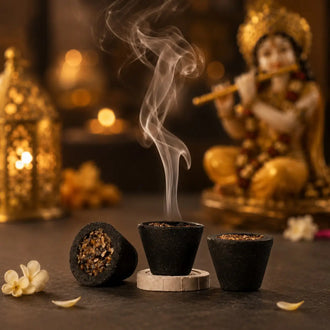
- Light high-quality incense sticks (Dhoop) or dhoop cones to fill the air with purifying and calming fragrances.
- Ensure the room is quiet and free from distractions. Consider playing soft, devotional Shiva chants or instrumental music in the background to set a meditative mood.
-
Personal Preparation:
- Take a purifying bath before the puja and wear clean, traditional clothes.
- Maintain a sattvic (pure) diet on the day of the Vrat, avoiding garlic, onion, and non-vegetarian food.
- Keep your mind focused on Lord Shiva throughout the day, engaging in silent prayer or mantra chanting.
Spiritual Insight:
Preparing your mandir for Budh Pradosh is an act of love and reverence. It reflects your inner state and demonstrates your sincerity towards Lord Shiva, inviting His divine presence to grace your home and heart. A well-prepared space facilitates a deeper, more meaningful connection.
Enhance your puja with our pure Incense Cups - Purity, Blessings & Peace, creating a truly sacred atmosphere.

Embracing the Spiritual & Emotional Layer of Budh Pradosh
Beyond the rituals and strict observances, Budh Pradosh offers a profound opportunity to connect with Lord Shiva on a deeply personal and emotional level. It's a day to transcend the mundane, to quiet the mind's incessant chatter, and to immerse oneself in the divine love that Shiva embodies. This spiritual layer is about surrender, devotion (bhakti), and cultivating an inner peace that radiates outward. The fast and puja are external expressions, but the true essence lies in the internal transformation – the purification of intentions, the release of attachments, and the unwavering faith in Shiva's protective and benevolent power. This spiritual connection, often fostered in the tranquil environment of places like Vrindavan, where every breath is steeped in devotion, teaches us patience, humility, and the immense power of prayer. It's a day to remember that the divine is not just in the idols or mantras but within our very being, waiting to be awakened. Have you truly allowed yourself to feel the unconditional love and peace that Lord Shiva offers during this sacred time? Learn more about Cultivating Inner Peace Through Devotion.
For a continuous connection to divine energy, wear an Gold Plated Om Pendant With Chain.
Bring Shiva's Grace Home with Dharmik
As you embark on your spiritual journey of observing Budh Pradosh 2026, ensure your devotion is complemented by authentic and pure puja essentials. Dharmik is committed to providing you with handpicked, genuine spiritual products that enhance your worship and bring you closer to the divine. Our Rudraksha malas are sourced with integrity, many of them blessed in Kashi, ensuring their spiritual potency.
Embrace the powerful energy of Lord Shiva and Budh Dev with our exquisite Authentic Rudraksha Mala with Brass Damru & Trishul Pendant Blessed in Kashi, a perfect companion for your Pradosh Vrat. For daily protection and meditation, consider our Original 5 Mukhi Rudraksha Mala 108+1 Beads, 4 mm, Daily Meditation, Blessed in Kashi, known for its calming and spiritual benefits. Each product from Dharmik comes with a promise of purity and authenticity, helping you connect deeply with your faith.
Frequently Asked Questions About Budh Pradosh
Q: What is Budh Pradosh and its significance?
A: Budh Pradosh is a special Pradosh Vrat observed on a Wednesday during Trayodashi Tithi. It combines Lord Shiva's blessings with Mercury's influence, bestowing wisdom, prosperity, and spiritual liberation. This observance enhances intellect and brings divine grace to devotees.
Q: How is Shiva Puja performed on Budh Pradosh?
A: Shiva Puja on Budh Pradosh occurs during Pradosh Kaal, around sunset. It involves a purifying bath, Sankalp, and Abhishek of the Shiva Lingam with Panchamrit. Offerings like flowers, Bael Patra, and mantra chanting are central, concluding reverently with Aarti.
Q: What are the benefits of observing Budh Pradosh Vrat?
A: Observing Budh Pradosh Vrat offers numerous benefits. Devotees gain wisdom, improve communication, and achieve prosperity. It helps overcome obstacles, mitigates negative karmas, and brings profound spiritual peace. This sacred fast is believed to fulfill righteous desires effectively.
Q: Which mantra is best for Budh Pradosh?
A: For Budh Pradosh, 'Om Namah Shivaya' is essential. The Maha Mrityunjaya Mantra offers protection and longevity. Additionally, the Budh Beej Mantra, 'Om Bram Brim Braum Sah Budhaya Namah,' is highly recommended for enhancing intellectual growth and communication skills.
Q: Can women observe Budh Pradosh Vrat?
A: Yes, women can certainly observe Budh Pradosh Vrat. Many women undertake this sacred fast seeking blessings for family well-being, good health, and spiritual advancement. The profound benefits of Budh Pradosh are equally accessible to all sincere devotees, irrespective of gender.
Budh Pradosh 2026 presents a unique and powerful opportunity to deepen your devotion to Lord Shiva and align with auspicious cosmic energies. From understanding its profound significance and performing the detailed Shiva Puja Vidhi, to chanting sacred mantras and engaging in selfless charity, each aspect of this Vrat contributes to spiritual growth and the fulfillment of righteous desires. Remember, the essence of Budh Pradosh lies not just in the rituals but in the sincere intention and pure heart with which you approach the divine. May your observance bring you abundant blessings, peace, and spiritual harmony. Enhance your spiritual journey with authentic puja products available at Dharmik.
Explore our complete collection of authentic Rudraksha malas and puja essentials to elevate your devotion: https://dharmikapp.in/collections/rudraksha-mala.
By Dharmik