Dev Uthani Ekadashi 2026: Date, Muhurat and Tulsi Vivah Vidhi

Dev Uthani Ekadashi 2026: Date, Muhurat and Tulsi Vivah Vidhi
By Dharmik Life, Devotional Content Lead. Last updated: 26 October 2026
Devotees in Vrindavan begin gathering sugarcane stalks and fresh marigolds on the morning of Kartik Shukla Ekadashi (the eleventh day of the waxing moon). When you prepare for dev uthani ekadashi 2026, you mark the end of the four-month wait for Lord Vishnu to wake from his cosmic sleep. Observed as Devutthana Ekadashi in many regions, this day also signals the start of the auspicious Hindu wedding season across India. You will learn the exact timings for the fast, the complete devutthan ekadashi puja vidhi, and the steps for the ceremonial marriage of the Tulsi plant at home.
Quick Takeaways
- The main fast for Devutthan Ekadashi 2026 falls on Friday, November 20, 2026 (Smarta observance, New Delhi).
- The Ekadashi tithi begins at 07:15 AM on November 20 and ends at 06:31 AM on November 21.
- Lord Vishnu is believed to wake from his four-month Yog Nidra (yogic sleep) on this specific day.
- Parana, the breaking of the fast, is done on Dwadashi, November 21, after sunrise. The parana window opens only after the Hari Vasara end moment, and New Delhi listings show roughly 01:11 PM to 03:18 PM.
| Event Type | Date and Time |
|---|---|
| Ekadashi Tithi Begins | November 20, 2026, at 07:15 AM |
| Ekadashi Tithi Ends | November 21, 2026, at 06:31 AM |
| Fasting Date | Friday, November 20, 2026 (Smarta); Saturday, November 21, 2026 for many Vaishnava families |
| Parana Window (Fast Breaking) | November 21, 2026, roughly 01:11 PM to 03:18 PM (New Delhi) |
| Hari Vasara End | Parana is done after this moment; confirm it for your city |
Why This Matters
This festival marks the conclusion of Chaturmas, the four-month period during which Lord Vishnu rests on the Shesha Naag in the Ksheer Sagar (ocean of milk). According to the Padma Purana, Uttara Khanda, observing this fast washes away the sins of a thousand previous births. When the Lord wakes, the cosmic balance shifts from internal reflection to external action and celebration. This is why no weddings or housewarmings happen during the preceding four months of Shravana, Bhadrapada, Ashvin, and Kartika Krishna Paksha. Following the puja vidhi with devotion, with sugarcane, marigolds and seasonal fruit offered to the awakened Lord, is how families welcome this shift
In places like Kashi and Mathura, the day is also celebrated as Prabodhini Ekadashi. It represents the victory of spiritual awakening over ignorance. Many families choose this day to start their Tulsi Vivah rituals, which symbolize the marriage of the holy Tulsi plant to Lord Shaligram. Performing these rituals helps remove obstacles in marriage and brings peace to the household. The energy in the air during Kartika month is especially potent for those who wear a fresh Tulsi mala while chanting their daily rounds of japa.
What You'll Need
Gathering the correct samagri (ritual items) ensures your puja follows the traditional pattern established by our elders.
The essentials
- Sugarcane stalks: to create the mandap (canopy) for the deity.
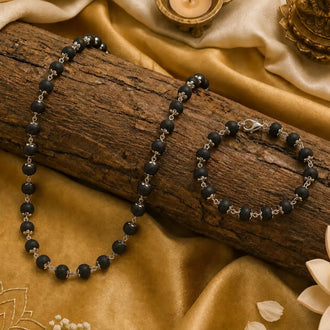
- Tulsi Kanthi Mala: for personal protection and focused chanting during the fast. daily bhakti prayer mala
- Seasonal fruits: specifically Ber (jujube), Amla (gooseberry), and Singhada (water chestnut).
- Shaligram or Vishnu Idol: the central figure for the awakening ceremony.
- Ghee Lamp: for the evening aarti that wakes the Lord.
If you are doing the full vidhi
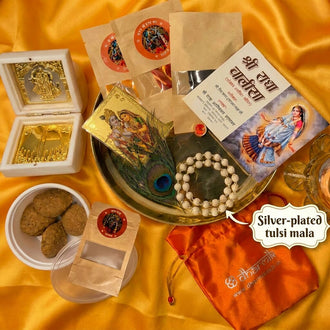
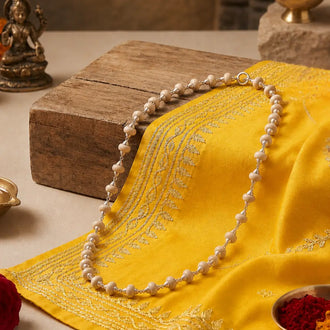
- Silver Tulsi Mala: to offer to the deity or wear as a mark of devotion. silver plated tulsi mala
- Red Chunri: to drape over the Tulsi plant for the Vivah ceremony.
- Mala Combo: a set of beads for multiple family members to join the kirtan. peace and protection set
- Radha-Krishna Vastras: fresh yellow clothes for the idols.
- Yellow Flowers: particularly marigolds and jasmine.
View our full selection of spiritual items at the Tulsi Mala collection.
Step-by-Step dev uthani ekadashi 2026 Vidhi

Preparing the Sacred Space
Wake up during the Brahma Muhurat, which is approximately 04:30 AM on November 19. After bathing, clean your puja room and place a wooden chowki (pedestal) in the centre. Create a beautiful mandap using at least four large sugarcane stalks, tying them at the top to form a pyramid. This structure represents the lush fields and the sweetness of the harvest that Lord Vishnu blesses upon his awakening. Place the idol of Lord Vishnu or a Shaligram stone inside this sugarcane canopy.
The Awakening Ceremony
In the evening, draw a small mandala using rice flour near the deity. Place the seasonal fruits like Singhada and Amla around the Lord. Light a deepak (lamp) and ring a small bell or blow the Shankha (conch) to symbolically wake the Lord. Use the traditional mantra: Uttishtha Uttishtha Govinda, Uttishtha Garudadhwaja. This translates to a request for Govinda to wake up and bless the three worlds. Many devotees keep a daily bhakti prayer mala in their hand while reciting this prayer 108 times.

Rituals for Tulsi Vivah Ceremony
While some perform Tulsi Vivah on Dwadashi, many start the process on Ekadashi evening. Bathe your Tulsi plant and decorate the pot with vermilion and turmeric. Dress the plant in a red chunri and offer a small piece of jewellery or a sacred thread. Place the Shaligram stone next to the plant, symbolizing the union of the soul with the supreme. Perform the circumambulation (parikrama) four times around the plant while chanting the names of Vishnu. This act is believed to bring the same merit as performing a Kanyadaan.
Seasonal Bhog Offerings
Prepare a satvik meal that does not contain grains or beans for the Lord. Typical offerings include boiled sweet potatoes, makhana kheer (fox nut pudding), and fresh seasonal fruits. Avoid using salt or use Sendha Namak (rock salt) if necessary. The focus of the bhog is gratitude for the autumn harvest. After the evening aarti, share this prasad with your family members while maintaining a meditative mood through the night. Many devotees stay awake (Jagran) listening to the stories of the Tulsi Vivah until the sun rises.
Checklist for Daan and Benefits
- Food Grains: Donate wheat, rice, and lentils to the needy on the morning of Dwadashi (November 20) after breaking your fast.
- Warm Clothing: Kartika month marks the start of winter in many regions: donating blankets or woollen shawls is highly meritorious.
- Amla and Fruit Daan: Giving seasonal fruits to Brahmins helps in seeking the blessings of Goddess Lakshmi.
- Spiritual Protection: Wearing a silver plated tulsi mala during this time is said to stabilize the mind and improve focus.
- Financial Stability: Traditional belief suggests that those who perform Tulsi Vivah with full devotion rarely face monetary hardship in the coming year.
- Seven Births: Sincere observance of this Ekadashi is said to cleanse the accumulated karmas of the previous seven births of the devotee.
Can I perform Tulsi Vivah if the Tulsi plant is not fully grown?
Yes, you can certainly perform the Tulsi Vivah ceremony even if your Tulsi plant is small or currently a sapling. The ritual is an expression of your bhava (inner feeling) and devotion rather than the physical size of the plant. If your plant is too small to support a heavy chunri, you can place a small red cloth or a piece of sacred molli thread over a nearby support stick. If your plant has dried up, please do not use it for the ceremony: instead, bring a new plant home or use a picture of Goddess Tulsi. If you are unwell or unable to perform the physical steps, you may mentally offer the prayers while a priest or a family member carries out the vidhi. Always consult your family priest if you have specific doubts about your local traditions or specific household constraints. The most important element is the purity of your intention and your commitment to the fast.
Common Mistakes
- Wrong Parana Timing: Breaking the fast after the Dwadashi tithi ends or during Hari Vasara (the first quarter of Dwadashi) is considered a major error.
- Incomplete Mandap: Using fewer than four sugarcane stalks for the canopy is often discouraged by elders as it disrupts the traditional four-pillar symbolism.
- Grain Consumption: Accidentally consuming items like corn or soy, which are often hidden in processed foods, can break the Ekadashi fast.
- Plucking Tulsi Leaves: Never pluck Tulsi leaves on the day of Ekadashi: gather them a day earlier on Dashami if you need them for the puja.
- Plastic Substitutes: Avoid using plastic Tulsi plants or synthetic decorations: the ritual requires living energy and natural materials to be effective.
FAQ
When is the best time to wake Lord Vishnu on Dev Uthani Ekadashi 2026?
The best time to wake Lord Vishnu is during the evening of November 19, 2026, when the sunset occurs. You should light a ghee lamp, blow the conch shell, and chant the awakening mantras to conclude the four-month sleep period.
Can I eat fruits during the dev uthani ekadashi 2026 fast?
You can eat seasonal fruits like bananas, apples, and the mandatory Amla during the dev uthani ekadashi 2026 fast. Ensure you avoid all grains, beans, and common table salt, opting instead for rock salt and milk-based preparations for your energy.
What should I do if I miss the Parana time on November 20?
What you should do if you miss the Parana time is to consult a priest and perform a small atonement puja. You should aim to break the fast as soon as possible before the Dwadashi tithi ends at 10:14 PM.
Is Tulsi Vivah mandatory for everyone observing this Ekadashi?
Tulsi Vivah is not strictly mandatory for every devotee, but it is highly recommended for those seeking a peaceful domestic life. Many families perform a simple version of the marriage ceremony to mark the auspicious start of the wedding season.
Why is sugarcane used in the dev uthani ekadashi 2026 puja?
Sugarcane is used in the dev uthani ekadashi 2026 puja because it represents the first harvest of the season. The stalks form a protective canopy over Lord Vishnu, symbolizing the sweetness and abundance the Lord brings upon his awakening.
Final Thoughts on dev uthani ekadashi 2026
As you conclude your preparations for dev uthani ekadashi 2026, remember that this day is a bridge between the introspective monsoon months and the active winter season. By following the muhurat and performing the Tulsi Vivah with sincerity, you align your home with the cosmic awakening of the Supreme Lord. Ensure you have your puja samagri ready by the morning of November 19 to avoid any last-minute hurry. For more details on the marriage ceremony, read our guide on Tulsi Vivah rituals. May the blessings of Lord Vishnu and Goddess Tulsi bring prosperity and clarity to your spiritual path this year.