Diwali Diya Guide 2026: Types, Placement, Oil and How Many to Light

Diwali Diya Guide 2026: Types, Placement, Oil and How Many to Light
By Dharmik Content Team, Devotional Content Lead. Last updated: 24 October 2026
Devotees often ask how many lamps are required to invite Maa Lakshmi into their homes on 8 November 2026. The diwali diya serves as a beacon for the Devi during the dark night of Kartika Amavasya. Many families light a specific number of lamps but miss the traditional placement rules that govern each corner of the house. This guide explains exactly how to arrange your lamps and choose between oil and ghee for the best results. You will be able to set up your home according to Shastra and tradition after reading this.
Quick Takeaways
- Light at least 26 lamps on the main night of Diwali to cover every vital entry point.
- Place your heaviest lamps in the North-East or North direction to align with Vastu principles.
- Use sesame oil for outdoor lamps and pure desi ghee for the main puja altar lamp.
- Ensure the main door lamps remain lit throughout the night to welcome the Devi.
| Ritual Detail | Value for 2026 |
|---|---|
| Festival Date | 8 November 2026 (Sunday) |
| Tithi Window | Kartika Amavasya |
| Main Muhurat | Pradosh kaal Lakshmi puja, Sthir Lagna preferred |
| Primary Deity | Maa Lakshmi |
Why This Matters
Lighting a lamp is not just a decorative act for a Hindu household. It represents the victory of knowledge over ignorance and light over the darkness of the Amavasya night. The practice of lighting these lamps finds its roots in the Padma Purana, Uttara Khanda. This scripture emphasizes that the offering of lamps during the month of Kartika brings immense spiritual merit and clears the path for prosperity. In Vrindavan, the temples are bathed in the light of thousands of lamps to celebrate the return of Shri Ram and the presence of Maa Lakshmi.
The choice of material and fuel changes the energy of the space. While a clay lamp is traditional and connects us to the earth element, a metal lamp represents stability and permanence. You can find more details on the necessary items in our diwali puja items guide. Proper placement ensures that no part of the home remains in shadow, as shadows are said to invite Alakshmi or misfortune. Following the traditional count of thirteen or twenty six lamps ensures that every guardian deity of the house receives their share of light and respect.
What You'll Need
The following items are necessary to complete the lighting rituals for your home on 8 November.
The essentials
- Mitti Diyas: these are the traditional choice for the balcony and boundary walls.
- Brass Peacock Lamp: for the main Lakshmi puja and aesthetic appeal. brass peacock lamp
- Cotton Wicks: long wicks for oil lamps and phool batti for ghee lamps.
- Sesame Oil: the preferred fuel for long burning hours outdoors.
- Desi Ghee: used specifically for the lamp placed inside the mandir.
If you are doing the full vidhi
- Brass Tortoise Lamp: placed in the North to attract wealth and stability. brass kurma diya
- Havan Lamp: used for the final aarti after the main puja is completed. panch mukhi havan diya
- Roli and Akshat: for performing the puja of the lamps before lighting them.
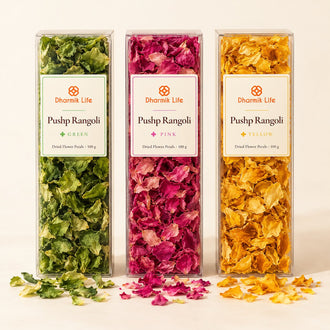
- Flowers: specifically marigolds and rose petals to decorate the lamp bases.
Explore our full range of home mandir essentials to complete your setup.
The Main Guide

Comparing Brass Diya vs Mitti Diya
Choosing between materials is a common dilemma for devotees. A mitti diya is biodegradable and represents the five elements of nature. It is ideal for the outer walls where the oil might seep through the porous clay. However, these are single use items. A brass diya is a permanent addition to your puja room. Brass is considered a pure metal in Vedic traditions and can be polished and reused for years. It holds heat better and does not leak oil onto your marble floors. For the main altar, a brass lamp is often preferred because of its steady flame and elegant presence.

The Choice of Diya Oil Ghee Diwali
The fuel you choose affects the duration and the spiritual vibration of the flame. Diya oil ghee diwali traditions suggest using ghee for internal peace and oil for protection. Desi ghee is the most sattvic fuel. It produces a flame that is believed to attract positive energy into the mandir. Sesame oil or sarson oil is used for lamps placed at the main door and the crossroads. Oil burns slower than ghee, making it practical for the many lamps placed outside the house that must stay lit until midnight.
Correct Diya Placement Vastu Diwali
Placement dictates the flow of energy. Diya placement vastu diwali rules suggest that the first lamp must be lit in the puja room. Place this lamp facing East to improve health or North to improve wealth. Never place a lamp facing South, except for the Yam Deepam. Ensure that two lamps are placed on either side of the main entrance to guide prosperity into the house. The North-East corner of your home should have the brightest lamp, as this is the Ishan Kon, the residence of the divine. A brass peacock lamp works well in the living room area to maintain a traditional look while following Vastu guidelines.
Donation and Daan on Diwali
- Donate sesame oil to a local temple to help keep their lamps lit through the night.
- Gift a set of clay lamps to those who cannot afford to decorate their own homes.
- Offer grain and new clothes to the workers who help clean your locality.
- Provide ghee to a Brahmin or a priest for the performance of the evening aarti.
- Ensure you donate to a cowshed or Gaushala to receive the blessings of Maa Surabhi.
How many diyas should be lit on Diwali and where exactly should they go?
The traditional number for Diwali is 26 diyas. This count ensures that every significant entry point and deity in the home is honoured. You start with the first lamp in the puja room for Maa Lakshmi. The second lamp goes at the main entrance, usually a larger one. Four lamps are placed at the four corners of the house. One lamp is dedicated to the Tulsi plant in your courtyard. Another is placed under a Peepal tree if one is nearby. The remaining lamps are spread across balconies, windows, and the kitchen. Some families follow a count of 11, 21, or 51 lamps depending on local customs. If you are also observing the tradition for the deceased, refer to our yam deepam guide for the specific south facing lamp. Always consult your family priest if you have specific astrological concerns regarding the count.
Common Mistakes
- Using a cracked or chipped clay lamp, as broken items are considered inauspicious for rituals.
- Placing the lamp directly on the floor without a base of rice or a flower petal.
- Lighting the South facing lamp on the main Diwali day instead of Choti Diwali.
- Using the same wick that was used for a previous puja or an earlier day.
- Blowing out a lamp with your breath instead of letting it extinguish naturally or using a flower.
FAQ
How many diyas are lit on Diwali night?
How many diyas are lit on Diwali night depends on family tradition, but 26 is a standard count. This number covers the mandir, main door, Tulsi plant, kitchen, and every window to ensure no corner remains in the dark.
Which oil is best for Diwali lamps?
Which oil is best for Diwali lamps is usually sesame oil or mustard oil for outdoor areas. Sesame oil burns longer and is traditionally used to ward off negative energies, while pure ghee is reserved for the puja room lamp.
Where should the main lamp be placed?
Where should the main lamp be placed is the North-East corner or the East of your puja room. This placement aligns with Vastu principles to attract health and prosperity into the household during the Lakshmi Puja muhurat.
Can I use brass lamps instead of clay ones?
Can I use brass lamps instead of clay ones is a common question, and the answer is yes. While clay is traditional, brass is considered a pure metal and is ideal for the main altar as it is reusable and stable.
What time should I light the lamps?
What time should I light the lamps is during the Pradosh Kaal on 8 November 2026. This period starts just after sunset and is the most auspicious time to invite Maa Lakshmi into your decorated home.
Conclusion
Lighting the diwali diya is a gesture of faith that has remained unchanged for generations. By choosing the right materials like brass for your altar and sesame oil for your boundaries, you create a balanced environment for worship. Remember to place your lamps according to Vastu and maintain the count of 26 to honour every part of your home. Use the correct panch mukhi lamp for your final aarti to seal the blessings of the festival. For more details on preparing your altar, read our post on diwali puja items to ensure nothing is missed.