Dussehra Ayodhya Varanasi 2026: 4 Secrets of the Ramnagar Ramlila

Visiting Dussehra Ayodhya Varanasi in 2026
On 20 October 2026, the ringing of temple bells across the Saryu river signals the start of Vijayadashami celebrations. Many pilgrims plan their dussehra ayodhya varanasi trip to witness the dual glory of these ancient cities during the autumn season. This year marks a significant milestone as the new Ram Mandir prepares for its grandest autumn festival yet. By following this guide, you will be able to navigate the crowded streets of Kashi and the sacred pathways of Ayodhya with ease.
Quick Takeaways
- The festival falls on 20 October 2026, which is a Tuesday this year.
- Ramnagar in Varanasi hosts a world famous month long open air theatre performance.
- Ayodhya features a grand Shobha Yatra starting from the Mani Parvat area.
- The evening Ravana Dahan at Lakshman Qila remains a popular spot for families.
| Event | Date | Tithi | Muhurat | Significance |
| Vijayadashami | October 20, 2026 | Ashwin Shukla Dashami | 01:58 PM to 02:44 PM | Victory of Good over Evil |
| Shastra Puja | October 20, 2026 | Dashami | 01:15 PM to 03:30 PM | Worship of Tools and Weapons |
| Durga Visarjan | October 20, 2026 | Dashami | 06:12 AM to 08:29 AM | Bidding Farewell to Mother Goddess |
| Ravan Dahan | October 20, 2026 | Dashami Pradosh Kaal | 05:45 PM to 08:15 PM | Burning of the Ego |
Why This Matters
The celebration of Vijayadashami represents the ultimate triumph of dharma over adharma. In the sacred geography of Uttar Pradesh, this day carries double the weight because it connects the birthplace of Lord Rama with the city of eternal light, Kashi. According to Valmiki Ramayana, Yuddha Kanda, the defeat of the ten headed king happened after a long and difficult battle. This victory is not just a historical event for a devotee but a recurring reminder that light always replaces darkness. In Ayodhya, the air is thick with the scent of marigolds and incense as devotees gather near the Saryu ghats. In Varanasi, the tradition of the Ramlila has continued for over 200 years without interruption. Understanding these rituals helps you connect with the root of our sanatana traditions. You can learn more about how other parts of India celebrate this day in our guide to dussehra regional celebrations across the country. Whether you stand at the Ram Mandir or on the banks of the Ganga, the energy of the chants remains the same.
The Main Guide
The Month Long Play of Ramnagar
The Ramlila at Ramnagar in Varanasi is not a simple stage show. It is an immersive experience that transforms the entire town into a living theatre for 31 days. The Kashi Naresh, the titular King of Varanasi, still arrives on an elephant to witness the performance. Each scene takes place at a different location within Ramnagar, requiring the audience to move along with the actors. These actors are often young boys who live a disciplined life of a brahmachari during the entire month of the play. On the final day of Dussehra, thousands of people gather to see the dialogue between Rama and Ravana. The script follows the Ramcharitmanas by Goswami Tulsidas, and the verses are chanted by traditional reciters called Samvadi. There are no microphones or electric lights used during these performances. Devotees carry small oil lamps or torches to see the action in the dark. It is a slow and meditative way to experience the scripture that demands patience and devotion from every visitor.
Ayodhya Shobha Yatra and Temple Rituals
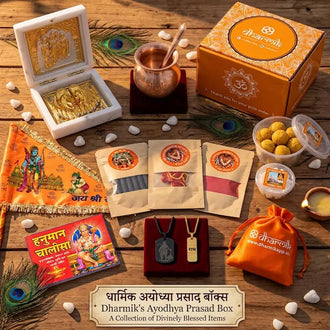
Ayodhya undergoes a massive transformation during the ten days leading up to Vijayadashami. The Shobha Yatra is a grand procession that features decorated chariots and folk dancers from across India. This parade usually starts near Mani Parvat and winds its way through the narrow lanes of the old city toward the main temples. Since the opening of the new temple, the crowds have grown significantly. You should aim to reach the temple complex by 4:00 AM if you wish to participate in the early morning darshan. The local administration sets up large screens at Lata Mangeshkar Chowk to broadcast the rituals for those who cannot enter the inner sanctum. Priests at the temple perform special shastra puja, which is the worship of traditional weapons used to protect dharma. You might consider carrying a gold plated ram pendant as a symbol of your journey to this holy site. The atmosphere is electric with the sound of Jai Shri Ram echoing from every corner of the city.
Evening Ravana Dahan at Lakshman Qila
As the sun sets over the Saryu on 20 October 2026, the focus shifts to the open grounds of Lakshman Qila. This is where the largest effigies of Ravana, Kumbhakarna, and Meghanada are placed. The burning of these effigies is a public event that attracts families from nearby villages. In Ayodhya, the fire is often lit by an actor dressed as Lord Rama, using a flaming arrow. This moment is met with massive cheers and the lighting of firecrackers. It is important to find a spot at least two hours before sunset to get a clear view of the ground. While the crowd is large, the local police manage the flow of people through specific entry and exit points. If you are staying in Varanasi instead, the effigy burning at the Polo Ground in Ramnagar offers a similar experience but with a more royal touch. Both cities offer a unique way to witness the symbolic destruction of ego and pride at the end of the Navratri period.
Navigating the Ghats for Sandhya Aarti
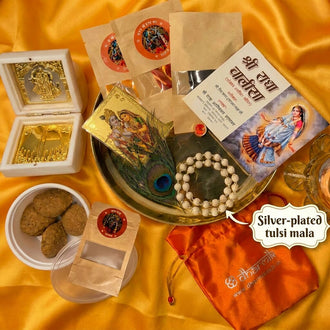
After the effigies are burnt, the tradition is to visit the river for a final prayer. In Varanasi, the Dashaswamedh Ghat remains the most crowded spot for the evening Ganga Aarti. For a quieter experience, head toward Assi Ghat or Scindia Ghat where the rituals are equally beautiful but less chaotic. In Ayodhya, the Naya Ghat and Guptaar Ghat are the primary locations for the Saryu Aarti. The water reflects thousands of floating diyas, creating a sea of lights that rivals the stars above. Many pilgrims choose this time to distribute sweets and share stories of the Ramayana with their children. If you cannot travel with your own offerings, you can find a small prasad box to share with fellow devotees. This final act of the day brings a sense of peace after the loud celebrations of the afternoon. It is a time for reflection on how we can implement the qualities of Lord Rama in our own daily lives.

How do the Ramlila scripts in Varanasi differ from those in Ayodhya?
The scripts used in these two cities represent different traditions of storytelling and devotion. In Varanasi, specifically in Ramnagar, the script is almost entirely based on the Ramcharitmanas by Goswami Tulsidas. The performers do not deviate from the Awadhi verses, and the entire play is treated as a religious recitation rather than just a drama. Every word spoken is considered sacred, and the actors are seen as the living embodiments of the deities. In contrast, the Ramlila in Ayodhya often incorporates elements from the Valmiki Ramayana and local folk traditions. Some performances in Ayodhya use modern Hindi to make the dialogues more accessible to the diverse crowds of tourists. While Varanasi sticks to a rigid, century old format that lasts a full month, Ayodhya focuses on a more visual and grand portrayal that usually spans ten days. Both versions are authentic in their own right. If you have any medical conditions that make standing for long hours difficult, please consult a doctor before joining the moving crowds of Ramnagar.

Checklist for a Successful Pilgrimage
- Book your accommodation at least three months in advance for both cities.
- Carry a physical map of Ramnagar as mobile networks often fail in the dense crowds.
- Wear comfortable walking shoes suitable for dusty temple grounds and stone ghats.
- Keep a bottle of water and some dry fruits like makhana for long wait times.
- Donate yellow cloth or food grains to the local bhandaras as a form of daan.
- Avoid carrying heavy bags or electronic items inside the high security temple zones.
- Carry a small torch if you plan to attend the Ramnagar Ramlila at night.
- Verify the exact dussehra date vijayadashami muhurat before starting your rituals.
Common Mistakes
- Arriving at the Dashaswamedh Ghat after 5:00 PM will likely mean you cannot see the water.
- Forgetting that the Ramnagar Ramlila moves locations throughout the evening can leave you stranded.
- Expecting all temples to remain open during the Ravana Dahan timing is a common error.
- Many visitors ignore the local traffic diversions in Ayodhya which can add hours to your travel.
- Using your mobile phone with flash during the Ramlila performances in Kashi is highly discouraged.
FAQ
What is the date of Dussehra in 2026?
Dussehra in 2026 will be celebrated on 20 October 2026. This day marks the end of the Navratri festival and falls on a Tuesday. It is observed on the tenth day of the Ashwina month in the Hindu calendar.
Where is the best place to see Ravana Dahan in Ayodhya?
The best place to see Ravana Dahan in Ayodhya is at the Lakshman Qila grounds. This location hosts a massive effigy burning event attended by thousands. It is advisable to reach the venue early to secure a good viewing spot.
How can I reach Ramnagar from the main Varanasi city?
You can reach Ramnagar from the main Varanasi city by crossing the Malviya Bridge or using a boat from the ghats. During the festival, the pontoon bridge is also used, but it can be very crowded. Taxis may be restricted near the palace.
Is there an entry fee for the Ramnagar Ramlila?
There is no entry fee for the Ramnagar Ramlila as it is a public religious event. However, you must be prepared for large crowds and basic seating on the ground. Most people bring their own small stools or mats to sit on.
Are the temples in Ayodhya open on Dussehra day?
The temples in Ayodhya are open on Dussehra day, but their timings may change for special rituals. The Ram Mandir has specific darshan windows that you should check upon arrival. Most temples close briefly during the afternoon for Shringar rituals.
Dussehra in Two Cities
Planning a trip for the dussehra ayodhya varanasi celebrations offers a unique chance to see the best of Indian tradition. From the royal processions in Kashi to the new temple festivities in the birthplace of Rama, the experience is unmatched. Remember to focus on the spirit of the day rather than just the spectacle. Sharing this time with family and fellow devotees creates memories that last a lifetime. You can find more details on timing in our guide to the dussehra date vijayadashami muhurat. May Lord Rama bless your journey with peace and strength.