Ekadashi Vrat Rules 2026: Fasting Guide, Benefits & Vrindavan Tradition
Ekadashi Vrat Rules 2026: Fasting Guide, Benefits & Vrindavan Tradition

Have you ever yearned for a deeper spiritual connection, a profound purification of mind and soul? The sacred observance of Ekadashi, the eleventh day of each lunar fortnight, offers precisely that path. To fully embrace this ancient tradition and unlock its spiritual potential, understanding and adhering to the precise Ekadashi vrat rules is paramount. Revered across Hinduism for centuries, this auspicious fast is a powerful spiritual discipline dedicated to Lord Vishnu, promising immense blessings and spiritual purification. This comprehensive guide from Dharmik delves into the heart of Ekadashi, providing you with a definitive resource. We will navigate the intricacies of its fasting protocols, explore the array of permitted foods, and clarify the crucial Parana rituals, ensuring you can observe Ekadashi with complete devotion and understanding. Prepare to embark on a journey that aligns your body, mind, and spirit with divine energy, guided by the timeless wisdom of this sacred fast.
The Spiritual Essence of Ekadashi Vrat
Ekadashi transcends a mere fast; it is a profoundly sacred day devoted entirely to Lord Vishnu, offering a powerful opportunity for deep spiritual introspection and unwavering devotion. Its origins trace back to ancient Vedic scriptures, particularly the revered Puranas such as the Skanda Purana, where Ekadashi is extolled for its ability to cleanse devotees of accumulated sins and facilitate the path to liberation, or moksha. The profound sanctity of this day is deeply resonant with sacred pilgrimage sites like Vrindavan, where each Ekadashi is observed with intensified fervor and collective devotion. This practice underscores a fundamental principle: cultivating detachment from transient worldly pleasures and fostering an unbreakable attachment to the Divine. Observing the vrat meticulously purifies not only the physical body but also the intricate layers of the mind and soul, harmonizing one's being with higher consciousness. It stands as a timeless reminder of the ephemeral nature of material existence and the everlasting bliss that can only be discovered through selfless devotion to the Supreme Lord. Embracing these Ekadashi vrat rules thus becomes a journey towards inner peace and ultimate spiritual fulfillment.
When is Ekadashi Vrat Observed in 2026? Key Information
Ekadashi is a biannual observance, celebrated twice every lunar month: once during the Shukla Paksha (the waxing phase of the moon) and again during the Krishna Paksha (the waning phase of the moon). While the precise date, Tithi (lunar day), and Muhurat (auspicious timing) dynamically shift according to the specific lunar calendar for 2026 and geographical location, the foundational spiritual principles and Ekadashi vrat rules remain steadfast. Devotees rigorously consult a reliable local Panchang, the traditional Hindu almanac, to ascertain the exact timings pertinent to their region. The sacred fast traditionally commences at the break of dawn on Ekadashi day and culminates gracefully after sunrise on the subsequent day, Dwadashi, during a meticulously defined window known as Parana. This dedicated period of fasting is a profound commitment to spiritual discipline, designed to channel the mind's focus entirely towards devotion rather than physical demands. It provides an unparalleled opportunity to intensify one's prayer and meditation practices, significantly enhancing the overall spiritual journey and fostering a deeper connection with the divine.
| Aspect | Description |
|---|---|
| Frequency | Twice a lunar month (Shukla Paksha & Krishna Paksha) |
| Deity | Lord Vishnu (and His various forms) |
| Specific Dates/Tithi/Muhurat | Vary dynamically each month and region; consult a reliable Panchang for 2026. |
| Start Time | Sunrise on Ekadashi day |
| End Time | After sunrise on Dwadashi (the day following Ekadashi), during Parana period |
| Significance | Spiritual purification, liberation from sins, divine blessings |
The Core Ekadashi Vrat Rules: A Comprehensive Guide
The Fundamental Principles of Ekadashi Fasting
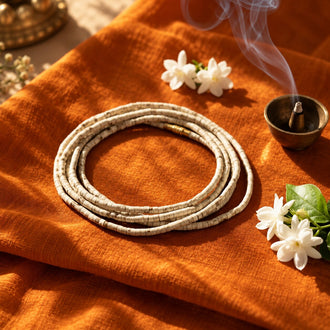
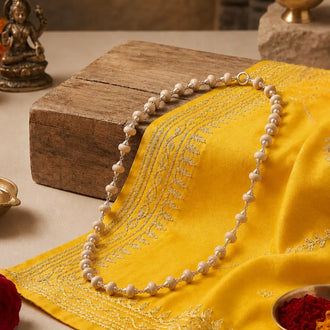
At the heart of Ekadashi observance lies a profound commitment to self-control, spiritual discipline, and unwavering devotion. While the most austere form, the Nirjala Vrat, entails complete abstinence from all food and water, many devotees opt for a partial fast, adapting the Ekadashi vrat rules to their physical capacity. This typically involves consuming fresh fruits, pure milk, or other specially permitted Ekadashi-friendly foods. Critically, adherence necessitates strictly avoiding all grains (rice, wheat, corn, barley), lentils, beans, and stimulating spices. The primary focus shifts to spiritual nourishment: engaging intensely in chanting, meditation, and scripture study. Many find profound assistance using an Original Tulsi Japa Mala with 108 Big Beads for Meditation, connecting deeply with the spiritual energy of Tulsi. For further insights into chanting, explore our blog on The Power of Mantra Chanting. This continuous engagement keeps the mind absorbed in the divine, minimizing bodily distractions.
Spiritual Insight: By consciously reducing reliance on physical sustenance, devotees cultivate a greater dependence on divine grace, allowing the soul's light to shine brighter, echoing the ancient practices of Vrindavan sages.
Different Types of Ekadashi Vrat
Throughout the lunar year, devotees are blessed with 24 to 26 Ekadashis, each carrying its own distinct name and spiritual significance. While the fundamental Ekadashi vrat rules remain consistent, the specific boons they bestow vary. Each Ekadashi reflects a different facet of devotion. A symbolic offering like the Lakshmi Ganesha Pure Silver Coin can amplify prayers. Further insights into devotional practices can be found in our blog post on The Importance of Silver in Hinduism. Prominent Ekadashis include:
- Nirjala Ekadashi: Strictest abstinence. Learn more about Nirjala Ekadashi.
- Apara Ekadashi: Liberation from sins, removal of obstacles. Discover Apara Ekadashi.
- Yogini Ekadashi: Alleviates past sins and health issues. Read about Yogini Ekadashi.
- Padmini Ekadashi: Immense spiritual merits during Adhik Maas. Explore Padmini Ekadashi.
- Parama Ekadashi: Prosperity and salvation in Adhik Maas. Understand Parama Ekadashi.
- Kamika Ekadashi: Fulfills righteous desires, attains liberation. Delve into Kamika Ekadashi.
Each uniquely emphasizes Vrindavan's tradition of deep, unconditional devotion.
Vrindavan Tradition: In Vrindavan, each Ekadashi is a festival of devotion, with temples adorned, bhajans sung, and a palpable atmosphere of divine anticipation that deepens the community's bond with Krishna.

What to Eat in Ekadashi: Permitted & Prohibited Foods
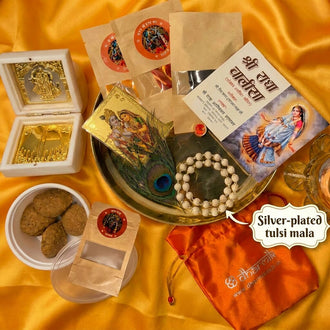
For those observing a partial fast, knowing precisely what to eat in Ekadashi and what to strictly avoid is crucial. The rule dictates the complete exclusion of all grains (rice, wheat, corn, barley), lentils, beans, and stimulating spices like turmeric, asafoetida, and mustard seeds. Instead, focus on a sattvic diet comprising fresh, seasonal fruits, a variety of vegetables (excluding onion, garlic, mushrooms), nuts, and dairy products (pure milk, paneer, yogurt). Specific flours like Kuttu (buckwheat), Singhara (water chestnut), or Sabudana (sago) are permitted, seasoned with rock salt (sendha namak). A Monthly Vrindavan Puja Kit (for sincere Krishna devotees) can simplify your preparations, providing essential items. For deeper understanding of sattvic living, refer to our blog on Sattvic Diet for Spiritual Living. This disciplined eating not only supports physical well-being but significantly contributes to spiritual purification.
Spiritual Insight: By choosing foods that are light and pure, devotees reduce the body's demands and enhance mental clarity, making it easier to connect with the subtle spiritual energies of Ekadashi, a wisdom cherished in Vrindavan.

Understanding Ekadashi Parana Time: Breaking the Fast
The conclusion of the Ekadashi fast, known as Parana, holds immense spiritual significance, considered as vital as the fast itself. To accrue full spiritual merits, Parana must be performed during a very specific, auspicious period on Dwadashi, the day immediately following Ekadashi. Observing the precise Ekadashi Parana time correctly is paramount, as performing it outside the prescribed window negates the fast's benefits. Parana is typically initiated by consuming a small amount of grains, commonly rice, or a light sattvic meal, only after offering prayers and gratitude to Lord Vishnu. Many devotees prepare special offerings or receive blessed Vrindavan Prasad Box (Big) to auspiciously break their fast, reaffirming devotion. For deeper understanding of such sacred offerings, refer to our blog about The Significance of Prasad in Hindu Tradition. This meticulous conclusion ensures spiritual energy from the fast is properly integrated and blessed.
Vrindavan Tradition: In Vrindavan, Parana is often a communal celebration, where devotees share simple, blessed meals, signifying the completion of their spiritual discipline and reinforcing their bond with Krishna.
Do's and Don'ts During Ekadashi
To fully immerse in Ekadashi's sacredness, adhering to specific do's and don'ts is crucial. These Ekadashi vrat rules extend beyond diet to actions and thoughts, shaping the day into an offering. Enhance your puja with Incense Cups - Purity, Blessings & Peace. For more on devotional spaces, read Creating a Sacred Puja Space at Home. Here’s a summary:
-
Do's:
- Chant Maha-Mantra and prayers.
- Meditate and contemplate spiritually.
- Read scriptures (Bhagavad Gita).
- Visit temple, offer prayers.
- Perform charity.
- Stay awake (Jagaran) at night.
- Maintain purity.
-
Don'ts:
- Consume grains, beans, lentils.
- Shave or cut hair.
- Engage in worldly pleasures/gossip.
- Sleep during the day.
- Use harsh language/anger.
- Engage in physical intimacy.
- Work in the field.
Adhering reinforces spiritual discipline and devotion.
Vrindavan Tradition: In Vrindavan, these practices are lived sincerely, making every action an offering to Radha and Krishna, embodying true spiritual surrender.
Choosing Your Ekadashi Vrat: A Comparison Guide
Understanding the different levels of Ekadashi observance can help you choose a vrat that aligns with your spiritual journey and physical capacity. Each type offers a unique path to devotion, yet all adhere to the core Ekadashi vrat rules.
| Vrat Type | Description | Permitted Intake | Recommended For |
|---|---|---|---|
| Nirjala Vrat | Strict fasting, no food or water. Highest austerity. | None | Experienced devotees seeking intense spiritual purification. Ensure good health. Consider an Authentic Rudraksha Mala with Brass Damru & Trishul Pendant Blessed in Kashi for intensified chanting. |
| Phalahari Vrat | Fasting on fruits and water/milk. Common for many. | Fruits, milk, water, nuts. | Devotees seeking spiritual benefits with moderate physical demands. Original Tulsi Japa Mala with 108 Big Beads for Meditation. |
| Dugdha Vrat | Fasting on milk and milk products only. | Milk, paneer, yogurt (without grains). | Beginners or those with health conditions preventing stricter fasts. A Original Silver Plated Panch Mukhi Rudraksha Bracelet offers constant spiritual reminder. |
| Eka Bhukta Vrat | Eating one meal a day (without grains). Simplest form. | One meal of Ekadashi-friendly foods. | Those new to Ekadashi or with significant health restrictions. Prepare with a Monthly Vrindavan Puja Kit (for sincere Krishna devotees). |
How to Prepare Your Mandir for Ekadashi Vrat in 2026: Puja & Sadhana
Proper and heartfelt preparation is the cornerstone of a successful and spiritually enriching Ekadashi vrat. This encompasses not only crucial dietary adjustments but also a profound spiritual readiness to receive divine blessings. Adhering to these preparation steps, guided by Ekadashi vrat rules, helps set the perfect devotional atmosphere. A Monthly Vrindavan Puja Kit (for sincere Krishna devotees) can greatly simplify this process, providing authentic items blessed from sacred lands. For a touch of Vrindavan's essence, consider adding Braj Raj - Blessed from Vrindavan to your altar. Here’s a numbered guide for your preparation:
- The Day Before (Dashami): Consume only one light, sattvic meal to gently prepare your body for the fast. Avoid heavy or non-Ekadashi-friendly foods to ensure your system is purified.
- Morning Purification on Ekadashi: Wake early, take a purifying bath, and wear clean clothes. This external cleanliness signifies internal readiness.
- Mandir Cleansing and Adornment: Thoroughly clean your home mandir or altar. Offer fresh clothes to your deities, adorn them with beautiful flowers, and light incense.
- Light a Ghee Lamp: Place and light a pure ghee lamp (diya) before Lord Vishnu’s idol or picture. The flickering flame symbolizes dispelling darkness and inviting divine light.
- Offer Water and Simple Prasad: Offer a glass of pure water and any Ekadashi-friendly prasad (like fruits or milk) to Lord Vishnu, seeking His blessings.
- Engage in Continuous Chanting: Throughout the day, immerse yourself in chanting the Maha-Mantra (Hare Krishna, Hare Krishna, Krishna Krishna, Hare Hare / Hare Rama, Hare Rama, Rama Rama, Hare Hare) or other Vishnu mantras.
- Read Holy Scriptures: Dedicate time to reading from the Bhagavad Gita, Srimad Bhagavatam, or Vishnu Sahasranama, absorbing spiritual wisdom.
- Meditation and Contemplation: Spend periods in silent meditation, focusing your mind on Lord Vishnu and contemplating the deeper meaning of Ekadashi.
- Night Vigil (Jagaran): If possible, observe a night vigil, continuing chanting and prayers until the Dwadashi sunrise.
These steps help ensure your worship is complete and authentic, enhancing your spiritual experience and drawing you closer to the divine grace of Ekadashi.
The Profound Spiritual Benefits of Ekadashi Vrat
The consistent and sincere observance of Ekadashi vrat rules unfolds a myriad of profound benefits, extending far beyond superficial physical cleansing. Spiritually, this sacred fast is deeply revered for its power to purify the soul, mitigate accumulated karmic reactions, and illuminate the arduous path towards liberation, or moksha. On a mental plane, the rigorous discipline inherent in fasting cultivates remarkable self-control, fosters unparalleled mental clarity, and sharpens focus, thereby significantly reducing anxiety and nurturing a profound sense of inner peace. Devotees frequently report an intensified sense of connection to the divine, experiencing deeper, more meaningful meditation sessions and prayers that resonate with greater sincerity. Physically, the practice of controlled fasting can bolster digestive health, aid in detoxification, and promote overall bodily lightness. The cumulative Ekadashi benefits are truly transformative, reshaping one's entire existence, fostering an unshakeable devotion, and leading to a deeper, more nuanced understanding of timeless spiritual principles, all deeply rooted in the Vrindavan tradition of unwavering faith and surrender. As you contemplate this sacred practice, consider: What profound shifts might consistent Ekadashi observance bring to your unique spiritual path in the coming year?
Bring the Blessings of Ekadashi Home with Dharmik
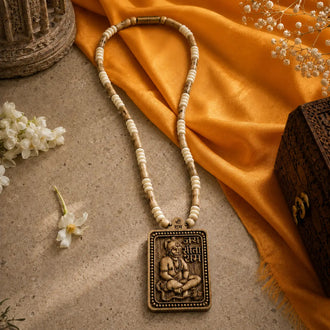
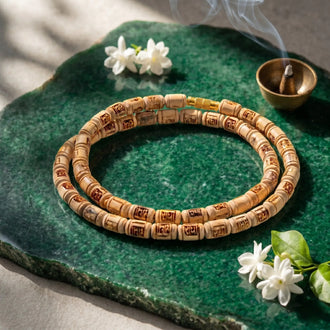
Dharmik is deeply committed to empowering your spiritual journey, helping you observe your practices with the utmost authenticity and heartfelt devotion. Our carefully curated collection of products is meticulously designed to profoundly enhance your Ekadashi experience, ensuring you have access to sacred items that are not only inherently pure but also divinely blessed. To support your vital chanting throughout this sacred day, consider acquiring an Original Tulsi Japa Mala with 108 Big Beads for Meditation, known for its spiritual potency. For a truly auspicious conclusion to your fast, our renowned Vrindavan Prasad Box (Big) offers authentic blessings directly from the heart of Vrindavan Dham, providing pure, abhimantrit Prasad. Furthermore, for a tangible symbol of divine protection and grace, our Original Narasimha Raksha Mala Double Round, 8 mm, Divine Protection offers powerful spiritual safeguarding. Trust Dharmik for all your spiritual needs; our brand is backed by an unwavering commitment to quality, devotion, and the promise of free shipping on all eligible orders, bringing sacredness directly to your doorstep.
Frequently Asked Questions About Ekadashi Vrat
What are the basic Ekadashi vrat rules?
The basic Ekadashi vrat rules involve abstaining from grains, beans, and lentils. Many devotees observe a complete fast without food or water (Nirjala), while others consume fruits, milk, and Ekadashi-friendly foods, focusing on devotion to Lord Vishnu.
What can be eaten during Ekadashi fasting?
During Ekadashi fasting, you can eat fresh fruits, vegetables (excluding onion/garlic), nuts, dairy products (milk, paneer, yogurt), and specific flours like Kuttu (buckwheat), Singhara (water chestnut), or Sabudana (sago), seasoned with rock salt.
When is the correct Ekadashi Parana time?
The correct Ekadashi Parana time is crucial for completing the fast. It occurs on Dwadashi (the day after Ekadashi) after sunrise, within a specific period determined by the Panchang, typically by consuming grains like rice.
What are the main benefits of observing Ekadashi?
The main benefits of observing Ekadashi include spiritual purification, alleviation of sins, mental clarity, improved self-control, and the cultivation of deep devotion to Lord Vishnu, leading to inner peace and ultimately, moksha.
Who should observe Ekadashi vrat?
Ekadashi vrat is recommended for all devotees seeking spiritual advancement, regardless of age or gender. While strictness varies, pregnant women, children, and those with health conditions should consult religious authorities and adapt the fast as needed.
What is the significance of Tulsi on Ekadashi?
The significance of Tulsi on Ekadashi is immense, as Tulsi Devi is a beloved consort of Lord Vishnu. Offering Tulsi leaves to Lord Vishnu on Ekadashi is highly auspicious, and chanting with a Tulsi Mala is considered particularly potent for spiritual benefits.
Are there any exceptions to Ekadashi fasting rules?
Yes, there are exceptions. Children, the elderly, pregnant women, the sick, and those performing strenuous physical labor are generally advised to observe a more lenient fast, consuming fruits, milk, or a single Ekadashi-friendly meal.
CONCLUSION
Observing the sacred Ekadashi vrat rules is a profoundly transformative spiritual discipline that bestows immense benefits upon the body, mind, and soul. By diligently understanding the fasting protocols, discerning the permitted foods, and meticulously observing the crucial Parana timing, you can profoundly deepen your devotion and fully experience the transformative power of this auspicious day. Whether you choose the austere Nirjala fast or a more lenient approach tailored to your capacity, your sincere intention and unwavering adherence to these timeless principles will undoubtedly draw you closer to the divine grace of Lord Vishnu. Embark on your personal journey of spiritual purification with Dharmik and explore our exquisite collection of authentic, blessed puja products meticulously crafted to enhance every facet of your devotion. Visit our comprehensive Dharmik Puja Samagri collection today to discover everything you need for a truly blessed and spiritually enriching Ekadashi.
By Dharmik