Environmental Benefits Growing Tulsi Plants: 2026 Eco-Guide

Why Environmental Benefits Growing Tulsi Plants Make Them Essential
NASA researchers confirmed that certain indoor vegetation can remove up to 87 percent of air toxins in just 24 hours. The environmental benefits growing tulsi plants provide go far beyond simple decoration for a balcony or courtyard. This guide explains how this sacred botanical species supports planetary health while improving your living space.
Quick Takeaways
- Ocimum tenuiflorum releases oxygen for twenty hours daily including during night cycles.
- Organic cultivation methods support local bee populations and improve soil microbial health.
- Natural repellent properties reduce reliance on chemical pesticides within the home garden.
- Vrindavan traditions emphasize that every household should nurture at least one plant.
| Environmental Factor | Impact of Tulsi | Primary Benefit |
|---|---|---|
| Air Quality | High CO2 Absorption | Oxygen Enrichment |
| Soil Health | Anti-fungal Roots | Microbiome Support |
| Pest Control | Natural Eucalyptol | Eco-friendly Repellent |
| Ozone Layer | Ozone Production | Atmospheric Repair |
| Water Usage | Low Requirement | Resource Sustainability |
Why This Matters
The ecological crisis facing our cities makes the presence of traditional home plants more vital than ever before. Tulsi is one of the few species that performs Crassulacean Acid Metabolism or CAM. This process allows the plant to keep its stomata open during the night to absorb carbon dioxide. Skanda Purana 2.4.18 states that the wind passing through a Tulsi forest purifies everything it touches in the three worlds. This spiritual observation aligns with modern science regarding the release of volatile organic compounds like eugenol. In the dusty streets of Vrindavan or Kashi, devotees maintain these plants to keep the air breathable despite heavy traffic. By understanding wearing tulsi mala spiritual meaning, we see that the physical plant is a living extension of that same purity. Sustainability starts at the doorstep with a single clay pot and a handful of well-drained soil. Each leaf acts as a tiny biological filter for the family living nearby. Supporting this growth is a form of seva for the entire planet.

Tulsi Gardening: A Step-by-Step Approach
Success with tulsi gardening requires attention to the specific needs of this tropical perennial. Follow these five steps to ensure your plant survives and thrives to provide maximum ecological output.
- Select the Soil: Use a mix of seventy percent potting soil and thirty percent organic compost. Ensure the pot has at least three drainage holes at the base to prevent root rot.
- Sowing Seeds: Scatter seeds on the surface and cover with a thin layer of soil. Press down lightly to ensure contact. Keep the soil moist but not waterlogged until germination occurs in ten to fourteen days.
- Sunlight Exposure: Place your pot in a location that receives six to eight hours of direct sunlight. In extreme heat over forty degrees Celsius, provide partial shade during the afternoon hours.
- Watering Routine: Water early in the morning before the sun reaches its peak. Check the top inch of soil. If it feels dry to the touch, it is time to hydrate the roots.
- Pruning for Growth: Pinch off the top two leaf pairs once the plant reaches six inches in height. This encourages lateral branching and prevents the plant from becoming leggy or sparse.
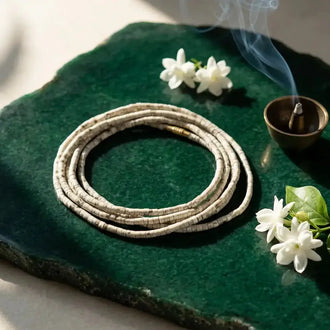
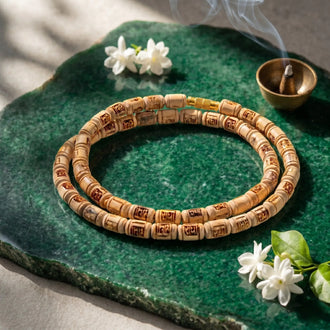
If you prefer to keep the energy of the plant close to your heart, consider an Original Tulsi Kanthi Mala Triple Round, 6 mm, Daily Bhakti, Prayer for your daily meditation. For those focused on deep chanting, the Tulsi Japa Mala with 108 Original Big Beads for Meditation provides the perfect weight and texture.
Tulsi as a Natural Air Purifier
The leaves of this plant contain high concentrations of camphene and cineole. These elements act as natural bronchodilators and air cleaners. When placed in a room, the plant absorbs harmful gases like sulfur dioxide and carbon monoxide. This makes it a powerful ally in industrial zones or urban centers where smog levels are frequently high. Scientists have noted that the area around a Tulsi plant has a lower bacterial count than areas without it. This is due to the antibacterial properties found in the phytonutrients the plant emits into the atmosphere. Using these home plants creates a protective shield against airborne pathogens and pollutants. Sustainability in home decor often overlooks the functional power of living organisms. Tulsi proves that a small plant can do the work of an expensive electronic air filter without using electricity. This reduces your carbon footprint while providing a cooling effect in the immediate vicinity.
Role in Biodiversity and Sustainability
Cultivating Tulsi helps maintain local ecosystems by attracting pollinators like honeybees and butterflies. These insects are critical for the survival of many food crops and flowers in your neighborhood. By avoiding chemical fertilizers, you ensure that the nectar remains safe for these vital creatures. The sustainability of our urban environments depends on these small pockets of green life. Furthermore, the discarded leaves of the plant make excellent nitrogen-rich mulch for other garden beds. Nothing from the Tulsi plant goes to waste. Even the dried stems can be used to make incense or small prayer beads. This zero-waste lifecycle is a model for modern eco-friendly living. When you practice tulsi gardening, you are participating in a tradition that respects every stage of biological existence. This approach helps build a resilient garden that can withstand local weather shifts and seasonal changes.

Environmental Benefits Growing Tulsi Plants in the Household
- Oxygen Production: Generates O2 for nearly twenty hours every day, significantly higher than most common household species.
- Insect Repellent: Effectively keeps mosquitoes and flies away due to the natural scent of eugenol in the foliage.
- Temperature Control: Transpiration from the leaves helps lower the ambient temperature on hot summer afternoons.
- Stress Reduction: The mere sight of the greenery and the light herbal scent helps lower cortisol levels in residents.
- Soil Purification: Roots prevent the buildup of certain harmful fungi that can damage other nearby decorative flora.
Devotees often choose a Gold-Plated Tulsi Mala 60 Beads, 5-6 mm, Peace & Protection to carry this calming influence throughout their busy workday.
What are the environmental benefits of growing Tulsi plants at home?
The primary environmental benefits of growing Tulsi plants at home center on the restoration of air quality and the mitigation of indoor pollution. This plant is known as an ozone generator because it releases nascent oxygen which can help in the repair of the atmospheric layers at a very local level. It acts as a bio-indicator of air quality. If the plant begins to wither despite proper care, it often signals high levels of lead or sulfur in the immediate environment. Additionally, the plant aids in the reduction of indoor humidity levels, which prevents the growth of mold and mildew on walls. By absorbing carbon dioxide at night, it ensures that the bedroom remains a healthy space for sleep. This is a rare quality among home plants, as most release carbon dioxide after sunset. For the best results, one should consult a priest or horticultural expert if the plant shows unusual signs of stress. Research from various ecological studies supports that maintaining a Tulsi plant can reduce the concentration of particulate matter within a ten-foot radius. It is a simple yet effective tool for modern sustainability. You can find more about the spiritual energy of this plant in our article on how Tulsi Mala enhances aura through its natural vibrations.
Common Mistakes to Avoid
- Overwatering: Adding water when the soil is still damp causes the roots to suffocate and rot within days.
- Lack of Sunlight: Keeping the plant in a dark corner prevents photosynthesis and leads to pale, weak stems.
- Using Plastic Pots: Non-porous materials trap heat and moisture, whereas terracotta allows the roots to breathe properly.
- Incorrect Pruning: Cutting the main stem too early can stunt the growth and prevent the plant from becoming bushy.
- Chemical Sprays: Applying synthetic pesticides kills the beneficial microbes that live on the leaf surface and harms pollinators.
How does Tulsi help in air purification?
Tulsi helps in air purification by absorbing toxic gases such as carbon monoxide, sulfur dioxide, and nitrogen dioxide from the atmosphere. The plant releases high levels of oxygen for twenty hours a day, which significantly improves the breathable air quality.
Can Tulsi plants grow indoors successfully?
Tulsi plants can grow indoors successfully if they are placed near a south-facing window that receives at least six hours of sunlight. Using a well-draining pot and ensuring proper air circulation prevents the buildup of moisture and pests indoors.
Is Tulsi effective against mosquitoes?
Tulsi is effective against mosquitoes because its leaves contain natural oils and chemical compounds like eugenol that act as a repellent. Research shows that keeping these plants on windowsills can significantly reduce the number of insects entering the home.
What is the best soil for Tulsi gardening?
The best soil for tulsi gardening is a loamy, well-drained mix with a pH level between six and seven. Mixing garden soil with organic compost and a small amount of sand ensures that the roots receive enough oxygen and nutrients.
How often should I water my Tulsi plant?
You should water your Tulsi plant when the top layer of soil feels dry to the touch, usually every two to three days. During the peak of summer, daily watering might be necessary to keep the plant hydrated and healthy.
Conclusion
The environmental benefits growing tulsi plants offer make them a cornerstone of any eco-conscious household. From purifying the air to supporting local biodiversity, this sacred plant serves the planet with every leaf. By following proper gardening techniques, you can ensure your home remains a sanctuary of oxygen and peace. Embrace this tradition by keeping a Original Tulsi Kanthi Mala Triple Round, 6 mm, Daily Bhakti, Prayer for your spiritual practice. Learn more about the spiritual meaning of Tulsi and how it connects us to nature.
Written by- Jaya Singh