Fragrance Oils Incense Cups: Elevate Your Home Puja

Fragrance Oils Incense Cups: Elevate Your Home Puja
INTRODUCTION
The subtle aroma of a sacred space shapes our spiritual state. As devotees seek to deepen their connection, choosing the right incense cups and accompanying scents becomes vital. This guide explores the best fragrance oils incense cups users can adopt to create an atmosphere conducive to prayer and meditation. You will learn about selecting authentic oils, their traditional uses, and how to infuse your home with divine aromas, inspired by the traditions of Vrindavan.
QUICK TAKEAWAYS
Quick Takeaways
- Select natural, pure scented oils over synthetic alternatives for authentic rituals.
- Different aromatic oils carry specific spiritual benefits and enhance devotion.
- Proper oil application and cup care ensure a long-lasting, pure fragrance experience.
- Aromas from sacred places like Vrindavan purify the mind and surroundings.
KEY INFORMATION TABLE
| Fragrance Oil | Primary Properties | Spiritual Benefit | Aura Created |
|---|---|---|---|
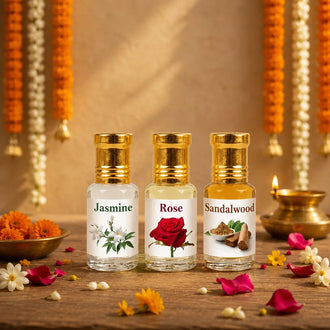
| Sandalwood (Chandan) | Earthy, woody, calming | Promotes peace, focus, aids meditation | Serene, grounding |
| Rose (Gulab) | Sweet, floral, uplifting | Invokes divine love, devotion, compassion | Harmonious, loving |
| Jasmine (Chameli) | Rich, sweet, exotic | Attracts positive energy, spiritual clarity | Enchanting, purifying |
| Nag Champa | Musky, sweet, unique blend | Calms mind, purifies space, deep meditation | Mystical, meditative |
| Lavender | Herbal, floral, soothing | Reduces stress, aids relaxation, spiritual healing | Tranquil, healing |
| Lotus (Kamal) | Light, sweet, aquatic | Symbolizes purity, spiritual awakening | Divine, enlightening |
WHY THIS MATTERS
Aromas hold a sacred place in Hindu traditions, acting as a bridge between the material and spiritual worlds. Since ancient times, pure scents have been offered to deities to invoke blessings and purify the environment. In the temples of Vrindavan, for instance, specific `fragrance oils` like Sandalwood and Rose are integral to daily puja and aarti ceremonies.
These natural oils are not merely pleasant smells; they are believed to carry specific vibrational frequencies that aid in meditation and spiritual focus. The act of offering fragrant smoke from incense cups is an ancient practice, symbolizing the devotee's devotion and purification of the five senses.
While no single scripture dictates the use of specific `fragrance oils incense cups`, the general principle of offering pure and pleasing substances to the divine is deeply rooted. Using essential oils incense for home puja replicates the devotional atmosphere of temples, drawing the mind inwards.
This practice fosters a deeper connection with the divine. It transforms any ordinary space into a peaceful sanctuary, reminiscent of the spiritually charged atmosphere found in holy places like Vrindavan. Every scent here evokes devotion. For more on creating such an ambiance, see our guide on incense cups for relaxation and stress relief.

Selecting Authentic Fragrance Oils for Incense Cups
Choosing authentic oils is the first step towards a genuine spiritual experience. Many commercial perfume oils contain synthetic chemicals that can detract from the sacred atmosphere. Instead, look for pure `natural oils` or attars. Dharmik ensures its offerings, such as Vrindavan Pushp Attar, are sourced with purity in mind, often blessed in Vrindavan itself. Understanding the difference between essential oils and traditional attars is key; essential oils are concentrated extracts, while attars are traditionally distilled into a sandalwood base, offering a complex, long-lasting aroma ideal for devotional settings.
How to Use Fragrance Oils with Incense Cups
Using these special oils with incense cups is a simple, yet powerful ritual. Here’s a step-by-step guide:
- Prepare Your Incense Cup: Ensure your incense cup is clean and dry. Many devotees prefer ceramic or brass cups designed for traditional use.
- Add Your Base: Place a small amount of charcoal briquette or a dried cow dung cake (go-bar) inside the cup. Light it and allow it to get hot and glow red, which takes about 30 seconds to a minute.
- Apply the Fragrance Oil: Once the base is glowing, gently add 2-3 drops of your chosen `incense cup oils` directly onto the hot surface. The heat will slowly release the aroma. For instance, devotees in Kashi often use Sandalwood oil in this manner during evening prayers.
- Allow the Aroma to Diffuse: Let the pure scent fill your space. Do not add too much oil at once, as it can overwhelm the senses and potentially extinguish the heat source.
- Reapply as Needed: You can add more drops of the top fragrance oils once the previous application has evaporated and the scent begins to fade. Always maintain proper ventilation in your puja room.
Beyond Basic Application: Traditional Pairings
In Vrindavan, the choice of oil often depends on the deity or the specific mood of the ritual. Sandalwood is commonly used for Shiva and Vishnu, creating a serene ambiance for their worship. Rose oil, with its connection to divine love, is perfect for Radha Krishna devotions. Jasmine oil is frequently offered to Goddess Lakshmi for prosperity and grace. Consider these traditional associations when selecting your `incense cup oils` to deepen your spiritual connection. Some devotees also create custom blends, combining two or three `natural oils` to achieve a unique fragrance that resonates with their personal devotion or a specific puja.
CHECKLIST / BENEFITS
Incorporating pure fragrance oils into your spiritual routine offers numerous benefits, enhancing both your environment and your inner state:
- Purifies the Atmosphere: Specific natural oils like Frankincense or Myrrh are traditionally used to cleanse the air of negative energies, creating a sanctified space for devotion.
- Enhances Meditation: Aromas such as Sandalwood or Lotus help to quiet the mind, promoting deeper concentration and a more focused meditation practice. Many practitioners note increased mental clarity during their sadhana with these scents.
- Invokes Divine Presence: Certain incense cup oils are associated with particular deities. Rose is often linked with Goddess Lakshmi and Radha, while Sandalwood is dear to Lord Shiva and Vishnu, aiding in invoking their blessings.
- Reduces Stress and Anxiety: The calming properties of oils like Lavender or Bergamot contribute to mental peace, helping to alleviate daily worries and prepare the mind for spiritual endeavors.
- Creates a Consistent Spiritual Cue: Regular use of a specific scent, like a Vrindavan Pushp Attar, can train your mind to associate that aroma with prayer and mindfulness, making it easier to transition into a devotional state.

What are the top fragrance oils used in incense cups?
The top fragrance oils chosen for incense cups are often selected for their traditional spiritual significance, aromatic profile, and ability to enhance a devotional atmosphere. Sandalwood, known as Chandan, is revered for its cooling and calming properties, making it ideal for meditation and prayers to deities like Lord Shiva and Vishnu. Its earthy, woody scent is a staple in many Vrindavan temples. Rose, or Gulab, with its sweet and uplifting floral notes, is widely used in offerings to Goddess Lakshmi and Radha, symbolizing love and purity. Jasmine, Chameli, offers a rich, sweet, and exotic aroma that is believed to attract positive energy and promote spiritual clarity, often favored during evening aratis. Nag Champa, a unique blend typically featuring Champa flower and sandalwood, is celebrated for its ability to purify spaces and deepen meditative states. Other popular options include Mogra (Indian Jasmine), which brings a fresh, heady sweetness, and Lavender, known for its relaxing qualities. For specific needs, consulting a local priest or spiritual elder can provide guidance on oils suitable for particular deities or rituals. You can explore more about aromatic selections in our post on aromatherapy herbal incense cups.
COMMON MISTAKES TO AVOID
- Using Synthetic Fragrances: Many commercial products labeled as "fragrance oils" are synthetic. These lack the spiritual purity and authentic properties of `natural oils` and can be counterproductive to a devotional practice.
- Applying Too Much Oil: Over-saturating the hot charcoal or cow dung cake can create excessive smoke or a cloying aroma, rather than the subtle, pure scent desired. A few drops are usually sufficient.
- Neglecting Incense Cup Care: Residue from previous uses can affect the purity of new aromas. Always clean your incense cup regularly to ensure an unadulterated fragrance experience.
- Ignoring Ventilation: While sacred smoke is purifying, a well-ventilated space is important to prevent a build-up of smoke, ensuring comfort and safety during your rituals.
- Mixing Incompatible Scents: While experimentation is fine, some `incense cup oils` do not blend well, potentially creating an unpleasant aroma rather than a harmonious one. Start with single notes or traditionally blended attars.
FAQs
Are essential oils safe to use in incense cups?
Yes, essential oils incense can be safe to use in incense cups, provided they are 100% pure and natural, not synthetic. Always ensure proper ventilation and use them sparingly, as they are highly concentrated. Consult the product guidelines for purity.
What is the difference between perfume oils and natural fragrance oils?
Perfume oils are typically synthetic blends designed for cosmetic use and may contain artificial ingredients. Natural `fragrance oils` are derived directly from plants, flowers, or resins through distillation or extraction, offering a pure, authentic aroma for spiritual practices.
How do I choose the best incense cup oils for my home?
To choose the best incense cup oils for your home, consider the mood you wish to create; Sandalwood for peace, Rose for devotion, or Jasmine for spiritual clarity. Also, consider any specific deities you worship and their preferred aromas. Opt for natural, pure options.
What are some top fragrance oils for daily meditation?
Some top fragrance oils for daily meditation include Sandalwood, known for its grounding properties, and Lotus, which symbolizes purity and spiritual awakening. Frankincense and Lavender are also excellent choices for calming the mind and enhancing focus during meditation sessions.
How often should I use scented oils with incense cups?
You can use scented oils with incense cups daily, especially during your morning or evening puja, or whenever you seek to purify your space or focus your mind. The frequency depends on personal preference and the desired atmospheric effect, ensuring not to over-saturate.
CONCLUSION
Embracing the use of pure `fragrance oils incense cups` in your devotional practice enriches your spiritual life significantly. By choosing authentic `natural oils` and using them mindfully, you create an environment that fosters peace, focus, and a deep connection to the divine. Whether it's the calming aroma of Sandalwood or the uplifting scent of Rose, each drop contributes to a sacred atmosphere. Explore Dharmik's collection of incense cups and exquisite attars, sourced from Vrindavan, to bring purity and divine fragrance into your daily rituals. For further insights into elevating your home puja, consider reading our blog on benefits of burning incense sticks, which beautifully complements the art of using fragrance oils.
By Vibhu Airan