Ganesh Sthapana Vidhi 2026: Step-by-Step Puja Guide for Home

Complete Ganesh Sthapana Vidhi for Your Home
In 2026, the celebration of Ganesh Chaturthi falls on 14 September. Following the ganesh sthapana vidhi ensures that we welcome the Vighnaharta into our homes with traditional Vedic respect. This ritual transforms a clay idol into a living presence through the power of mantras and devotion. Many families feel nervous about making a mistake during the first invocation. We will walk through every step of the process so you can host Bappa with confidence and peace. By the end of this guide, you will know how to perform the full sthapana and daily worship.

Quick Takeaways
- Perform the sthapana during the Madhyahna muhurat on 14 September 2026 for maximum auspiciousness.
- Place the Ganpati idol on a raised wooden chowki covered with a fresh red or yellow cloth.
- Ensure the idol trunk turns toward the left side to invite peaceful energy.
- Keep 21 blades of durva grass and fresh modaks ready for the first shashthi puja offerings.
| Step Number | Ritual Action |
|---|---|
| Step 1 | Clean the puja area and place a wooden chowki in the North East corner. |
| Step 2 | Spread a red cloth and place a handful of raw rice in the centre. |
| Step 3 | Perform the Ganpati aavahan by chanting the invitation mantras to the deity. |
| Step 4 | Execute the pran pratishtha ganesh ritual to invoke the life force into the idol. |
| Step 5 | Bathe the deity symbolically with drops of water, honey, and curd. |
| Step 6 | Apply a tilak of chandan and kumkum and offer 21 blades of durva grass. |
| Step 7 | Perform the first aarti and offer five modaks as the primary bhog. |

Why This Matters
The act of bringing Lord Ganesha home is not just a seasonal custom. It represents the invitation of wisdom and the removal of all internal and external obstacles. We follow the guidelines found in the Ganesha Purana, Upasana Khanda to ensure the energy of the deity is properly grounded in our physical space. During the month of Bhadrapada, the earth element is dominant, making it the ideal time to worship Ganesha through a clay medium. This tradition reminds us that even the supreme consciousness takes a form to stay with His devotees for a few days before returning to the infinite. Using natural clay instead of synthetic materials is essential because clay represents the body made of five elements. When we perform the pran pratishtha, we are asking the cosmic energy to reside in this clay form. This connection between the devotee and the deity creates a spiritual atmosphere that protects the home for the entire year. You can find a detailed list of what you need in our Ganesh Chaturthi puja samagri guide to prepare your altar correctly. Bringing the deity into the home during the Madhyahna muhurat aligns our personal vibrations with the planetary positions of the Chaturthi tithi. This alignment is believed to strengthen our sankalp or spiritual intention.
Steps for the Ganesh Sthapana Vidhi
Preparing the Chowki and Kalash
Begin by cleaning your home and taking a bath before the Madhyahna muhurat starts. Place a wooden chowki in the North East direction of your living room or puja mandir. Cover this platform with a new red silk cloth. Place a handful of akshat (unbroken rice) in the centre to create a seat for the deity. To the right of the idol, set up a kalash filled with clean water, a coin, a betel nut, and five mango leaves. Place a coconut on top of the kalash. This pot represents the presence of all holy rivers and deities who witness the sthapana. Using a premium silver plated tilak set makes the process of applying kumkum to the kalash and the idol much more graceful and organised during the busy morning hours.
The Ganpati Aavahan and Pran Pratishtha
Once the seat is ready, carry the idol into the home with a cloth covering His face. Place the idol gently on the rice. The ganpati aavahan is the formal invitation where you chant "Om Gam Ganapataye Namah" while offering flowers. For the pran pratishtha ganesh ritual, touch the heart of the idol with your right hand. Recite the mantras that ask the life force of Ganesha to reside in the murti. This is the most sacred part of the ganesh puja vidhi at home because it marks the moment the idol becomes a deity. Sprinkle holy water from the Ganges using a stalk of durva grass over the entire setting. This purification or shuddhikaran prepares the space for the sixteen steps of worship known as Shodashopachara.
Selecting the Vamavarti Idol
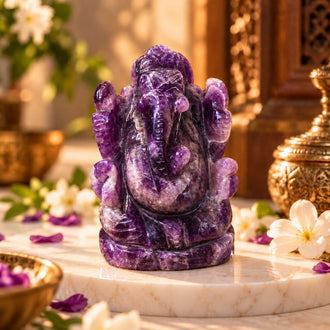
When you choose your idol, look closely at the trunk. A trunk turning to the left is called Vamavarti. This form is considered calmer and easier for householders to worship. The right-turning trunk, or Siddhivinayak, requires very strict rules and specific timings that are often difficult to maintain at home. Ensure the idol is made of shatika (clay) and not plaster of paris. Natural clay dissolves easily during the visarjan, signifying the return of the elements to nature. The height of the home idol should ideally be between 6 inches and 12 inches to keep the energy manageable within a domestic space. Check that the idol holds a modak, an ankush, and a pasha in His hands, as these symbols represent the control over worldly desires and the gift of sweet wisdom.
Benefits and Daan
Hosting Ganesha during the Bhadrapada Shukla Chaturthi brings peace to the household and reduces the ill effects of planetary doshas. Specifically, Ganesha worship is known to pacify the negative impacts of Rahu and Ketu in one's birth chart. Devotees who wear an 8 mukhi rudraksha during these ten days often find their concentration improves during meditation. Beyond the personal benefits, the tradition emphasizes the importance of charity. On the day of sthapana or the day of visarjan, donating certain items is highly recommended:
- Donate yellow grains like chana dal to a local temple priest to ensure food security in your own home.
- Offer new cotton clothes to those in need to signify the covering of the soul with new energy.
- Distribute modaks or sweets made of jaggery to children to share the joy of Gappa's arrival.
- Give dakshina (money) along with betel leaves and nuts to a learned brahmin who helps with the vidhi.
These acts of daan help in grounding the spiritual merits gained through the fast and the daily aarti.
Which direction should the Ganesh idol face after sthapana?
The placement of the Ganesh idol is a critical part of the sthapana process. The deity should ideally face the North direction, as this is the abode of Lord Shiva and the direction associated with spiritual growth. If North is not possible due to your home layout, the East direction is the best alternative. This allows the idol to be bathed in the first rays of the sun, which represents the soul and life energy. You must ensure that the back of the idol does not face another room; it should ideally face an outer wall of the house. Vastu Shastra suggests that the back of Ganesha represents poverty, while His front represents prosperity. Therefore, always keep the front of the idol facing the open space where the family gathers. Avoid placing the chowki under a beam or right next to a bathroom wall. If you are unsure about the specific degrees in your home, consult a qualified priest or a Vastu expert to confirm the spot before the 14 September 2026 muhurat begins. This ensures the energy flow remains positive and undisturbed throughout the festival.
Common Mistakes
- Using a broken or chipped idol is the most common error; always inspect the murti for fine cracks before the puja begins.
- Setting the sthapana during the Rahu Kaal period can lead to mental unrest, so always verify the shubh muhurat for your specific city.
- Placing the idol directly on the wooden floor without a cloth or a layer of rice is considered disrespectful to the deity.
- Forgetting to perform the visarjan sankalp at the end of the festival can leave the spiritual energy in a state of limbo.
- Using stale flowers from the previous day can reduce the purity of the daily shodashopachara offerings.
FAQ
How to perform ganpati sthapana kaise kare at home?
The question of ganpati sthapana kaise kare involves preparing a clean wooden chowki in the North East direction. You must place the idol on a bed of rice, perform the aavahan, and invoke the life force through the pran pratishtha mantras.
What is the simple ganesh puja vidhi at home for beginners?
The ganesh puja vidhi at home starts with deep-prajwalan followed by the Ganpati aavahan and offering 21 durva blades. You should then offer modaks, right pooja samagri, perform the aarti with a lamp, and conclude with the forgiveness mantra for any ritual errors.
Why is the pran pratishtha ganesh ritual necessary?
The pran pratishtha ganesh ritual is necessary because it invites the cosmic energy of the deity to reside in the physical clay idol. Without this step, the idol remains a decorative object rather than a living deity receiving your daily prayers.
When should we perform the ganpati aavahan in 2026?
You should perform the ganpati aavahan during the Madhyahna muhurat on 14 September 2026. This timing is traditionally the most powerful hour when the Chaturthi tithi and the solar position align to welcome the elephant headed Lord into the home.
What is the importance of the visarjan sankalp?
The visarjan sankalp is the formal vow where you promise to bring the deity back the following year. It marks the transition of the energy from the idol back into the water, signifying that the physical form is temporary while devotion remains.
Conclusion
Welcoming Lord Ganesha into your home is a moment of pure joy and spiritual renewal. By following the ganesh sthapana vidhi on 14 September 2026, you ensure that every ritual aligns with the Ganesha Purana. Remember to keep the atmosphere calm, use natural materials, and offer your prayers with a sincere heart. Whether you keep Bappa for one and a half days or the full ten days, the focus should remain on the quality of your devotion. For more details on the exact timings, check our Ganesh Chaturthi date and muhurat post. May the Vighnaharta bless your household with wisdom and prosperity.