Gupt Navratri Ashadha 2026: Mahavidya Sadhana Guide

Have you ever felt a deep calling to explore the hidden dimensions of spirituality and seek profound divine energies? Gupt Navratri Ashadha 2026 offers a unique and powerful opportunity for serious practitioners to delve into advanced tantric sadhanas, connecting with the powerful wisdom of the Mahavidyas. Unlike the more widely celebrated Vasant and Sharad Navratris, this period, often referred to as "secret Navratri," is reserved for intense spiritual practices aimed at achieving specific siddhis, spiritual enlightenment, and profound inner transformation. It's a time when the veil between the material and spiritual realms thins, allowing dedicated sadhaks to accelerate their journey towards liberation. This complete guide will unveil the dates, profound significance, specific sadhana vidhis, and powerful mantras for each of the Dasa Mahavidyas, empowering you to undertake these sacred observances with reverence and clarity, and bringing you closer to the cosmic feminine energy.
The Esoteric Significance of Ashadha Gupt Navratri
Ashadha Gupt Navratri holds immense spiritual weight in the Hindu calendar, particularly for those who walk the path of Tantra and advanced spiritual sadhana. Rooted in ancient scriptures like the Devi Bhagavata Purana and various Tantric texts, this period is considered highly auspicious for invoking the ten Mahavidyas—manifestations of the Divine Mother Durga, each representing a unique aspect of cosmic knowledge and power. The term "Gupt" (secret) signifies that these nine nights are traditionally observed by Tantrics, Yogis, and Sanyasis in seclusion, focusing on intense rituals and meditations to achieve spiritual elevation and boons that remain hidden from the common eye. The energies during this time are believed to be particularly potent, allowing practitioners to swiftly progress on their spiritual journey, overcome karmic obstacles, and attain specific spiritual powers. This profound period, often observed by revered saints and spiritual masters in sacred Dhams like Varanasi, is a time for deep inner transformation and drawing closer to the divine feminine energy, which governs all aspects of creation, preservation, and dissolution.
When is Gupt Navratri Ashadha 2026? Key Dates & Muhurat
Gupt Navratri in Ashadha 2026 commences in June, marking a profound period for spiritual aspirants. Understanding the precise dates and auspicious timings is crucial for planning your sadhana and ensuring alignment with cosmic energies. This table provides a detailed overview of the daily observances and the Mahavidyas associated with each day, guiding your spiritual practices through this potent nine-night period.
| Event | Date (2026) | Tithi | Muhurat Timings | Location |
|---|---|---|---|---|
| Gupt Navratri Begins (Ghatasthapana) | Saturday, June 20, 2026 | Ashadha Shukla Pratipada | Ghatasthapana Muhurat: 06:15 AM - 07:15 AM | Pan-India Significance |
| Day 2 | Sunday, June 21, 2026 | Ashadha Shukla Dwitiya | Sunrise to Sunset | Dedicated to Maa Tara |
| Day 3 | Monday, June 22, 2026 | Ashadha Shukla Tritiya | Sunrise to Sunset | Dedicated to Maa Tripura Sundari |
| Day 4 | Tuesday, June 23, 2026 | Ashadha Shukla Chaturthi | Sunrise to Sunset | Dedicated to Maa Bhuvaneshwari |
| Day 5 | Wednesday, June 24, 2026 | Ashadha Shukla Panchami | Sunrise to Sunset | Dedicated to Maa Chhinnamasta |
| Day 6 | Thursday, June 25, 2026 | Ashadha Shukla Shashthi | Sunrise to Sunset | Dedicated to Maa Tripura Bhairavi |
| Day 7 | Friday, June 26, 2026 | Ashadha Shukla Saptami | Sunrise to Sunset | Dedicated to Maa Dhumavati |
| Day 8 (Ashtami) | Saturday, June 27, 2026 | Ashadha Shukla Ashtami | Sunrise to Sunset | Dedicated to Maa Bagalamukhi |
| Day 9 (Navami) | Sunday, June 28, 2026 | Ashadha Shukla Navami | Sunrise to Sunset | Dedicated to Maa Matangi & Maa Kamala |
| Navratri Concludes (Dashami) | Monday, June 29, 2026 | Ashadha Shukla Dashami | Sunrise to Sunset | Purna Ahuti & Visarjan |
Deep Dive into the 10 Mahavidyas: Sadhana & Mantras
Gupt Navratri is primarily dedicated to the profound worship of the Dasa Mahavidyas, each a powerful form of the Divine Mother representing cosmic wisdom and specific energies. Engaging in mahavidya sadhana vidhi during this period can bring immense spiritual benefits, protection, and fulfillment of desires. Each day offers a unique opportunity to connect with a specific Mahavidya through specialized tantra practices, mantras, and offerings, guiding you towards spiritual liberation and material well-being. This intense focus allows practitioners to absorb the distinct energies of each Goddess, fostering deep personal growth.
Day 1: Maa Kali – The Destroyer of Ignorance
Maa Kali, the first of the Mahavidyas, represents the ultimate reality, time, and transformation. Her dark complexion symbolizes the ultimate void from which all creation arises and into which all will dissolve. Worshipping Kali Maa helps devotees conquer ego, fear, and ignorance, leading to spiritual liberation and protection from evil forces. Her fierce form is a reminder of the transient nature of material existence and the eternal power of the soul. Sadhana involves meditation on her fierce yet compassionate form and chanting her powerful mantra.
- Significance: Liberation, protection, destruction of negativity, removal of ego.
- Sadhana Vidhi: Offer hibiscus flowers, perform Niranjan (lamp ceremony), and meditate on her potent form in a quiet space.
- Mantra: Om Klim Kalikayai Namah
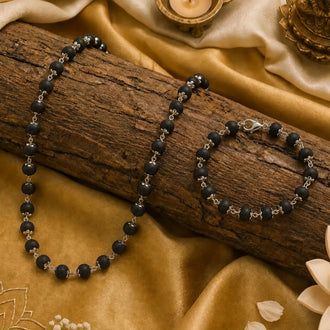
Spiritual Insight: Kali reminds us that transformation often requires confronting our deepest fears and embracing the cycles of life and death. Her grace empowers us to transcend limitations and achieve ultimate freedom. You can enhance your meditation with an Authentic Rudraksha Mala with Brass Damru & Trishul Pendant Blessed in Kashi, symbolizing Shiva's presence with Kali. For further understanding of divine protection, explore our blog on The Power of Rudraksha for Spiritual Shielding.
Day 2: Maa Tara – The Saviour and Guide
Maa Tara, depicted with a blue complexion, is the goddess who guides one across the ocean of worldly existence (samsara). She is the embodiment of compassion and a savior who protects her devotees from dangers and helps them achieve profound wisdom and eloquent speech. Her very name means "star," signifying her role in guiding seekers through darkness. Her sadhana is particularly beneficial for those seeking knowledge, clear communication, spiritual guidance, and rescue from difficult situations.
- Significance: Wisdom, eloquent speech, salvation, protection from adversities.
- Sadhana Vidhi: Offer white flowers, light camphor, and focus on her calming yet powerful form while chanting.
- Mantra: Om Hrim Strim Hum Phat
Spiritual Insight: Tara embodies the soothing wisdom that illuminates the path through life's complexities, offering hope and direction in challenging times. Her practice fosters clarity of thought and expression. For wisdom and inner peace, consider wearing an Original 10 Mukhi Rudraksha Certified Natural Beads, Blessed in Kashi. Dive deeper into the benefits of sacred beads by reading our post on Unlocking Wisdom with Specific Mukhi Rudrakshas.
Day 3: Maa Tripura Sundari (Shodashi) – The Embodiment of Beauty and Perfection
Tripura Sundari, also known as Shodashi, is the most beautiful among the Mahavidyas, representing perfection, divine bliss, and the ultimate feminine energy. She symbolizes the sixteen types of desires and the ability to fulfill them, radiating grace and charm. Her worship grants beauty, prosperity, profound knowledge, and spiritual realization, making the devotee attractive, powerful, and complete in all aspects. She is the presiding deity of the Sri Chakra, signifying cosmic harmony.
- Significance: Beauty, prosperity, spiritual realization, fulfillment of desires, inner harmony.
- Sadhana Vidhi: Offer red flowers, perform Shree Yantra puja, and meditate on her exquisite form, visualizing divine beauty.
- Mantra: Om Hrim Klim Shrim Shodashi Mahavidyayai Namah
Spiritual Insight: Tripura Sundari teaches us that true beauty lies in spiritual harmony, inner radiance, and the balanced manifestation of desires. Her worship helps manifest a life filled with grace and abundance. A Lakshmi Ganesha Pure Silver Coin can be offered to invoke prosperity and beauty. Discover more about the symbolism of abundance in our blog, Attracting Prosperity: Divine Symbols for Wealth.
Day 4: Maa Bhuvaneshwari – The Queen of the Universe
Maa Bhuvaneshwari is the mistress of the universe, who creates, sustains, and ultimately withdraws all existence. She represents space and the entire cosmos, holding everything within her expansive being. Her worship bestows sovereignty, protection, and the power to control situations, making one a master of their own destiny. Devotees gain inner strength, courage, and the ability to influence their surroundings positively, reflecting her cosmic dominion.
- Significance: Sovereignty, protection, control over situations, cosmic power, inner strength.
- Sadhana Vidhi: Offer yellow flowers, light incense, and visualize her as the expansive cosmos, holding all within.
- Mantra: Om Hrim Bhuvaneshwaryai Namah
Spiritual Insight: Bhuvaneshwari reminds us of our inherent connection to the vast universe and our innate power to shape our reality. Her sadhana expands consciousness and fosters a sense of cosmic belonging. The Original 7 Mukhi Rudraksha Certified Natural Bead of Goddess Lakshmi for Wealth & Prosperity can aid in attracting positive universal energies and establishing a powerful presence. Learn about invoking divine energies through our blog on Connecting with the Cosmic Mother through Daily Rituals.
Day 5: Maa Chhinnamasta – The Self-Decapitated Goddess
Chhinnamasta is a fierce manifestation, depicted holding her own severed head, from which three streams of blood flow, one into her mouth and two into the mouths of her attendants. This potent symbolism represents self-sacrifice, spiritual awakening through cutting off attachments, and the eternal cycle of creation and destruction. Her sadhana is for profound spiritual breakthroughs, overcoming ego, and achieving a state of complete detachment from worldly illusions, leading to ultimate liberation.
- Significance: Self-sacrifice, spiritual awakening, detachment, overcoming ego, profound liberation.
- Sadhana Vidhi: Meditate on detachment and the transient nature of the body, offer red jaggery, and chant her powerful mantra with intense focus.
- Mantra: Om Hrim Klim Aim Vajra Vairochaniye Hum Hum Phat Svaha
Spiritual Insight: Chhinnamasta embodies the ultimate act of self-transcendence, urging us to shed the ego and all attachments for a higher truth. Her path is transformative, requiring immense courage. For courage and discernment on this path, wear an Original 6 Mukhi Rudraksha Certified Natural Bead of Lord Kartikeya for Courage & Wisdom. Explore more on spiritual detachment and growth in our blog, The Path to Detachment in Spiritual Practice.
Day 6: Maa Tripura Bhairavi – The Terrific and Incandescent
Tripura Bhairavi represents the fierce and fiery aspect of the divine, symbolizing self-control, tapas (austerity), and the burning away of karmic impurities. She is often associated with the cremation grounds, signifying detachment from the material world and transcending death. Her worship grants strong will, protection from negative forces and black magic, and the ability to overcome adversaries and internal struggles, purifying the soul through intense spiritual heat.
- Significance: Self-control, austerity, protection, overcoming obstacles, purification of karma.
- Sadhana Vidhi: Perform Dhuni (sacred fire) puja, offer Guggul, and meditate on her intense, purifying energy to burn away negativity.
- Mantra: Om Hrim Bhairavi Kalrim Aim Hrim Svaha
Spiritual Insight: Bhairavi guides us through rigorous spiritual discipline, burning away obstacles, illusions, and negativity. Her energy is transformative and fiercely protective. A Original 5 Mukhi Rudraksha Mala 108+1 Beads, 4 mm, Daily Meditation, Blessed in Kashi can support intense sadhana and meditation. Read our blog on Overcoming Obstacles Through Divine Grace for more insights.
Day 7: Maa Dhumavati – The Widow Goddess of Solitude
Dhumavati is depicted as a widow, representing cosmic dissolution, poverty, and isolation. She embodies the "ugly" or inauspicious aspects of life, teaching us to find liberation in solitude and transcendence beyond dualities. Her appearance symbolizes the transient nature of all worldly phenomena and the emptiness that precedes new creation. Her sadhana is for those who seek to overcome sorrow, misfortune, and acquire siddhis related to occult knowledge, inner strength, and resilience in adversity.
- Significance: Overcoming sorrow, transcending misfortune, occult knowledge, liberation through solitude.
- Sadhana Vidhi: Worship in solitude, offer black sesame seeds, and meditate on her austere form, embracing life's impermanence.
- Mantra: Dhum Dhum Dhumavati Svaha
Spiritual Insight: Dhumavati teaches us to embrace the impermanence of existence, find profound wisdom in life's challenges, and discover inner resilience. Her path leads to profound inner strength and acceptance. A Authentic Rudraksha Mala with Brass Damru & Trishul Pendant Blessed in Kashi can offer solace and strength during her sadhana. For those seeking inner peace through introspection, our blog on Finding Solace in Spiritual Practice offers guidance.
Day 8: Maa Bagalamukhi – The Goddess Who Paralyzes Enemies
Bagalamukhi, the Pitambara Devi, is depicted holding a club that paralyzes demons. She is the goddess who arrests and paralyzes negative forces, enemies, and harmful speech, making her particularly powerful for protection. Her worship is highly potent for victory over adversaries, success in legal disputes, and for silencing gossip or malicious intent. She bestows victory, protection, and dominance over external and internal foes, ensuring justice prevails.
- Significance: Victory over enemies, protection from negativity, silencing opponents, success in disputes.
- Sadhana Vidhi: Offer turmeric, wear yellow clothing, and chant her mantra with fierce devotion and unwavering resolve.
- Mantra: Om Hlim Bagalamukhi Sarva Dushtanam Vacham Mukham Padam Stambhaya Jihvam Kilaya Buddhim Vinashaya Hlim Om Svaha
Spiritual Insight: Bagalamukhi embodies the power to neutralize negativity and ensure justice, transforming challenges into opportunities for growth. Her sadhana strengthens one's resolve and offers unparalleled protection. The 8 Mukhi Rudraksha Bead of Lord Ganesha is excellent for removing obstacles and ensuring victory. Learn more about divine protection in our article Divine Protection: Mantras and Remedies.
Day 9: Maa Matangi – The Goddess of Inner Harmony & Wisdom
Maa Matangi is the goddess of music, arts, knowledge, and eloquent speech. She is often associated with the wild, untamed aspects of nature and represents the power of the spoken word and inner harmony. Matangi is worshipped for gaining mastery over speech, artistic talent, deep knowledge, and the ability to attract others through charm, wisdom, and creative expression. She embodies the divine feminine's creative and expressive power.
- Significance: Wisdom, artistic talent, eloquent speech, inner harmony, attraction, creative expression.
- Sadhana Vidhi: Offer green bangles, play musical instruments, and meditate on her vibrant, creative energy, allowing inspiration to flow.
- Mantra: Om Hrim Aim Klim Hum Matangyai Phat Svaha
Spiritual Insight: Matangi inspires us to express our true selves through creativity and wisdom, fostering a harmonious inner and outer world. Her blessings enhance communication and artistic endeavors. A Original 5 Mukhi Rudraksha Mala 108+1 Beads, 4 mm, Daily Meditation, Blessed in Kashi can aid focus in artistic pursuits and spiritual chanting. Explore ways to enhance creativity in spirituality through our blog on Cultivating Creativity with Devotion.
Day 9: Maa Kamala – The Lotus Goddess of Wealth and Prosperity
Maa Kamala, the tenth Mahavidya, is identical to Goddess Lakshmi, embodying wealth, prosperity, fertility, and auspiciousness. She is depicted seated on a lotus, showered by elephants, symbolizing purity and abundance. Her worship brings abundance, good fortune, material well-being, and spiritual richness. She blesses devotees with all forms of prosperity, both worldly and spiritual, fostering a life of contentment and growth. Her presence radiates grace and fulfillment.
- Significance: Wealth, prosperity, good fortune, fertility, spiritual richness, contentment.
- Sadhana Vidhi: Offer pink lotus flowers, perform Shree Yantra puja, and chant her mantra with devotion, visualizing abundance.
- Mantra: Om Hrim Shrim Klim Kamale Kamale Pra Sid Pra Sid Shrim Hrim Om Mahalakshmyai Namah
Spiritual Insight: Kamala reminds us that true wealth includes not just material possessions but also spiritual abundance, inner contentment, and overall well-being. Her blessings bring holistic prosperity and harmony into one's life. Consider offering a Lakshmi Ganesha Pure Silver Coin during her sadhana to invite auspiciousness. For more on spiritual prosperity, read our blog on The Essence of Spiritual Wealth and Abundance.

Choosing Your Path: Which Sadhana is Right for You?
During Gupt Navratri, the intensity and specific focus of sadhana can vary greatly based on an individual's spiritual goals and readiness. This table helps clarify different approaches to Maha Vidya sadhana, assisting you in choosing the path that best aligns with your current spiritual journey and aspirations, ensuring a meaningful and effective practice during this potent period.
| Sadhana Approach | Focus | Intensity | Recommended For |
|---|---|---|---|
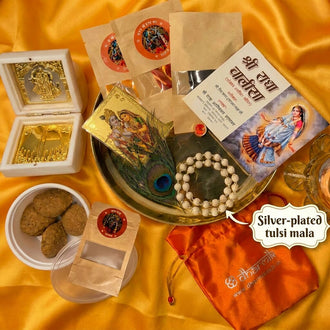
| Simple Devotional Worship | General reverence to Durga, chanting general Devi mantras, daily puja with simple offerings. | Low to Medium | Beginners, those seeking general blessings and peace, or individuals with limited time for intense rituals. Vaishno Devi Prasad Box |
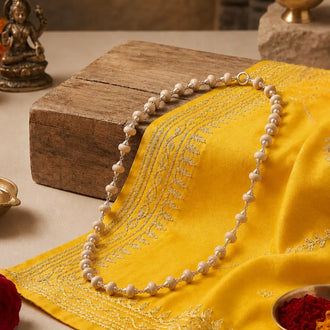
| Targeted Mahavidya Mantra Japa | Daily chanting of specific Mahavidya mantras (e.g., Kali, Tara) using a mala, focusing on a particular Goddess. | Medium | Practitioners with specific desires (e.g., courage, wisdom, protection) or those exploring specific deity energies more deeply. Tulsi Japa Mala with 108 Original Big Beads for Meditation. |
| Advanced Tantra Practices | In-depth rituals, yantra pujas, complex visualizations, specific offerings, and tantric initiations under a qualified Guru. | High | Experienced sadhaks seeking siddhis, profound spiritual liberation, or overcoming significant life challenges with intense focus. Premium and Authentic Rudraksha Mala & Panch Mukhi Rudraksha Bracelet Combo - Blessed in Kashi |
Practical Puja Preparation for Gupt Navratri Sadhana
Preparing your sacred space is paramount for effective Gupt Navratri sadhana. A clean, purified environment helps create the right energetic atmosphere for invoking the powerful Mahavidyas. Following these steps meticulously will ensure your mandir is a sanctuary conducive to deep spiritual practice and receiving divine blessings during these potent nine nights. This careful preparation aligns your external environment with your internal spiritual intention, amplifying the effects of your sadhana.
- Cleanse Your Mandir: Thoroughly clean and purify your puja altar and home. Use Ganga Jal or purified water to sprinkle around the space, inviting sacred vibrations. Ensure all puja items are spotless.
- Ghatasthapana Setup: On the first day, set up your Kalash (Ghatasthapana) with fresh water, mango leaves, coconut, and grains. Place it on a bed of mud containing saptadhanya (seven grains) to symbolize creation and abundance.
- Idol/Yantra Placement: Install the idol or yantra of the specific Mahavidya you intend to worship daily with reverence. You can use a beautiful Durga Mata (Matarani) 10gm Pure Silver Coin or a sacred picture to represent the Goddess.
- Essential Puja Samagri: Gather all necessary puja items: red flowers (especially hibiscus for Kali, lotus for Kamala), fresh incense sticks, ghee lamps, kumkum, chandan, fruits, sweets, and specific offerings for each Mahavidya as per their sadhana vidhi.
- Mala for Japa: Keep a clean and consecrated Japa Mala ready for chanting mantras. A Rudraksha mala or Tulsi mala is ideal for maintaining focus and counting repetitions. You can find authentic ones like the Tulsi Japa Mala with 108 Original Big Beads for Meditation.
- Maintain Purity: Observe strict celibacy, abstain from alcohol and non-vegetarian food, and maintain a calm, focused mind throughout the nine days. Practice silence (mauna) for periods if possible.
- Donate and Serve: Offer food or clothes to the needy, especially young girls (Kanya Puja), to gain the blessings of the Divine Mother. Acts of selfless service amplify the spiritual benefits of your sadhana.

The Spiritual & Emotional Layer of Gupt Navratri
Beyond the rituals and mantras, Gupt Navratri is a journey of profound spiritual and emotional depth. It's a time to introspect, to confront inner demons, and to purify the soul on a fundamental level. The intensity of Gupt Navratri tantra practices offers a unique opportunity for accelerated spiritual growth, fostering an unbreakable connection with the Divine Mother's raw and untamed power. Each Mahavidya's energy helps us understand different facets of life and existence, from fierce protection to profound wisdom, from material abundance to ultimate liberation. This sacred period allows us to integrate these cosmic energies into our very being, transforming our consciousness and emotional landscape. It's about opening oneself to the raw, untamed, and deeply nurturing power of the Goddess, finding courage to face inner shadows and emerging renewed. As you engage in these sadhanas, how does your heart resonate with the fierce love and boundless compassion of the Divine Mother, allowing her energy to reshape your inner world?
Bring Divine Energy Home with Dharmik
Enhance your Gupt Navratri sadhana with authentic, high-quality puja products from Dharmik. Our collection includes items specifically sourced and abhimantrit in Vrindavan, ensuring their spiritual potency and alignment with sacred traditions. From powerful Rudraksha malas to beautiful Devi idols and essential puja samagri, Dharmik provides everything you need for your spiritual journey, ensuring purity and authenticity. Explore our range of Original 5 Mukhi Rudraksha Mala (Nepali/Indian) 108+1 Beads, 6 mm, Spiritual Protection, Blessed in Kashi and the exquisite Durga Darbar - Gold Plated, perfect for establishing a strong divine presence in your mandir this Gupt Navratri. We offer free shipping on all orders, bringing the blessings directly to your doorstep with ease and trust.
Frequently Asked Questions
What is Gupt Navratri Ashadha 2026?
Gupt Navratri Ashadha 2026 is a nine-day Hindu festival dedicated to the Dasa Mahavidyas. It's for intense tantric sadhanas and esoteric spiritual practices, aimed at gaining specific boons and deep spiritual enlightenment.
When does Gupt Navratri Ashadha 2026 start?
Gupt Navratri Ashadha 2026 commences on Saturday, June 20, 2026. This date marks the Ashadha Shukla Pratipada, an auspicious day for Ghatasthapana and beginning the sacred nine-night Mahavidya observances.
What are the 10 Mahavidyas worshipped during Gupt Navratri?
The 10 Mahavidyas worshipped are Kali, Tara, Tripura Sundari, Bhuvaneshwari, Chhinnamasta, Tripura Bhairavi, Dhumavati, Bagalamukhi, Matangi, and Kamala. Each embodies a unique cosmic power and wisdom.
What is the significance of Gupt Navratri tantra practices?
Gupt Navratri tantra practices focus intensely on spiritual transformation and gaining siddhis. They connect practitioners with the Mahavidyas' esoteric energies, leading to accelerated spiritual growth, protection, and fulfillment of profound desires.
How can I prepare for Gupt Navratri sadhana?
Prepare by cleansing your puja space, setting up Ghatasthapana, gathering puja samagri like flowers and lamps, and consecrating your japa mala. Maintain purity and observe traditional fasts throughout the nine days.
Conclusion
Gupt Navratri Ashadha 2026 presents an unparalleled opportunity for deep spiritual immersion and advanced sadhana, focusing on the powerful Dasa Mahavidyas. By understanding the dates, significance, and specific practices for each Goddess, you can embark on a transformative journey of self-discovery and divine connection. This sacred period allows dedicated seekers to tap into immense cosmic energies, gain protection, wisdom, and liberation, and achieve profound spiritual fulfillment. Embrace the unique power of Gupt Navratri Ashadha 2026 to elevate your spiritual practice, purify your being, and draw closer to the boundless grace of the Divine Mother. For all your puja needs and authentic spiritual items that support your sacred journey, visit Dharmik's comprehensive collection.
By Dharmik