Guru Purnima 2026: Gifts, Mantras & Vrindavan Traditions

Celebrating Guru Purnima 2026: Ideas for Authentic Gifts and Dakshina
The monsoon season brings with it a special spiritual reverence, culminating in Guru Purnima. This sacred day, dedicated to expressing gratitude and devotion to spiritual teachers, holds deep significance for devotees. This year, Guru Purnima falls on July 29, 2026. It offers shishyas a chance to honor their gurus with sincere devotion and thoughtful Guru Purnima gifts 2026. This post will guide you through meaningful dakshina ideas, powerful mantras, and spiritual gifts to ensure your observance is truly special.
Quick Takeaways
- Guru Purnima 2026 is on July 29, a day to honor spiritual mentors.
- Offerings should reflect gratitude, respect, and a desire for spiritual growth.
- Consider spiritual items like malas or murtis as tokens of appreciation.
- Chanting specific prayers strengthens the bond with your beloved Guru.
Key Information: Guru Purnima 2026
| Event | Date | Tithi | Purnima Tithi | Significance |
|---|---|---|---|---|
| Guru Purnima 2026 | Wednesday, July 29, 2026 | Ashadha Shukla Purnima |
Begins: Tuesday, July 28, 2026 – 06:18 PM IST Ends: Wednesday, July 29, 2026 – 08:05 PM IST |
Honoring spiritual teachers (Gurus) and Maharishi Ved Vyasa; seeking wisdom, blessings, and spiritual growth. (Drik Panchang) |
Why This Matters: The Essence of Guru Purnima
Guru Purnima, observed on the full moon day (Purnima) of the Hindu month of Ashadha, is a day of immense spiritual importance. It is specifically dedicated to Maharshi Veda Vyasa, the ancient sage who compiled the Vedas, Puranas, and the Mahabharata. This day reminds us of the critical role gurus play in our lives, guiding us from the darkness of ignorance (gu) to the light of knowledge (ru), leading towards enlightenment. Across India, especially in sacred towns like Vrindavan, temples and ashrams celebrate with special pujas, satsangs, and discourses, honoring spiritual lineages that trace back centuries. The air is filled with devotion, as disciples reaffirm their commitment to the spiritual path shown by their teachers.
The significance of a guru is beautifully articulated in scripture, serving as a foundational concept in Sanatana Dharma. The Guru Gita 2.11 states, "Guruh Brahma Gurur Vishnu, Gurur Devo Maheshwaraha, Guruh Sakshat ParaBrahma, Tasmai Sri Gurave Namaha." This translates to "The Guru is Brahma, the Guru is Vishnu, the Guru is verily Lord Maheshwara (Shiva). The Guru is directly the Supreme Brahman, salutations to that Sri Guru." This verse underscores the Guru's role as an embodiment of divine principles and a direct link to the Absolute Truth. It highlights the Guru's guiding hand and serves as a reminder of their selfless service to humanity. Understanding this sacred connection helps devotees approach their Guru with ultimate respect and trust, knowing they are being led towards liberation.
Offering dakshina on this auspicious day is not merely a material exchange. It is a spiritual act of surrendering one's ego and expressing heartfelt gratitude. It symbolizes acknowledging the guru's selfless service and invaluable wisdom. This offering also supports the guru's mission and the upkeep of the ashram, ensuring the continuation of spiritual teachings for future generations. It is a gesture of humility and respect, signifying the disciple's readiness to receive further blessings and guidance. To learn more about the sacred timing of this period and other spiritual observances, explore our Ashadha Maas rituals guide.

The Main Guide to Guru Purnima Offerings & Rituals
On Guru Purnima, disciples express devotion through various forms of offerings and spiritual practices. The spiritual e-commerce brand Dharmik offers authentic items to help shishyas prepare for this special day. Please note, to ensure delivery before July 29, 2026, we recommend placing orders by July 15, 2026, due to potential shipping lead times from Vrindavan and other sacred locations.
Understanding Guru Dakshina
Guru dakshina is a traditional offering made by a shishya to their Guru as a token of gratitude and respect. It extends beyond monetary contributions to include service, time, and dedication. This offering represents the disciple's commitment to their spiritual path and an acknowledgement of the guru's blessings. Providing selfless service (seva) to the guru or their ashram is a highly cherished form of dakshina. This could involve assisting with daily chores, maintaining the ashram, or helping with spiritual events. The spirit of the offering is what truly counts, not its material value.
Guru Purnima Puja Vidhi: A Step-by-Step Guide
Performing a puja on Guru Purnima is a beautiful way to honor your spiritual teacher and seek their blessings. Here is a simple step-by-step guide:
- Preparation: Wake up early, bathe, and wear clean clothes. Purify your puja space. If you have a physical Guru, prepare to visit them. If not, set up an altar with a picture of your Guru, a deity, or a sacred symbol.
- Sankalpa (Intention): Light a lamp and incense. With folded hands, declare your intention to perform the Guru Purnima puja to honor your Guru and seek their grace.
- Invocation: Offer flowers, water, and a tilak to your Guru's picture or the deity. Recite the Guru Stotram or other Guru mantras with devotion.
- Chanting and Meditation: Sit in quiet contemplation. Chant Guru mantras or your personal mantra given by your Guru. Meditate on your Guru's form and teachings, seeking their guidance.
- Offerings (Dakshina): Present your dakshina – monetary offering, spiritual gift, or a commitment to service. Offer fruits, sweets, and flowers. A small, purified portion of Chandan blessed from Vrindavan is always a welcome offering.
- Aarti: Conclude the puja by performing an Aarti for your Guru or the deity, circulating a lamp clockwise.
- Pranam and Blessings: Bow down to your Guru or their image, touching their feet (Padukas) as a sign of respect and surrender. Seek their blessings for your spiritual journey and worldly well-being.
Powerful Guru Mantras for Chanting
Chanting mantras on Guru Purnima strengthens your connection with your guru and invites their blessings. Reciting these with devotion can deeply enhance your spiritual practice. Understanding the guru mantra meaning behind each chant elevates its power and effect. Many devotees use a mala for counting their chants, helping to maintain focus and spiritual rhythm.
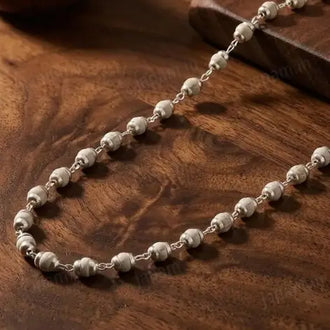
- Om Sri Guru Paramatmane Namah: This powerful mantra invokes the supreme self in the form of the Guru, recognizing them as a divine guide. It translates to "Salutations to the Supreme Soul, who is the Guru." Chanting this mantra 108 times, ideally with an authentic Tulsi Japa Mala, can purify the mind and deepen your spiritual connection.
- Om Gam Gurubhyo Namah: A concise yet potent mantra dedicated to the Guru. It means "Salutations to the Guru." This short guru mantra is often used for quick remembrance and seeking immediate blessings from your spiritual teacher throughout the day. Its simplicity makes it ideal for regular practice.
- Guru Brahma Guru Vishnu Guru Devo Maheshwara: This foundational mantra, mentioned earlier, establishes the Guru's divinity, seeing them as the trinity of creation, sustenance, and dissolution. It is an acknowledgment of the Guru's guiding hand and their role in leading the disciple through all stages of life.
- Om Gyanam Gyanamayi Guru Purnima Namah: This mantra focuses on the Guru as the embodiment of knowledge and the essence of Guru Purnima itself. It signifies reverence for the Guru as the source of all wisdom and light, particularly on this auspicious day.
Thoughtful Spiritual Gifts
Beyond traditional dakshina, a well-chosen spiritual gift can convey your reverence and support your guru's spiritual journey. Consider items that support a guru's spiritual practice, aid their meditation, or provide comfort. These gifts often carry lasting spiritual significance, especially if sourced from sacred places and blessed by priests.
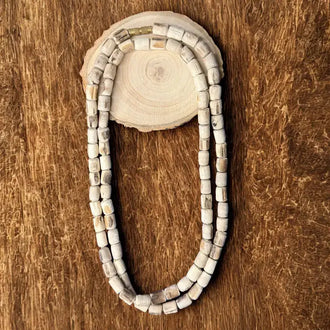
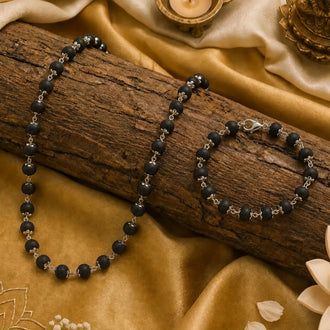
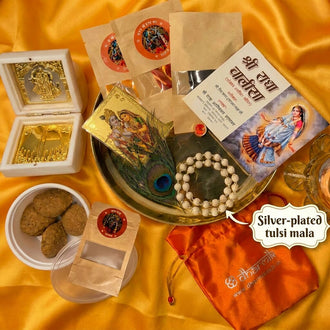
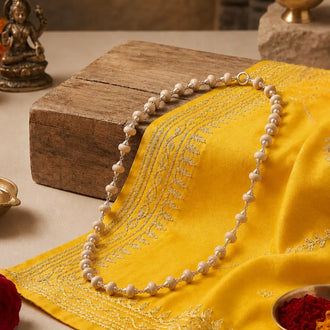
- Malas: An authentic Original 5 Mukhi Rudraksha Mala or an authentic Tulsi Japa Mala is an excellent choice. These malas are used for japa meditation and can be blessed in Kashi or Vrindavan, adding to their spiritual potency. They assist in counting mantras and focusing the mind.
- Deity Murtis: A small, finely crafted Gold-Plated Lord Krishna Idol or another deity idol serves as a beautiful addition to a guru's altar. These idols, often abhimantrit in Vrindavan, bring divine energy and aesthetic beauty to the sacred space.
- Sacred Texts & Art: Spiritual books, beautifully illustrated scriptures (like a Bhagavad Gita or Srimad Bhagavatam), or devotional artwork can be cherished gifts that aid in study and contemplation. These items support a guru's continuous learning and teaching.
- Chandan and Angavastram: Pure Chandan paste, essential for tilak and pujas, is a classic offering symbolizing purity and peace. A fresh Angavastram, a traditional upper garment, is also a respectful and practical gift for a guru, representing honor and dignity.
- Padukas: Offering symbolic Padukas, the Guru's sandals or representations of their feet, represents deep reverence for their feet, which are considered the source of their blessings and spiritual energy. This gesture signifies complete surrender and humility.

Checklist for Honoring Your Guru on Guru Purnima
Preparing for Guru Purnima involves more than just selecting a gift. It requires thoughtful consideration of how best to express your devotion. Here are key aspects to consider to make your observance truly meaningful:
- Purity of Intent: Ensure your offering stems from genuine love, gratitude, and respect, free from any expectation of personal gain or return blessings. The sincerity of your heart is the most important offering.
- Timeliness: Present your dakshina or gifts on Guru Purnima itself, Wednesday, July 29, 2026, or at the earliest appropriate moment if a direct meeting on the day is not possible. Promptness reflects your eagerness and devotion.
- Personalized Touch: Whenever possible, tailor your gift to your guru's known preferences, needs, or their ashram's requirements. This shows you truly know and respect them, moving beyond generic offerings.
- Service (Seva): Offer your time and effort in the guru's service, whether by assisting at an ashram, helping with their spiritual work, or supporting their mission. This selfless action is often considered the highest form of dakshina, symbolizing dedication.
- Symbolic Offerings: Even if your guru does not accept material possessions, a Lakshmi Ganesha Pure Silver Coin can be offered symbolically. This can then be donated to a charitable cause in their name, or used to support the ashram's initiatives.
- Chanting and Meditation: Dedicate your japa or meditation practice on this day specifically to your guru's well-being, longevity, and continued blessings. This creates a powerful energetic connection.
- Spiritual Growth: Commit to deepening your own spiritual practice, overcoming inner obstacles, and living by your guru's teachings. This is a living offering, demonstrating the impact of their guidance in your life.
- Sharing Wisdom: If appropriate, share the spiritual wisdom you have gained from your guru with others, helping to spread the message of dharma. This amplifies the guru's teachings and creates positive karma.
What guru dakshina is appropriate if my guru refuses material gifts?
If your guru declines material gifts, this indicates their detachment and emphasis on spiritual growth over worldly possessions. In such cases, the most appropriate guru dakshina is to deepen your spiritual practice and strive to embody their teachings. You can offer your sincere dedication through enhanced meditation, regular chanting of a guru mantra, or disciplined study of scriptures. Performing selfless service (seva) in their mission, or contributing to a cause they support, can also be a significant offering. Your dedication to your own inner transformation is often the most cherished gift a guru can receive, reflecting the true success of their guidance. It demonstrates that their teachings have taken root and are bearing fruit in your life. For further insights on enhancing your spiritual routine, consider exploring our Ashadha Maas rituals guide, which offers guidance on daily observances.
Moreover, committing to personal transformation and overcoming your own inner obstacles aligns with the true spirit of a guru's guidance. Living a life of dharma, cultivating compassion, and extending kindness to all beings are direct ways to honor your guru's teachings. Always consult with your guru or a senior devotee to understand their specific expectations and the traditions of their lineage, ensuring your offerings are always in harmony with their wishes. Your inner progress and virtuous living are often considered the most precious forms of dakshina.
Common Mistakes to Avoid on Guru Purnima
To ensure your Guru Purnima observance is authentic and respectful, be mindful of these common pitfalls:
- Offering gifts with an expectation of personal gain: True dakshina is selfless. Expecting blessings or favors in return diminishes the purity of your offering and violates the spirit of devotion.
- Delaying your Guru Purnima offerings: Guru Purnima falls on July 29, 2026. Make an effort to present your offerings on this auspicious day, or as close to it as possible. Procrastination can lessen the spiritual impact.
- Choosing unauthentic or impure gifts: Ensure any spiritual items, like malas or idols, are genuine and sourced from reputable places. Offering items of poor quality or questionable origin is disrespectful.
- Forgetting humble salutations and pranam: When presenting dakshina or gifts, approach your Guru with humility, bow down, and touch their feet (or offer respects symbolically). This act of reverence is an integral part of the tradition.
- Prioritizing only monetary offerings: While monetary dakshina is important, neglecting selfless service (seva) or a commitment to spiritual growth misses the broader significance of Guru Purnima. A balanced approach is ideal.
- Neglecting personal purity: Approaching the day without cleansing oneself physically and mentally, or with a distracted mind, can hinder the reception of blessings. Ensure you are in a sattvic state.
- Disrespecting the Guru's teachings: The greatest mistake is to offer external gifts while disregarding the core teachings and principles imparted by your Guru. Strive to live by their wisdom.
What are traditional guru purnima gifts?
Traditional Guru Purnima gifts include items that support a guru's spiritual life, such as sacred texts, prayer beads like Tulsi malas or Rudraksha malas, pure Chandan, and traditional garments like Angavastram. Monetary dakshina, given with reverence, is also a traditional offering of gratitude, symbolizing the disciple's surrender and thanks.
What are some meaningful guru dakshina ideas?
Meaningful guru dakshina ideas extend beyond material offerings to include selfless service to the guru or ashram, dedicating one's spiritual progress, or committing to personal growth. Offering one's time and effort in a guru's mission, such as helping with administrative tasks or maintaining the ashram, is often considered the most meaningful form of dakshina.
Can you explain the guru mantra meaning?
The guru mantra meaning emphasizes the Guru's supreme divinity, often equating the Guru with Brahma, Vishnu, and Shiva, and ultimately with the Supreme Brahman itself. Chanting a guru mantra acknowledges the Guru as the source of knowledge and spiritual liberation, seeking their divine blessings and expressing deep veneration for their role as a spiritual guide.
What is the significance of chanting a Guru Purnima mantra?
The significance of chanting a Guru Purnima mantra is to reinforce the spiritual connection with your guru, express devotion, and invite their blessings for your spiritual journey. It purifies the mind, helps the disciple absorb the guru's wisdom and grace on this sacred day, and fosters an inner alignment with the Guru's divine energy.
When should Guru Purnima gifts be offered in 2026?
Guru Purnima gifts should be offered on the auspicious day of Guru Purnima, which falls on Wednesday, July 29, 2026. If a personal meeting is not possible on this exact date, offerings can be made during the Purnima tithi (which ends on the evening of July 29) or at the earliest convenient opportunity, always with sincere intention and respect.
Conclusion
Guru Purnima 2026 on July 29 is a sacred opportunity for all shishyas to honor their spiritual guides with sincere devotion. Whether through traditional guru dakshina, chanting potent guru mantras, performing heartfelt puja, or offering thoughtful Guru Purnima gifts, the essence lies in heartfelt gratitude and dedication. As you prepare, consider an authentic Tulsi Japa Mala from Dharmik to enrich your spiritual practice and connection with your Guru. May your reverence bring immense blessings and deepen your spiritual journey. Explore more about auspicious timings and spiritual practices in our Ashadha Maas guide.
By: Ipshita Gawande