Effective Home Mandir Setup for Diwali 2026

Effective Home Mandir Setup for Diwali 2026
By Dharmik, Devotional Content Lead. Last updated: 24 October 2026
Families in Vrindavan begin their annual deep cleaning exactly one month before the festival of lights. Your home mandir setup diwali requires more than just a quick dusting of the shelves. This guide provides the exact steps to transform your puja space for 8 November 2026. You will learn how to arrange your deities, clean sacred brass, and handle old items according to tradition.
Quick Takeaways
- Place your temple in the North East corner to invite positive energy during the Amavasya tithi.
- Clean every brass idol using natural agents like pitambari or lemon juice before the puja starts.
- Use a wooden chowki or a raised platform to ensure the idols sit above the floor.
- Replace any chipped or broken items before the Pradosh kaal muhurat on 8 November.
| Detail | Information |
|---|---|
| Festival Date | 8 November 2026 (Sunday) |
| Tithi Window | Kartika Amavasya |
| Primary Muhurat | Pradosh kaal Lakshmi puja |
| Best Placement | Ishaan Kon (North East) |
Why This Matters
The home temple is the spiritual lungs of a household, circulating peace and focus throughout the rooms. During Diwali, we invite Lakshmi Mata to reside with us, making the purity of the mandir a priority. A clean and correctly oriented space allows the family to focus on the mantra jap without distraction. The Padma Purana, Uttara Khanda states that cleaning the place of worship brings the same merit as visiting a holy pilgrimage site. When we clear the physical clutter, we also clear the mental fog that prevents us from connecting with the divine. In Kashi, devotees spend days ensuring their personal altars are ready for the Sthir Lagna, the fixed period where we pray for lasting prosperity. Following these traditional steps ensures that your environment matches your internal devotion. A well ordered space reduces the anxiety of the festival rush. You can find more details on the items required for the main ritual in our Diwali puja samagri list which covers everything from incense to honey.
What You'll Need
This list identifies the necessary items to renew your sacred space before the festival begins.
The essentials
- New Vastra: fresh silk or cotton clothes to dress the deities.
- Brass Diya: a sturdy lamp for the main akhand jyoti. brass tortoise diya
- Gangajal: for the purification of the mandir and all idols.
- Ashtagandha Chandan: to apply tilaks on the foreheads of the murti.
- Lord Krishna Idol: a central deity for many Braj households. gold plated krishna idol
If you are doing the full vidhi
- Ram Darbar: to represent the ideal family and kingdom. divine ram darbar
- Silver Flute: a special offering for the Bal Gopal or Krishna murti. silver plated bansuri
- Peacock Diya: for decorative lighting on the sides of the mandir. brass peacock diya
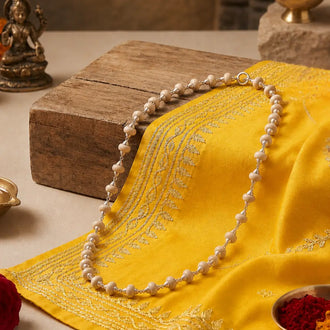
- Yellow Cloth: to cover the base of the wooden chowki.
Explore our full range of home mandir essentials to complete your preparations.
The Main Guide to Home Mandir Setup Diwali
Choosing the Vastu Direction
The most important rule for your home mandir setup diwali is the placement in the Ishaan Kon. This is the North East direction of your house. If your current mandir is in the South, Diwali is the perfect time to relocate it. Vastu principles suggest that the person praying should face East or North. Ensure the temple is not sharing a wall with a bathroom. Avoid placing the mandir under a staircase, as this creates a heavy energy that disrupts meditation. The height of the temple should be at a level where the feet of the idols are at the same level as the chest of the devotee when sitting down. This ensures you are looking up at the divine with humility rather than looking down.

The 5-Step Cleaning Process
Cleaning begins with the removal of all items from the temple. Start by spraying Gangajal on a clean microfibre cloth to wipe down the inner walls of the mandir. Avoid using harsh chemical sprays near the deities. For brass idols, use a paste of tamarind or lemon mixed with salt to remove the dark oxidation. Rinse them in warm water and dry them immediately to prevent water spots. Wash the decorative curtains and the base cloth in a bucket of water mixed with a few drops of rose water. Finally, discard old dried flowers and matchsticks from the drawers. A clean physical environment is the first step toward a focused mind during the Pradosh kaal puja.
Arranging the Deities
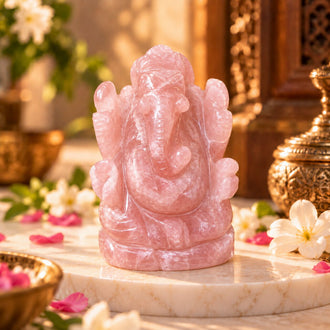
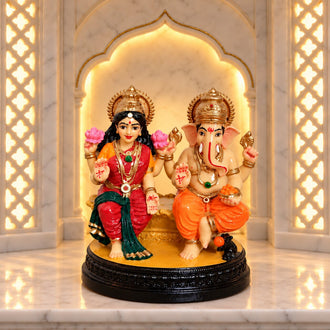
Arrange the idols from left to right according to the traditional hierarchy used in Braj and North India. Ganesha always sits on the extreme left or in the centre when worshipped with Lakshmi. Ensure there is at least one inch of space between each idol to allow for proper cleaning and air circulation. If you have a divine ram darbar, it should be placed on a slightly higher platform than the other smaller idols. Do not place two idols of the same deity facing each other. This creates a conflict of energy. Use a fresh red or yellow silk cloth as the base. Yellow is often preferred for Krishna and Vishnu, while red is used for Devi and Ganesha.
Checklist for a Complete Mandir
- Place a small Kalash filled with water in the North East corner of the mandir shelf.
- Ensure your incense holder is on the right side of the deities.
- Check that your main diya is placed in the South East or East direction of the temple.
- Remove any photographs of ancestors from the main puja ghar to a separate wall.
- Keep a small bell (ghanti) available for the aarti.
- Organize your wick cotton and oil in a separate box inside the mandir drawer.
- Donate any old, unused puja vessels to a local temple or a needy person.

How to Correctly Replace Old Items
Many devotees feel a sense of guilt when they need to replace an old or broken idol. It is important to remember that a "khandit" or damaged idol should not be kept in the home mandir. To remove an old item, first perform a small prayer of gratitude for its presence in your home. Sprinkle Gangajal on the object. The most respectful way to dispose of old idols or pictures is through visarjan. You can immerse them in a clean flowing river or a designated pond. If a water body is not accessible, bury the item in clean soil in your garden or under a sacred tree like Peepal or Neem. Never throw sacred items in the trash. Once the space is empty, you can install the new murti or yantra after washing it with milk and water. This process ensures the continuity of your devotion without the burden of damaged energy in your sacred space. Consult a priest if you are moving a large stone idol that has been worshipped for decades.
Common Mistakes to Avoid
- Never keep the mandir in a bedroom unless there is no other option. If you must, use a curtain to cover it at night.
- Avoid using leather accessories or plastic flowers as they lack the natural purity required for Diwali.
- Do not place the idols directly on the floor: always use a chowki or a thick cloth.
- Avoid overcrowding the mandir with too many idols: keep only the ones you worship daily.
- Never leave a lit diya unattended or close to flammable curtains during the festival.
FAQ
Where should I place my home mandir for Diwali?
You should place your home mandir in the North East corner of your house, also known as the Ishaan Kon. This direction is considered the most auspicious for inviting spiritual growth and prosperity during the festival celebrations.
Can I clean my idols on the day of Diwali?
You should ideally clean your idols one or two days before Diwali. Completing the cleaning early ensures that you are ready for the specific Lakshmi puja muhurat on 8 November 2026 without feeling rushed or distracted by chores.
What should I do with the old base cloth of the mandir?
The old base cloth should be washed and reused for other non-sacred purposes or buried in soil if it is torn. If the cloth is still in good condition, you can donate it after a thorough wash to remove old oil stains.
Which direction should the idols face in the mandir?
The idols should ideally face West so that the devotee faces East while praying. If that is not possible, the idols can face South so the devotee faces North, which is also considered beneficial for gaining knowledge and wealth.
How do I handle a chipped Ganesha idol before the puja?
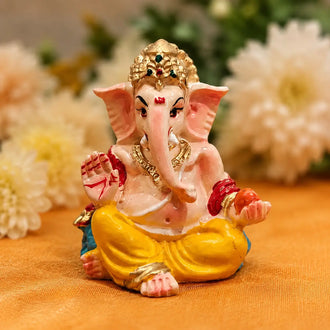
A chipped Ganesha idol is considered khandit and should be replaced before the Diwali puja begins. You should perform a respectful visarjan for the old idol and install a fresh one to ensure the flow of positive energy.
Conclusion
A thoughtful home mandir setup diwali ensures that your family can focus on the spiritual essence of the festival. By following Vastu rules and maintaining a clean environment, you create a space that feels like a mini temple within your home. Remember to complete your cleaning and arrangement before the sunset on 8 November 2026. This allows you to participate in the Lakshmi puja with a calm and joyful heart. For more advice on where to light your lamps, see our Diwali diya guide for every room. May your home mandir setup diwali bring peace and clarity to your entire household this year.