Jyeshtha Amavasya 2026: Pitru Tarpan, Daan & Spiritual Guide

Have you ever felt a profound, unexplainable connection to your ancestors, a subtle tug at your soul wishing to express gratitude for the life they gave you? In the vast and ancient tapestry of Sanatan Dharma, the spiritual tradition of honoring departed souls holds a place of immense sanctity and cosmic importance. Each year, Jyeshtha Amavasya 2026 emerges as a uniquely potent opportunity for every seeker to perform sacred rituals aimed at providing peace to their lineage. This auspicious day, the new moon night occurring in the Hindu month of Jyeshtha, is traditionally dedicated to deep spiritual rites like Pitru Tarpan and Daan. These acts are not merely symbolic; they are believed to clear karmic debts and bring lasting harmony, health, and prosperity to one’s family. In this comprehensive guide, we will delve into the precise jyeshtha amavasya date, the intricate steps of pitru tarpan vidhi, the profound amavasya daan benefits, and the spiritual essence that makes this day a cornerstone of Vedic life. By observing this day with sincerity, you invite the protective shield of your forefathers over your home. Join us as we explore how to respectfully observe this significant day and bridge the gap between the physical and ancestral realms with devotion and grace.
The Sacred Essence of Amavasya and Ancestral Connection
Amavasya, the night of the new moon, is often misunderstood as a time of darkness, yet in the Vedic tradition, it is a period of immense energetic potential. It is a day for introspection, silence, and the performance of "Nitya Karma" that connects us to our roots. Among the twelve Amavasyas in a year, Jyeshtha Amavasya is particularly revered because it falls during the peak of summer, a time when the sun is at its most intense. This environmental intensity mirrors the spiritual intensity required to cleanse one's lineage. This day is traditionally associated with the descent of the Pitrus (ancestors) to the earthly plane, where they await offerings from their descendants. The sanctity of this day is deeply rooted in ancient scriptures like the Garuda Purana and the Skanda Purana, which explain that offerings made on this day reach the ancestors directly, satisfying their thirst and hunger in the subtle dimensions. By performing rituals on Jyeshtha Amavasya 2026, a devotee acknowledges the biological and spiritual debt owed to the previous generations. It is a day of remembrance, where the veil between the worlds is thin, allowing for a flow of divine grace. Beyond ancestral rites, this day is also celebrated as Shani Jayanti, the birth anniversary of Lord Shani, making it a dual opportunity for spiritual growth and karmic correction. Linking your practice to a sacred Dham, such as Vrindavan or Kashi, enhances the vibrations of your prayers, ensuring that your gratitude resonates through the cosmos. This connection to the ancestors is not just about the past; it is about securing the future of the lineage through the power of "Pitru Ashirwad" or ancestral blessings.
When is Jyeshtha Amavasya 2026?
Understanding the precise timings for Jyeshtha Amavasya 2026 is crucial for those who wish to perform rituals at the most astrologically potent moments. The Tithi or lunar day determines the flow of energy, and performing Tarpan during the correct Muhurat ensures that the offerings are received by the Pitrus. For 2026, the timings are as follows:
| Event | Details |
|---|---|
| Jyeshtha Amavasya Date | Saturday, June 13, 2026 |
| Amavasya Tithi Begins | 01:05 AM on June 13, 2026 |
| Amavasya Tithi Ends | 03:22 AM on June 14, 2026 |
| Muhurat for Pitru Tarpan | Between sunrise and 12:40 PM on June 13 |
| Special Significance | Coincides with Shani Jayanti (Shanishchari Amavasya) |
The Multi-Faceted Significance of Jyeshtha Amavasya 2026
Jyeshtha Amavasya is a day that carries a heavy weight of spiritual responsibility and opportunity. It is not simply a date for routine prayers but a cosmic window for ancestral liberation. In the heat of the Jyeshtha month, providing water and cool offerings to the ancestors is considered the highest form of service. This act is believed to soothe the souls of the departed who may be trapped in the "Bhuva Loka" or the intermediate realm. When we perform these rituals, we are essentially performing a "cleansing" of our DNA, removing the spiritual blockages that manifest as Pitru Dosha in our horoscopes. Pitru Dosha can lead to obstacles in marriage, career, and progeny; hence, Jyeshtha Amavasya is the primary day to seek a remedy for these issues.
The Spiritual Benefits of Observation:
- Lineage Protection: Sincere offerings create a protective aura around the family, shielding members from sudden calamities and health issues.
- Karmic Alleviation: The day is ideal for neutralizing the effects of past negative actions through the power of Daan and Tarpan.
- Mental Clarity: Connecting with the ancestors brings a sense of grounding and belonging, which reduces anxiety and mental unrest.
- Abundance and Prosperity: It is said that when the ancestors are satisfied, Goddess Lakshmi naturally resides in that household, bringing material wealth.
- Shani Dev’s Grace: Since this day is also Shani Jayanti, worshipping the lord of Karma helps in reducing the malefic effects of Shani Sade Sati and Dhaiya.
Vrindavan Tradition: In the holy land of Vrindavan, devotees often visit the banks of the Yamuna to offer water to the ancestors while chanting the names of Krishna. It is believed that any offering made in the presence of the Yamuna -the sister of Yamaraj- immediately reaches the ancestors and grants them peace. To bring this energy into your own home, lighting Incense Cups - Purity, Blessings & Peace during your morning prayers can help establish a sanctified atmosphere for your rituals. You may also read more about the power of sacred scents in our blog post on the Benefits of Spiritual Aromatherapy.

Pitru Tarpan Vidhi: A Step-by-Step Guide for 2026
Pitru Tarpan is the act of satisfying the ancestors with water mixed with black sesame seeds. On Jyeshtha Amavasya 2026, this ritual takes on a special significance due to the intense summer heat. The act of offering water symbolizes the relief and refreshment we provide to the souls of our forefathers. This Pitru Tarpan Vidhi should be performed with a focused mind and a heart full of gratitude. It is traditionally performed while facing the South direction, which is the direction of the Pitru Loka. The use of "Kusha" grass and black sesame seeds is mandatory as they are considered sacred conductors of spiritual energy. Even if one cannot perform a full Shraddha ceremony, a simple Tarpan with water can yield immense results. The process is a beautiful way to acknowledge that we are part of a continuous stream of life, and our actions today affect those who came before us and those who will follow.
Detailed Steps for Performing Tarpan:
- Preparation: Wake up during Brahma Muhurat, bathe in a sacred river or add a few drops of Braj Raj - Blessed from Vrindavan to your bath water to purify your physical form.
- Dress Code: Wear clean, white, unstitched clothes like a dhoti. Avoid wearing black or dark colors during ancestral rites.
- The Setup: Sit on a Kusha mat facing South. Place a copper vessel filled with water in front of you.
- Invocation: Hold water, black sesame seeds, and a few petals of white flowers in your palms. Invoke your ancestors by chanting: "Om Agacha-antu Me Pitara Emam Grith-nantu Jala-anjalim" (O Ancestors, please come and accept this water offering).
- The Offering: Pour the water through the space between your thumb and index finger (the Pitru Tirtha) into a separate basin. Repeat this three times for your father, grandfather, and great-grandfather, and similarly for the maternal lineage.
- The Mantra: While pouring, say "Trup-yatam, Trup-yatam, Trup-yatam" (May you be satisfied).
- Final Prayer: Offer your prostrations to the South and ask for forgiveness for any mistakes made during the year.
- Food Offering: After Tarpan, keep a portion of food (Pancha-Bali) for a crow, a cow, a dog, an ant, and a Brahmin. The crow is specifically believed to represent the soul of the ancestor.
Spiritual Insight: The science behind Tarpan lies in the intention. Water is a carrier of memory and vibration. When you infuse water with the intention of peace and offer it through the thumb, you are sending a targeted energetic pulse to the ancestral realm. To maintain this connection throughout the day, many devotees wear an Original 5 Mukhi Rudraksha Mala, which helps in keeping the mind stable and grounded.
Amavasya Daan Benefits: Accumulating Spiritual Wealth
Daan, or selfless charity, is the most recommended spiritual practice for the Kali Yuga. On Jyeshtha Amavasya, the power of Daan is amplified a thousandfold. The logic is simple: by letting go of material possessions in the name of the ancestors, we break our own attachments and generate "Punya" (merit) that can be transferred to the souls of the departed to help them progress in their journey. Amavasya Daan benefits are not just limited to the spiritual; they often manifest as the removal of worldly obstacles, such as financial debt or legal troubles. Giving to the needy on this day is akin to serving the Divine directly. Because Jyeshtha is a month of extreme heat, donating items that provide relief from the sun such as umbrellas, fans, earthen pots (matkas), and water is considered exceptionally meritorious. This is also a primary day for "Anna Daan" (food donation), which is said to be the highest of all charities because it provides immediate satisfaction to a living being.
Essential Items for Daan on Jyeshtha Amavasya:
- Water and Earthen Pots: Essential for the Jyeshtha month to provide cooling relief.
- Black Sesame Seeds: Symbolizes the removal of negative karma and is the favorite of Lord Shani.
- White Clothes: Donating white dhotis or towels to Brahmins helps in seeking the blessings of the moon and the ancestors.
- Silver Articles: Silver is the metal of the Moon and ancestors. A Lakshmi Ganesha Pure Silver Coin given as Daan can invite immense prosperity.
- Seasonal Fruits: Donating mangoes or melons provides sweetness and hydration to the recipient.
- Ghee and Black Gram: Specifically used to please Lord Shani and reduce Shani Dosha.
Vrindavan Tradition: In Braj, Jyeshtha Amavasya involves the "Bhandara" where thousands are fed "Kadi-Chawal" and "Lassi." This tradition ensures that no soul, physical or subtle, goes hungry on this sacred day. For those performing Daan at home, offering a Pure Silver Hanuman Coin to a local temple or a priest is a powerful way to seek protection and strength for your family. You can learn more about the rituals of Braj in our article on Vrindavan Parikrama and its Merits.

Which Offering is Right for Your Ancestors?
Choosing the correct medium for your devotion is essential. Use this comparison to decide which sacred item best suits your needs for Jyeshtha Amavasya 2026.
| Spiritual Tool | Core Purpose | Connection Type | Recommended Item |
|---|---|---|---|
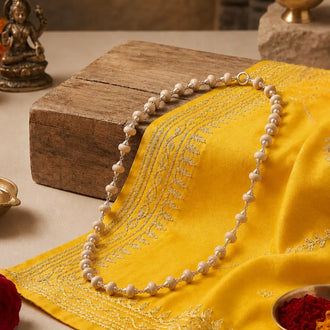
| Tulsi Japa Mala | Chanting for peace and Vishnu's grace. | Divine Connection | Tulsi Japa Mala with 108 Original Big Beads |
| Rudraksha Mala | Remedy for Shani Dosha and protection. | Karmic Shield | Original 5 Mukhi Rudraksha Mala, Blessed in Kashi |
| Pure Silver Coins | High-value Daan for prosperity. | Material & Ancestral | Lakshmi Ganesha Pure Silver Coin |
| Puja Kits | Complete set for home rituals. | Devotional Ease | Monthly Vrindavan Puja Kit |
Preparing Your Mandir for Jyeshtha Amavasya Puja
Preparation is the foundation of any successful spiritual endeavor. On the morning of Jyeshtha Amavasya, your home should vibrate with the frequency of purity and devotion. This preparation involves more than just physical cleaning; it is about creating a "Sattvic" environment where the subtle energies of the ancestors can be received with respect. The mandir is the heart of the home, and on this day, it acts as the gateway for ancestral blessings. By following these steps, you ensure that your home becomes a sanctuary of peace.
How to Prepare:
- Deep Cleaning: Clean the puja room thoroughly. Use a mixture of water and Chandan - Blessed from Vrindavan to wipe down the altar.
- Ganga Jal Prokshanam: Sprinkle holy water throughout the house to remove stagnant energy.
- Lighting the Diya: Light a mustard oil lamp (Sarson ka tel) to honor Lord Shani and a Ghee lamp for the ancestors.
- Offerings: Place a fresh glass of water and a bowl of black sesame seeds on the South side of the altar.
- Aromatherapy: Use traditional scents like Guggul or Loban to purify the air.
- Ancestral Photos: If you have photos of your ancestors, clean them and place a fresh garland of white flowers on them. Ensure they are placed on the South wall.
Spiritual Insight: A clean and fragrant mandir invites higher beings. When the space is physically clean, the mind naturally becomes still, allowing you to pray with more depth. If you are looking for a complete solution for your monthly rituals, consider the Monthly Vrindavan Puja Kit, which provides all the essentials blessed in the holy Dham.
The Emotional Layer: Honoring the Roots of Your Existence
Beyond the technicality of rituals, Jyeshtha Amavasya is a day for emotional healing. We often carry ancestral baggage-patterns of behavior, fears, or health issues without realizing their source. This day provides a spiritual "reset." By acknowledging our ancestors, we are essentially saying, "I see you, I respect you, and I thank you." This act of recognition can heal deep-seated psychological wounds and provide a sense of belonging. It is a day to reflect on the sacrifices our forefathers made so that we could exist today. In the silence of the new moon, ask yourself: What legacy am I carrying forward, and what blessings do I need to navigate my path? The ancestors are not gone; they exist within us, in our very blood and breath. Connecting with them is connecting with a deeper part of ourselves. How will you honor that connection this year?
Bring Spiritual Traditions Home with Dharmik
At Dharmik, we are dedicated to bridging the gap between ancient wisdom and modern life. We believe that everyone should have access to authentic, abhimantrit puja essentials that carry the vibration of India’s most sacred Dhams. For Jyeshtha Amavasya 2026, we have curated a collection of products that will help you perform your rituals with the utmost purity. Our Tulsi Japa Mala with 108 Original Big Beads is perfect for those chanting for ancestral peace, while our Lakshmi Ganesha Pure Silver Coin serves as a premium Daan item that brings merit to your lineage. Every product we offer is lab-certified and blessed in places like Vrindavan and Kashi. We invite you to explore our collection and bring home the divine protection and peace that your family deserves. With free shipping and a commitment to authenticity, Dharmik is your partner in every spiritual journey.
Frequently Asked Questions (FAQs)
Q: What is the main significance of Jyeshtha Amavasya?
A: The main significance of Jyeshtha Amavasya lies in its dedication to ancestors. It is an auspicious day for performing Pitru Tarpan and Daan to satisfy departed souls, remove Pitru Dosha, and seek blessings for family prosperity.
Q: Can women perform Pitru Tarpan on Jyeshtha Amavasya?
A: To perform Pitru Tarpan correctly, traditionally male descendants take the lead. However, women can certainly observe the day by fasting, performing Daan, and offering sincere prayers for the peace of their ancestors' souls and family well-being.
Q: What are the best items for Daan on Jyeshtha Amavasya?
A: The best items for Daan on Jyeshtha Amavasya include water pots, black sesame seeds, white clothes, and seasonal fruits. Donating silver coins to Brahmins is also highly recommended for bringing prosperity and satisfying the ancestral spirits.
Q: Why is Jyeshtha Amavasya also called Shani Jayanti?
A: Jyeshtha Amavasya is called Shani Jayanti because it marks the birth anniversary of Lord Shani. This coincidence makes the day extremely powerful for reducing Shani Dosha while simultaneously performing ancestral rites for karmic cleansing.
Q: How should I prepare food for ancestors on this day?
A: To prepare food for ancestors, cook a simple Sattvic meal without onion or garlic. Offer a portion to a crow, cow, and dog before the family eats, as these animals are believed to carry offerings to the Pitrus.
Q: Is it necessary to go to Gaya for Jyeshtha Amavasya?
A: While visiting Gaya or Kashi is highly meritorious, it is not strictly necessary. You can perform Pitru Tarpan at home or by a local river with equal devotion, using sacred items like Kusha grass and Ganga Jal.
Conclusion: Embracing the Grace of the Forefathers
Jyeshtha Amavasya 2026 is more than just a day of ritual; it is a sacred bridge to our past and a foundation for our future. By observing the jyeshtha amavasya date with sincere Pitru Tarpan and mindful Daan, we do more than fulfill a tradition we participate in a cosmic act of gratitude. The amavasya daan benefits extend through our lineage, bringing peace to the departed and prosperity to the living. As the summer sun reaches its peak, let your devotion also reach its height. May the blessings of your ancestors and the grace of the Divine fill your home with harmony and light. We invite you to enhance your spiritual practice with our lab-certified, abhimantrit essentials. Visit our Puja Essentials Collection today and bring home the sacred vibrations of the Dhams.
By Dharmik