Kajari Teej 2026: Date, Vrat Vidhi, and Pujan for Married Women

Kajari Teej 2026: Date, Vrat Vidhi and Significance for Married Women
On August 31, 2026, married women across North India will observe a strict nirjala (without water) fast for the longevity of their husbands. This festival, known as Kajari Teej 2026, falls three days after Raksha Bandhan during the Bhadrapada month. It is a time when the monsoon clouds, or kajari, bring a sense of devotion and renewal to the household. By following the traditional rituals, you will be able to perform the pujan with full devotion and seek the blessings of Mahadev and Mata Parvati.
Quick Takeaways
- Observe the fast on August 31, 2026, which falls on a Monday this year.
- The pujan involves worshipping a neem branch and offering arghya to the moon.
- Women traditionally prepare sattu made of barley, wheat, or gram for the bhog.
- This festival is also celebrated as Badi Teej or Satudi Teej in various regions.
| Factor | Hariyali Teej | Kajari Teej | Hartalika Teej |
|---|---|---|---|
| Tithi | Shravana Shukla Tritiya | Bhadrapada Krishna Tritiya | Bhadrapada Shukla Tritiya |
| Primary Ritual | Swings and greenery | Neem pujan and moon arghya | Clay idol pujan of Shiva Parvati |
| Regional Name | Chhoti Teej | Badi Teej or Satudi Teej | Maha Teej |
| Main Offering | Ghewar and sweets | Sattu and seasonal fruits | Fruis and handmade sweets |
Why This Matters
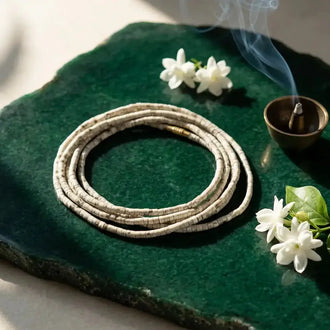
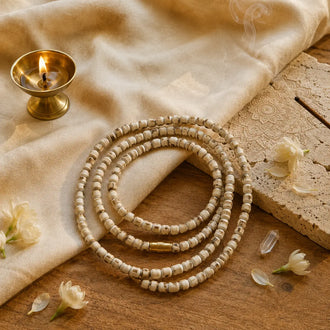
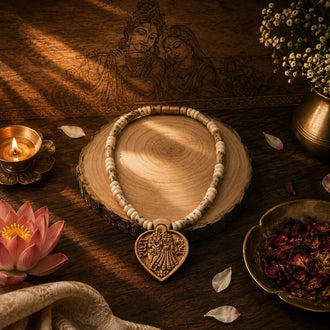
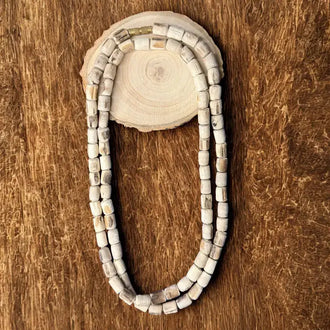
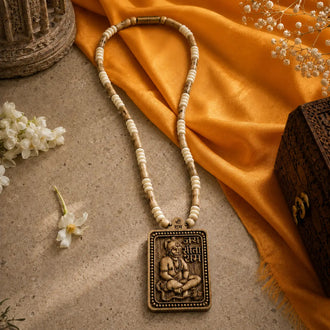
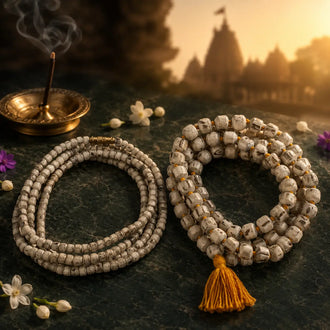
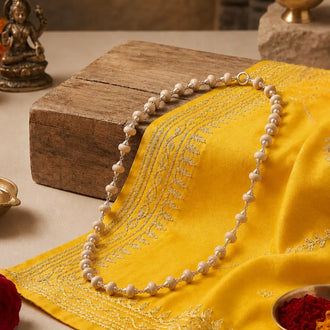
Kajari Teej Puja, also known as Kajli Teej, holds a unique place in the rainy season during the Hindu month of Bhadrapada as it represents the cooling of the earth and the heart. While Hariyali Teej celebrates the initial greenery, this most important Teej of Krishna Paksha on the Tritiya Tithi (third day of the Bhadrapada Month) focuses on conjugal bliss, prosperity and abundance, and the divine union of Lord Shiva and Goddess Parvati. The name comes from the dark clouds that mirror the longing and separation and longing for the lover felt by a devotee. According to the Bhavishya Purana, observing this fast with a pure heart and worship Goddess Parvati while wearing traditional attire, new clothes, ornaments grants the same merit as performing a major yagna. In the lanes of Vrindavan and the ghats of Kashi, the air carries the scent of wet earth and the songs of separation dedicated to the dark-hued Krishna. The significance of this day lies in the endurance of the wife. By abstaining from water throughout the day, she demonstrates her commitment to the welfare of her family. This practice is not just about physical restraint but about spiritual focus, remembering the rigorous penance and divine union with her Lord Shiva.Devotees often use a original tulsi kanthi to maintain their japa count during the fasting hours, keeping their minds fixed on the names of Bhagwan.

The Main Guide to Kajari Teej 2026
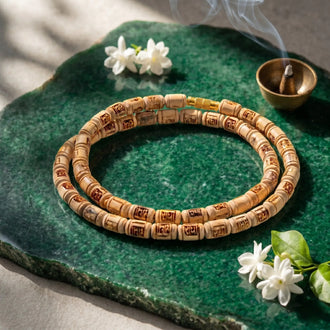
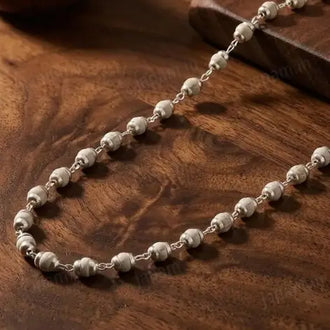
The Kajari Teej Puja vrat vidhi for this day requires preparation of both the pujan space and the samagri (ritual items). On the morning of August 31, 2026, wake up during Brahma Muhurat and take a bath with a few drops of Ganga Jal. Wear traditional attire, new clothes and ornaments, preferably in shades of red or yellow. In the evening, create a small pond-like structure using cow dung or mud near a wall in your courtyard. Place a neem branch inside it. This neem tree represents Goddess Parvati. Apply kumkum tilak and offer akshat (unbroken rice) to the branch. Light a ghee lamp and offer seasonal fruits, especially sattu, to the deity. The Kajari Teej Katha, including the legend of Queen Nagamati, is then recited by the eldest woman in the family or a priest. Listen with a handful of grains in your palm to complete the ritual. At the fall of dusk, wait for the chandrama (moon) to rise before offering arghya. Use a silver or copper kalash filled with water, milk, and sugar. Look at the moon through a sieve or directly, then pour the water while praying for your husband's long life. After the moon pujan, break your fast by consuming the sattu offered during the pujan. If you find it difficult to sit for long prayers, wearing a silver plated tulsi can provide a sense of calm and spiritual protection throughout the day. Ensure that the pujan area is cleaned the next morning, and the neem branch is immersed in a water body or kept in a sacred place.
Benefits and Daan of Badi Teej
- Strengthens conjugal bliss, brings prosperity and abundance to the household.
- Reciting the Kajari Teej Katha removes obstacles in the path of children and family members.
- Donating sattu and seasonal fruits to the poor Brahmin brings the blessings of Annapurna.
- Donating new clothes, ornaments to a Brahmani or local temple is highly meritorious.
- Performing the moon arghya after the fall of dusk is believed to cool the mind and reduce astrological afflictions.
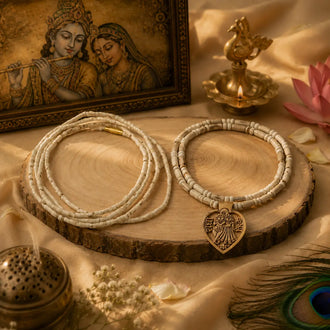
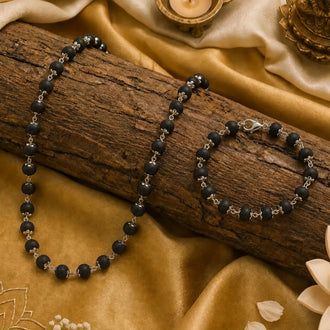
- Observing the fast with a tulsi mala combo set helps in maintaining a meditative state throughout the tithi.

How is Kajari Teej different from Hariyali Teej and Hartalika Teej?
Many devotees get confused between the three major Teej festivals because they all fall within a short span and involve similar themes of marital devotion. Hariyali Teej occurs during the Shukla Paksha (bright fortnight) of Shravana and is a celebration of nature's first bloom. It is often celebrated with swings and green bangles. Kajari Teej, however, happens during the Krishna Paksha (dark fortnight) of Bhadrapada. The focus shifts from the playfulness of the rains to the intensity of the wait for the moon. Unlike the greenery of Hariyali Teej, Kajari Teej uses the neem branch as its central symbol. Hartalika Teej follows a few days after Kajari Teej and is considered the most rigorous of all. While Kajari Teej emphasizes the sattu offering and moon worship, Hartalika Teej focuses on the clay idols of Shiva and Parvati. It is always best to consult a qualified priest if you are unsure which tradition your family follows, as regional variations in UP and Rajasthan are common.
Common Mistakes
- Offering arghya to the moon before the specific muhurat time has actually started.
- Using a broken or dried neem branch for the pujan instead of a fresh green one.
- Consuming water or food before the moon sighting if you have taken a nirjala sankalp.
- Forgetting to listen to the katha, which is the soul of the entire vrat vidhi.
- Wearing black or dark blue clothes, which are generally avoided during these auspicious festivities.
FAQ
What is the exact kajari teej 2026 date for the fast?
The kajari teej 2026 date for the fast is August 31, 2026, which is a Monday. This date corresponds with the Bhadrapada Krishna Tritiya tithi in the Hindu lunar calendar, observed by married women for marital bliss.
What are the main items needed for kajari teej vrat vidhi rituals?
The main items needed for kajari teej vrat vidhi rituals include a fresh neem branch, sattu, a ghee lamp, kumkum, and a kalash for arghya. You also need shringar items to offer to the goddess during the evening pujan.
What is the badi teej significance in North Indian culture?
The badi teej significance in North Indian culture lies in its focus on the moon and the neem tree. It is believed that worshipping the neem goddess on this day protects the family from diseases and brings prosperity to the home.
Is it mandatory to hear the kajari teej katha during the pujan?
It is highly recommended to hear the kajari teej katha during the pujan as it explains the origin of the fast. The ritual is considered incomplete without acknowledging the stories of the devotees who observed this vrat in ancient times.
Can pregnant women or those with health issues skip the waterless fast?
Pregnant women or those with health issues can skip the waterless fast and opt for a fruit-based fast instead. Always consult a doctor before starting a strict fast to ensure your physical well-being is not compromised during the ritual.
Conclusion
Observing the rituals of Kajari Teej 2026 brings a sense of discipline and spiritual joy to the devotee. By focusing on the neem pujan and the moon arghya, you connect with the ancient traditions of our ancestors. Remember to keep your intentions pure and your devotion steady throughout the day. For those looking to deepen their daily practice beyond the festival, exploring the significance of a tulsi mala can be a wonderful next step in your spiritual life. May this festival bring peace and longevity to your household.
Health Caution: If you have diabetes, are pregnant, breastfeeding, elderly, have any medical condition, or are taking prescribed medication, consult your doctor before observing a fast. Follow medical advice and continue any prescribed treatment or medication as directed. Spiritual observance should never discourage or replace appropriate medical care.