Karka Sankranti 2026: Dakshinayana, Puja & Daan Guide

Are you ready to embrace a significant celestial shift that marks a profound spiritual period in the Hindu calendar? Karka Sankranti 2026, observed on Thursday, July 16th, is not merely an astronomical event; it ushers in Dakshinayana, the six-month period when the sun moves southwards, profoundly impacting cosmic and individual energies. This auspicious day holds immense significance for devotees seeking spiritual growth, performing ancestral rites, and deepening their connection to the divine. It is a time for heightened introspection, self-purification, and meritorious deeds that carry amplified spiritual returns. Understanding and observing Karka Sankranti with reverence allows us to align with natural rhythms and invite blessings into our lives. In this comprehensive guide, you'll learn about its spiritual significance, the commencement of Dakshinayana, detailed Puja Vidhi, important Daan rituals, and how to observe this sacred day with devotion and authenticity, enhancing your spiritual journey with Dharmik's sacred offerings.
Understanding Dakshinayana: The Cosmic Night of the Gods
Karka Sankranti, also known as Karka Sankraman, is a crucial astronomical and astrological event in Hinduism, signaling the Sun’s entry into the Karka (Cancer) Rashi. This transition is not merely a planetary shift but a spiritual marker, fundamentally dividing the year into two halves: Uttarayana and Dakshinayana. Dakshinayana, which commences with Karka Sankranti, is deeply revered in Vedic traditions. It is often referred to as the "night of the devatas" (gods), while Uttarayana is considered their day. During this cosmic "night," celestial beings are believed to be in a meditative or restful state, making human spiritual endeavors and individual prayers intensely more impactful and potent. Ancient scriptures, such as the Skanda Purana, emphasize that this period is exceptionally conducive for sadhana, austerities, and acts of charity. The spiritual energy in sacred dhams like Vrindavan is believed to amplify significantly during Dakshinayana, encouraging devotees to intensify their devotional practices. For those unable to physically visit these holy places, bringing the essence of these dhams home through consecrated products offers a powerful way to connect with these elevated energies. You can begin your spiritual journey with an authentic Monthly Vrindavan Puja Kit (for sincere Krishna devotees), blessed directly from the holy land.
When is Karka Sankranti 2026? Key Dates & Auspicious Timings
| Event | Date | Timings (IST) | Significance |
|---|---|---|---|
| Karka Sankranti 2026 | Thursday, 16 July 2026 | Whole Day | Sun enters Karka Rashi, marking the beginning of Dakshinayana. |
| Sankranti Punya Kaal | 16 July 2026 | 12:37 PM – 7:15 PM | Auspicious time for Snan, Daan, and Surya Puja. |
| Mahapunya Kaal | 16 July 2026 | 5:15 PM – 7:15 PM | Most auspicious period for charity, mantra chanting, and worship. |
| Dakshinayana Commencement | 16 July 2026 | With Surya's transit into Karka Rashi | Beginning of the Sun's southward journey and the six-month Dakshinayana period. |
The Profound Spiritual Significance of Karka Sankranti
Karka Sankranti carries profound spiritual significance, deeply embedded in the ancient tapestry of Vedic traditions. It marks the precise moment when Surya Dev, the revered Sun God, transitions from his northern journey (Uttarayana) to his southern journey (Dakshinayana). This celestial shift is not merely an astronomical event but a powerful spiritual pivot that influences both cosmic equilibrium and individual energetic fields. This six-month southward journey of the Sun is considered highly conducive for deep introspection, rigorous penance (tapasya), and, crucially, for all activities related to ancestral veneration, known as Pitru Tarpan. Many spiritual texts and beliefs suggest that during Dakshinayana, the gates to the Pitru Loka (the ancestral realm) are more accessible. This makes offerings, prayers, and rituals performed for departed souls exceptionally effective and potent, facilitating their peace and spiritual ascent. As profoundly elucidated in the Garuda Purana, performing Shraddha (ancestral rites) and Tarpan on Sankranti days, especially Karka Sankranti, is believed to bring profound peace to ancestors and bestow abundant blessings upon the living descendants. The dedicated observation of this sacred day helps in resolving karmic debts, purifying the soul, and preparing the individual for a more harmonious spiritual journey ahead. It is a time for conscious inner reflection, a deliberate withdrawal from excessive worldly distractions, and a focused effort to align oneself with higher spiritual energies and cosmic benevolence. Embracing these time-honored traditions with sincerity can bring immense peace, spiritual clarity, and overall prosperity to the devotee and their lineage. Consider integrating a sacred offering like the Lakshmi Ganesha Pure Silver Coin into your Daan rituals on this auspicious day, symbolizing wealth and auspicious beginnings.
Spiritual Insight:
Karka Sankranti reminds us that our spiritual journey is deeply intertwined with cosmic cycles. Observing it helps us acknowledge the subtle shifts in divine energies and utilize them for inner purification and ancestral peace.
Karka Sankranti Puja Vidhi: A Step-by-Step Guide for Home
Observing Karka Sankranti with proper Puja Vidhi (ritual methods) can attract immense divine blessings. This sacred day is primarily dedicated to Surya Dev, the Sun God, and is profoundly significant for honoring ancestors. The rituals, when performed with unwavering devotion and sincerity, are believed to ensure spiritual well-being for both the individual practitioner and their entire family lineage. The detailed steps below will meticulously guide you through performing a meaningful and impactful Karka Sankranti Puja in the sanctity of your home, allowing you to connect with the potent energies of this auspicious transition.
Preparations for Auspicious Puja
- Purification (Snan): Wake up early, ideally before sunrise, during the Brahmamuhurta. Take a holy bath, known as 'Snan'. Many devotees prefer a sacred dip in holy rivers like the Ganga. If a river bath is not feasible, add a few drops of authentic Ganga Jal to your bathwater at home, purifying your body and mind for the forthcoming rituals.
- Cleanliness (Shuddhi): Thoroughly clean your entire home, paying special attention to your puja altar (mandir) or the designated worship area. Remove any dust, cobwebs, or clutter. Decorate this sacred space with fresh, fragrant flowers, rangoli patterns, and light a traditional diya (oil lamp) to invite divine light and purity.
- Attire (Vastra Shuddhi): After bathing, wear clean, freshly washed, and traditional clothes. Avoid wearing black or dark-colored garments; prefer light and auspicious colors like white, yellow, or saffron, signifying purity and devotion.
- Gather Samagri (Collection of Offerings): Methodically collect all necessary puja items. This includes pure water, unboiled rice (akshat), kumkum (red vermilion), turmeric (haldi), fresh flowers, fragrant incense sticks (agarbatti), and homemade prasad (sweet offerings). Ensure you have blessed Chandan - Blessed from Vrindavan for sacred tilak and Incense Cups - Purity, Blessings & Peace to create a pure and spiritually charged atmosphere. For further guidance on setting up your sacred space, refer to our blog on The Importance of Puja Preparation.
Spiritual Insight:
The meticulous preparation for puja symbolizes our inner readiness. By purifying our external environment and ourselves, we create a conducive space for divine energies to manifest and for our prayers to be heard.
Performing the Surya Puja
- Arghya to Sun God: Stand facing the rising sun, if practically possible. Take a copper pot filled with pure water. Add a pinch of red kumkum, a few grains of unboiled rice, and fresh flower petals. While offering the water to the Sun God, slowly pour it and devoutly chant powerful mantras such as "Om Suryaya Namah" or "Om Ghrini Suryaya Namah" (Om Hreem Hraam Hroum Sah Suryaya Namah) at least 11 times.
- Pitra Tarpan (Ancestral Offerings): This ritual is exceptionally crucial during Karka Sankranti, given its association with ancestral realms. Hold water in your cupped hands, add a few black sesame seeds, and gently release the water towards the south direction, symbolizing offerings to your ancestors. Simultaneously chant their names or the universal mantra "Om Pitru Devatabhyo Namah" to seek their peace and blessings.
- Recitation & Mantras: Engross yourself in the recitation of Surya Mantras, such as the Gayatri Mantra dedicated to Surya, or the potent Aditya Hrudayam Stotram, which extols the glories of the Sun God. Meditate deeply on Surya Dev's divine form, visualizing light, energy, and vitality.
- Offerings (Prasad & Pushpa): Offer seasonal fruits, homemade sweets, and fresh flowers to the deities respectfully placed on your puja altar. Ensure these offerings are made with a pure heart and sincere devotion. To learn more about the significance of this ritual, explore our blog on The Significance of Surya Arghya.
Vrindavan Tradition:
In the sacred land of Vrindavan, devotees often perform similar Surya and ancestral rituals, incorporating Ganga Jal and sacred flowers, but always with an overarching emphasis on devotion to Lord Krishna and His manifestations. They seek His blessings alongside Surya Dev's, understanding that all divine forms emanate from the Supreme Lord. This confluence amplifies the spiritual merit, particularly during Dakshinayana.
Dakshinayana Sadhana & Meditation
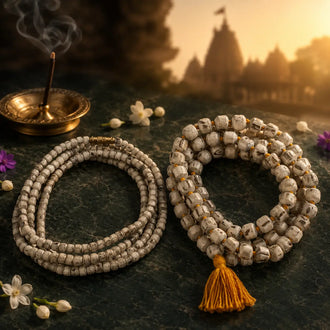
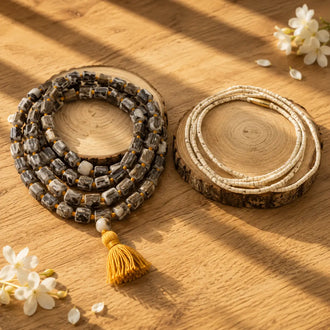
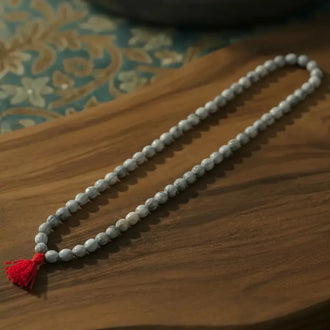
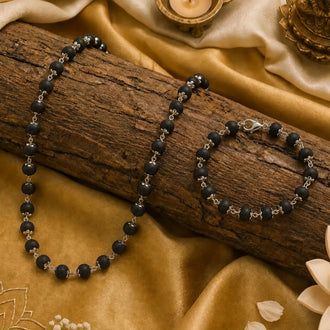
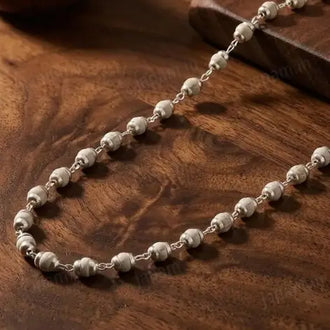
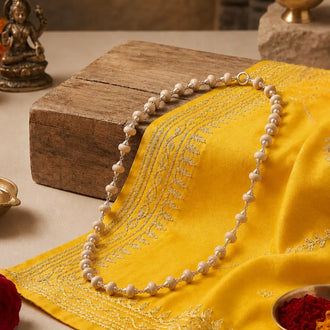
Dakshinayana, commencing with Karka Sankranti, ushers in a powerful six-month period highly conducive for intensified spiritual practices (Sadhana). This is the opportune time to dedicate increased time for Japa (mantra chanting), deep meditation, and the regular study of holy scriptures. Engaging in Japa using a mala significantly enhances concentration, maintains focus, and helps in accurately counting repetitions. An Original 5 Mukhi Rudraksha Mala 108+1 Beads, 4 mm, Daily Meditation, Blessed in Kashi is highly recommended for daily meditation, as authentic Rudraksha beads are renowned for their ability to amplify spiritual energies, calm the mind, and provide profound spiritual protection. Consider a Original Tulsi Japa Mala 108+1 Beads, 10 mm, Deep Meditation for connecting with Lord Vishnu. Engage in acts of selflessness (Seva) and kindness to accumulate spiritual merit during this auspicious phase, ensuring your spiritual reservoir is constantly replenished. For guidance on selecting the perfect mala for your practice, refer to our informative blog: Choosing Your Mala for Meditation.
Spiritual Insight:
Dakshinayana's subtle energies support deeper introspection. Utilizing this period for Sadhana, especially with tools like a blessed mala, can accelerate spiritual progress and foster a profound connection with the divine.

The Merit of Daan on Karka Sankranti
Daan, or selfless charity, holds immense spiritual importance on Karka Sankranti. It is profoundly believed in Hindu traditions that performing Daan on this sacred day can effectively alleviate misfortunes, purify accumulated sins, and attract abundant prosperity, divine blessings, and, most notably, peace for ancestral souls. The act of giving, when performed with purity of intention and devotion, becomes exceptionally potent and meritorious during this celestial transition period, multiplying its spiritual returns manifold. This practice of selfless giving reflects our gratitude to the cosmos and our commitment to universal well-being.
Recommended Items for Daan
- Food Grains (Anna Daan): Donating essential food grains such as wheat, rice, or other staples to the needy, to temples, or to charitable organizations is considered a highly meritorious act. It symbolizes providing nourishment for life and ensures the giver is blessed with abundance.
- Clothes (Vastra Daan): Offering new clothes, especially to Brahmins, spiritual practitioners, or the economically disadvantaged, is a benevolent act that earns significant blessings and fosters warmth and comfort.
- Sesame Seeds (Til Daan): Black sesame seeds (Krishna Til) are particularly sacred for ancestral offerings and daan on Sankranti days. They symbolize purity, ward off negativity, and are believed to offer great peace to Pitrus.
- Ghee & Dairy Products: Ghee (clarified butter) and other pure dairy products like milk or curd are considered auspicious offerings. They represent purity, sustenance, and are beneficial for both physical and spiritual health.
- Silver or Copper Items: Donating utensils made of silver or copper, or a Pure Silver Hanuman Coin, is believed to invoke the blessings of wealth, good fortune, and protection. These metals are considered pure and have energetic properties.
- Rudraksha Malas: Gifting a spiritual item like an Original 5 Mukhi Rudraksha Mala (Nepali/Indian) 108+1 Beads, 6 mm, Spiritual Protection, Blessed in Kashi to a deserving devotee, a spiritual guide, or a temple can bestow profound spiritual growth, protection, and positive vibrations upon both the giver and the receiver. For a deeper understanding of charitable giving, explore our blog: The Power of Daan in Hinduism.
Spiritual Insight:
Daan on Karka Sankranti is more than just charity; it's an act of selfless surrender and a purification of karmic imprints. It reinforces the principle of giving, ensuring the flow of divine grace and abundance in return.
Whom to Offer Daan
Daan should primarily be offered to those who are deserving and in genuine need. This includes revered Brahmins, dedicated spiritual practitioners (sadhus/sanyasis), the poor, the destitute, and those who will utilize the donation for a righteous cause. Offering food to cows (Gau Seva) is also considered an exceptionally virtuous act, as cows are revered as sacred mothers in Hinduism. The sincerity, purity of intention, and devotion with which the daan is made are always more important than the mere quantity or monetary value of the offering. A small offering made with a big heart yields immense spiritual merit. To further understand the nuances of spiritual service, read our blog on Understanding Seva and Sacrifice.
Vrindavan Tradition:
In the highly sacred land of Vrindavan, the eternal abode of Lord Krishna, offering daan to Vaishnavs, sadhus, or even the numerous monkeys (who are seen as extensions of Hanuman) is considered incredibly meritorious. Such acts of selfless giving in this holy Dham are believed to amplify the spiritual returns significantly during the auspicious Dakshinayana period. Consider offering a Vrindavan Prasad Box (Small) as an offering, carrying the blessings of Vrindavan.
Choosing the Right Rudraksha Mala for Dakshinayana Sadhana
During the potent period of Dakshinayana, enhancing your spiritual practice with an authentic Rudraksha mala can significantly deepen your meditation and chanting. Different mukhis (faces) of Rudraksha beads offer unique blessings and align with various spiritual needs. Selecting the right mala can optimize your Sadhana.
| Rudraksha Mukhi | Key Benefits | Associated Deity | Recommended For |
|---|---|---|---|
| 5 Mukhi Rudraksha | General well-being, peace, spiritual growth, blood pressure regulation, meditation | Lord Shiva, Lord Brahma | Daily spiritual practice, students, those seeking inner peace, and general protection. Original 5 Mukhi Rudraksha Mala 108+1 Beads, 4 mm, Daily Meditation, Blessed in Kashi |
| 6 Mukhi Rudraksha | Courage, wisdom, stability, enhanced focus, communication skills, mental strength | Lord Kartikeya, Goddess Lakshmi | Leaders, artists, students, those seeking career success or overcoming fears. Original 6 Mukhi Rudraksha Certified Natural Bead of Lord Kartikeya for Courage & Wisdom |
| 7 Mukhi Rudraksha | Wealth, prosperity, new opportunities, emotional healing, protection from financial stress | Goddess Lakshmi, Saptamatrikas | Business persons, those seeking financial stability, overcoming losses, and attracting abundance. Original 7 Mukhi Rudraksha Certified Natural Bead of Goddess Lakshmi for Wealth & Prosperity |
Practical Preparation: Setting Up Your Sacred Space for Karka Sankranti
Creating a clean, harmonious, and spiritually charged sacred space at home is paramount for observing Karka Sankranti and maximizing the benefits of Dakshinayana. Your puja mandir or designated worship area serves as a direct conduit to the divine energies you invoke. Proper preparation not only shows reverence but also helps to focus your mind and elevate your spiritual vibrations, ensuring a more profound and effective sadhana during this auspicious six-month period. Here’s a detailed guide on how to prepare your sacred space:
- Deep Cleanse the Mandir: Begin by thoroughly cleaning your entire puja altar and the surrounding area. Remove any dust, cobwebs, or clutter. Wipe down idols and photos of deities with a clean, damp cloth. You may also use a small amount of Ganga Jal mixed with water for purification. This physical cleansing symbolizes internal purification, preparing your space for divine energies.
- Decorate with Auspicious Items: Adorn your mandir with fresh, vibrant flowers like marigolds, roses, or hibiscus. Place fresh green leaves, especially mango or Ashoka leaves, at the entrance or around the deities, as they are considered highly auspicious and purifying. Use decorative cloths or small rangoli patterns to enhance the aesthetic and spiritual appeal of your sacred space, inviting positivity.
- Set Up for Light & Aroma: Ensure you have a clean traditional diya (oil lamp) ready. Lighting an earthen or brass diya with pure ghee or sesame oil symbolizes dispelling spiritual darkness and inviting divine light, wisdom, and knowledge. Complement this with fragrant Incense Cups - Purity, Blessings & Peace or high-quality incense sticks. The aromatic smoke purifies the atmosphere, sanctifies the space, and aids in concentration during meditation and prayers.
- Prepare Offerings & Puja Essentials: Lay out all your puja samagri neatly and systematically. This includes a small vessel of pure water, sacred unboiled rice (akshat), kumkum, haldi, a small bell, a conch shell (shankh) if available, and any prasad you plan to offer. Ensure you have blessed Chandan - Blessed from Vrindavan for tilak and any specific items required for Pitru Tarpan. For comprehensive puja needs, consider a Monthly Vrindavan Puja Kit (for sincere Krishna devotees), which provides authentic essentials. Learn more about maintaining sanctity and spiritual harmony in your home through our blog: Creating a Home Mandir.

Maximizing Spiritual Benefits During Dakshinayana
The commencement of Dakshinayana with Karka Sankranti truly opens a profound six-month window for heightened spiritual practices and accelerated inner growth. This period, often perceived as the "night" for celestial beings, paradoxically becomes an exceptionally opportune time for human beings to intensify their Sadhana, meditation, and devotional activities with unparalleled focus. Devotees are earnestly encouraged to engage in rigorous acts of self-control, observe strategic fasts, and commit to diligent prayer to purify their inner selves and connect more deeply with the Divine. It’s a sacred time for profound introspection, a conscious withdrawal from worldly distractions, and a focused dedication to cultivating spiritual growth and wisdom. Many spiritually inclined individuals undertake pilgrimages to sacred sites during this period, firmly believing that the spiritual vibrations and divine grace are significantly more potent. Visiting a sacred Dham, such as Ayodhya, the revered birthplace of Lord Rama, can be particularly uplifting and soul-stirring. While a physical visit may not always be possible for everyone, bringing the blessings and sacred energy of Ayodhya home through its consecrated offerings can be equally impactful and spiritually fulfilling. How will you embrace this divine shift to deepen your spiritual practice and invite greater inner peace, resilience, and connection with the higher realms? You can experience the sacred energy by receiving an authentic Ayodhya Prasad Box directly from Ayodhya, bringing its sanctity to your doorstep. Explore deeper insights into devotional practices with our blog: Embracing Inner Peace Through Sadhana.
Bring the Blessings of Karka Sankranti Home with Dharmik
At Dharmik, we deeply understand the profound importance of authentic puja products and genuine spiritual items in enhancing your personal devotional journey. As you diligently prepare to observe Karka Sankranti 2026 and wholeheartedly embrace the spiritual depth and transformative power of Dakshinayana, let Dharmik be your trusted and reliable partner. We offer a meticulously curated selection of products that are not just mere items, but truly sacred vessels of divine energy and tradition. Our Original 5 Mukhi Rudraksha Mala 108+1 Beads, 4 mm, Daily Meditation, Blessed in Kashi is lab-certified for authenticity and personally blessed in Kashi, making it an ideal companion for Japa and profound meditation during this potent spiritual period. For those looking to perform selfless daan, consider our exquisite Pure Silver Hanuman Coin or the auspicious Lakshmi Ganesha Pure Silver Coin, perfect for sacred offerings. All our products are sourced with utmost integrity, reverence, and carry the tangible blessings of sacred dhams, with many being specially abhimantrit in Vrindavan or Ayodhya, thereby ensuring you receive only genuine and spiritually charged tools for your devotion. We are also committed to making these blessings accessible, offering free shipping on most items, making it easier than ever to receive these divine products directly at your doorstep. Discover our dedication to authenticity and spiritual purity by reading our blog: Dharmik's Commitment to Authenticity.
Frequently Asked Questions about Karka Sankranti 2026
-
When is Karka Sankranti 2026?
Karka Sankranti 2026 is on Thursday, July 16, 2026. This day marks the Sun's transit into the Cancer zodiac sign, initiating the Dakshinayana period, important for spiritual observances and ancestral rites. -
What is the significance of Dakshinayana?
The significance of Dakshinayana lies in its spiritual importance. It is believed to be the night of the gods, a period when devotees increase their sadhana, prayers, and charity to accumulate spiritual merit for their ancestors and themselves. -
What rituals are performed on Karka Sankranti?
Rituals performed on Karka Sankranti include taking a holy bath, offering Arghya to the Sun God, performing Pitru Tarpan for ancestors, and observing Daan (charity) of essential items. These acts purify and bring blessings. -
What should be donated on Surya Sankranti?
On Surya Sankranti, items like food grains, clothes, sesame seeds, ghee, and silver or copper utensils are traditionally donated. Donating a 5 Mukhi Rudraksha Mala (Blessed in Kashi) is also considered auspicious for spiritual growth. -
Why is Karka Sankranti important for ancestors?
Karka Sankranti is important for ancestors because the Dakshinayana period, which begins on this day, is considered favorable for performing Pitru Tarpan and offering prayers for departed souls. These rituals help in their spiritual journey and bring peace.
Karka Sankranti 2026 is more than just a date on the calendar; it's a profound spiritual gateway, inviting us to deepen our connection with the cosmos, honor our ancestors, and intensify our personal sadhana. By understanding its significance, observing the proper Puja Vidhi, and engaging in meaningful Daan, we can harness the potent energies of Dakshinayana for spiritual growth and well-being. This sacred transition offers an invaluable opportunity for introspection and devotion. Embrace the blessings of Karka Sankranti by exploring Dharmik's authentic range of puja products, meticulously sourced and blessed to support your spiritual journey. Visit our Puja Essentials Collection today to prepare for this auspicious occasion.
By Dharmik