Monsoon Spiritual Practices: Ayurveda & Vrat Guide 2026

As the monsoon clouds gather, blanketing the earth in a rejuvenating embrace, a unique spiritual opportunity unfolds for seekers. The rainy season, known for its lush beauty, concurrently presents distinct challenges to our physical vitality and mental serenity. This transformative period intrinsically calls for a mindful and holistic approach, embracing specific monsoon spiritual practices that are deeply rooted in ancient Vedic wisdom. By harmoniously integrating time-honored Ayurvedic principles with traditional Hindu vrat (fasting) lifestyles and intensified sadhana, we are empowered to navigate this atmospheric shift with profound grace and elevated devotion. This comprehensive guide aims to illuminate the profound significance of monsoon spiritual living in 2026, offering practical, actionable insights into sacred rituals, essential dietary adjustments for seasonal well-being, and daily routines meticulously designed to foster holistic health and cultivate a deeper, more intimate spiritual connection during this inherently sacred time. Prepare to embrace the purifying energy of the monsoon, transforming potential challenges into powerful catalysts for inner growth and spiritual rejuvenation.
Monsoon's Spiritual Embrace: A Sacred Context
The monsoon, known as Varsha Ritu in Ayurveda, transcends mere seasonal change; it holds profound spiritual significance within Hinduism. This sacred period, particularly the four months of Chaturmas, is universally considered ideal for deep spiritual introspection, rigorous penance, and intensifying one's sadhana (spiritual practice). It is a consecrated time when countless devotees observe various vratas, dedicating themselves wholeheartedly to Lord Vishnu and other revered deities. Ancient scriptures, such as the *Skanda Purana*, eloquently emphasize the immense spiritual merit gained during Chaturmas, earnestly urging devotees to undertake specific austerities and profound spiritual disciplines. In sacred dhams like Vrindavan, one palpably witnesses an intensified spiritual fervor throughout these months, with temples exquisitely adorned and devotees deeply immersed in prayers, chanting, and selfless acts of service. The earth, meticulously refreshed by the life-giving rain, mirrors a soul cleansed and poised for profound divine communion.
When Are the Key Periods for Monsoon Spiritual Practices in 2026?
The monsoon season, or Varsha Ritu, typically spans from July to September in many parts of India. Within this, the sacred period of Chaturmas (four holy months) is highly significant for intensified spiritual discipline. While exact dates for vratas vary annually, the spirit of devotion remains constant.
- Approximate Duration of Monsoon: July to September 2026
- Key Spiritual Period: Chaturmas 2026 (July - October, exact dates vary by calendar)
- Primary Focus: Intensified sadhana, vrat, Ayurvedic care, and charity
- Associated Festivals: Janmashtami, Teej, Raksha Bandhan (dates vary annually)
- Recommended Approach: Daily discipline in diet, meditation, and devotional service
- Spiritual Locations: Vrindavan, Ayodhya, Kashi, and other sacred dhams witness heightened spiritual activities
Ayurvedic Wisdom for Monsoon Well-being
Ayurveda, the ancient Indian system of medicine, offers profound guidance for maintaining health and balance during the monsoon. The Vata dosha tends to get aggravated, and Agni (digestive fire) weakens, making us susceptible to various ailments. Therefore, a conscious effort towards diet and lifestyle is crucial. Incorporating seasonal Hindu lifestyle tips rooted in Ayurvedic principles can significantly enhance immunity and overall well-being. Focusing on warm, cooked, and easily digestible foods helps balance the aggravated doshas. Spices like ginger, turmeric, cumin, and black pepper play a vital role in boosting digestion and immunity, acting as natural remedies against the season's challenges.

Dietary Guidelines & Immunity Foods for Monsoon
A meticulously chosen diet serves as your primary line of defense and a cornerstone for well-being during the monsoon. Ayurvedic wisdom teaches us that the digestive fire (Agni) weakens significantly during this period, and Vata dosha tends to get aggravated. Therefore, focusing on foods that are inherently light, warm, freshly prepared, and easy to digest is paramount. Consciously avoid raw salads, heavy or excessively fried items, and cold beverages, as these can further dampen digestion and create ama (toxins). Incorporating specific immunity-boosting foods and spices not only fortifies your physical health but also supports mental clarity, making your monsoon spiritual practices more effective.
| Food Category | Recommended Foods | Benefits |
|---|---|---|
| Grains | Old rice, Barley, Wheat, Oats | Easy to digest, nourishing, provide sustained energy |
| Lentils | Moong dal (split green gram) | Light, protein-rich, balancing for all doshas, gentle on digestion |
| Vegetables | Bottle gourd, Ridge gourd, Pumpkin, Ash gourd, Carrots, Beets, Lauki, Tinda | Hydrating, detoxifying, rich in essential vitamins and minerals, support gut health |
| Spices | Ginger, Turmeric, Cumin, Fenugreek, Black Pepper, Asafoetida | Boosts digestion, possesses anti-inflammatory properties, immunity-enhancing, promote detoxification |
| Fruits | Pomegranates, Apples, Pears, Bananas (ripe and in moderation) | Provide vital vitamins and antioxidants, generally easy to digest when ripe |
| Herbs/Drinks | Ginger tea, Tulsi tea, Warm water with honey and lemon, Herbal decoctions | Digestive aid, warming, immunity booster, help in eliminating toxins |
Spiritual Insight: Consuming Satvic (pure) food, prepared with profound devotion and a mindful heart, significantly enhances its positive impact on both body and mind, nurturing your inner spiritual growth during the rainy season. This practice transforms eating into a sacred ritual.
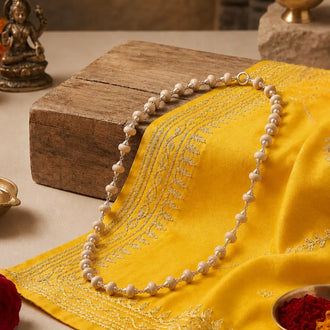
For maintaining spiritual focus and gratitude during pre-meal prayers, consider using a Tulsi Japa Mala with 108 Original Big Beads for Meditation. Enhance your understanding of Ayurvedic eating with our blog: "Ayurvedic Diet: Balancing Your Doshas for Optimal Health."
Daily Routine (Dinacharya) for Rainy Season and Spiritual Focus
Establishing a consistent and mindful daily routine (Dinacharya) is paramount for fostering holistic health and spiritual progress during the monsoon. The season's inherent dampness and coolness can lead to lethargy and sluggishness, making a structured routine even more vital. By aligning your daily activities with Ayurvedic principles and the natural rhythms of the season, you can effectively balance aggravated Vata and Kapha doshas, maintain robust energy levels, and create a conducive environment for your monsoon spiritual practices. This disciplined approach not only fortifies the body but also brings stability and clarity to the mind, essential for deeper contemplation and devotion.
- Early Rising (Brahma Muhurta): Wake up before sunrise (ideally between 4:00-6:00 AM) to align with natural rhythms. This serene time is considered most auspicious for spiritual endeavors and mental clarity.
- Warm Water Consumption: Start your day with a glass of warm water, perhaps infused with a dash of fresh ginger or a squeeze of lemon. This helps to ignite the digestive fire, flush out toxins, and invigorate the system.
- Oil Massage (Abhyanga): Perform a light self-massage (Abhyanga) with warm sesame oil or Vata-pacifying oil. This practice pacifies Vata, nourishes the skin, strengthens the immune system, and promotes relaxation, counteracting the dryness that can occur internally.
- Light Exercise & Pranayama: Engage in gentle yoga postures (asanas) or invigorating pranayama (breathing exercises) for 20-30 minutes. This helps maintain flexibility, improves circulation, boosts lung health, and balances energy without overexertion.
- Morning Puja & Meditation: Dedicate sacred time for daily prayers, mantra chanting, and meditation. This anchors your day in spiritual awareness, purifies the mind, and cultivates inner peace, setting a positive tone for all activities.
- Timely & Mindful Meals: Consume your main meals, especially lunch, at regular times. Chew thoroughly and eat in a calm, seated environment, focusing on the nourishment. This supports optimal digestion and nutrient assimilation.
- Early & Light Dinner: Have a light dinner by sunset (ideally before 7:00 PM) to aid digestion before bedtime. Heavy meals late at night can disrupt sleep and hinder the body's natural detoxification processes.
Vrindavan Tradition: Devotees in Vrindavan often enhance their daily routine with extra rounds of mantra chanting (japa) and participation in temple *aartis* during Chaturmas, finding profound solace and spiritual strength amidst the damp and cool monsoon weather. This collective devotion amplifies the spiritual energy.
To deepen your meditation and japa practice, explore our Original 5 Mukhi Rudraksha Mala 108+1 Beads, 4 mm, Daily Meditation, Blessed in Kashi. For further guidance on daily spiritual practices, read our blog: "The Benefits of Daily Puja for Mental Peace."
Vrat Lifestyle: Deepening Spiritual Discipline
The monsoon season is traditionally associated with a heightened emphasis on vrat (fasting) and self-discipline. Many sacred fasts, such as Janmashtami and Teej, fall during this period, offering opportunities for purification and spiritual growth. Embracing a monsoon fasting rules Ayurveda perspective helps ensure that these observances also support physical health. Fasting can mean complete abstention from food, consuming only specific fruits and liquids, or adhering to a single meal (ekadashi). The purpose is not merely abstaining from food, but to draw the senses inward, conserve energy, and channel it towards spiritual contemplation and devotion.
Monsoon Fasting Rules & Spiritual Significance
Observing vrat (fasts) during the monsoon season represents a powerful commitment to spiritual purification and inner discipline. This period is traditionally associated with a heightened emphasis on self-restraint and dedication, as many significant sacred fasts, such as Janmashtami, Teej, and the various Ekadashis, often fall within these months, offering abundant opportunities for spiritual growth. Embracing a monsoon fasting rules Ayurveda perspective is crucial to ensure that these profound observances also genuinely support your physical health and well-being. Fasting can encompass various forms: complete abstention from all food (Nirjala), consuming only specific fruits and liquids, or adhering to a single, simple meal (often practiced on Ekadashi). The deeper purpose of fasting extends far beyond mere physical deprivation; it is a profound practice designed to draw the senses inward, conserve vital energy, and channel it towards intense spiritual contemplation, unwavering devotion, and self-realization.
- Gradual Preparation: Inform your body gradually by consuming lighter, easily digestible meals a day or two before your fast. This prepares your digestive system and minimizes discomfort.
- Optimal Hydration: Maintain excellent hydration by drinking plenty of warm water, herbal teas (such as ginger or tulsi tea), or fresh fruit juices, especially if observing a Nirjala (waterless) fast. Listen to your body's signals.
- Permissible Foods (for partial fasts): If observing a partial fast, focus on Satvic foods like fresh fruits (e.g., bananas, apples, pomegranates), boiled potatoes or sweet potatoes, sabudana (tapioca pearls), and milk products. Avoid grains, processed foods, and excessive spices.
- Listen to Your Body's Wisdom: Never push yourself beyond your physical or mental capacity, particularly if you have underlying health conditions. Consult a healthcare professional if you have concerns. The goal is spiritual growth, not physical strain.
- Gentle Fast Breaking: Break your fast gently with light, easily digestible food. Start with fruits, juices, or a small portion of soft khichdi to ease your digestive system back into normal function.
Spiritual Insight: Fasting during the monsoon profoundly cleanses the internal system, not only physically but also energetically. This purification transforms the body into a purer, more receptive vessel for heightened spiritual energy and profound divine connection, aligning you with the cosmos.
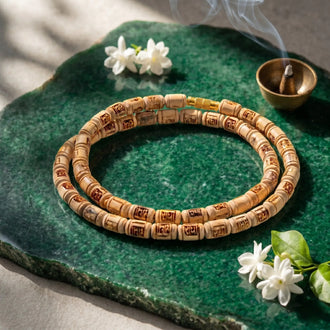
For those observing strict fasts and seeking spiritual strength and protection, wearing an Authentic Rudraksha Mala with Brass Damru & Trishul Pendant Blessed in Kashi can be incredibly beneficial. To learn more about fasting, check out our related blog, "Understanding the Power of Ekadashi Vrat: A Guide to Spiritual Fasting."

Mantras & Meditation for Inner Peace in Monsoon
The inherently introspective nature of the monsoon season renders it an exceptionally opportune time to significantly deepen your mantra chanting (japa) and meditation practices. The quiet solitude and gentle rhythm offered by the falling rain can naturally soothe the restless mind, facilitating deeper concentration and profound inner stillness. Regular engagement in japa, the mindful repetition of sacred mantras, serves as a powerful tool to purify the mind, effectively reduce anxiety, and foster an unwavering connection with the divine. This dedicated practice of monsoon spiritual practices, when embraced consistently, becomes a sanctuary for the soul, protecting it from external disturbances and internal fluctuations.
- Choose a Resonant Mantra: Select a mantra that deeply resonates with your heart and spiritual aspirations, such as Om Namah Shivaya (for Shiva devotion), Hare Krishna Maha-mantra (for Krishna devotion), or a specific Gayatri Mantra for universal energy.
- Find a Sacred, Quiet Space: Dedicate a specific corner or room in your home for your sadhana. Ensure it is clean, clutter-free, and imbued with a peaceful atmosphere, perhaps with a deity photo or sacred symbol.
- Utilize a Mala for Japa: A mala (rosary) with 108 beads is an indispensable tool for counting repetitions and keeping the mind focused during chanting. Each bead guides your awareness back to the mantra.
- Embrace Consistency: Practice at the same time daily, ideally in the morning or evening. Consistency builds spiritual momentum and strengthens your resolve, transforming practice into a cherished ritual.
- Integrate Deep Breathing (Pranayama): Combine your chanting with slow, rhythmic, abdominal breathing. This enhances focus, calms the nervous system, and deepens the meditative state, allowing the mantra to penetrate deeper.
- Mindful Posture: Sit in a comfortable, upright posture (such as Siddhasana or Padmasana, or simply cross-legged on a cushion) that allows for alertness without strain.
Vrindavan Tradition: Devotees in Vrindavan often engage in vigorous group kirtan and bhajan sessions, especially during Chaturmas, amplifying the collective devotional energy. This communal chanting deepens their connection with the divine through the powerful medium of sacred sound, echoing through the rain-washed streets.
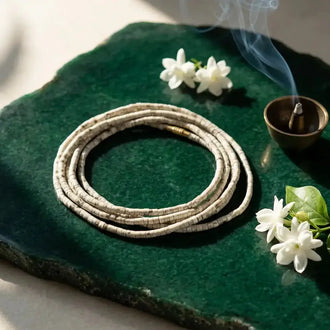
Enhance your daily japa practice with an Original Tulsi Kanthi Mala Triple Round, 6 mm, for Daily Bhakti & Prayer. For deeper insights into meditation, explore our blog: "Meditation Techniques for Beginners: A Path to Inner Stillness."
Sacred Rituals & Offerings During Monsoon
Beyond personal practices, the monsoon is a time for communal spiritual engagement and specific rituals. The damp, cool atmosphere often encourages more indoor worship and reflection. Preparing your home mandir (altar) with fresh puja samagri (items) and understanding the significance of practices like Daan (charity) can enrich your experience of the rainy season. These rituals help maintain a positive spiritual atmosphere in the home and foster a sense of gratitude and connection to the divine.
Home Mandir Preparation & Puja Samagri for Monsoon
Creating an inviting, pure, and meticulously clean environment for your spiritual practices within your home mandir (altar) is especially vital during the monsoon season. The inherent dampness, combined with shorter, often overcast days, can sometimes induce a sense of lethargy or dullness. A well-prepared and vibrant mandir, however, serves as a constant source of inspiration, joy, and positive spiritual energy. Consider this process as not merely physical cleanliness but rather an act of infusing your sacred space with divine vibrations, making it an ideal setting for your monsoon spiritual practices.
- Rigorous Cleanliness & Ventilation: Regularly clean your mandir, paying special attention to idols, photos, and altar surfaces to prevent dampness and mold growth. Ensure good air circulation to keep the space fresh and vibrant.
- Fresh Flower Offerings: Offer fresh flowers daily, if possible, changing them frequently. Flowers symbolize purity, beauty, and devotion, and their freshness is vital for maintaining positive energy.
- Aromatic Incense & Dhoop: Use high-quality, natural incense sticks or dhoop to purify the air, create a serene, uplifting ambiance, and counteract any mustiness from the humidity.
- Ghee Lamp Lighting: Light a traditional ghee lamp (diya) daily, especially during your puja. The flame symbolizes the dispelling of ignorance, inviting wisdom, and connecting with the divine light.
- Pure & Simple Offerings (Naivedya): Prepare simple, pure offerings (naivedya) such as seasonal fruits, homemade sweets, or a glass of pure water. Offer these with love and gratitude, free from ego.
- Keep Dry & Tidy: Store puja samagri in airtight containers to prevent moisture damage. Keep the mandir area tidy and free from unnecessary clutter, reflecting mental clarity.
Spiritual Insight: A thoughtfully prepared and well-maintained mandir serves as a powerful focal point for your devotion, actively inviting divine blessings and grace into your home. This is particularly potent during the introspective atmosphere of the monsoon season, enhancing your spiritual journey.
For your daily puja needs, consider our Monthly Vrindavan Puja Kit (for sincere Krishna devotees), which comes blessed. You can also find high-quality Chandan - Blessed from Vrindavan for your deity offerings. Discover more tips in our blog: "Creating a Sacred Puja Space: Essential Tips for Your Home Mandir."
Significance of Daan (Charity) in Rainy Season and Spiritual Merit
Daan, or selfless giving, stands as a fundamental cornerstone of Hindu ethics and assumes particular significance during the monsoon season. The challenges that are often posed by the rainy season-such as increased incidence of illness, heightened difficulties for daily wage earners, and general discomfort due to damp and cold conditions-profoundly amplify the importance and impact of charity. Engaging in acts of Daan during this period is not merely an act of kindness but a powerful monsoon spiritual practice that accrues immense spiritual merit (punya) and helps alleviate suffering in the community. It is a direct way to express compassion and recognize the divine in all beings.
- Warm Food Donation: Offer freshly prepared, warm, and nutritious food to those experiencing hunger or hardship. This provides essential sustenance and comfort during colder, damp days.
- Warm Clothing & Shelter: Donate blankets, sweaters, or warm clothes to help the less fortunate brave the chill and dampness of the monsoon. Support organizations that provide temporary shelter or housing for the homeless.
- Medical Aid & Health Support: Contribute generously to health camps or initiatives that provide essential medicines, hygiene kits, or medical assistance, as waterborne diseases and seasonal ailments are more prevalent.
- Clean Water Access: Ensure access to clean and safe drinking water for vulnerable communities, as contaminated water sources are a common issue during heavy rains.
- Educational Support: Support children whose schooling might be disrupted by the monsoon by donating books or learning materials, ensuring continuity in their education.
Vrindavan Tradition: In the sacred land of Vrindavan, devotees traditionally distribute thousands of blankets, warm food, and clothing to sadhus, widows, and pilgrims during the colder monsoon months, particularly during Chaturmas. This selfless service is considered an act of profound devotion and accumulates immense spiritual merit, fostering a sense of universal brotherhood.
A simple yet profound act of offering Braj Raj - Blessed from Vrindavan, the sacred dust of the holy land, can be considered a deeply spiritual offering, symbolizing your connection and reverence for sacred spaces. Further deepen your understanding of selfless service by reading our blog: "The Power of Seva: Selfless Service in Hinduism."
Choosing Your Spiritual Companion for Monsoon Sadhana
Selecting the right spiritual accessories can profoundly enhance the efficacy and depth of your monsoon spiritual practices. Whether your focus is on mantra chanting, divine protection, inner peace, or overall well-being, different malas and sacred items offer unique and specific benefits. This comprehensive comparison table is designed to help you discern which spiritual companion most harmoniously aligns with your individual needs and aspirations during the introspective and sacred rainy season.
| Product Type | Key Benefits | Ideal For | Recommended For |
|---|---|---|---|
| Rudraksha Mala (5 Mukhi) | Divine protection, cultivates inner peace, aids meditation, significantly reduces stress and anxiety | Daily meditation, seeking spiritual protection, balancing mind and emotions, calming the nervous system | Original Silver Plated Panch Mukhi Rudraksha Bracelet 17 Beads, 5 mm, Blessed in Kashi |
| Tulsi Mala (Kanthi/Japa) | Fosters deep devotion, embodies purity, facilitates spiritual cleansing, promotes profound peace of mind | Ardent Bhaktas, consistent mantra chanting (japa), wearing for constant divine grace and protection, enhancing spiritual vibrations | Original Tulsi Kanthi Mala Double Round, 6 mm, Daily Bhakti, Prayer |
| Karungali Mala | Effectively removes negative energy, promotes material wealth, fosters good health and vitality, enhances spiritual grounding | Seeking strong grounding, protection against evil eye and negative influences, energy balancing and purification, attracting prosperity | Original Silver Plated Karungali Mala - 54 Beads, 10 mm - Health and Mental Peace, Blessed in Sabarimala |
| Vaijanti Mala | Brings victory, removes obstacles, attracts wealth, promotes peace and spiritual calm | Seeking success in endeavors, overcoming challenges, attracting auspiciousness, enhancing confidence, devotion to Lord Krishna/Vishnu | Original Vaijanti Mala Natural Beads, 9 mm, Peace & Victory |
Preparing Your Sacred Space for Monsoon Sadhana in 2026
Creating an immaculately clean, energetically vibrant, and inviting environment for your monsoon spiritual practices is paramount, transforming your home into a sanctuary for inner peace. During the rainy season, the pervasive dampness and often shorter, grey days can sometimes induce feelings of lethargy or dullness, potentially hindering your spiritual momentum. A thoughtfully prepared mandir or dedicated sadhana space, however, can serve as an enduring source of profound inspiration, deep devotion, and unwavering focus. This meticulous preparation extends beyond mere physical cleanliness; it is an active process of infusing your sacred space with pure, positive energy, making it supremely conducive to focused mantra chanting, deep meditation, and heartfelt devotional practices, thereby making it easier to embrace rigorous rainy season spiritual discipline.
- Ensure Ample Air Circulation: Open windows and doors whenever possible to allow fresh air to circulate, preventing dampness, mustiness, and stale energy. Good ventilation is crucial for a vibrant space.
- Utilize Natural Dehumidifiers: Strategically place natural dehumidifying agents like rock salt crystals or charcoal in corners of your puja room if humidity is high. These can absorb excess moisture and purify the air naturally.
- Embrace Uplifting Aromatherapy: Diffuse pure essential oils known for their purifying and uplifting properties, such as sandalwood, camphor, or frankincense. The sacred aromas cleanse the atmosphere and elevate the mood, promoting spiritual calm.
- Mindful Decluttering & Organization: Keep your mandir area simple, serene, and free from any unnecessary items or clutter. A minimalist, organized space reflects a clear and focused mind, inviting divine presence.
- Optimize Lighting: Ensure your sadhana space receives adequate lighting, whether natural daylight or soft, warm artificial light. A brightly lit space feels more inviting, energizing, and conducive to spiritual alertness.
- Integrate Soothing Sound: During your sadhana time, play gentle spiritual music, calming bhajan, or the resonant sounds of ancient mantras in the background. This creates a deeply immersive and devotional atmosphere.
- Daily Cleaning Ritual: Make it a daily practice to wipe down surfaces, dust idols, and sweep the area. Regular cleaning is a form of devotional service (Seva) and maintains the sanctity of your sacred space.
Spiritual Insight: Your sacred space is a mirror of your inner state. By purifying and dedicating it with care during the monsoon, you create an external environment that powerfully supports your internal journey, making every act of devotion more profound.
Connecting with the Divine: The Emotional Layer of Monsoon Sadhana
The monsoon, with its rhythmic rainfall, verdant landscapes, and softened light, has long served as a profound muse for ancient poets, revered saints, and devoted mystics. It inherently symbolizes divine mercy, spiritual cleansing, and the eternal cycle of renewal. This is a sacred time when nature itself performs a grand, purifying ritual, a poignant reflection of the spiritual purification we earnestly seek within ourselves through dedicated monsoon spiritual practices. The cool, quiet ambiance naturally encourages deep introspection, fostering a more profound and intimate emotional connection with the Divine. It acts as an unsolicited invitation to gently retreat inwards, to consciously step away from the incessant clamor of external distractions, and to truly listen to the subtle whispers of the soul. This profound emotional grounding, when harmoniously combined with consistent and dedicated sadhana, allows for an immeasurably deeper experience of devotion, unwavering faith, and inner peace, helping us to perceive the divine presence not only in every single drop of rain but also in every rustle of the leaves and every renewed breath of life. It’s a time to feel God's presence enveloping you.How does the monsoon season uniquely deepen your personal connection to the Divine and inspire your devotional heart?
Bring Monsoon Spiritual Essentials Home with Dharmik
Dharmik proudly stands as your most trusted and authentic source for genuine puja products and spiritual essentials, empowering and enriching your spiritual journey during the monsoon and far beyond. We deeply understand and respect the profound importance of genuine, *abhimantrit* items for sincere devotion. Explore our meticulously curated collection of spiritual essentials specifically designed to support and elevate your monsoon spiritual practices. From our *Lab-certified* Original 5 Mukhi Rudraksha Malas (Blessed in Kashi) to our pure, *Vrindavan-sourced* Tulsi Japa Malas (for Deep Meditation), each item is thoughtfully selected and energized to profoundly enhance your sadhana. As a token of our commitment, we offer *free shipping* on all orders, seamlessly bringing the sanctity of traditional practices and divine blessings right to your doorstep, no matter where you are.
Frequently Asked Questions About Monsoon Spiritual Practices
What are the best spiritual practices for the monsoon season?
The best spiritual practices for the monsoon season include dedicated mantra chanting, meditation, observing seasonal fasts (vrat), maintaining a sattvic Ayurvedic diet, and performing acts of charity (daan) for purification. (39 words)
How do Ayurvedic principles support monsoon spiritual discipline?
Ayurvedic principles support monsoon spiritual discipline by recommending light, warm, and easily digestible foods. This helps balance weakened digestive fire, maintaining physical health. It allows for sustained focus on spiritual practices like meditation and fasting without discomfort. (39 words)
What kind of fasts are typically observed during the rainy season?
The kind of fasts typically observed during the rainy season include Ekadashi vrat, Chaturmas observances, and specific fasts for festivals like Janmashtami. These monsoon fasting rules emphasize consuming light, permissible foods or liquids to support the body. (39 words)
What is the importance of Daan (charity) during the monsoon?
The importance of Daan (charity) during the monsoon is heightened as many face difficulties due to weather. Offering food, warm clothes, or medical aid to the needy brings significant spiritual merit, symbolizing compassion and selfless service. (38 words)
How can one prepare their home mandir for monsoon spiritual practices?
One can prepare their home mandir for monsoon spiritual practices by ensuring proper ventilation, regular cleaning of idols to prevent dampness, using natural dehumidifiers, and lighting incense or lamps daily. This creates a pure and inviting space for devotion. (40 words)
Why is the monsoon considered ideal for spiritual introspection?
The monsoon is considered ideal for spiritual introspection because its quiet, damp ambiance naturally encourages retreat from external distractions. This period fosters deeper contemplation, heightened self-awareness, and provides a serene environment conducive to intense sadhana and inner reflection. (39 words)
Are there any specific mantras recommended for monsoon spiritual practices?
Yes, specific mantras recommended for monsoon spiritual practices often include the Hare Krishna Maha-mantra, Om Namah Shivaya, or the Gayatri Mantra. Choosing a mantra that resonates personally and chanting it consistently aids purification and divine connection during this sacred season. (40 words)
Conclusion: Embrace Monsoon Spiritual Practices 2026
The monsoon season, with its distinctive atmospheric beauty and unique spiritual challenges, truly offers a profound and unparalleled period for accelerated spiritual growth and deep introspection. By thoughtfully integrating timeless monsoon spiritual practices with ancient Ayurvedic wisdom and a disciplined vrat lifestyle, we can navigate this transformative time with enhanced physical health, profound mental clarity, and an even deeper, more resonant devotion. Embracing mindful eating, consistent sadhana, dedicated puja, and selfless acts of charity allows us to harmoniously align with nature's rejuvenating rhythm and connect more intimately with the divine essence within and around us. Let this sacred rainy season of 2026 be a blessed journey of purification, spiritual rejuvenation, and unwavering connection. Explore our authentic puja products and spiritual essentials at Dharmik to powerfully support every step of your sacred sadhana.
By Dharmik