Pitru Paksha vs Pitru Dosha: Differences, Remedies & 2026 Dates

Have you ever pondered the unseen threads connecting you to your ancestors, or felt the subtle influence of past generations on your present life? In Hindu tradition, the well-being of our ancestors is intrinsically linked to our own prosperity and peace. Understanding the nuances between Pitru Paksha vs Pitru Dosha is crucial for anyone seeking to honor their lineage and mitigate any karmic imbalances. This comprehensive guide will illuminate the distinct nature of these two profound spiritual concepts, clarify their timing and significance, and provide practical insights into performing ancestral rituals, ensuring you can perform these sacred duties with utmost clarity and devotion. We delve deep into the scriptural basis, traditional practices, and effective remedies to help you secure ancestral blessings and lead a harmonious life.
The Core Difference: Pitru Paksha vs Pitru Dosha - Understanding Your Ancestral Lineage
In the vast ocean of Hindu Dharma, understanding our ancestral lineage and its impact on our lives is paramount. Pitru Paksha and Pitru Dosha, while both related to ancestors, represent distinct spiritual concepts with different implications and remedies. Pitru Paksha is a sacred annual period dedicated to honoring ancestors through specific rites, while Pitru Dosha signifies an ancestral affliction affecting descendants due to unfulfilled desires or neglected duties. Neglecting ancestral duties can lead to an accumulation of spiritual debts, known as Pitru Rin, impacting various aspects of one's life, from health and wealth to relationships and progeny. The ancient scriptures, particularly the Garuda Purana, Agni Purana, and various Smriti texts, extensively detail the significance of ancestral rites, emphasizing that the well-being of the living is intricately connected to the peace and liberation of the departed souls. Performing rituals in sacred sites like Kashi (Varanasi), Gaya, or Haridwar is considered especially potent for seeking blessings and relieving ancestors from suffering. During these solemn periods, items like an Original 5 Mukhi Rudraksha Mala, blessed in Kashi, can aid in meditation and spiritual connection, fostering inner peace and a stronger bond with the ancestral realm.
What is Pitru Paksha? The Sacred Fortnight of Ancestral Reverence
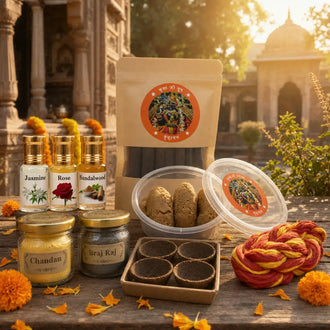
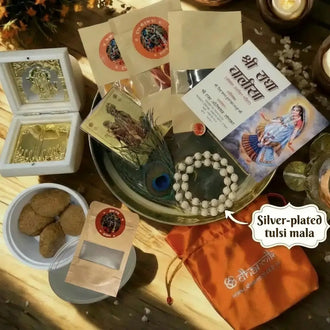
Pitru Paksha, also known as Mahalaya Paksha, is a highly sacred 16-day lunar period in the Hindu calendar, typically falling in the month of Bhadrapada (August-September), specifically the fortnight of Krishna Paksha (darkening moon). During this auspicious time, descendants perform various Shradh (ancestral rites) to offer food, water, and prayers to their deceased ancestors, including fathers, mothers, grandparents, and other relatives from up to three preceding generations. It is deeply believed that during Pitru Paksha, the souls of ancestors temporarily descend to the earthly plane, eagerly awaiting these offerings from their progeny. The primary goal of these rituals is to provide solace to the departed souls, help them attain liberation (moksha), and receive their blessings in return, which are considered vital for the family's prosperity and well-being. These offerings are traditionally made with immense reverence, nourishing their journey in the afterlife. The Bhagavad Gita also alludes to the importance of dharma and family duties, which fundamentally include honoring ancestors to maintain cosmic balance. Preparing for these elaborate rituals requires meticulous planning and authentic supplies. A Monthly Vrindavan Puja Kit can be a perfect aid, providing essential items blessed in sacred lands, simplifying your preparation. For more insights into these sacred observances, explore our blog on Understanding Pitru Paksha Rituals.
Spiritual Insight: Pitru Paksha is not a period of mourning but a powerful opportunity for spiritual reciprocation. By offering sincerely, we not only help our ancestors but also purify our own karma, fostering a profound connection to our roots and ensuring a flow of blessings.
Understanding Pitru Dosha: A Karmic Imbalance from the Ancestral Realm
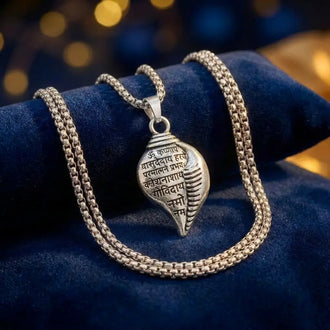
Pitru Dosha, on the other hand, is an astrological and karmic affliction believed to arise from the unfulfilled desires or displeasures of ancestors, or due to a lack of proper ancestral rites performed in the past. Unlike Pitru Paksha, which is a universal annual obligation, Pitru Dosha is a specific, often inherited, karmic debt. It can manifest as various persistent challenges in a descendant's life, such as difficulties in marriage and progeny, chronic health issues, career stagnation, financial troubles, or a general sense of misfortune and disharmony. Pitru Dosha is not a curse but a spiritual imbalance, a karmic debt that needs to be settled through specific, devoted remedies. Identifying Pitru Dosha usually requires consulting an experienced astrologer who can analyze one's birth chart for specific planetary combinations indicative of this affliction, particularly the positions of Sun, Moon, Rahu, and Ketu. Remedies often involve specific pujas, acts of charity, and continuous acts of reverence performed with true devotion and sincerity. Wearing an Authentic Rudraksha Mala with Brass Damru & Trishul Pendant can offer protection and spiritual grounding while addressing such doshas, helping to clear negative energies. Delve deeper into its astrological aspects with our post on Astrological Remedies for Pitru Dosha.
Spiritual Insight: Pitru Dosha serves as a profound reminder of the interconnectedness of past, present, and future generations. Addressing it with devotion transforms a karmic burden into an opportunity for spiritual growth, leading to liberation and sustained prosperity for the entire lineage.
Ancestral Rituals Timing: When and Why These Sacred Observances Matter
The precise timing for ancestral rituals is a critical aspect of Hindu tradition, as it is believed to significantly enhance the efficacy and positive impact of the rites. Pitru Paksha rituals are strictly time-bound to a specific annual fortnight, a period when the veil between the material and spiritual worlds is believed to be thinner, allowing offerings to reach ancestors more directly. In contrast, remedies for Pitru Dosha, being corrective in nature, can often be performed at various auspicious times throughout the year, or even integrated as ongoing daily practices, depending on the severity and nature of the affliction. Understanding this ancestral rituals timing difference is essential for performing these duties correctly and reaping their full spiritual benefits. The timing difference underscores the proactive nature of Pitru Paksha offerings-an annual duty of gratitude and sustenance-and the reactive, remedial nature of Pitru Dosha practices, which aim to rectify specific karmic imbalances. Both approaches are deeply rooted in the belief that the spiritual world interacts profoundly with the material, and that our actions have far-reaching ripple effects through generations. Proper adherence to the prescribed timings is a mark of sincerity, respect, and deep understanding towards one's lineage, paving the way for harmony and blessings.

Pitru Paksha Rituals: The Annual Obligation and its Sacred Schedule
Pitru Paksha is a fixed annual period, making it a mandatory obligation for all Hindu families to remember and honor their ancestors. During this 16-day period, specific dates (tithis) correspond to the death anniversary of individual family members. If the exact tithi of an ancestor is unknown, or for ancestors whose death dates are not observed individually, the 'Sarva Pitru Amavasya' (the last day of Pitru Paksha) is observed to perform rites for all ancestors collectively. This period is considered inauspicious for new beginnings, celebrations, or materialistic ventures but is highly auspicious and potent for ancestral worship and spiritual practices. The immense importance of Pitru Paksha is highlighted in various Puranas, which state that performing Shradh during this time grants immediate peace to the ancestors and abundant blessings to the living descendants, ensuring their well-being and success. Offerings made during this sacred period are believed to directly reach the departed souls, providing them sustenance and helping them advance in their spiritual journey. Preparing for these rituals often involves gathering specific, pure items and undergoing purification, for which a Monthly Vrindavan Puja Kit can be profoundly helpful, offering essential items blessed in sacred lands, ensuring authenticity and spiritual efficacy. Learn more about its history in our blog, The Historical Significance of Pitru Paksha.
Spiritual Insight: The annual observance of Pitru Paksha reinforces the cyclical nature of existence and our eternal connection to our forebears. It's a time to cleanse lineage karma and ensure the spiritual continuity that blesses both past and future generations.
When is Pitru Paksha 2026? Key Information and Dates
| Aspect | Details |
|---|---|
| Period | Bhadrapada Krishna Paksha (September 26, 2026 – October 10, 2026) |
| Duration | 15 Days |
| Primary Rituals | Shradh, Tarpan, Pind Daan |
| Key Day | Sarva Pitru Amavasya (October 10, 2026) – for ancestors whose death tithi is unknown |
| Sacred Locations | Gaya, Kashi, Haridwar, or home temple |
Daily Pitru Dosha Remedies: Consistent Spiritual Practice for Liberation
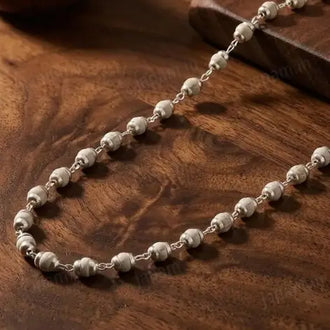
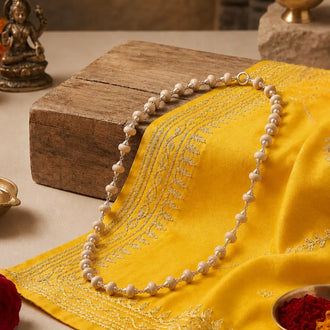
Unlike the fixed annual schedule of Pitru Paksha, Pitru Dosha remedies are often ongoing or can be performed whenever an individual feels the need or is advised by an astrologer after diagnosing the dosha in their birth chart. There isn't a single fixed period, but rather an emphasis on consistent, sincere spiritual practices aimed at appeasing displeased ancestors and balancing accumulated karmic debts. These remedies are designed to gradually reduce the effects of the dosha and bring lasting peace and prosperity. Examples include daily prayers, specific mantra chanting, performing simple water Tarpan to ancestors daily after morning bath, feeding cows or Brahmins, and regular acts of charity. The continuous nature of these remedies fosters a deeper, more personal connection with one's ancestors, moving beyond annual observances to a daily communion. Each act of devotion and kindness contributes positively to the karmic ledger, gradually dissolving the ancestral affliction. Using an Original Tulsi Japa Mala with 108 Original Big Beads for daily chanting can be an incredibly effective way to maintain these ongoing remedies, as Tulsi is considered highly sacred for spiritual purification. Discover the power of continuous devotion in our blog, Integrating Daily Spiritual Practices for Ancestral Harmony.
Spiritual Insight: Daily Pitru Dosha remedies transform a potential burden into a continuous spiritual discipline. This consistent connection fosters a flow of grace, turning ancestral afflictions into opportunities for profound blessings and personal growth.

Effective Remedies for Ancestral Well-being: Fulfilling Your Sacred Duties
Both Pitru Paksha rituals and Pitru Dosha remedies are profoundly crucial for ensuring the spiritual well-being of ancestors and, by extension, the living descendants. While the former is a universal annual duty of reverence, the latter is a corrective measure aimed at specific karmic imbalances. The effectiveness of these remedies lies not just in their performance, but in the sincerity, devotion, and true understanding with which they are undertaken. Understanding the specific steps and intentions for each can significantly enhance their impact, facilitating the journey of the departed souls and invoking their blessings. The ultimate aim is always to provide peace to the ancestors, help them transcend their earthly attachments, and thereby remove obstacles, fostering harmony, prosperity, and spiritual growth in the lives of their descendants. Engaging in acts of selfless service, compassion, and unwavering faith also greatly contributes to the positive karmic balance required to alleviate ancestral afflictions. The profound ancestral blessings that one can receive through dedicated observance of these rituals are immeasurable, creating a virtuous cycle of giving and receiving across generations.
Performing Shradh during Pitru Paksha: A Step-by-Step Guide to Ancestral Rites
Shradh is a detailed and highly significant ritual that involves offering Pind (rice balls mixed with black sesame seeds and ghee), Tarpan (water offerings), and food to Brahmins, who are revered as representatives of the ancestors. The meticulous process typically includes these key steps:
- Purification (Snanam): The performer takes a sacred bath, preferably in a holy river or with Ganga Jal, and wears fresh, clean clothes, signifying purity of body and mind.
- Sankalpa (Solemn Vow): A solemn vow is taken, stating the specific purpose of the Shradh, the names of the ancestors being honored, and the intention to perform the ritual with devotion.
- Pind Daan (Offering Oblations): Oblations of Pind are offered, symbolizing the physical body and providing spiritual nourishment to the ancestors. These are typically made from cooked rice, barley flour, or wheat flour, mixed with milk, honey, and ghee.
- Tarpan (Water Offerings): Water mixed with black sesame seeds, Kusha grass, and sometimes milk or Ganga Jal, is offered to the ancestors, seeking their satisfaction and liberation. This is done with specific mantras for each generation.
- Brahmin Bhojan (Feeding Brahmins): Food is offered to Brahmins, who are considered spiritual conduits and representatives of the ancestors. This act symbolizes feeding the ancestors themselves.
- Daan (Charity): Donations of clothes, grains, money, and other essentials are made to Brahmins or the needy, which is believed to please ancestors and generate positive karma.
The benefits of performing Shradh are profound, including ancestral blessings, alleviation of Pitru Dosha, peace for the departed souls, and overall prosperity, health, and progeny for the family. The performance of Shradh during Pitru Paksha is highlighted in Hindu scriptures as an act of profound gratitude, duty, and spiritual merit. For a complete and authentic experience, one might consider using an Ayodhya Prasad Box as part of the offerings, providing a divine connection blessed from the sacred land of Ayodhya. For deeper understanding, read our guide on The Transformative Power of Shradh.
Spiritual Insight: Performing Shradh is not merely a ritual but a heartfelt expression of gratitude and unconditional love, bridging the temporal gap between generations and ensuring the spiritual continuity of the family. In Vrindavan, devotees often perform specific sevas for their ancestors in temples, believing it to be highly auspicious for their liberation.
Daily Pitru Dosha Nivaran Mantras and Daan: Cultivating Continuous Harmony
Daily Pitru Dosha remedies are less elaborate than the annual Shradh rites but require consistent devotion and sincerity. These ongoing practices are designed to continuously appease ancestors, generate positive karma, and gradually address the root causes of Pitru Dosha. These include:
- Mantra Chanting: Regularly reciting powerful mantras such as 'Om Sarva Pitru Devatabhyo Namah' (Salutations to all ancestral deities) or the sacred Gayatri Mantra 108 times daily. These vibrations are believed to soothe and elevate ancestral souls.
- Simple Tarpan: Offering simple water Tarpan to ancestors daily after a morning bath, while facing south, is a potent practice. This basic offering of water and black sesame seeds with a heartfelt prayer connects you to your lineage.
- Feeding Animals (Pashu Seva): Offering food to crows, cows, dogs, or fish is considered an act of great merit (punya) and is believed to appease ancestors, who are sometimes believed to visit in these forms.
- Charity (Daan-Punya): Regularly donating food, clothes, or money to the needy, especially Brahmins or impoverished students, is a selfless act that creates positive karma, helping to clear ancestral debts.
- Sacred Offerings: Lighting a pure ghee lamp and offering fresh water to a Peepal tree (Ficus religiosa) is also considered highly auspicious for ancestral peace.
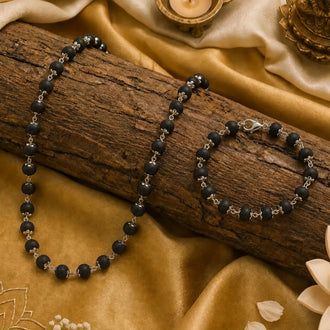
These consistent practices aim to create a continuous stream of positive energy and address the subtle karmic imbalances underlying Pitru Dosha. The regular offering of prayers and performing acts of kindness cultivate a purifying energy that gradually transforms the effects of the dosha. A Premium and Authentic Rudraksha Mala & Panch Mukhi Rudraksha Bracelet Combo - Blessed in Kashi can significantly enhance your daily meditation and chanting practices, providing spiritual focus and protection. Explore more daily practices in our blog, Powerful Mantras for Ancestral Blessings.
Spiritual Insight: Daily remedies for Pitru Dosha cultivate a continuous, dynamic connection with the ancestral realm, transforming potential afflictions into channels for profound blessings through consistent devotion and selfless acts of dharma. In the Vaishnava tradition, offering Prasad to Lord Krishna and then to Brahmins or cows is also considered a highly meritorious and indirect way of appeasing ancestors.
Choosing the Right Path: When to Perform Which Ancestral Ritual?
Deciding between the focused annual observances of Pitru Paksha and the ongoing nature of Pitru Dosha remedies can sometimes be confusing for devotees. Both have their specific times, purposes, and profound benefits in the realm of ancestral veneration. It's not a matter of one being superior to the other, but rather understanding when each type of ancestral ritual is most appropriate and effective for your spiritual journey. This comparison table will highlight the key differences to help you navigate your spiritual responsibilities towards your ancestors with greater clarity and confidence. Whether you're fulfilling an annual duty or addressing a specific ancestral affliction, knowing the right approach ensures your efforts are aligned with dharma and bring the desired peace, prosperity, and spiritual liberation. This clear distinction is crucial for optimizing your spiritual practices for comprehensive ancestral well-being and receiving their complete blessings.
Pitru Paksha vs Pitru Dosha Remedies: A Detailed Comparison
| Feature | Pitru Paksha Rituals | Pitru Dosha Remedies | Recommended For |
|---|---|---|---|
| Occasion | Annual 15-day period, honoring all ancestors. | Specific karmic affliction indicated in birth chart. | All Hindus as an annual duty. For a deeper spiritual connection during Shradh, try an Original 5 Mukhi Rudraksha Mala (Nepali/Indian). |
| Urgency | Mandatory annual observance, fixed dates. | When diagnosed, requires consistent, ongoing efforts. | Individuals facing specific life challenges. For daily chanting, consider an Original Tulsi Kanthi Mala Triple Round. |
| Scope | General well-being and liberation of all ancestors. | Mitigating specific karmic debts and their effects on the living. | For both general ancestral reverence and specific remediation, a Premium and Authentic Rudraksha Mala & Panch Mukhi Rudraksha Bracelet Combo can be worn for protection and blessings. |
| Goal | Provide peace, liberation, and receive blessings from ancestors. | Remove obstacles, resolve life problems, achieve peace and prosperity for descendants. | To ensure ancestral blessings for overall prosperity, an Authentic Lakshmi Ganesha Pure Silver Coin is ideal for offerings and attracting abundance. |
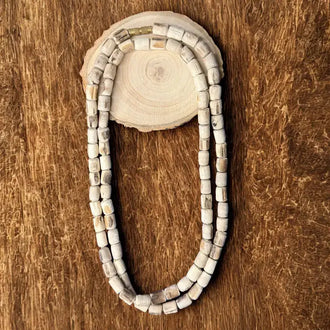
| Timing | Fixed annual fortnight (Bhadrapada Krishna Paksha), Sept 26 - Oct 3, 2026. | Flexible, ongoing; specific auspicious days (e.g., Amavasya, Ekadashi), or as advised by an astrologer. | For regular spiritual practice to alleviate doshas, an Original Vaijanti Mala is perfect for chanting and attracting peace and victory. |
Essential Samagri for Ancestral Rituals: Preparing Your Sacred Space
Proper preparation is key to performing any puja or ritual effectively, and ancestral rites are no exception. Having the right samagri (materials) not only adheres to scriptural guidelines but also significantly enhances the spiritual atmosphere and focus of your devotion. These items act as sacred conduits for your prayers and intentions to reach the higher realms and connect with your ancestors. Whether you are preparing for the solemnity and elaborate rituals of Pitru Paksha or engaging in daily pitru remedies, ensuring your sacred space is purified and your offerings are authentic and appropriate is vital for the efficacy of your spiritual practice. This section guides you through the essential items needed to perform these profound rituals with the reverence and efficacy they deserve, allowing you to connect deeply with your ancestral lineage and invite their blessings into your life. The purity and authenticity of these items are paramount, as they underscore the sincerity of your devotion.
Preparing Your Mandir for Pitru Paksha: A Sacred Setup
To perform Shradh or Tarpan during Pitru Paksha at home, your mandir or designated puja space should be prepared with meticulous care and reverence. This thoughtful setup creates an auspicious environment, inviting the presence of your ancestors and ensuring your offerings are received.
- Cleanliness & Purification: Ensure the puja area is thoroughly cleaned, decluttered, and purified with Ganga Jal or sacred water, creating a sanctified space.
- Altar Setup: Set up a clean altar with an image or idol of your Kuldevta (family deity) to seek their blessings, and a designated space or photo for your ancestors, facing south.
-
Essential Offerings: Gather specific and pure items for the rituals:
- Cooked food (especially Kheer, Puri, and sattvic vegetables without onion/garlic).
- Black sesame seeds (Til), crucial for Tarpan.
- Kusha grass (Darbha), used for purification and sacred boundaries.
- Ganga Jal or pure water in a copper vessel.
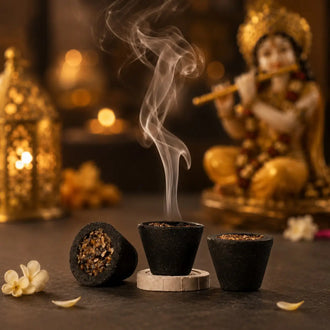
- Ghee lamp (Diya) with pure ghee; Incense Cups - Purity, Blessings & Peace can create a serene and auspicious atmosphere.
- Incense sticks (Agarbatti) or Dhoop.
- Fresh flowers, especially white ones, and sacred threads (Janeu).
- Panchamrit (a mixture of milk, curd, ghee, honey, and sugar) for offerings.
- Seating Arrangement: Arrange clean seating for the person performing the ritual and for Brahmins if they are invited for Bhojan.
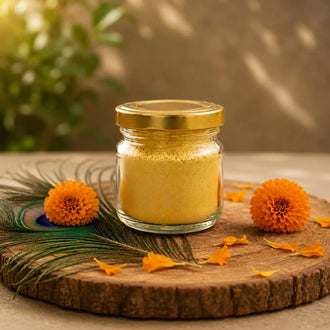
The careful preparation of the mandir reflects the deep respect and sanctity attributed to the ancestors, creating an auspicious and potent environment for the rituals. For authentic ceremonial items, consider Chandan - Blessed from Vrindavan for sacred markings and purification, enhancing the spiritual efficacy of your rites.
Daily Essentials for Pitru Dosha Nivaran: Simple Yet Potent Aids
For daily Pitru Dosha remedies, the requirements are simpler compared to Pitru Paksha, focusing on consistency and ease of integration into your routine. These everyday essentials make it convenient to maintain your ancestral veneration, transforming your home into a haven of continuous spiritual practice and appeasement for your ancestors. Regular use of these items fosters a deeper connection and helps in gradually alleviating the dosha.
- Water Vessel: A clean copper or brass vessel specifically for offering water (Tarpan) to your ancestors daily.
- Black Sesame Seeds (Til): Keep a small, fresh amount readily available for daily water offerings, as they are highly sacred for ancestral rites.
- Lamp & Incense: A small ghee lamp and a few incense sticks to light during your daily prayers, creating a sanctified ambiance.
- Ganga Jal: A small bottle of Ganga Jal for purification purposes and adding to water offerings.
- Prayer Beads (Mala): A mala for chanting mantras daily. A Tulsi Japa Mala with 108 Original Big Beads for Meditation is highly recommended for mantra recitation, being spiritually potent for connecting with the divine.
- Bird/Animal Feed: Keep some grains, bread, or specific birdseed to offer to crows or other animals, as this is a traditional way to appease ancestors.
- Charity Box: A dedicated box for daily contributions to charity, reinforcing the act of giving and accumulating positive karma.
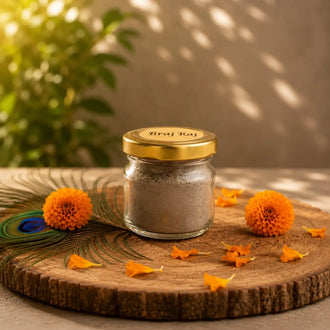
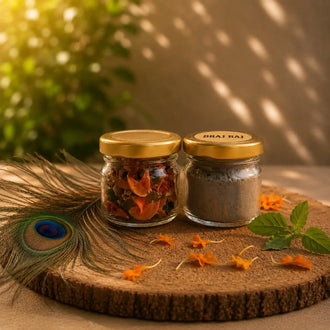
Incorporating items blessed in sacred lands, such as Braj Raj - Blessed from Vrindavan, can add an extra layer of sanctity and spiritual power to your daily offerings, connecting your home practice directly to the divine energy of Vrindavan.
The Profound Spiritual Connection with Ancestors: An Eternal Bond
Beyond the meticulous rituals and specific remedies, the relationship with our ancestors is a profound spiritual bond that transcends the boundaries of time and space. Honoring them is not just a duty prescribed by scripture but an act of deep reverence and love that strengthens our own spiritual roots and karmic foundation. When we sincerely perform Pitru Paksha rituals or diligently implement daily pitru remedies, we are acknowledging our place in a continuous, sacred lineage. We are not only seeking their blessings but actively participating in a cosmic exchange, clearing pathways for future generations and ensuring the spiritual progress of those who came before us. This deep connection reinforces the profound idea that we are all part of a larger cosmic family, intricately interconnected through spiritual, energetic, and genetic ties. Understanding the Pitru Paksha importance Hindu texts describe helps us grasp the profound, life-affirming nature of this sacred bond, reminding us that the love, guidance, and blessings of our ancestors are always with us, subtly guiding our journey through life and supporting us in our endeavors.
Through these acts of devotion, we not only ensure the peace and liberation of our departed loved ones but also invite their benevolent energies into our lives, fostering harmony, protection, and unparalleled spiritual growth. It's a continuous cycle of giving and receiving, a testament to the eternal bond, ensuring that the legacy of dharma and spiritual wisdom continues to flourish through generations. This profound spiritual connection empowers us to overcome challenges, knowing we are supported by an invisible, yet eternally present, force of ancestral love and grace. Have you felt a profound connection to your ancestors through your spiritual practices, and how has this connection influenced your life's journey?
Bring Ancestral Blessings Home with Dharmik
At Dharmik, we understand the profound importance of ancestral rituals and the impeccable purity required for such sacred practices. We offer a curated selection of authentic puja products, rigorously lab-certified for quality and often abhimantrit in sacred locations like Vrindavan or Kashi, to help you perform your ancestral rituals with utmost devotion, spiritual efficacy, and peace of mind. From genuine malas for powerful chanting to pure ceremonial items, Dharmik is your trusted partner in seamlessly connecting with your spiritual heritage. Let us support you in fulfilling your ancestral duties and inviting profound peace, protection, and prosperity into your home and lineage.
Ensure your sacred rituals are blessed with unparalleled authenticity and divine grace. For your daily Pitru Dosha remedies or the crucial Pitru Paksha observances, explore our exquisite collection of sacred items. Discover the Tulsi Japa Mala with 108 Original Big Beads for Meditation for powerful mantra recitation, known for its spiritual purifying properties, or an Authentic Rudraksha Mala with Brass Damru & Trishul Pendant Blessed in Kashi for spiritual protection, inner strength, and connecting with divine energies. Every product from Dharmik is meticulously designed to enhance your spiritual journey and help you honor your ancestors with the deepest reverence and unwavering love. We are committed to your spiritual well-being, offering free shipping on all orders, ensuring these sacred items reach you with ease and purity.
FAQs About Ancestral Rituals and Remedies
Q: What is the main difference between Pitru Paksha and Pitru Dosha?
A: The main difference between Pitru Paksha and Pitru Dosha is that Pitru Paksha is an annual period of 16 days dedicated to offering prayers and food to all ancestors, while Pitru Dosha is a specific karmic affliction caused by displeased ancestors or unfulfilled rites, affecting one's life.
Q: How does Pitru Paksha importance Hindu tradition for family well-being?
A: Pitru Paksha importance in Hindu tradition for family well-being is immense because performing Shradh during this period appeases ancestors, grants them peace and liberation, and in turn, brings their blessings for prosperity, health, and harmony to the living family members.
Q: What are some effective daily pitru remedies for Pitru Dosha?
A: Some effective daily pitru remedies for Pitru Dosha include offering water (Tarpan) with black sesame seeds to ancestors, chanting specific mantras like 'Om Sarva Pitru Devatabhyo Namah', feeding crows, cows, or dogs, and performing acts of charity regularly with devotion.
Q: Can Pitru Dosha be completely removed, or only mitigated?
A: Pitru Dosha can be completely removed, or only mitigated, through consistent and sincere performance of prescribed remedies, including pujas, charity, and ancestral rites. While complete removal is the goal, continuous efforts significantly reduce its negative impacts and bring spiritual relief.
Q: Why is ancestral rituals timing difference important?
A: Ancestral rituals timing difference is important because Pitru Paksha rituals are strictly time-bound to an annual fortnight, meant for collective ancestral homage, whereas Pitru Dosha remedies are often ongoing or performed on various auspicious days to address specific karmic afflictions.
Conclusion
Navigating the spiritual responsibilities towards our ancestors, particularly understanding the nuanced distinction between Pitru Paksha vs Pitru Dosha, is fundamental to profound Hindu practice. We've comprehensively explored that Pitru Paksha is an annual, collective observance for all ancestors, a period of deep gratitude and sustenance, while Pitru Dosha is a specific karmic affliction requiring consistent, ongoing remedies. The timing, purpose, and specific ancestral rituals differ significantly, yet both ultimately aim to ensure the peace and liberation of departed souls and bring abundant blessings to the living descendants. By adhering to these sacred practices with utmost sincerity, devotion, and understanding, we not only profoundly honor our lineage but also foster a harmonious, prosperous, and spiritually enriched life for ourselves and all future generations. Discover authentic puja products and sacred items at Dharmik to empower your ancestral rituals and receive the most profound and lasting blessings from your revered ancestors.
By Dharmik