Perform a Complete Ram Navami Puja at Home with this 21-Item Checklist

Perform a Complete Ram Navami Puja at Home with this 21-Item Checklist
By Dharmik, Devotional Content Lead. Last updated: 29 October 2026
Devotees at the Kanak Bhawan temple in Ayodhya begin their preparations days before the Chaitra Navami sunrise. Performing a ram navami puja at home allows your family to invite the same Maryada Purushottam energy into your living space. This guide provides a verified samagri list and the sixteen sequential steps for a successful household ritual.
Quick Takeaways
- Prepare the altar with a yellow silk cloth to represent the Pitambara robes of Lord Rama.
- Use only fresh tulsi leaves and avoid broken rice grains during the grain offering.
- Perform the main abhishek during the Madhyahna period when the sun is at its peak.
- Keep a copper kalash with five mango leaves to anchor the energy of the sthapana.
Why This Matters
Chaitra Navami marks the appearance of the seventh avatar of Lord Vishnu during the Treta Yuga. In the tradition of Vrindavan and Ayodhya, this day celebrates the descent of dharma into the human sphere. Keeping a Ram Darbar in your home signifies the presence of ideal leadership, brotherhood, and devotion. This ritual checklist follows the standard Smarta and Vaishnava customs observed across India. SCRIPTURE_REF states that this ritual is based on long-standing regional customs and householder traditions rather than a single specific Vedic text. Establishing a dedicated space for the deity helps align the household with the principles of truth and righteousness. The presence of Sita Devi, Lakshman, and Hanuman alongside Rama ensures a balanced flow of grace. By following the ram navami puja steps accurately, you maintain the sanctity of the occasion. This practice serves as a reminder of the victory of light over darkness within our own hearts. It is a day to renew our commitment to the path of duty and devotion.
What You'll Need
This list ensures you have every ritual item ready before the shubh muhurat begins at midday.
The essentials
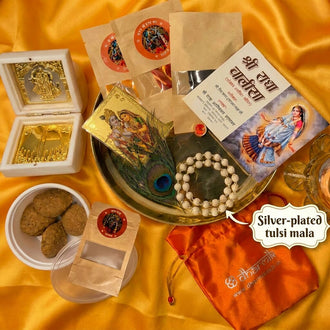
- Ram Darbar idol: the central focus of your worship containing Rama, Sita, Lakshman, and Hanuman. divine Ram Darbar
- Yellow cloth: used to cover the wooden chowki or altar base. home mandir essentials
- Tulsi leaves: the most important herbal offering for any Vishnu avatar.
- Ghee lamp: a brass or clay diya to maintain the Akhand Jyoti during the prayer.
- Chandan: sandalwood paste for the tilak of the deities and devotees.
If you are doing the full vidhi
- Copper Kalash: for the water offering and sthapana ritual.
- Mango leaves: five or seven leaves used to decorate the neck of the kalash.
- Coconut: placed on top of the kalash with the husk facing upward.
- Panchamrit: a mixture of milk, curd, honey, sugar, and ghee for the bath.
- Akshat: whole, unbroken rice grains mixed with a pinch of turmeric.
- Molly: the red and yellow sacred thread for the deities.
- Brass Bell: to be rung during the aarti to clear the atmosphere.
Explore our full range of ritual items in the home mandir essentials collection.
How to Perform Ram Navami Puja at Home
The following ram navami puja steps follow the Shodashopachara method, which consists of sixteen specific services offered to the Lord. Begin by cleaning the entire house and taking a bath before sunrise. Set up the altar in the North-East corner of your room, facing East.
1. Avahana and Asana
Invoke the presence of Lord Rama into the idol or picture. Place the Ram Darbar on the yellow cloth. Visualize the Lord arriving from Ayodhya to accept your humble invitation. Offer a few grains of akshat as a symbolic seat for the divine guests.
2. Padya and Arghya
Offer water to wash the feet of the Lord using a small copper spoon. This represents the ancient Vedic custom of welcoming a guest after a long journey. Next, offer water mixed with flowers and chandan for washing the hands. Collect this water in a separate vessel called the Visarjani Patra.
3. Achamana and Madhuparka
Offer three sips of clean water for internal purification of the deity. Follow this with Madhuparka, a nourishing mixture of honey and curd. This step symbolizes the sweetness of devotion and the hospitality of the householder. Ensure the honey is pure and the curd is fresh.
4. Snana and Abhishek
Bathe the idol with water first, then with the prepared Panchamrit. If you are using a picture frame, perform a symbolic bath by sprinkling water with a flower. Use the fifth ingredient, ghee, last to ensure the idol shines beautifully. Rinse one final time with warm water and wipe with a clean cotton cloth.
5. Vastra and Yagnopavit
Offer new yellow clothes to the Lord. If stitched clothes are unavailable, offer two pieces of molly thread. Place the Yagnopavit, or sacred thread, across the left shoulder of Rama and Lakshman. This marks their status as the protectors of the cosmic order.

6. Gandha and Pushpa
Apply Malayagiri chandan tilak on the forehead of each figure in the Darbar. Offer fresh tulsi leaves specifically at the feet of Rama. Use yellow marigolds or hibiscus to decorate the altar. Ensure no flowers are wilted or have fallen on the floor before the offering.
7. Dhupa and Deepa
Light the guggul or loban incense sticks to purify the air. Move the sticks in a clockwise direction three times around the altar. Next, light the ghee lamp and offer its light to the Lord. This represents the removal of ignorance from the mind of the devotee.
8. Naivedya and Tambula
Offer the special ram navami samagri list items including Panakam (jaggery water) and Neer Mor (spiced buttermilk). Include a bowl of fresh fruits like bananas and seasonal mangoes. Finish by offering Tambula, which consists of two betel leaves, a betel nut, and a coin.

9. Niranjan and Pushpanjali
Perform the final aarti using camphor or a multi-wick lamp. Ring the bell continuously during this process. After the aarti, stand up with a handful of flowers and offer them as Pushpanjali. Seek forgiveness for any mistakes made during the ritual steps.
Checklist for Daan and Charity
- Food Grains: Donate five kilograms of wheat or rice to a local temple kitchen or a needy family.
- Jaggery and Water: Set up a small station outside your home to provide cool water and jaggery to passersby.
- Yellow Clothing: Give cotton dhotis or towels to elderly brahmins or those in search of shelter.
- Sacred Books: Distribute copies of the Ramayana or small prayer booklets to encourage spiritual reading.
- Daksina: Provide a monetary offering to a local priest to support the upkeep of the neighborhood temple.
What is the single most commonly forgotten item on a Ram Navami puja samagri list?
The most commonly forgotten item is yellow mustard seeds, also known as Sarson. While most devotees remember the flowers and sweets, they often overlook these seeds used for the Dig-Bandhan ritual. Dig-Bandhan involves sprinkling mustard seeds in the ten directions to protect the puja space from negative influences. Without this step, many practitioners feel the ritual environment remains vulnerable to external distractions. Another frequently missed item is the Kalava or Molly thread for the Kalash. Devotees often assume the yellow cloth is enough, but the thread represents the binding of the ritual's energy. If you find you have missed these items, do not panic or stop the prayer mid-way. Use a pinch of turmeric as a substitute for the mustard seeds and offer a mental prayer to Lord Rama. He values the sincerity of the heart over the perfection of the material list. If you are unsure about the procedure, consult a qualified priest for a short guidance session.
Common Mistakes
- Using Broken Rice: Never offer Akshat that has broken grains, as this is considered disrespectful in Vedic tradition.
- Wrong Direction: Avoid placing the altar in the South direction, which is generally reserved for ancestral rites.
- Timing Errors: Do not perform the birth celebration after sunset, as the Tithi window usually peaks at midday.
- Tulsi Etiquette: Never pluck Tulsi leaves on the day of the festival; gather them on the previous evening.
- Dirty Vessels: Ensure copper vessels are scrubbed with tamarind or lemon to remove any black oxidation before the bath.
FAQ
How do I prepare the Ram Navami samagri list at home?
The ram navami samagri list is prepared by gathering twenty-one essential items including yellow cloth, tulsi, and panchamrit. You should organize these items on a clean tray a day before the festival to avoid any last-minute stress during the muhurat.
What are the essential ram navami puja steps for beginners?
The essential ram navami puja steps for beginners involve cleaning the altar, bathing the idol, and offering flowers. Focus on the Shodashopachara method which covers sixteen simple services including the offering of water, food, and the final camphor aarti.
Can I perform the puja without a Ram Darbar idol?
You can perform the puja without a physical idol by using a clean printed picture of the Lord. The ritual remains the same, but you sprinkle water and offerings towards the picture instead of bathing a metal or stone surface.
Which flowers are best for Lord Rama?
Lord Rama prefers yellow flowers like marigolds, yellow roses, and yellow hibiscus because the color represents knowledge. You must always include Tulsi leaves in your floral offerings, as no Vishnu puja is complete without this sacred plant's presence.
What should I do with the water used in the abhishek?
The water used in the abhishek, known as Charnamrit, should be collected and distributed to family members as prasadam. Any remaining water should be poured into the base of a Tulsi plant or any clean garden tree instead of the drain.
Conclusion
Preparing for your ram navami puja at home requires attention to detail and a heart full of devotion. By following the sixteen steps and ensuring your samagri is complete, you create a sacred atmosphere for your family. Remember to focus on the qualities of the Lord while performing each offering. You can find more details on the specific timings and procedures in our ram navami puja steps at home guide. May the appearance of Sri Ram bring peace and discipline to your household this year.