Sawan 2026 Rudrabhishek Vidhi: Complete Guide, Dates & Benefits

Sawan 2026 Rudrabhishek Vidhi: A Devotee's Guide to Sacred Abhishek
As the monsoon clouds gather and nature rejuvenates, the sacred month of Sawan (Shravan) arrives, inviting Shiva devotees to perform special pujas. Among these, the Rudrabhishek vidhi holds immense significance, believed to bring powerful blessings from Lord Shiva himself. This ritual involves bathing the Shivalinga with sacred substances and chanting powerful mantras. This guide will help you understand the proper steps, necessary items, and spiritual merits of performing this revered worship during Sawan 2026.
Quick Takeaways
- Rudrabhishek is a powerful ritual for Lord Shiva, especially beneficial in Sawan.
- The puja involves bathing the Shivalinga with specific sacred dravya.
- Performing Rudrabhishek can mitigate planetary doshas and fulfill desires.
- Gathering correct samagri and following vidhi ensures proper worship.
Sawan 2026 Key Dates & Observances Snapshot
| Event | Date | Tithi (Lunar Day) | Muhurat (Auspicious Time) | Significance |
|---|---|---|---|---|
| Sawan Begins | Tuesday, July 21, 2026 | Pratipada (Krishna Paksha) | Sunrise to Sunset | Start of Lord Shiva's sacred month |
| First Sawan Somwar | Monday, July 27, 2026 | Saptami (Krishna Paksha) | Morning to Evening | First Monday fast for blessings |
| Second Sawan Somwar | Monday, August 3, 2026 | Ekadashi (Krishna Paksha) | Morning to Evening | Second Monday fast, intensifying devotion |
| Masik Shivratri | Wednesday, August 5, 2026 | Chaturdashi (Krishna Paksha) | Nishita Kaal (Aug 5 late night) | Highly auspicious for Shiva worship |
| Third Sawan Somwar | Monday, August 10, 2026 | Tritiya (Shukla Paksha) | Morning to Evening | Third Monday fast, seeking prosperity |
| Fourth Sawan Somwar | Monday, August 17, 2026 | Dashami (Shukla Paksha) | Morning to Evening | Final Monday fast, culmination of prayers |
| Sawan Purnima | Wednesday, August 19, 2026 | Purnima (Shukla Paksha) | Sunrise to Sunset | End of Sawan, Raksha Bandhan |
Why Rudrabhishek Matters During Sawan
The month of Sawan, spanning from July 21st to August 19th in 2026, is wholly dedicated to Lord Shiva. This makes it the most auspicious time for His worship. Performing Rudrabhishek during this period is considered exceptionally potent. Devotees observe fasts and offer special prayers to gain divine grace. This sacred ritual is firmly established in Hindu scriptures, detailing its power to cleanse karmic debts and bestow blessings.
The Shiva Purana, Rudra Samhita 2.14, explicitly describes Rudrabhishek as a means to please Lord Shiva. It states that by performing this abhishek with devotion, all desires of the devotee are fulfilled. Kashi, Lord Shiva's eternal city, is a prime example of where this tradition thrives. Countless devotees perform Rudrabhishek throughout Sawan in Kashi. This ancient practice is believed to grant both liberation and material well-being.
Beyond personal desires, the ritual is often performed for universal peace, prosperity, and the removal of negative influences. It is a powerful way to connect with the supreme cosmic energy embodied by Shiva, the Mahadeva. Sawan also marks the time when Lord Shiva consumed the Halahala poison, saving the universe, making gratitude and worship during this month especially meaningful. Understanding the Shravan Maas Vrat rules can further enhance the benefits of your Rudrabhishek worship.

The Main Guide: Rudrabhishek Vidhi Steps
Performing Rudrabhishek requires careful adherence to the traditional rudrabhishek puja vidhi to ensure its efficacy and spiritual benefit. This ritual involves several steps, each with its own significance, culminating in a powerful invocation of Lord Shiva's blessings. Here is a step-by-step guide for performing the sacred abhishek.
Essential Rudrabhishek Samagri List
| Item | Quantity | Purpose |
|---|---|---|
| Shivalinga | 1 | Main deity for worship |
| Gangajal | 1 liter | Purification and sacred bathing |
| Milk (unboiled) | 500 ml | Purity, longevity, and prosperity |
| Yogurt | 250 ml | Health and happiness |
| Ghee (clarified butter) | 100 ml | Wealth and spiritual growth |
| Honey | 100 ml | Sweetness in relationships, good fortune |
| Sugar/Jaggery | 100 gm | Sweetness and abundance |
| Panchamrit | As needed | Special five-nectar offering |
| Chandan (sandalwood paste) | Small amount | Cooling and peace |
| Bhasma (sacred ash) | Small amount | Purity and detachment |
| Belpatra (wood apple leaves) | 108, 11, or 21 | Most beloved offering to Shiva |
| Dhatura & Aak flowers | Few | Specific floral offerings |
| Naivedyam (sweets/fruits) | As per devotion | Food offering |
| Agarbatti & Incense Cups | As needed | Aromatherapy and light offering |
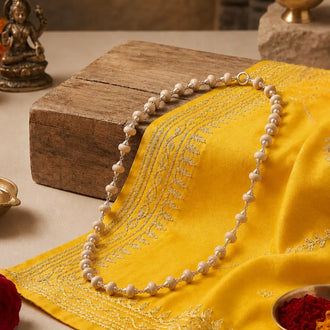
| Original 5 Mukhi Rudraksha Mala | 1 | For japa (chanting) |
Step-by-Step Puja Vidhi
- Preparation and Sankalpa: Begin by purifying yourself with a bath. Set up the puja altar with the Shivalinga, facing north or east. Light Dharmik's Incense Cups and incense. Hold your Original 5 Mukhi Rudraksha Mala and declare your sankalpa (resolve) for performing the puja. Clearly state your intention and the benefits you seek from Lord Shiva.
- Ganesh Puja: Start with an invocation of Lord Ganesha, the remover of obstacles. Offer water, fresh flowers, and a sweet like Modak to Ganesha before proceeding with the main Shiva worship. This ensures a smooth and successful ritual without interruptions.
- Shivalinga Sthapana: Place the Shivalinga on a clean plate or pedestal, such as a copper or silver tray. Offer a small amount of Gangajal to purify the lingam before commencing the abhishek. Chant "Om Namah Shivaya" throughout this process, focusing your mind on Shiva.
- Abhishek with Water: Begin the Rudrabhishek vidhi by pouring a continuous stream of pure water or Gangajal over the Shivalinga. While pouring, chant the Maha Mrityunjaya Mantra or "Om Namah Shivaya" repeatedly, allowing the divine vibrations to fill the space.
- Panchamrit Abhishek: After water, individually offer milk, yogurt, ghee, honey, and sugar over the Shivalinga. Many devotees prefer to mix these five ingredients to form Panchamrit and offer it as a single sacred dravya, symbolizing the five nectars of immortality.
- Dravya Offerings: Follow the Panchamrit with other specified abhishek dravya. This can include fruit juices like sugarcane juice or grape juice, coconut water, or rose water. Each offering carries its unique spiritual significance and pleases Lord Shiva.
- Chandan and Bhasma: After all liquid offerings, gently wipe the Shivalinga clean with a fresh cloth. Apply Chandan paste, drawing three horizontal lines (Tripundra) on the Shivalinga. These lines symbolize the three worlds and Lord Shiva's supreme power. Then, adorn the Shivalinga with sacred Bhasma, symbolizing purity and detachment.
- Floral Offerings and Belpatra: Offer fresh flowers, especially Dhatura and Aak flowers, which are very dear to Lord Shiva. Most importantly, offer Belpatra leaves, ensuring they are clean and intact. Belpatra are usually offered in sets of three leaves per stem, representing the Holy Trinity and Shiva's three eyes.
- Naivedyam and Aarti: Offer seasonal fruits, homemade sweets, or other pure food items as Naivedyam to Lord Shiva. Conclude the puja with the chanting of Shiva Aarti, waving a lamp before the deity. Offer your final prayers and prostrate before the Shivalinga.
Understanding the Abhishek Dravya and Their Significance
Each substance used in Rudrabhishek holds symbolic meaning and contributes uniquely to the spiritual benefits of the ritual. The careful selection and offering of these abhishek dravya are integral to the Rudrabhishek vidhi. Understanding their essence deepens a devotee's connection with Lord Shiva.
-
Gangajal: The Purifier
Gangajal, water from the holy river Ganga, is paramount among all offerings. It symbolizes purity and salvation. Offering Gangajal cleanses all sins and brings peace. Many devotees source authentic Gangajal from Kashi, believing it carries the divine vibrations of the sacred river itself. -
Milk: For Longevity and Purity
Unboiled cow's milk is offered to Lord Shiva to pray for longevity, good health, and a pure mind. It represents purity and nourishment. This offering is believed to bestow children and protect them from illness, ensuring well-being for the family. -
Yogurt: For Health and Happiness
Dahi or yogurt is offered to seek good health and a joyful life. It symbolizes prosperity and well-being in all aspects. Regular offering of yogurt in the abhishek brings mental and physical stability to the worshiper, promoting harmony. -
Ghee: For Wealth and Spiritual Growth
Ghee, or clarified butter, is offered to attract wealth, abundance, and spiritual enlightenment. It signifies prosperity and inner illumination, dispelling darkness. Devotees often use pure ghee made from cow's milk for this sacred purpose, enhancing its sattvic quality. -
Honey: For Sweetness and Auspiciousness
Honey is offered for a sweet and harmonious life, free from bitterness and discord. It symbolizes good fortune and auspiciousness, bringing positive energy. Offering honey ensures pleasant relationships and a life filled with joy and contentment. -
Sugar: For Happiness and Prosperity
Sugar or jaggery is offered to invite happiness and prosperity into one's life. It represents sweetness and contentment, removing obstacles that cause sadness. This offering is believed to remove sorrows and fill life with positivity and abundance. -
Panchamrit: The Five Nectars
Panchamrit, a mixture of milk, yogurt, ghee, honey, and sugar, is a collective offering representing the five divine nectars. It is considered highly purifying and beneficial, embodying the essence of spiritual sustenance. The offering of Panchamrit is a cornerstone of the Rudrabhishek puja vidhi. -
Chandan: For Peace and Serenity
Sandalwood paste (Chandan) is applied to the Shivalinga for its cooling properties and to invite peace, tranquility, and positive energy. It represents devotion and spiritual calm, bringing a sense of serenity to the puja atmosphere and the devotee's mind. -
Bhasma: Symbol of Detachment
Bhasma, or sacred ash, symbolizes detachment from the material world and the transient nature of life. Adorning the Shivalinga with Bhasma signifies surrender and devotion to Lord Shiva's ultimate truth. It is collected from sacred fires and signifies purity. -
Belpatra: Lord Shiva's Favorite
Belpatra leaves are considered the most sacred offering to Lord Shiva. Each leaf, typically tripartite, symbolizes the three eyes of Shiva and the Holy Trinity (Brahma, Vishnu, Shiva). Offering Belpatra is believed to be equivalent to offering millions of other leaves and flowers, granting all desires. Devotees ensure the leaves are fresh and undamaged. -
Dhatura and Aak Flowers: Specific Offerings
Dhatura (thorn apple) and Aak (madar) flowers are specific offerings revered by Lord Shiva. They are associated with His ascetic nature and are believed to quickly appease Him, granting blessings and removing obstacles. Offering these flowers is a traditional practice in Shiva worship, reflecting His unique preferences.

Rudrabhishek Benefits and Auspicious Offerings
Performing Rudrabhishek, especially during Sawan, offers a multitude of spiritual and material advantages to devotees. The ritual provides immense comfort and protection, reinforcing faith in divine providence. Here are some of the key Rudrabhishek benefits:
- Removal of planetary doshas: It is believed to pacify malefic planets in one's astrological chart, bringing harmony and stability to life.
- Attainment of prosperity: Regular performance can lead to financial growth, career success, and overall abundance in life.
- Good health and longevity: Seek blessings for physical well-being, healing from ailments, and a long, disease-free life.
- Fulfillment of desires: Devotees pray for specific wishes, from progeny and happy marriage to career success, believing Shiva will grant them.
- Protection from evil: The powerful vibrations protect against negative energies, black magic, and untimely death, ensuring divine shield.
- Inner peace and mental clarity: The chanting and focused meditation during the puja bring calmness and spiritual insight, reducing stress.
- Purification of sins: The ritual cleanses past karmic impurities and present transgressions, paving the way for spiritual progress.
For offerings (Daan) after Rudrabhishek, consider donating:
- Food grains: Offer rice, wheat, or other staples to the needy or to a temple kitchen, especially on Sawan Somwars.
- Clothes: New clothes can be donated to Brahmins, priests, or less fortunate individuals as an act of charity.
- Money: Monetary donations to temples or charitable causes are considered highly meritorious and aid spiritual institutions.
- Ghee: Donating pure ghee to a temple for lamps or cooking is auspicious and brings positive energy.
- Panchamrit ingredients: Offer milk, yogurt, or honey to a local temple or distributed as Prasad.
- Rudraksha beads: Donating a Original 1 Mukhi Rudraksha Bead or a simple mala to another devotee is a noble act, sharing spiritual merit.
Can Rudrabhishek be performed at home without a pandit?
Yes, Rudrabhishek can certainly be performed at home without a pandit, provided you approach it with sincere devotion and a basic understanding of the ritual. Many devotees choose to perform a simpler form of the puja, focusing on the core abhishek and chanting. While a pandit provides guidance on complex Vedic mantras like Namak Chamak and the elaborate Ekadash Rudri, a heartfelt offering of water, milk, and Belpatra with continuous chanting of "Om Namah Shivaya" is deeply cherished by Lord Shiva. For a simpler home puja, concentrate on maintaining cleanliness, ensuring purity of intent, and making regular offerings. You can use readily available items for abhishek. The most important aspect is your bhava (feeling) and dedication. For guidance on specific festival observances, you can also explore resources like the Sawan Shivratri puja vidhi for further insight into home rituals and personal worship practices during Sawan.
Common Mistakes to Avoid During Rudrabhishek
- Ignoring Cleanliness: Ensure the puja area, all samagri, and your body are thoroughly clean before starting. Impurity can diminish the spiritual efficacy of the ritual.
- Using Damaged Belpatra: Only offer intact, fresh Belpatra leaves; avoid torn, worm-eaten, or withered ones. The integrity of this sacred offering is important.
- Incomplete Offerings: Do not miss essential abhishek dravya like water, milk, or Belpatra, which are crucial and considered foundational for the worship.
- Improper Direction: Always place the Shivalinga facing towards the north or east. The devotee typically faces west or south while performing the abhishek for correct alignment.
- Lack of Devotion: Performing the puja mechanically without genuine faith and devotion reduces its spiritual impact. Sincerity of heart is paramount.
- Distractions: Avoid interruptions, phone calls, or engaging in mundane conversations during the puja. Maintain a focused and meditative state throughout the ritual.
What is Rudrabhishek?
Rudrabhishek is a sacred Hindu ritual where a Shivalinga is bathed with various holy substances like water, milk, and honey while chanting Vedic mantras, primarily from the Rudram. This powerful worship is dedicated to Lord Shiva to seek blessings, remove obstacles, and purify one's mind and surroundings.
What are the main items in the rudrabhishek samagri list?
The main items in the rudrabhishek samagri list typically include a Shivalinga, Gangajal, unboiled milk, yogurt, ghee, honey, sugar, belpatra, dhatura, aak flowers, chandan, bhasma, incense, and a lamp. These items collectively form the essential offerings for the sacred ritual.
What are the primary abhishek dravya used?
The primary abhishek dravya used are water, unboiled milk, yogurt, ghee, honey, and sugar, often combined into Panchamrit. Other important dravya include fruit juices, sugarcane juice, coconut water, and rose water, each symbolizing specific blessings and purifications during the ritual.
How does Rudrabhishek offer spiritual benefits?
Rudrabhishek offers spiritual benefits by purifying the mind and soul through devotional offerings and powerful Vedic chants. It is believed to invoke Lord Shiva's blessings, leading to the removal of sins, alleviation of planetary doshas, and attainment of inner peace and prosperity for the sincere devotee.
Is there a specific rudrabhishek puja vidhi for Sawan?
There is no distinct rudrabhishek puja vidhi specifically for Sawan. However, performing the standard ritual during this auspicious month is considered highly meritorious. Sawan is Lord Shiva's favorite month, making any Shiva worship, including Rudrabhishek, more potent and effective for accumulating spiritual merit and receiving blessings.
Conclusion
Performing the Rudrabhishek vidhi during Sawan 2026 is a significant act of devotion that connects us to the cosmic energy of Lord Shiva. By following the traditional steps and offering with a pure heart, devotees can experience immense spiritual peace and material blessings. Remember that sincerity in your offerings, especially Belpatra and Gangajal, is crucial. As you prepare for this sacred observance, consider enhancing your devotion with an Authentic Rudraksha Mala with Trishul for chanting. Continue your spiritual journey by exploring the Shravan Somwar Vrat Katha for deeper understanding of this holy month.
By Vibhu Airan