Sankashti Chaturthi 2026: Divine Ganesh Vrat & Ritual Guide

Are you feeling the divine calling to shed your burdens and invite a wave of prosperity into your life? The upcoming observance of Sankashti Chaturthi June 2026 stands as a powerful beacon for seekers looking for a deep spiritual awakening and karmic cleansing. Lord Ganesha, the revered Vighnaharta, is not merely a deity of beginnings but the ultimate force of inner transformation that guides us through the maze of life's complexities. By observing the Ganesh vrat with a pure heart, devotees can tap into an ancient reservoir of peace and protection. This guide is designed to help you navigate the intricate rituals, from understanding the specific moonrise timings to preparing a satvic diet that aligns your physical being with your higher purpose. Whether you are facing professional hurdles or seeking emotional stability, the grace of Ganpati Bappa on this sacred day offers a path toward profound renewal and the removal of all impediments standing in your way.
Context and Scriptural Foundation of Sankashti Chaturthi
The roots of Sankashti Chaturthi are deeply embedded in the Puranic traditions, specifically highlighted in the Ganesh Purana and the Skanda Purana. This day is celebrated on the fourth day of the Krishna Paksha (the waning phase of the moon) each month. Scripturally, it is believed that on this day, Lord Shiva declared his son Ganesha as the supreme deity to be worshipped before any other. The spiritual relevance today is immense; in a world filled with chaos, the discipline of this fast acts as a soul-level anchor. This ritualistic observance is more than just tradition; it is a mechanism for spiritual evolution that echoes the vibrations of sacred dhams like Kashi and Vrindavan. By dedicating this day to the Lord of Wisdom, we acknowledge that our external struggles are often reflections of internal blockages. The Ganesha consciousness represents the power of the intellect combined with the humility of the soul, a necessary balance for anyone navigating the challenges of the modern era.
To deepen your connection with the elephant-headed Lord, you may explore the 8 Mukhi Rudraksha Bead of Lord Ganesha which is highly recommended for removing obstacles. You can also read our detailed guide on powerful Ganesha mantras to enhance your daily chanting practice.
When is Sankashti Chaturthi June 2026?
| Aspect | Details |
|---|---|
| Date | Sunday, June 14, 2026 |
| Tithi | Chaturthi Tithi begins: June 14, 2026, 06:30 AM |
| Timing / Muhurat | Puja Muhurat: Evening, post-moonrise (Approx. 10:15 PM) |
| Location | Global observance with focus on Kashi and Maharashtra |
| Ritual Highlights | Fasting, Arghya to the Moon, Ganesha Sahasranama chanting |
The Deep Significance of Sankashti Chaturthi Fasting
Fasting during Sankashti Chaturthi June 2026 is a journey of self-purification that extends far beyond the physical act of refraining from food. This "vrat" is a commitment to the divine, where the devotee sacrifices sensory pleasures to sharpen their spiritual focus. Lord Ganesha, as the master of the Muladhara chakra, governs our earthly stability. By fasting, we balance this energy, ensuring that our foundation is strong and resilient against the storms of life. The discipline required to maintain a fast from sunrise until the moon appears is a testament to one's willpower and devotion. It is believed that a sincere fast on this day can dissolve past karmas and bring clarity to one's life purpose. The act of waiting for the moon, which represents the mind in Vedic astrology, symbolizes the control of one's thoughts and emotions under the guidance of divine wisdom.
In the tradition of Vrindavan, the fast is often accompanied by "kirtan," where the names of the Lord are sung with intense love. This adds a layer of "Bhava" or emotion to the ritual, making it a truly holistic experience. To maintain the purity of your puja space, using Incense Cups - Purity, Blessings & Peace can help in creating a meditative environment. For more insights into the science of ritual fasting, check our blog on the benefits of Hindu fasts.
The Sacred Sankashti Chaturthi Moonrise Ritual
The climax of Sankashti Chaturthi June 2026 is the moonrise. The moon, or Chandra, is considered the deity of the mind and emotions. Offering "Arghya" (consecrated water) to the moon is a ritual that signifies the cooling of the mind's heat and the calming of erratic emotions. As you stand under the lunar light, pouring water from a copper or silver vessel, you are essentially offering your anxieties and worries to the universe, asking Lord Ganesha to transform them into wisdom. This ritual is the bridge between the day's discipline and the night's grace. It is said that those who perform this ritual with a focused mind receive the "Siddhi" or the power to accomplish their goals with minimal effort. The moon's energy on this specific Chaturthi in June is particularly potent, as it marks a transition in the seasonal energies, making it a prime time for manifesting positive change.
Estimated Moonrise Timings for June 14, 2026
- New Delhi: 10:15 PM
- Mumbai: 10:45 PM
- Kolkata: 09:35 PM
- Bengaluru: 10:25 PM
- Chennai: 10:15 PM
- Hyderabad: 10:20 PM
- Pune: 10:40 PM
- Ahmedabad: 10:55 PM
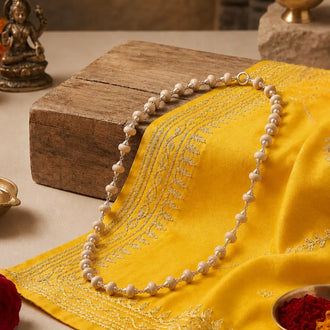
Please note that these timings are subject to atmospheric conditions and geographic variations. It is always best to consult a local Panchang or look at the sky with devotion. For those performing deep meditation during this hour, using an Original Tulsi Japa Mala can help ground your energy. Learn more about lunar cycles in our blog on Vedic moon rituals.
Essential Ganesh Puja Steps for Sankashti Chaturthi
Performing a structured puja for Sankashti Chaturthi June 2026 allows the devotee to channel their intentions effectively. The process is a symbolic welcome of the divine into one's home and heart. Each step, from the "Aavahan" (invocation) to the "Aarti" (light offering), is designed to build a resonance between the individual and the cosmic energy of Ganesha. The use of red flowers and Durva grass is essential, as these are dear to Ganesha and represent the life force and humility. By following these steps, you create a portal of blessings that protects your household from negativity and attracts auspiciousness.
Detailed Step-by-Step Puja Process:
- Purification: Take a bath and wear clean, preferably yellow or red, clothing. Sprinkle Ganga Jal around your puja room.
- Ganesh Sthapana: Place your Ganesha idol on a raised platform covered with a red cloth. If you use a Lakshmi Ganesha Pure Silver Coin, place it centrally for prosperity.
- Deepam & Incense: Light a cow ghee lamp and high-quality incense to purify the air.
- Offerings: Offer 21 blades of Durva grass while chanting the 21 names of Ganesha. Offer red hibiscus flowers and his favorite sweet, Modaks.
- Abhishek: If the idol is made of stone or metal, perform a light Abhishek with milk and honey, followed by water.
- Chanting: Recite the "Sankat Nashan Ganesha Stotram" three times to invoke his protection.
- Moon Arghya: Once the moon is visible, go outside and offer water, sandalwood paste, and flowers to the moon.
- Kshama Prarthana: Conclude by asking for forgiveness for any mistakes made during the ritual.
In Kashi, the tradition involves offering specialized "Ladoo" prasad that has been blessed in local temples. You can bring this essence home with a Vrindavan Prasad Box (Small) to share the blessings with your family. For more guidance, see our guide on setting up a sacred altar.

Sankashti Chaturthi Fasting Rules: What to Eat and Avoid
To truly benefit from the Sankashti Chaturthi June 2026 vrat, one must adhere to the satvic dietary guidelines. The food we consume during a fast directly impacts our meditative state. A satvic diet keeps the body light and the mind alert, allowing for better focus on prayers. In contrast, tamasic foods like onion and garlic can induce lethargy and distract from spiritual practices. This section outlines the traditionally accepted "Phalahar" diet that sustains the body while honoring the sanctity of the fast.
Permitted Foods (Phalahar):
- Fresh Fruits: All seasonal fruits, especially bananas and apples.
- Dairy: Fresh milk, homemade curd, and pure cow ghee.
- Fasting Flours: Buckwheat (Kuttu), Water Chestnut (Singhara), and Rajgira.
- Tubers: Boiled potatoes and sweet potatoes (unprocessed).
- Rock Salt: Use Sendha Namak instead of processed sea salt.
- Nuts: Almonds, walnuts, and cashews for energy.
Prohibited Foods:
- Grains & Pulses: Wheat, rice, lentils, and chickpeas.
- Alliums: Strictly avoid onion and garlic.
- Common Salt: Regular table salt is not allowed in traditional fasts.
- Oils: Avoid seed oils; use ghee or peanut oil if necessary.
- Non-Veg & Alcohol: Strictly prohibited as they disrupt the spiritual vibration.
A beautiful tradition from Vrindavan suggests ending the fast with a simple meal of Sabudana Khichdi seasoned with black pepper and cumin. Using a Monthly Vrindavan Puja Kit ensures you have the right samagri for every monthly Chaturthi. Explore more about spiritual nutrition in our blog on the Satvic lifestyle.
Spiritual and Material Benefits of the Vrat
Observing the Sankashti Chaturthi June 2026 fast brings a dual blessing of material success and spiritual depth. Ganesha is the lord of both "Riddhi" (prosperity) and "Siddhi" (spiritual power). Therefore, his devotees find that their worldly paths become smoother while their inner lives become richer. The psychological benefit of this practice is a significant reduction in anxiety; by surrendering your problems to Ganesha, you develop a "Sthitapragya" or a balanced state of mind. Physically, the periodic fast detoxifies the digestive system, leading to better health and vitality. Most importantly, it fosters a sense of community and shared devotion when practiced with family.
Devotees often wear a 5 Mukhi Original Rudraksha Mala during the fast to maintain a high spiritual frequency. This mala, blessed in Kashi, acts as a protective shield. Read more about these sacred beads in our blog on Rudraksha benefits.
The Various Forms of Ganesha for Specific Intentions
During Sankashti Chaturthi June 2026, you may choose to meditate on a specific form of Lord Ganesha that resonates with your current life situation. Each form holds a specific frequency and caters to different human needs. For instance, "Vighnaraja" is the ruler of obstacles, ideal for those facing legal or bureaucratic delays. "Siddhi Vinayaka" is the giver of success, perfect for students and entrepreneurs. "Bala Ganesha" represents the joyful, innocent aspect of the divine, helping to heal one's inner child and bring happiness to the household. Understanding these nuances allows for a more personalized and potent devotional experience.
Key Manifestations and Their Grace:
- Lambodara: The large-bellied Lord who contains all the universes; worship him for abundance.
- Gajanana: The elephant-faced one, representing supreme intelligence.
- Dhumravarna: The smoke-colored one who destroys pride and arrogance.
- Vikat: The unusual one who helps in overcoming impossible odds.
By using the 8 Mukhi Rudraksha Bead, you connect with the generic energy of Ganesha that encompasses all these forms. Deepen your understanding of Hindu iconography in our blog on deity symbolism.
Preparing Your Mind and Body for the Vrat
To make the most of Sankashti Chaturthi June 2026, preparation should begin a day in advance. A calm mind is the best vessel for divine grace. Practice silence (Mauna) for at least an hour on the morning of the fast. Ensure your physical space is decluttered, as a cluttered environment can lead to a cluttered mind. Set a clear "Sankalp" or intention: What is the one thing you wish to surrender to Ganesha today? This clarity acts as a guiding light through the day's discipline. Remember, the fast is not a punishment for the body, but a feast for the soul.
Kashi tradition highlights the importance of "Abhyanga" or a ritual oil bath to invigorate the body's energy channels. You can use Amrit Jal Perfume after your bath to maintain a divine fragrance throughout the day. Learn more about self-purification in our blog on spiritual hygiene.

Comparison of Puja Essentials for Sankashti Chaturthi
| Type | Purpose | Best For | Recommended Product |
|---|---|---|---|
| Sacred Coin | Focal point for prosperity and daily darshan | Wealth & Home Altar | Lakshmi Ganesha Pure Silver Coin |
| Rudraksha | Direct energy connection and wisdom | Students & Professionals | 8 Mukhi Rudraksha Bead |
| Prasad Box | Authentic offerings from sacred dhams | Completing the Vrat | Vrindavan Prasad Box (Small) |
Puja / Practical Preparation Guide
Setting up your space for Sankashti Chaturthi June 2026 ensures that the ritual flow remains uninterrupted. A dedicated space creates a sanctuary where you can truly let go of your worldly identity and merge with the divine. Follow these steps to prepare your mandir for the evening puja.
Mandir Setup Checklist:
- Clean the Ganesha idol with a soft cloth and place it on a wooden "Chowki."
- Prepare a plate with Sandalwood paste, Kumkum, and Akshat (unbroken rice).
- Gather 21 strands of fresh Durva grass and a garland of red flowers.
- Keep a Kalash of water ready for the Arghya ritual.
- Ensure you have a steady supply of cow ghee for the Akhand Jyot (eternal lamp).
Ritual Sequence:
- Sunrise: Initial prayer and Sankalp.
- Throughout Day: Japa (chanting) and reading of Ganesha stories.
- Sunset: Preparing the Modaks and organizing the Puja plate.
- Moonrise: Actual Puja, Moon Arghya, and breaking of the fast.
Spiritual Resonance: A Moment of Reflection
The observance of Sankashti Chaturthi June 2026 is ultimately about developing a relationship with the divine. When you look at Ganesha's large ears, remember that he is always listening to your silent prayers. His small eyes remind us to focus with precision on our goals, and his large trunk signifies the flexibility needed to navigate life's changes. This day is a reminder that no obstacle is bigger than the grace of the Lord. As you conclude your fast and look at the moon, feel the stillness within. The challenges that seemed insurmountable in the morning may now seem like mere stepping stones on your spiritual path. Are we willing to let go of our ego to allow the wisdom of Ganesha to lead the way?
Bring Sankashti Chaturthi Home with Dharmik
Make your Sankashti Chaturthi June 2026 truly special with our range of abhimantrit and lab-certified products. We bring the sanctity of Kashi and Vrindavan directly to your doorstep, ensuring your rituals are performed with the highest quality essentials. Our products are energized in sacred dhams to provide you with the maximum spiritual benefit.
- 8 Mukhi Rudraksha Bead of Lord Ganesha - Lab-certified and blessed in Kashi for wisdom.
- Lakshmi Ganesha Pure Silver Coin - Abhimantrit in Vrindavan for prosperity.
- Incense Cups - Purity, Blessings & Peace - Sacred dham energized for a pure atmosphere.
- Vrindavan Prasad Box (Small) - Authentic Braj Raj and prasad to bless your home.
Frequently Asked Questions
What is Sankashti Chaturthi June 2026?
Sankashti Chaturthi June 2026 is a monthly Hindu festival dedicated to Lord Ganesha. It is observed on the fourth day of the Krishna Paksha in June. Devotees perform a fast to seek divine help in overcoming obstacles and gaining wisdom.
What are the Ganesh fasting rules?
Ganesh fasting rules require devotees to abstain from grains, pulses, and tamasic foods like onion and garlic. The fast is usually broken only after sighting the moon and performing a dedicated puja with Arghya to the moon and Lord Ganesha.
What is the significance of moonrise on Sankashti Chaturthi?
The significance of moonrise on Sankashti Chaturthi is that the moon symbolizes the mind. By offering water to the moon after a day of fasting, devotees pray for mental peace and the fulfillment of their deepest desires under the witness of the lunar deity.
Can I observe Sankashti Chaturthi fast if I am pregnant?
Observing Sankashti Chaturthi fast if pregnant is a personal choice, but strict fasting is not recommended. Pregnant women should consult a doctor and may opt for a partial fast where they consume healthy fruits and milk throughout the day while focusing on prayer.
What foods are prohibited during Sankashti Chaturthi fast?
Foods prohibited during Sankashti Chaturthi fast include all grains like rice and wheat, pulses, sea salt, turmeric, and non-vegetarian items. Alcohol and tobacco are strictly forbidden. One should use rock salt (Sendha Namak) for any cooking involving fasting flours or vegetables.
How often does Sankashti Chaturthi occur?
Sankashti Chaturthi occurs every month on the fourth day of the waning moon phase. There are usually 12 occurrences a year, but during an "Adhik Maas" or leap month, there may be 13. Each one is associated with a different form of Ganesha.
Conclusion
In conclusion, the observance of Sankashti Chaturthi June 2026 provides a unique spiritual gateway to align oneself with the supreme wisdom of Lord Ganesha. By following the traditional rituals and maintaining the sanctity of the fast, you not only overcome life's hurdles but also cultivate an inner sanctuary of peace. This sacred day is an opportunity to reset your spiritual clock and move forward with renewed vigor and divine protection. May the blessings of Ganpati Bappa bring light, joy, and prosperity to your home. We invite you to explore the Dharmik collection to find the perfect companions for your spiritual journey and ensure your devotion is supported by the highest quality sacred items.
By Dharmik